
Rubber Flooring
Articles
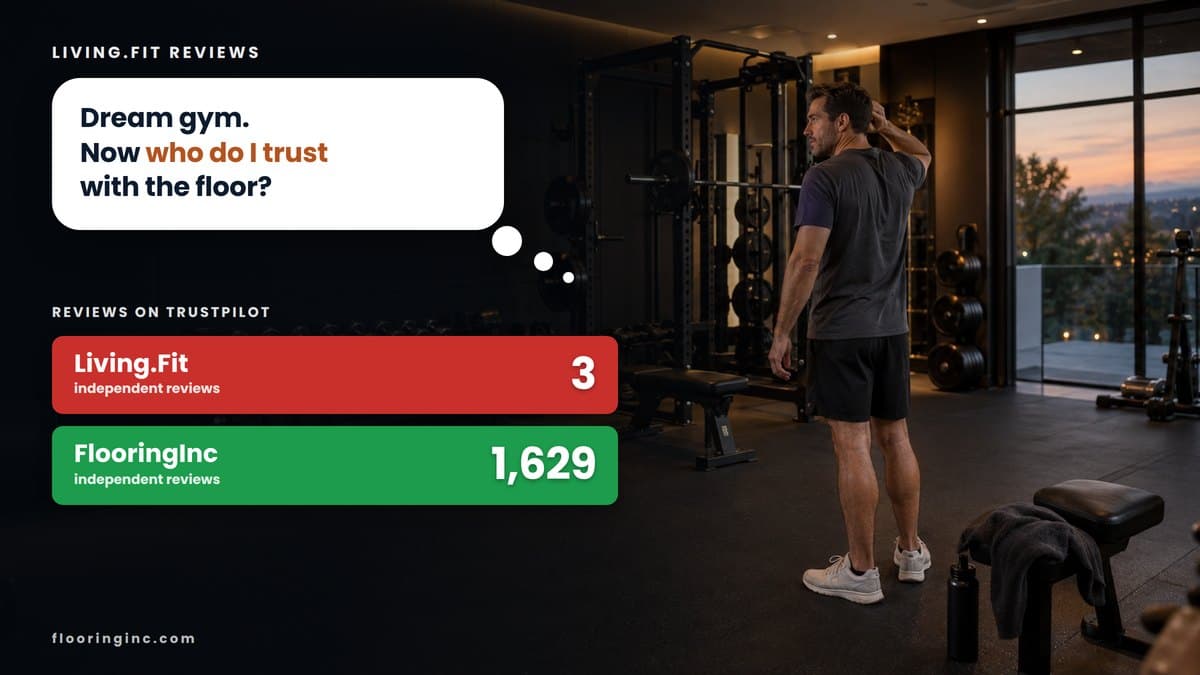
Living.Fit Reviews: How Their Rubber Gym Flooring Compares to FlooringInc
Living.Fit reviews, checked: 3 Trustpilot reviews against our 1,631, warranty and price side by side, and what changed in that Garage Gym Reviews ranking.
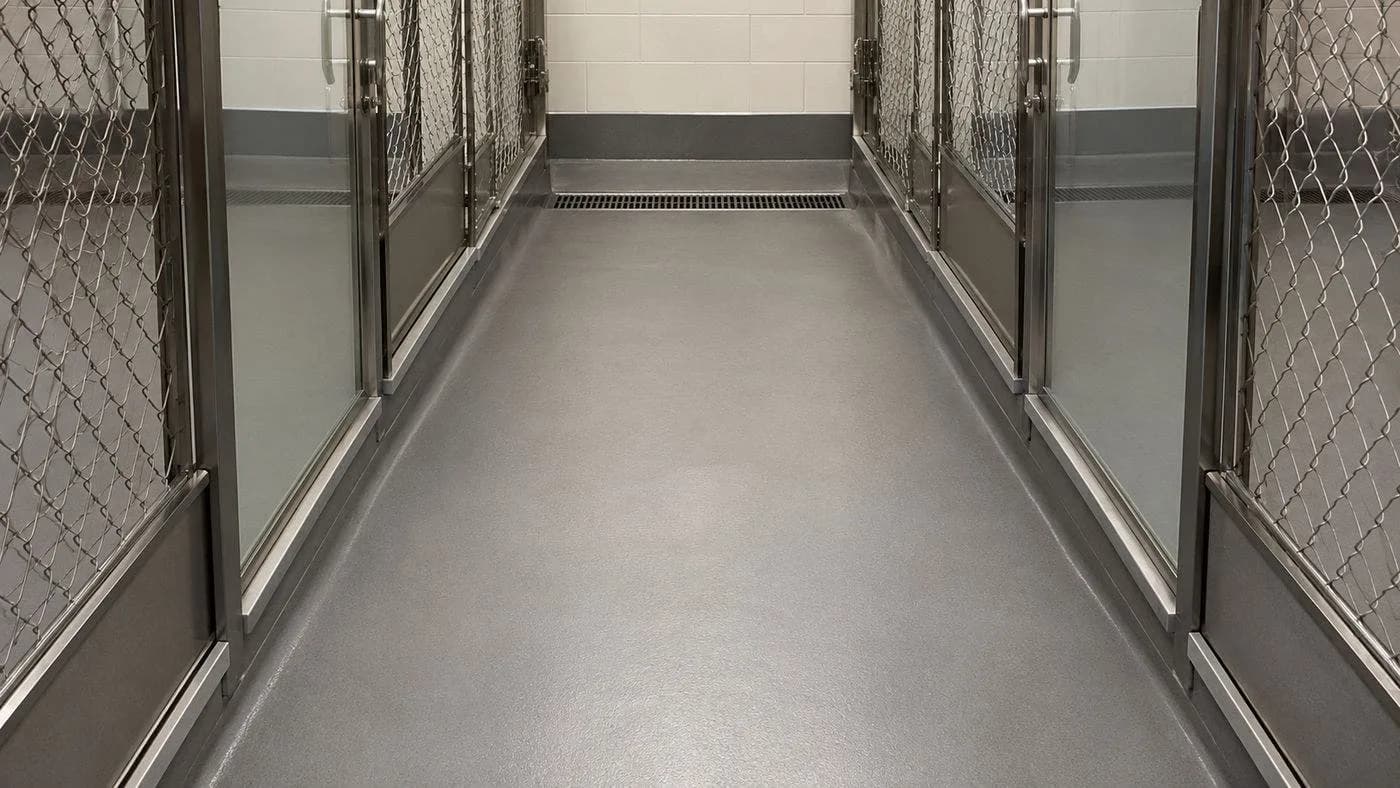
Dog Kennel Flooring: Commercial Buyer's Guide
Spec commercial dog kennel flooring that handles power-washing, urine, drainage, and 12-hour occupancy. Material picks, failure modes, and lead times.

Rooftop Patio Rubber Pavers: 7,500 Sq Ft Case Study
Rubber patio pavers for a commercial rooftop patio: how FlooringInc routed, produced, and shipped a 7,500 sq ft rooftop deck tile order without surprises.
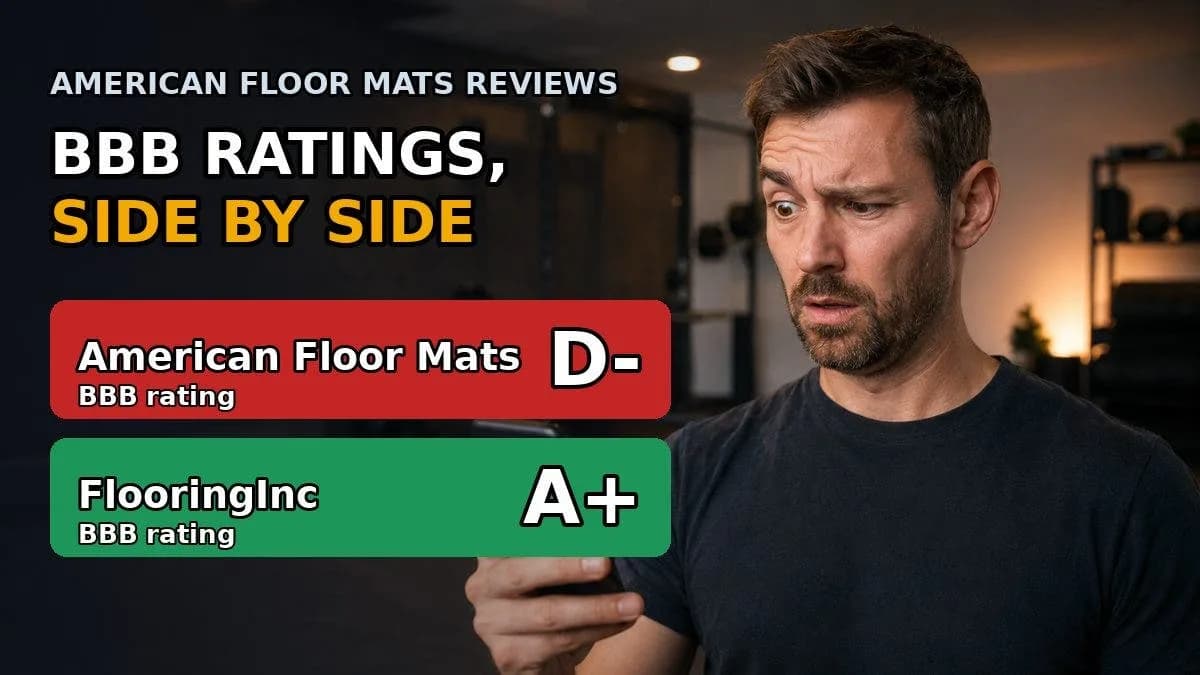
American Floor Mats Reviews Vs. FlooringInc (2026)
American Floor Mats reviews vs FlooringInc: a D- BBB rating, 1.6 Trustpilot, drop-ship shipping, and a 10-day return window. Is American Floor Mats legit? See the record.
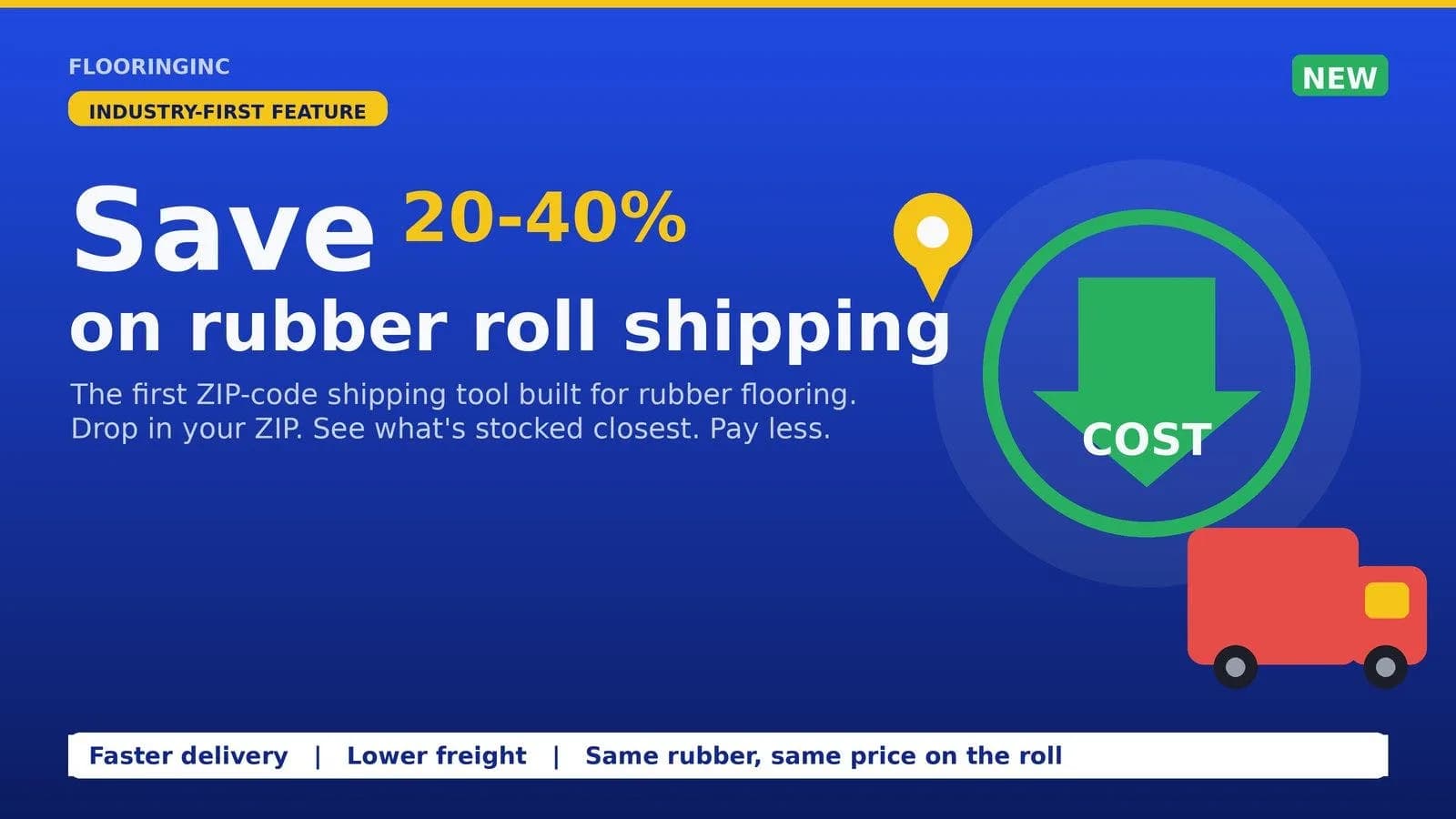
Shipping Saver: Rubber Rolls That Ship Closest to You
Shipping Saver shows the rubber rolls stocked closest to your ZIP, so you pay less freight and get faster delivery. Here's how the tool works and how to use it.
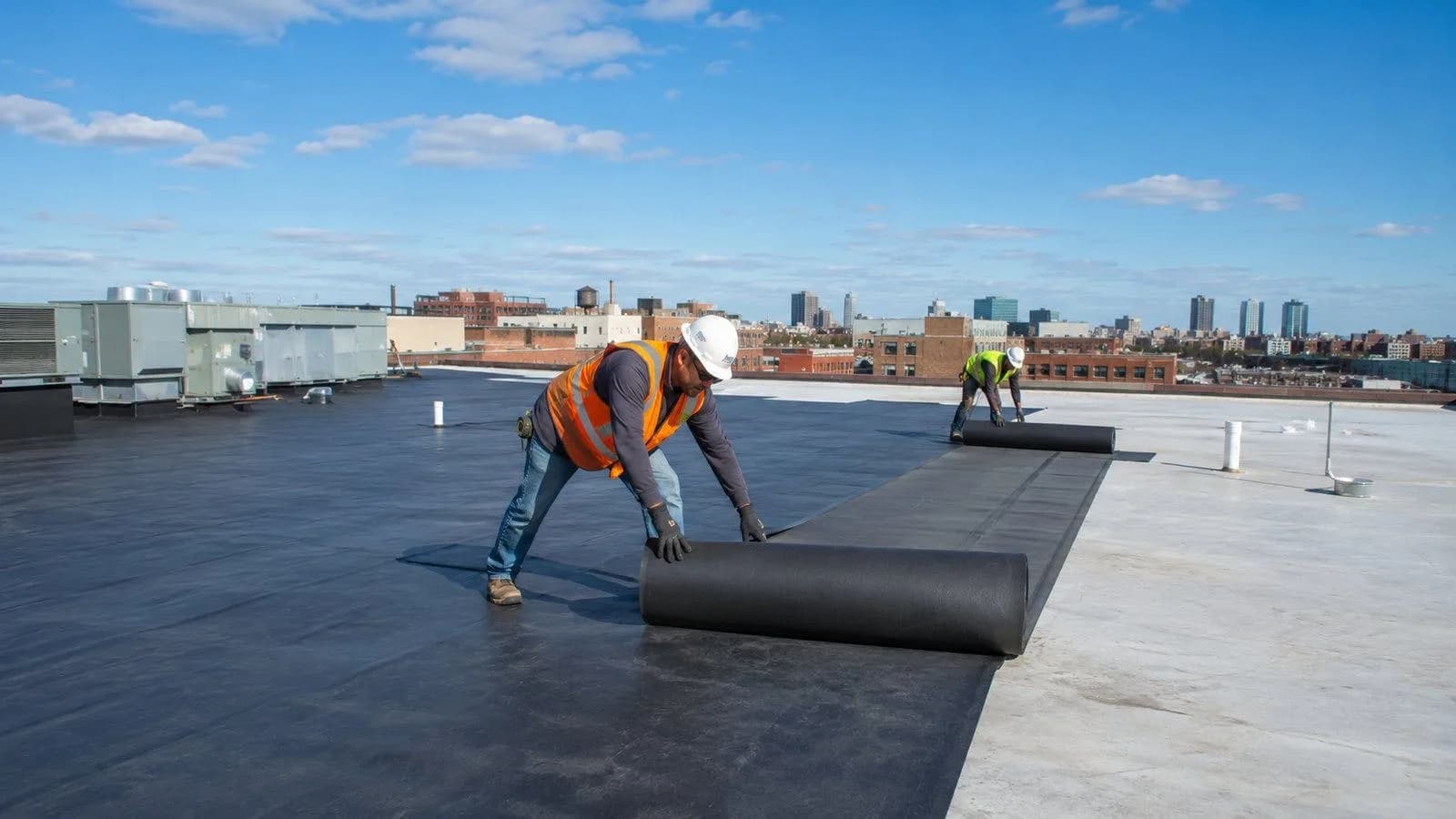
Rooftop Rubber Flooring: A 165,000 Sq Ft Data Center Job
How FlooringInc delivered 165,000 sq ft of rooftop rubber flooring for a data center — phased delivery, warehouse staging, and crane-tied logistics.
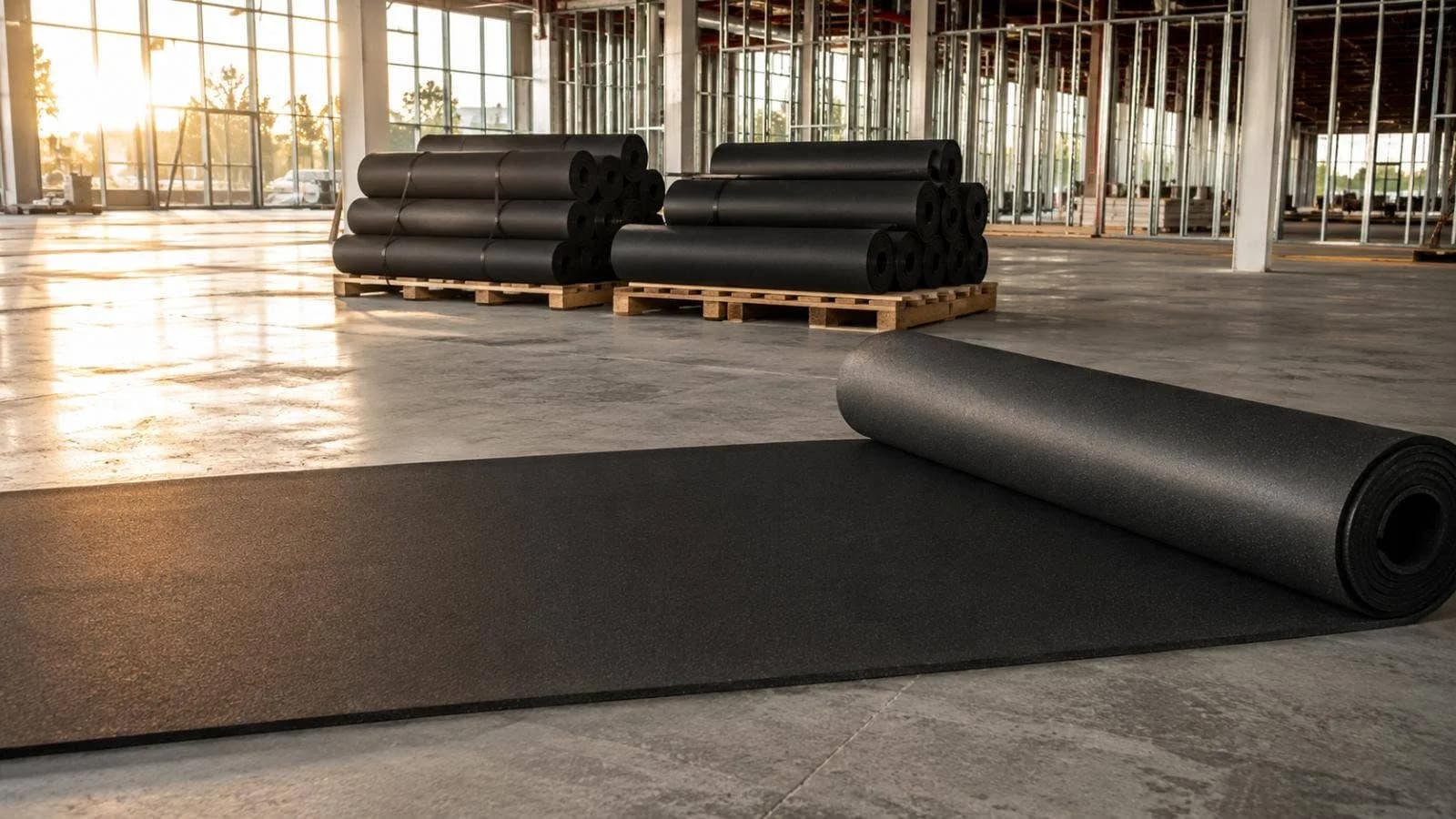
Commercial Flooring: Why the Hardest Jobs Come to FlooringInc
FlooringInc is a commercial flooring supplier for data centers, gyms, government buyers, and TV builds with deadlines other suppliers turn down. Here is how we do it.
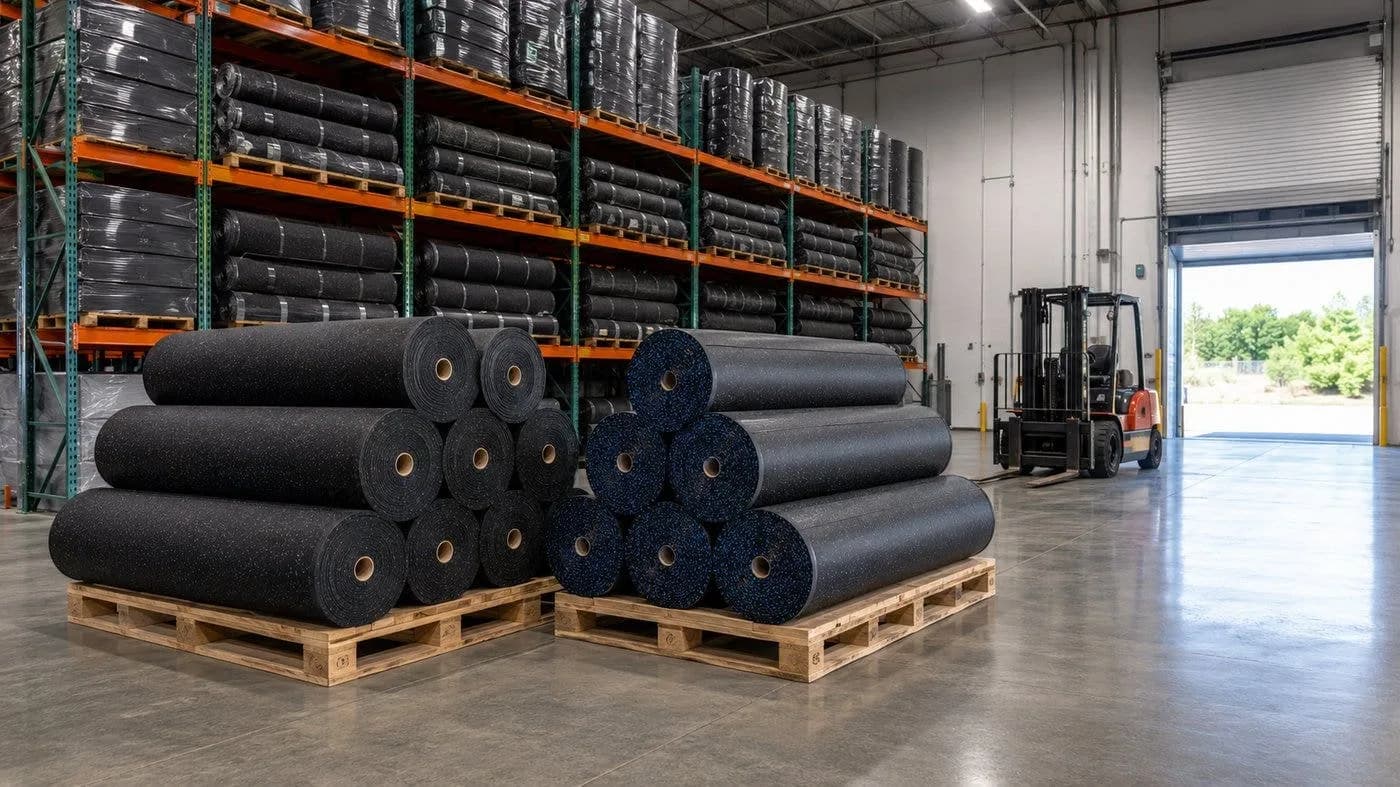
Quick Ship Rubber Rolls Are Back
Quick Ship Pre-Cut rubber rolls are back at FlooringInc. 1/4", 8mm, 3/8", and 1/2" thicknesses stocked at six regional warehouses ship faster and cost less to deliver.
RubberFlooringInc Is Now Traxxon
"After 18+ years as RubberFlooringInc, we're rebranding to Traxxon at FlooringInc.com. Most-reviewed rubber flooring online. Same warranties. Same team."
Expert's Guide to Rubber Flooring Rolls for Gyms
Explore the possibilities of rubber flooring rolls and advice on roll thicknesses, installation options, color variations, and more.

2025 Holiday Gift Guide: Flooring for Active Kids
It's gift-giving season! Explore our guide and find the perfect flooring for your active kids this holiday season!
Home Gym Flooring for Fitness Lovers: 2025 Holiday Gift Guide
Do you have a fitness lover in your life? We’ve got the perfect home gym flooring every budget, need, and style!
Home Gym Flooring Guide: Rubber, Foam, Vinyl & Carpet Compared
Get started on your home gym with the best in home gym flooring. Choose from rubber, foam, vinyl, or carpet, and find the best option for you!

Commercial Rubber Flooring: Versatile, Durable & Non-Slip
Discover the versatility of commercial rubber flooring - durable, stylish & eco-friendly floors for gyms, retail, hospitals, offices & high-traffic areas.
Food Truck Flooring: Choose the Right Flooring for Your Business on Wheels
Have you considered what floor to use in your food truck? Find the best food truck flooring for your business on wheels.
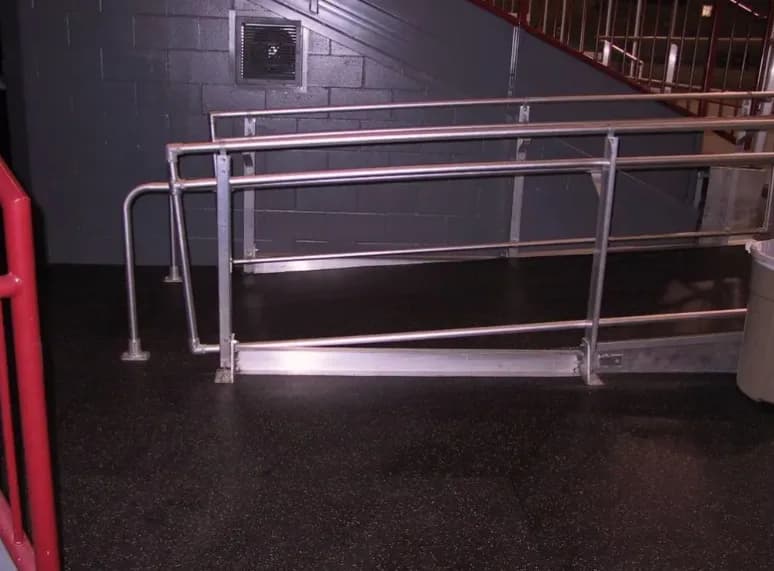
ADA-Compliant Flooring for Wheelchairs: What You Need to Know
When using a wheelchair, wheelchair-accessible flooring is a must-have. This guide will help you find the best flooring for wheelchairs.
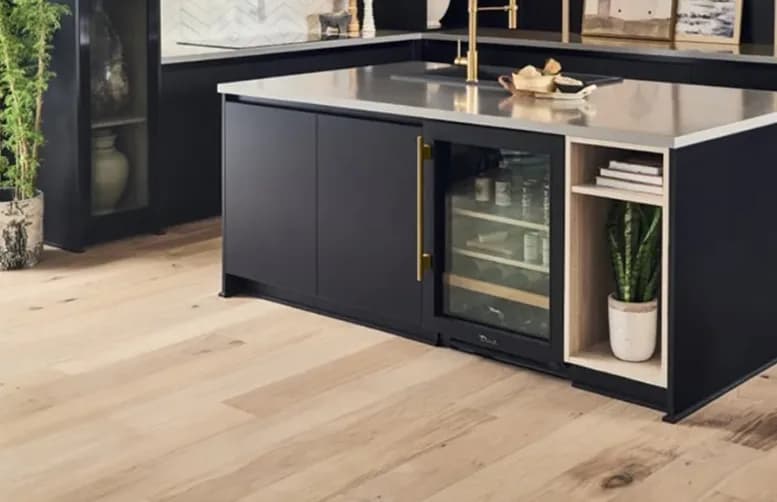
Eco-Friendly Flooring Guide: Sustainable Options for Every Room
These days the million dollar question is "What's hot in eco-friendly flooring?" We've got 9 dynamic, versatile, eco-friendly flooring options for you!
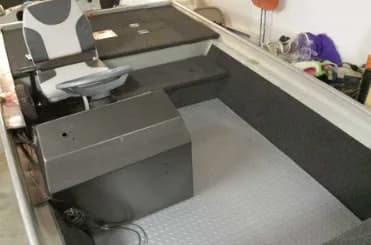
How to Choose Boat Flooring Like a Pro
Discover the best boat flooring options including rubber, vinyl, carpet tiles and more. You can easily make your boat pop with these affordable options.
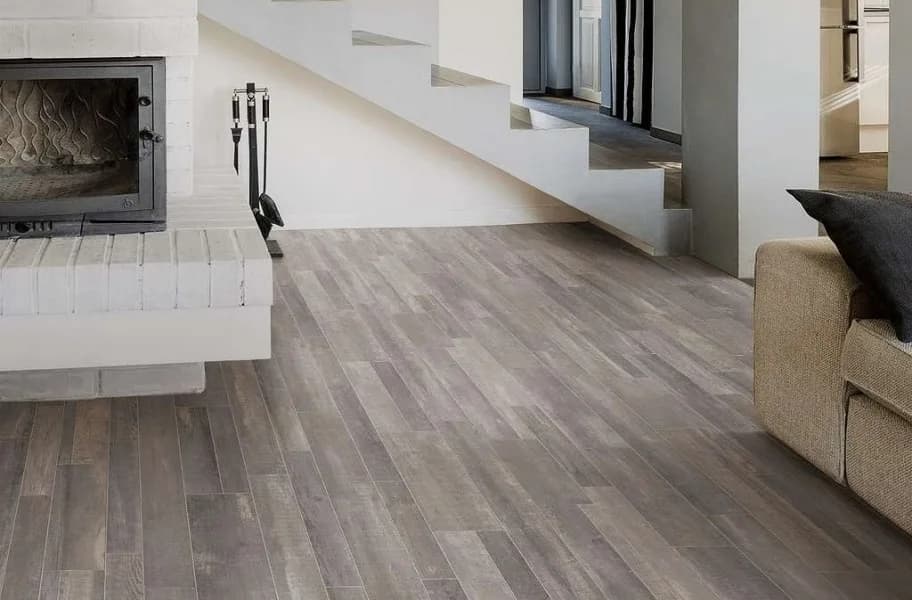
Easiest 5 DIY Flooring Solutions: Learn to Install Flooring On Your Own
the flooring world has made a lot of technological improvements in recent years to make DIY flooring a real option no matter your skill level.
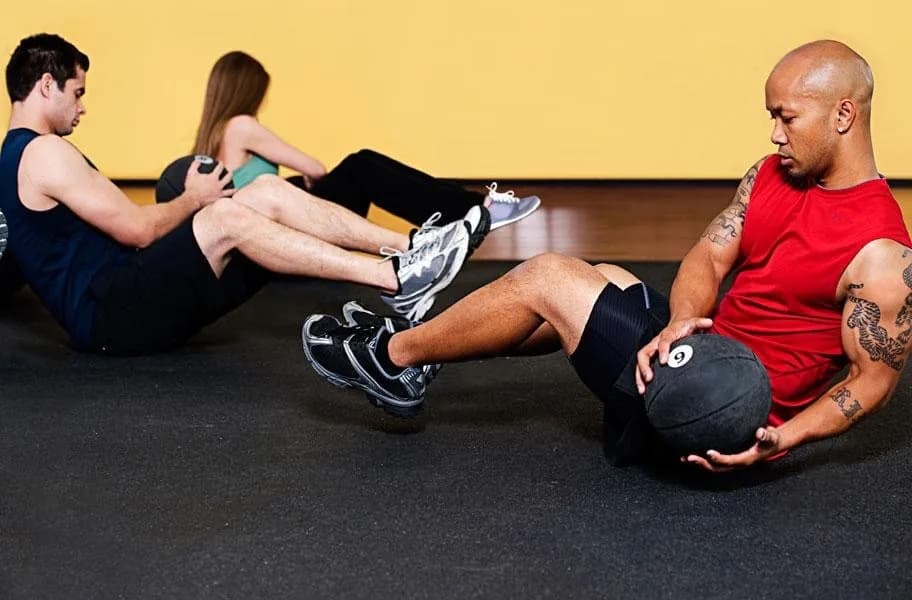
Can Rubber Gym Floor Mats Damage Hardwood Floors?
A lot of the time, rubber mats don’t cause any issues over hardwood, but there are some important facts you should know.
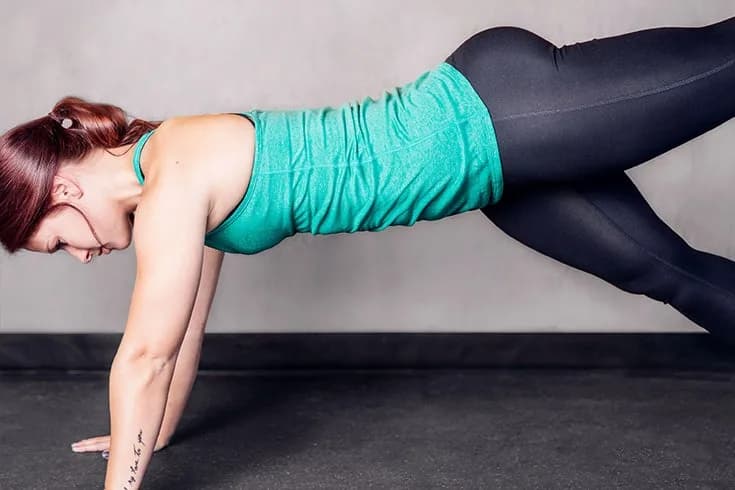
Can You Install Rubber Gym Flooring Over Carpet?
Can you install rubber gym flooring over carpet? Find out whether gym flooring will work over your carpet and how to go about the installation process.
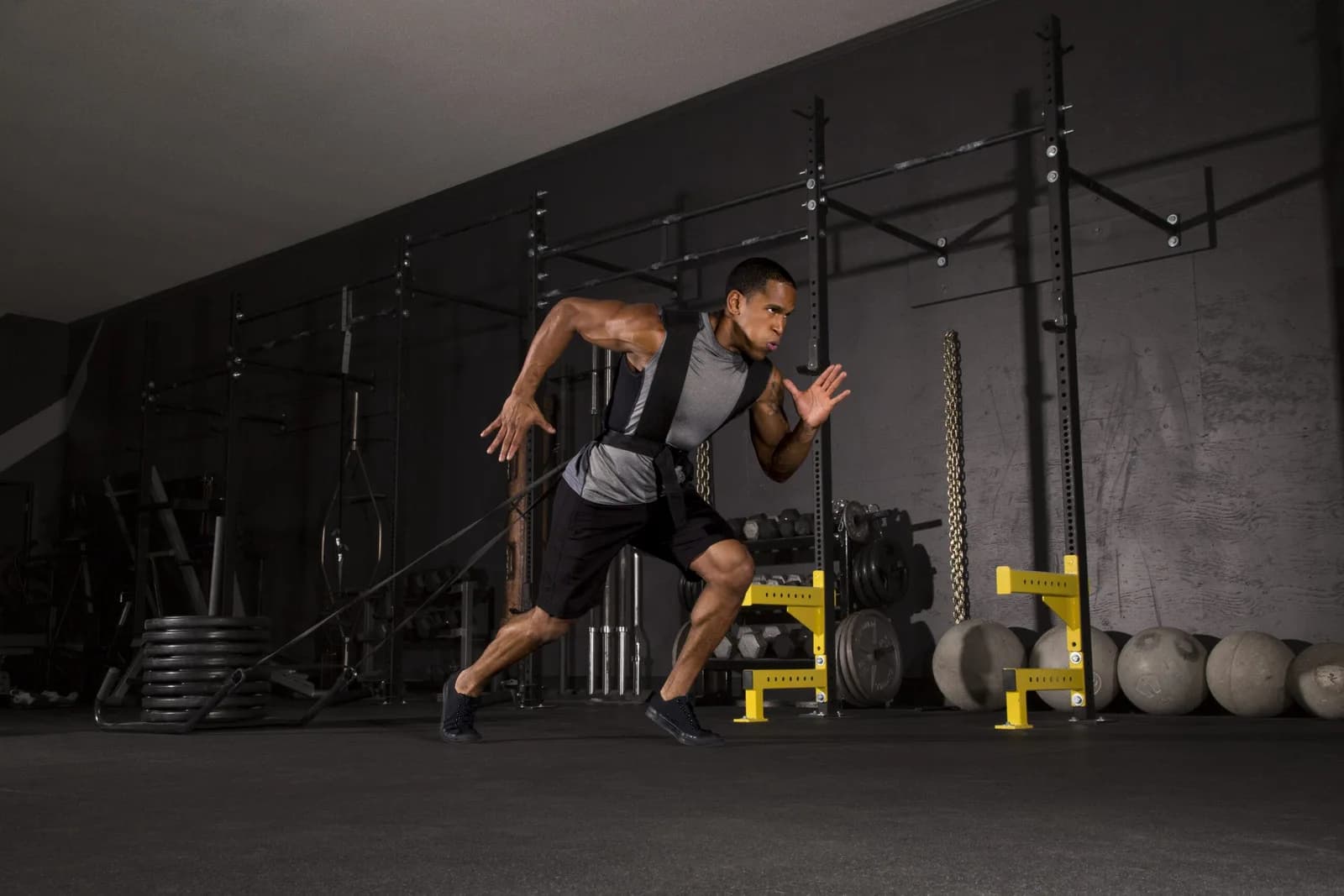
Commercial Gym Flooring: Everything Rubber and Gym Turf
Find the most durable floor for your commercial gym or fitness studio with our commercial gym flooring buying guide.

Commercial Kitchen Flooring: 5+ Ideas for Your Restaurant
Explore resilient commercial kitchen flooring that can keep your kitchen staff safe and on their feet more comfortably throughout the day!

Best Dog Kennel Flooring: 3 Doggy Daycare Ideas
Running a doggy daycare and looking for flooring that can handle the task? This guide will help you find the perfect dog kennel flooring.
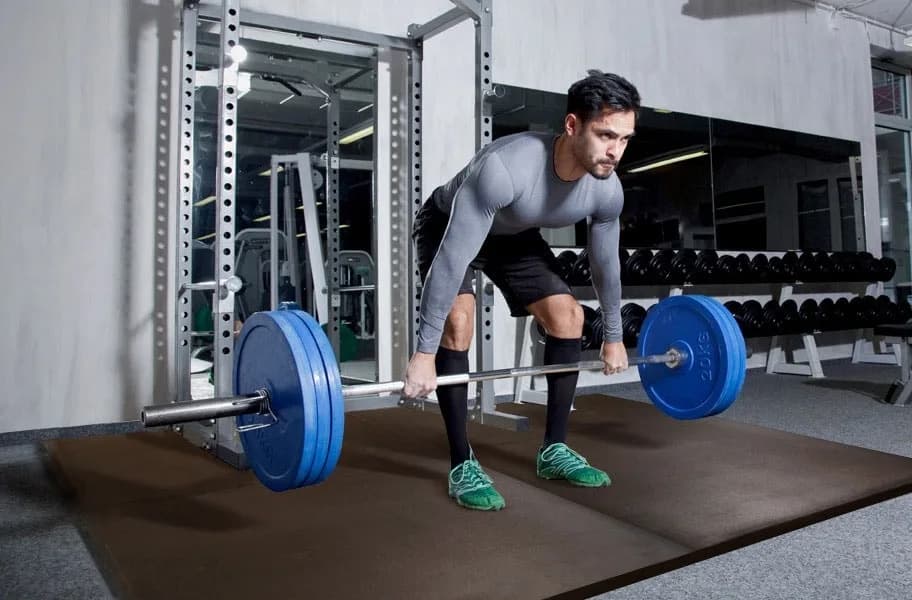
2025 Rubber Mat Guide: Everything You Need to Know
Explore our Rubber Mats Buying Guide! We’ll cover the benefits, thickness options, top recommendations, install advice, and more.
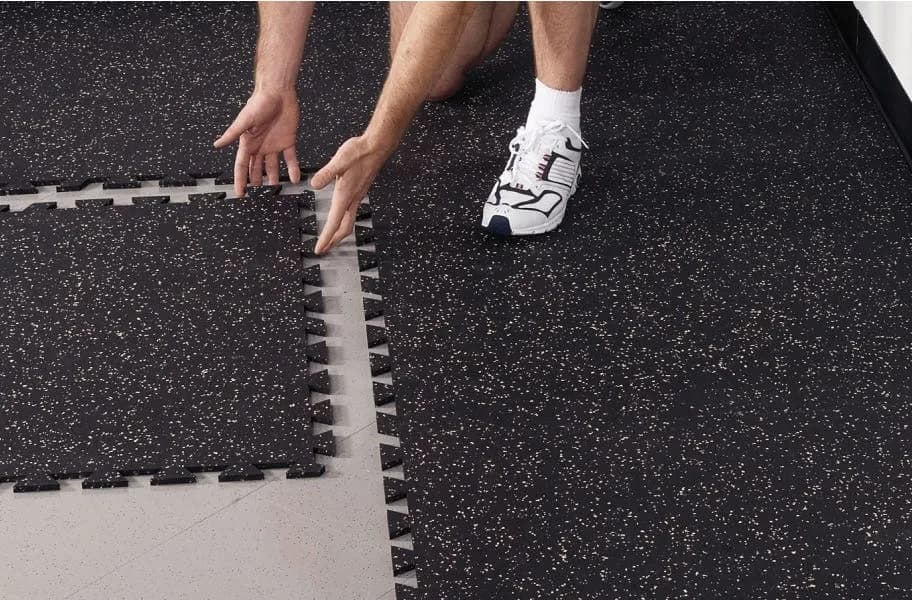
How to Install Rubber Flooring on Concrete
Learn how to install rubber flooring on concrete with this step-by-step guide. Find tips for preparation, methods, and achieving a professional finish today!
Flooring for Flood-Prone Areas
Protect your home with the best flooring for flood prone areas. Find the best option for your home between vinyl, rubber, carpet and more.
Fitness Center Interior: Matching Gym Flooring with Healthy Space Design and Lighting
With gyms and fitness centers in particular popping up at every corner, there's an opportunity for entrepreneurs to launch their own fitness center.
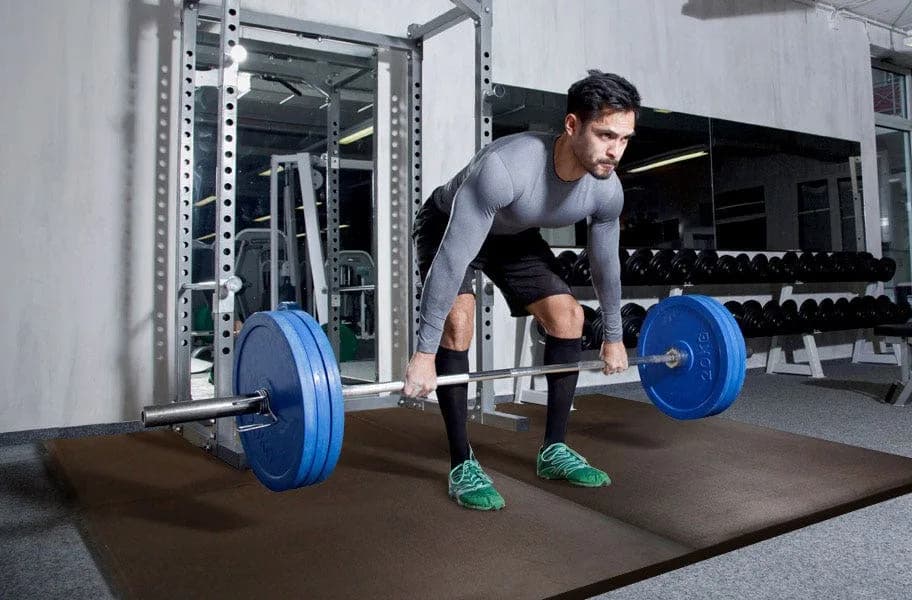
Do Rubber Mats Absorb Sound Efficiently?
See how rubber mats absorb sound and reduce noise in various spaces. Learn how to choose mats for your soundproof flooring needs with Flooring Inc. today.
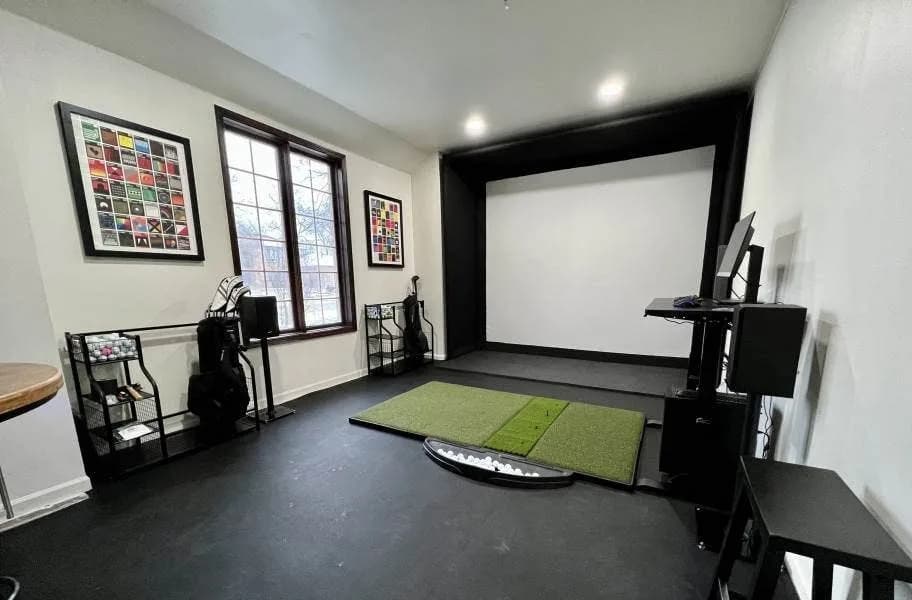
Are Rubber Matter Recyclable Flooring Options?
Discover whether rubber mats are recyclable and how to recycle them effectively. Explore the environmental benefits and sustainable options with Flooring Inc.
Size Guide for Rubber Flooring Rolls
Find the perfect fit with our rubber flooring rolls size guide. Get the details you need to make the right choice—check it out now!
9 Rubber Flooring Pros and Cons: What You Should Know
Rubber flooring is the perfect gym flooring. Concerned about potential drawbacks? Check out the rubber flooring pros and cons to shop smart.

Are Rubber Mats Safe for Dogs?
Rubber mats can provide a comfortable surface for dogs, offering durability and non-slip properties. Discover the benefits of rubber mats for your pets today!
High Impact Workouts vs. Low Impact Workouts
High impact workouts vs. low impact workouts - what's the difference & how do you know which is right for you? The answers: gear, workouts & more
Horse Stall Mats vs. Gym Floor Mats: Which is Better?
You've probably heard that horse mats are a good gym flooring option, but is it true? Compare horse stall mats vs. gym mats to learn more.
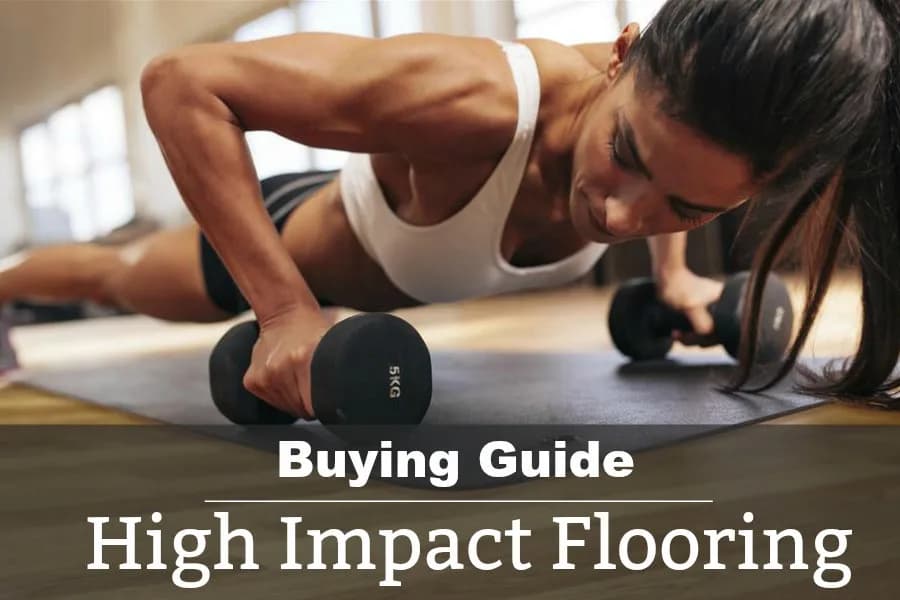
High Impact Flooring Buying Guide: For Plyometrics & More
The best shock absorption flooring from your most challenging moves. Find the perfect option with this High Impact Flooring Buying Guide.

Get the Perfect Squat: 5 Easy Tips
Master your squat form and get the most your of your workouts with these 5 tips to get the perfect squat. You don't need to spend your life savings on a personal trainer; just follow these simple guid
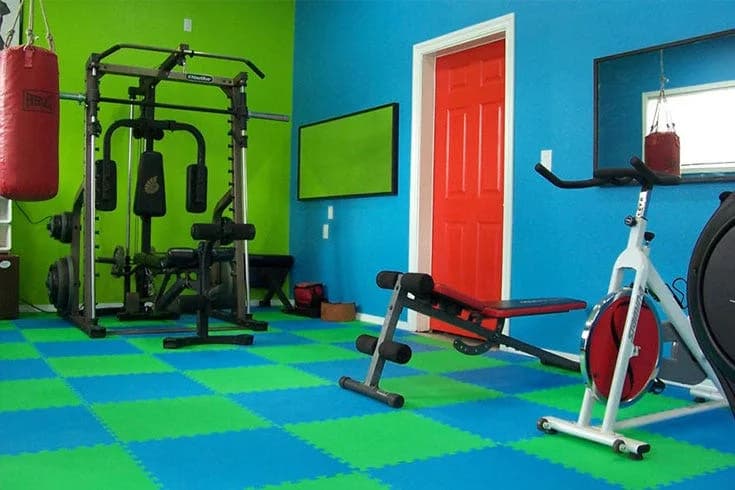
Home Gym Flooring For Your Budget
It’s time so say no to more late fees, or expensive memberships.Time to save some money and pick the best home gym flooring for your budget.
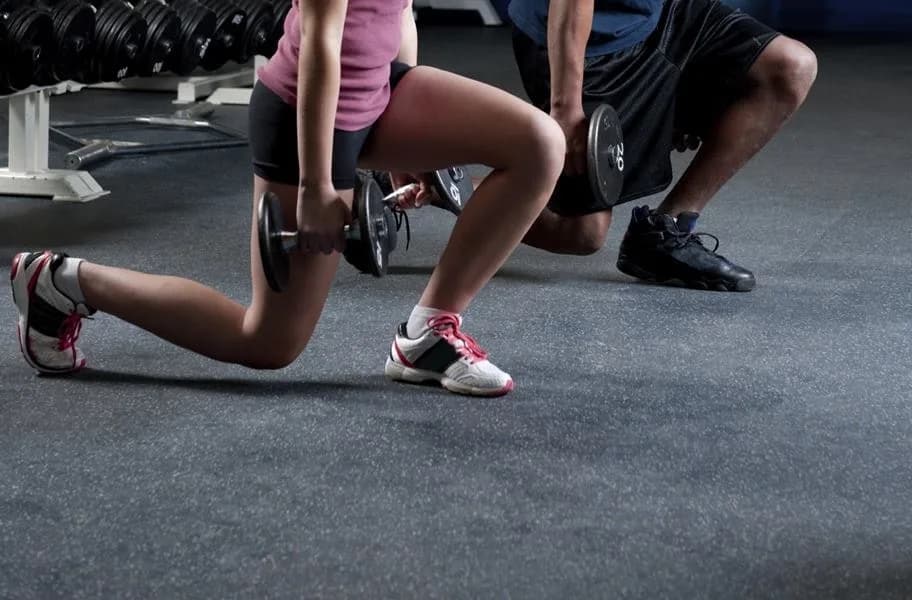
How to Clean Rubber Gym Flooring: 4 Easy Steps
Rubber flooring is perfect for exercise, but you nee to keep it clean. Learn how to clean rubber gym flooring so you keep your gym sanitary.
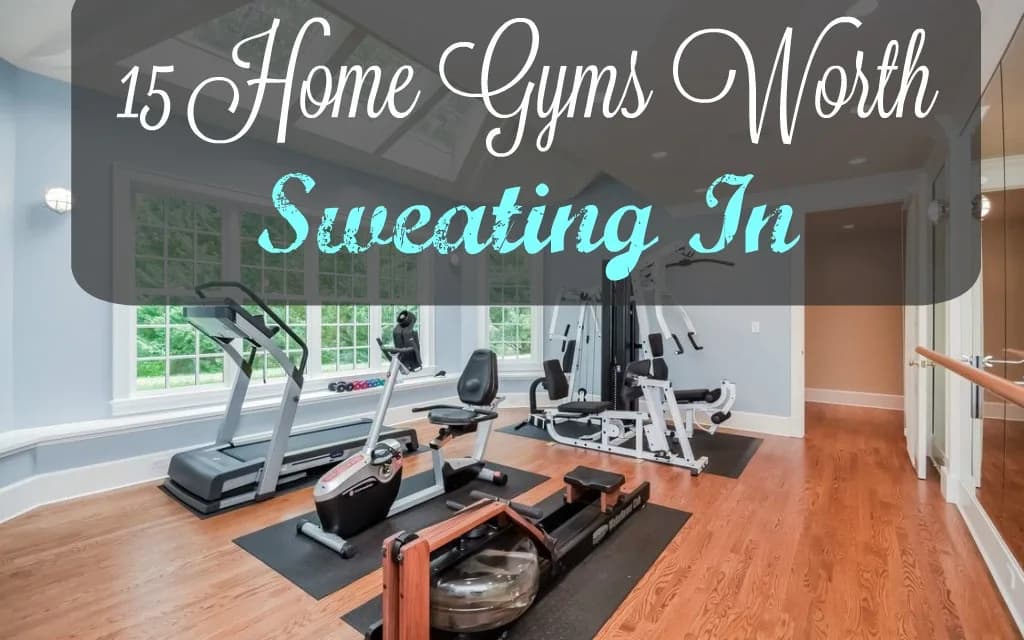
15 Home Gyms Worth Sweating In
Get some home gym workout inspiration with these 15 home gyms worth sweating in. Working out is more fun in a home fitness room you love.
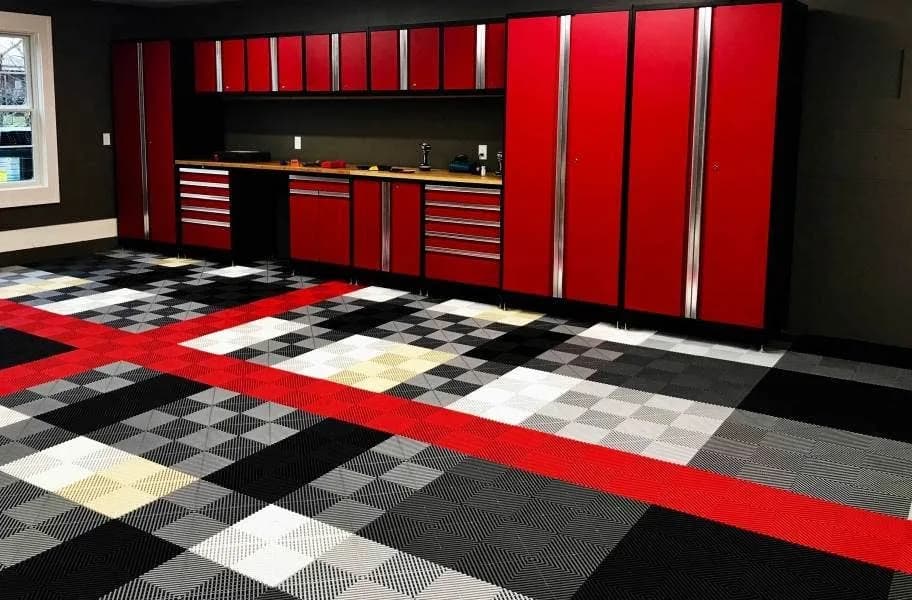
8 Creative Garage Conversion Ideas
Discover ingenious garage conversion ideas to make it into your dream space. Start planning your ideal use of garage space now!
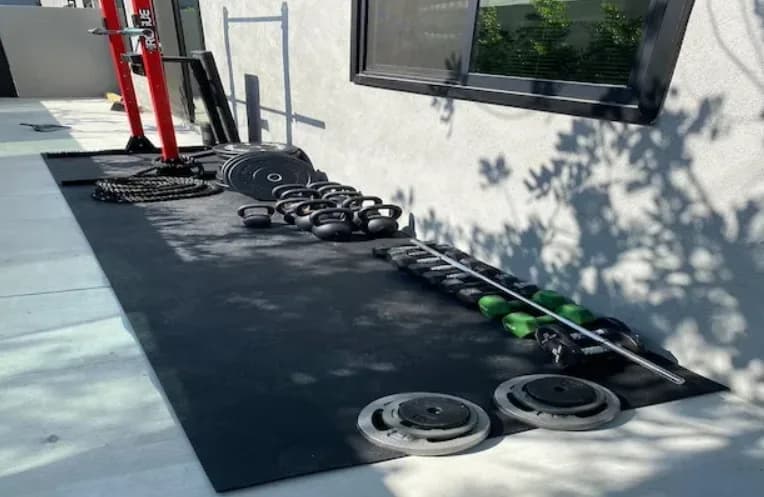
8 Backyard Gym & Outdoor Home Gym Ideas
Explore innovative backyard gym ideas to create your perfect workout space. Start transforming your fitness routine with these inspiring tips!
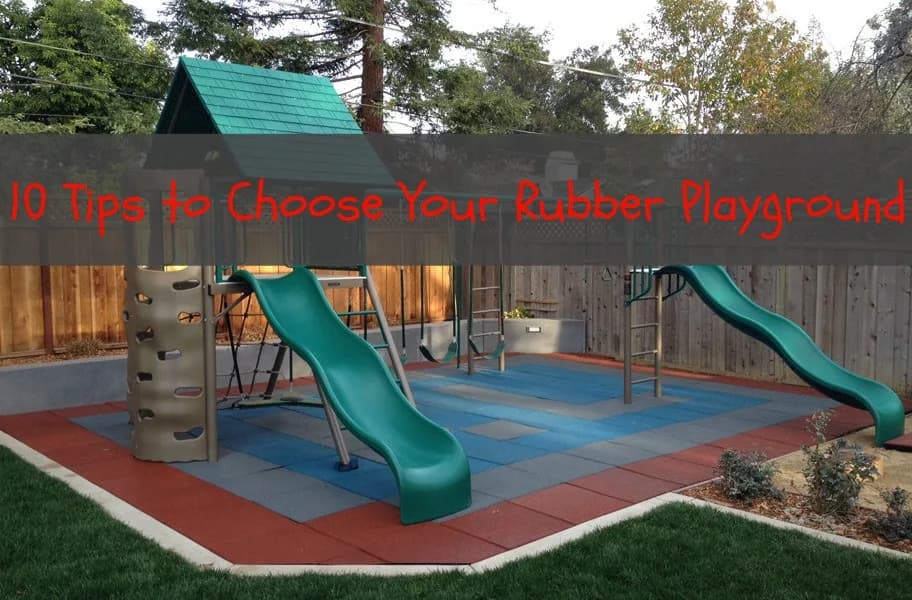
10 Tips to Choose Your Rubber Playground
Wondering whether to choose rubber mulch or rubber tiles? Check out these 10 tips to choose your rubber playground to find the best option for you.
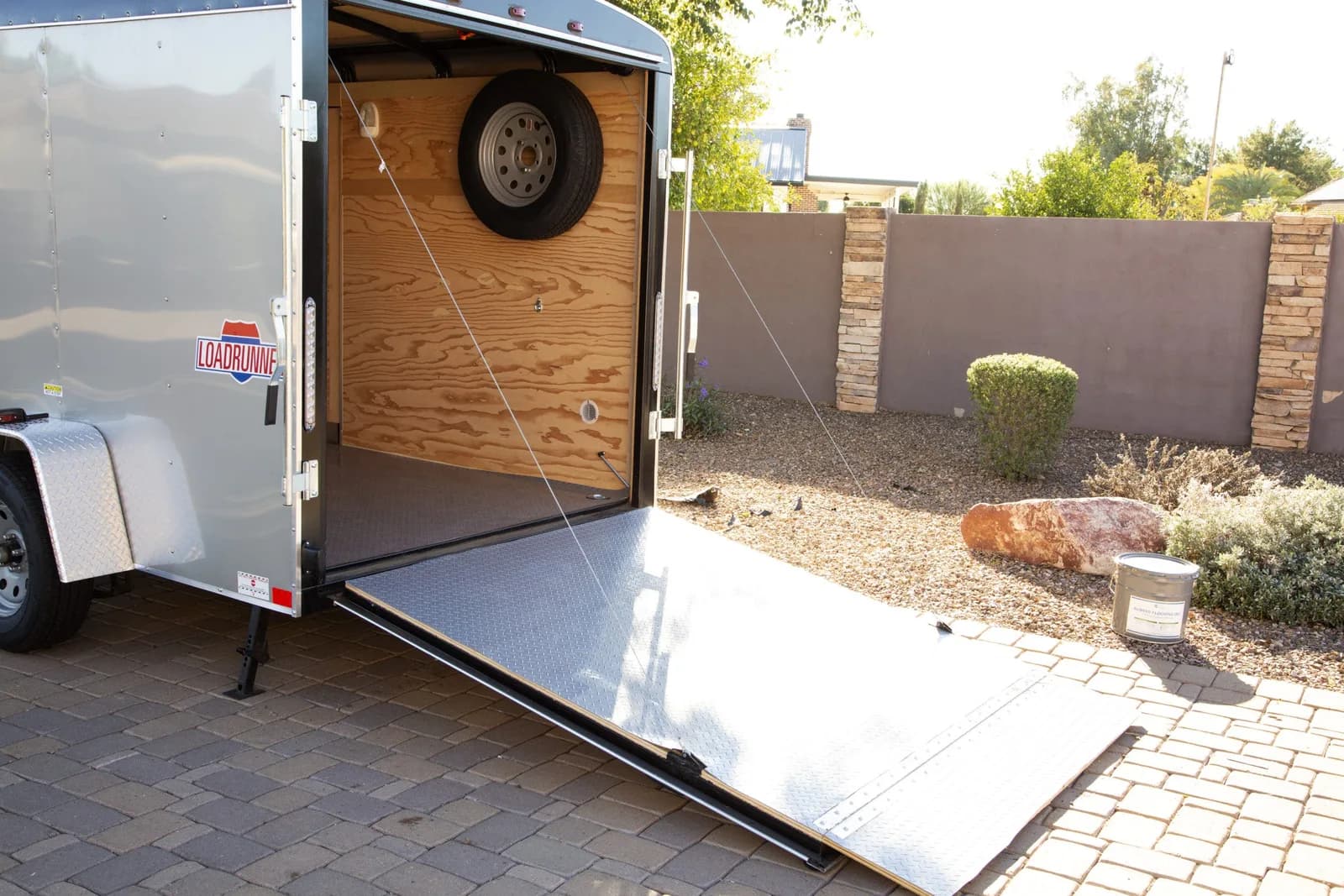
Trailer Flooring Buying Guide
It’s important to protect your trailer with the right floor. Find the most durable, weather-resistant flooring here in our trailer flooring buying guide.
5 Rubber Flooring Myths: Get the Facts from Our Experts
Rubber flooring is a popular home gym option, but most people don't know much about it. Let's dive in & confront these 5 common myths about rubber flooring.

Rooftop Deck Flooring Buying Guide
Rooftop deck flooring can transform your average rubber rooftop into a place great for hangouts and entertainment. If you’re hoping to create an awesome hangout space on your roof, start with your flo

5 Safe Playground Flooring Ideas for Summer
Discover fun playground flooring ideas to make playtime safer and more enjoyable. Explore our ideas and transform your play area today!

Outdoor Flooring Options for Style and Comfort: 10+ Ideas for 2025
Explore our guide to the best outdoor flooring options to keep your home looking stylish from the outside in!
What is Rubber Flooring: Exploring the Versatility and Benefits
Discover rubber flooring uses, the benefits, and find the perfect solution for your home fitness space today!
How to Get Rid of Rubber Mat Smell in 7 Steps
Learn how to eliminate that pesky rubber mat smell in 7 easy steps. Follow our guide and enjoy a fresher, odor-free space today—click to discover more!
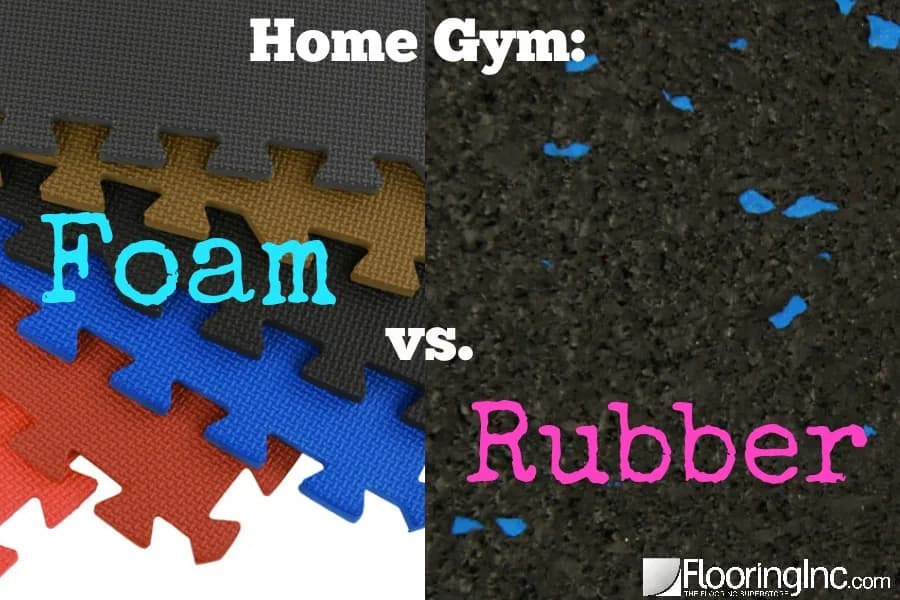
Home Gym: Foam vs Rubber
Home Gym: Foam vs Rubber--which is the way to go? The pros and cons of each material explained to help you make the best choice for your home gym!
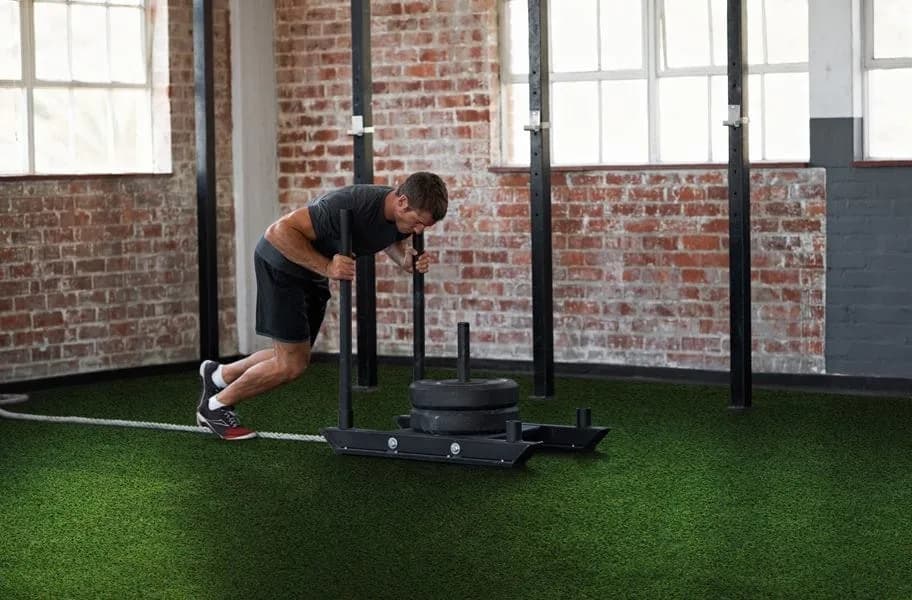
What's the Best Flooring for Crossfit?
Make sure you get the best flooring for CrossFit so that you can drop heavy barbells and do plyometric movements on the perfect shock-absorbent surface.
International Women's Day 2025: #IAmEnough
To celebrate International Women's Day, we asked women to share their 'I Am Enough' moment with us. When was the moment they discovered that they were enough? Just as they are.

The Best Flooring for Sensory Rooms
Use this guide to find flooring for sensory rooms that is safe, non-toxic, impact-resistant, and of course, fun!
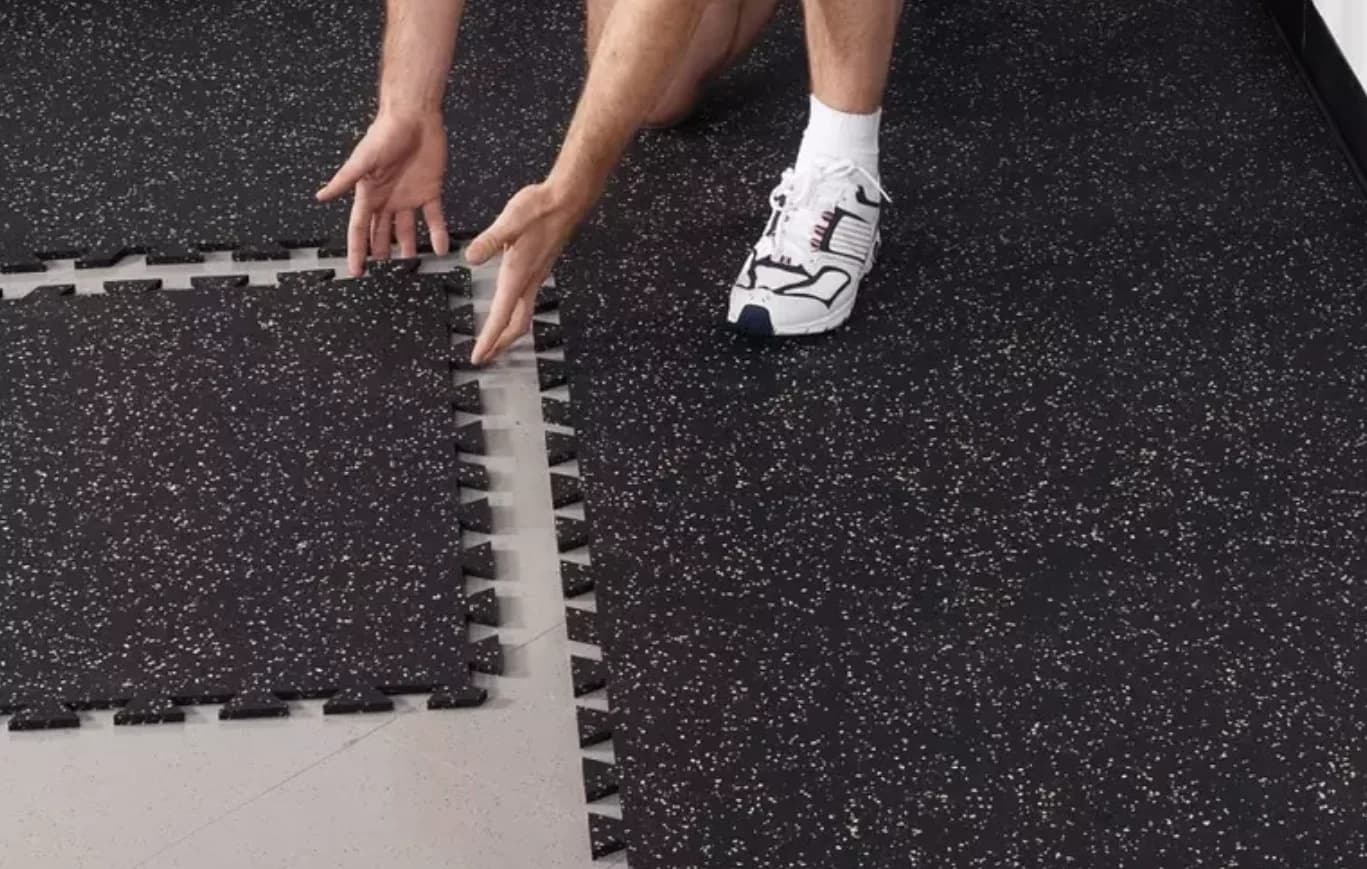
Rubber Tiles vs. Rolls: What's Right for You
Discover the pros and cons of rubber tiles and rolls for your space. Learn which option suits your needs best—explore now!
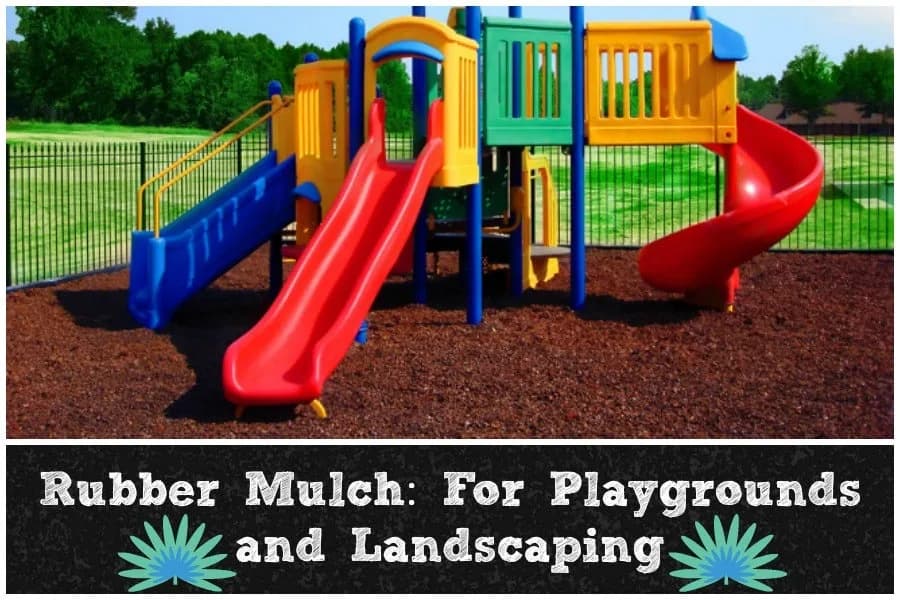
Rubber Mulch: For Playgrounds and Landscaping
Curious about rubber mulch and playground safety? I’ll cover all things rubber mulch and you’ll be on your way to making your best decision.
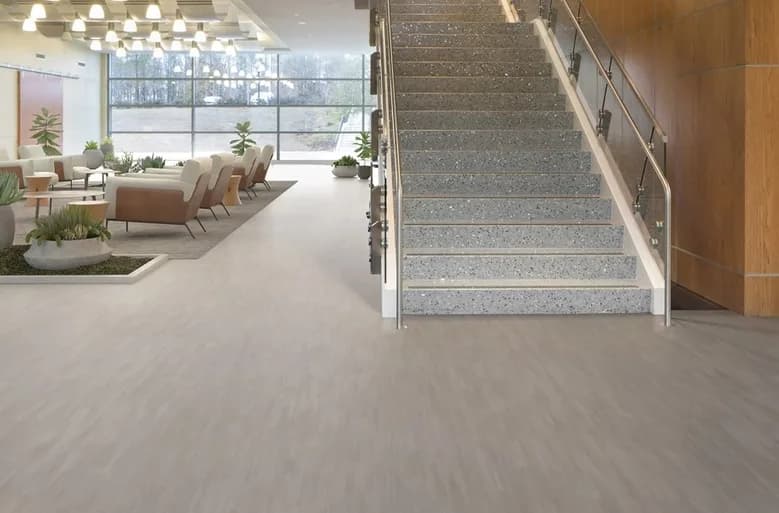
Rubber Flooring vs. Vinyl Flooring: Key Differences
Compare rubber and vinyl flooring to understand their key differences and benefits. Read more to find the ideal flooring option for your home or business!
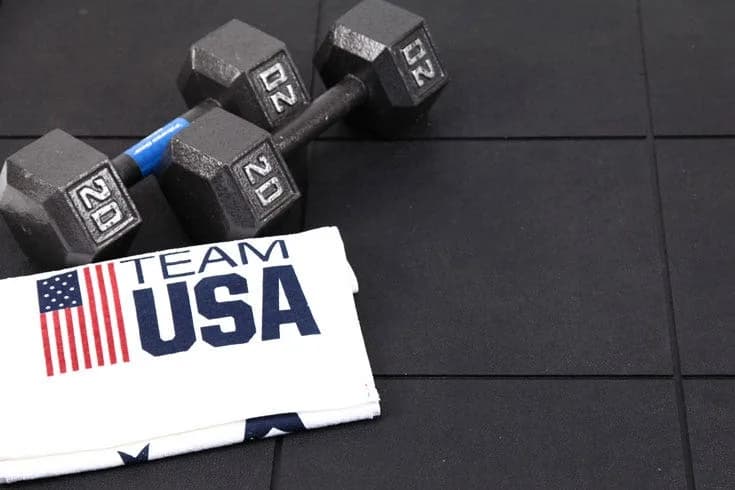
Rubber Flooring: Tiles vs. Rolls
How do you decide between tiles and rolls for your rubber flooring? Here to help you make the best choice on rubber flooring -- tiles vs. rolls.

Ken's Story: How One Man Lost 300lbs and Got His Life Back
We're sharing how one man lost 300lbs with hard work, dedication and healthy eating. From 580lbs to athlete, Ken's story is like no other.

Is Rubber Flooring Waterproof?
Learn the extent of rubber flooring's water resistance, and discover its suitable applications. Get the facts and choose the right flooring for what you need.
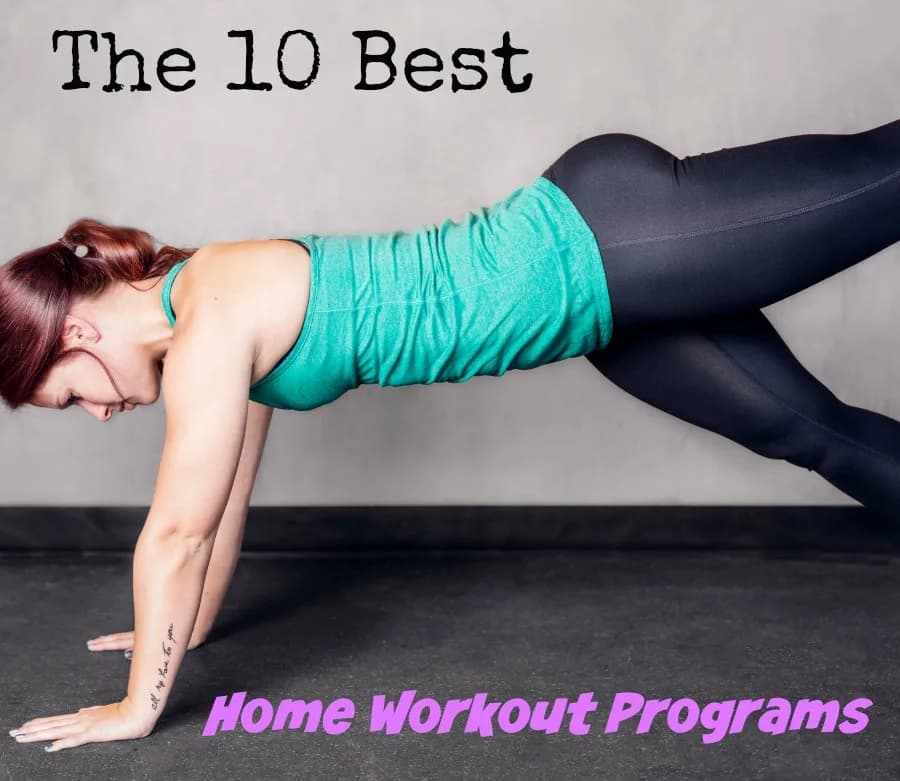
The 10 Best Home Workout Programs
Gyms can be intimidating, expensive and difficult to work into your schedule. Easily get fit at home with this collection of the best home workout programs.
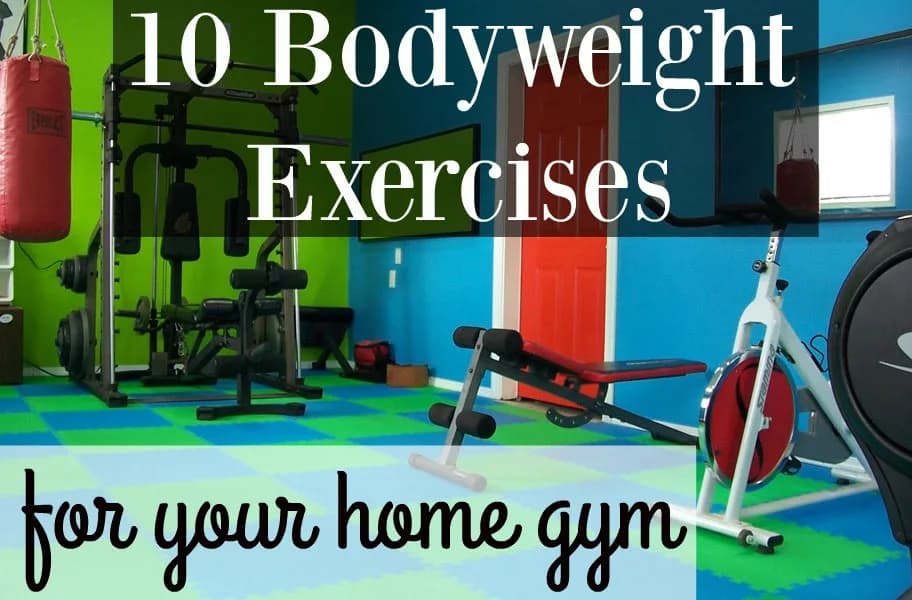
10 Bodyweight Excercises for Your Home Gym
Get solutions, not excuses, with these 10 bodyweight exercises for your home gym. No equipment necessary in these 10 moves that will make your entire body burn so good!
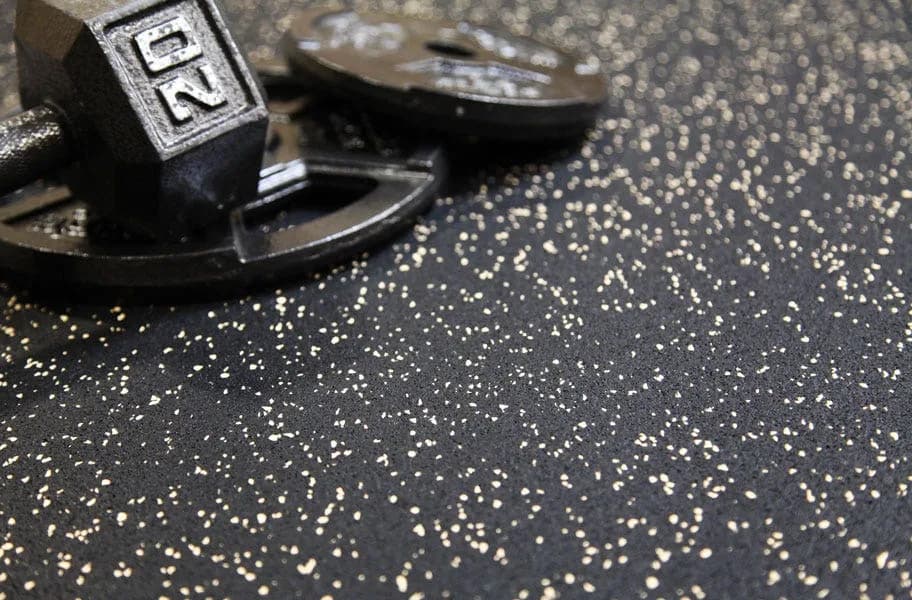
What is Gym Flooring Made Out Of?
Learn about the materials used in gym flooring and their impact on performance and safety. Discover the best option for your fitness space with Flooring Inc.

How to Choose the Best Gym Membership
Choosing a gym membership is a big deal. Whether you're a newbie or a gym rat, we can help you learn how to choose the best gym membership.
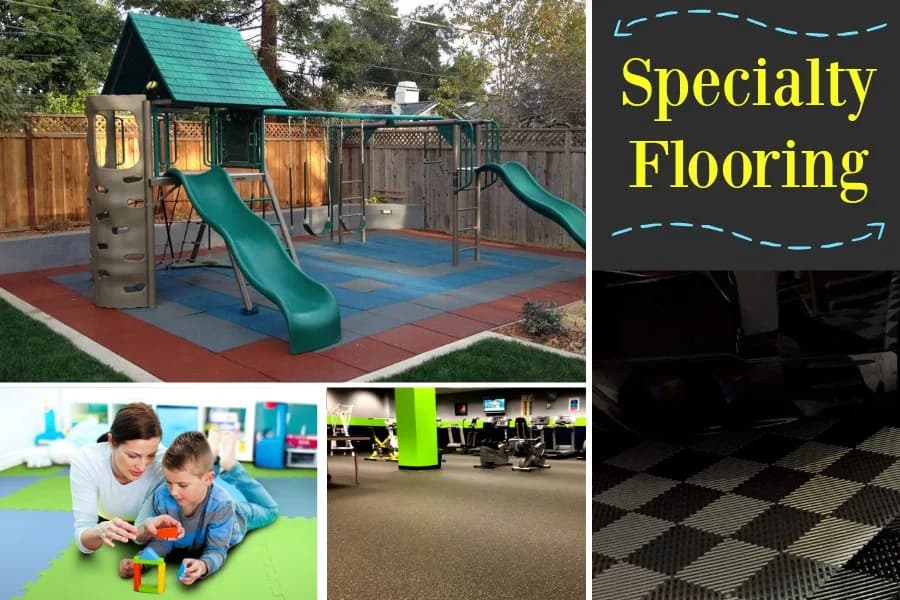
Specialty Flooring: A Floor For Every Need
Ever wonder what a gym floor is made of? Or dreamed of checkered garage? Specialty flooring covers all your bases & offers a floor for every need.
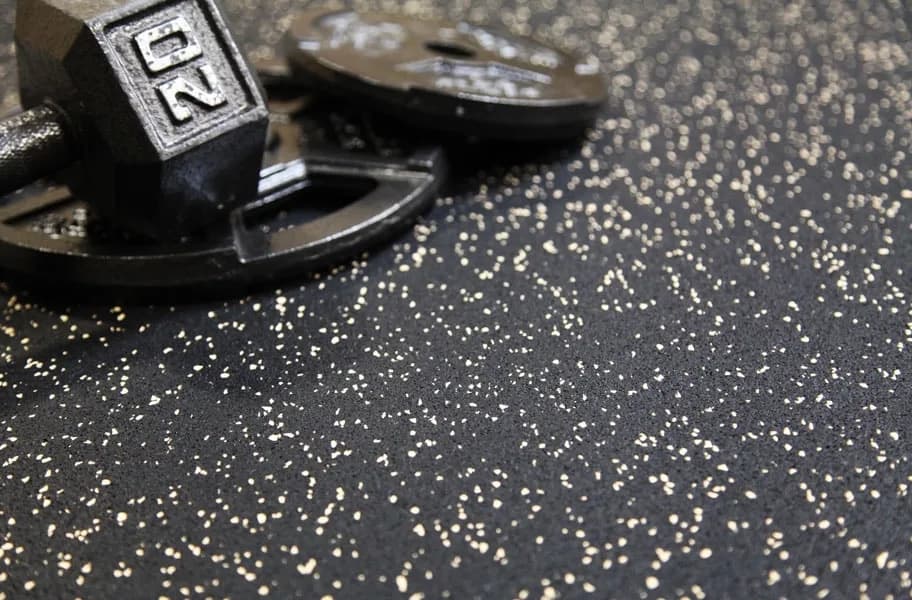
How to choose Garage Gym Flooring: What You Should Know
What kind of garage gym flooring is best for your dream garage? As the leader in rubber flooring, we have some answers.

RV Flooring Guide: Durable, Lightweight Options for Life on the Road
In search of the best RV flooring ideas to replace your old, worn-down flooring? Explore these durable, stylish, and functional options.
Garage Flooring Ideas: Tiles, Rolls, Epoxy & More
Get inspired with the latest in garage flooring ideas and work with Flooring Inc. for your next home renovation project!

The Complete Guide to Garage Floor Tiles
With garage floor tiles, you can easily create your dream showcase for your vehicles, workshop, or showroom. Explore our guide to learn more!
How to Install Rubber Flooring: 11 Tips to Know
Learn how to install rubber flooring with our step-by-step guide. Get started on transforming your space easily with Flooring Inc.
Is Rubber Flooring Toxic? Answers on Rubber Flooring Safety
Though a lot of materials go into the making of rubber flooring, quality rubber flooring remains safe for you and your family.
Rubber Floor Tiles Buying Guide
Use this all-inclusive rubber floor tiles buying guide to choose the best rubber floor tiles for your application. Learn everything from thickness to application.
Rubber Flooring FAQ: Your Questions Answered
If you’re in the market for rubber flooring, chances are it’s your first time purchasing. It can seem overwhelming at first, like a new world. Don’t worry; we’ve got all your rubber flooring questions

How to Install Rubber Flooring Rolls in 8 Steps
Get step-by-step guidance on installing rubber flooring rolls for a seamless finish. Start your DIY project with confidence—learn more today!

Contemporary Dance Floor Guide
Find the perfect dance floor with our Contemporary Dance Flooring Buyer’s Guide. We've got solutions for all skill levels and dance types.
Rubber flooring covers three very different products, rolls, tiles, and mats, and picking the wrong format is the most common mistake buyers make. Get the format right and thickness is an easy second call; get it wrong and no thickness saves the floor.
Start With the Format, Not the Thickness
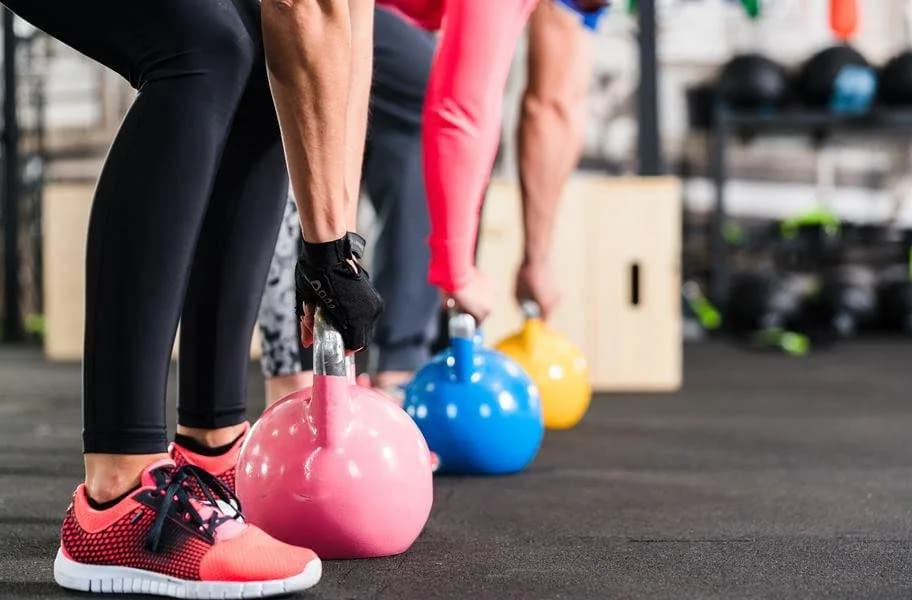
The format question comes before the thickness or color question. Rolls cover large areas edge-to-edge with the fewest seams, which is why most home and commercial gym floors use them; the rubber flooring rolls buying guide walks through thickness options and installation. Tiles interlock and are easier for one person to carry and swap out piece by piece, useful for smaller rooms or spaces where you might need to lift a section later. Mats are the answer when you need a movable, spot-treatment solution, under a squat rack, at a doorway, or in a garage bay, rather than a wall-to-wall floor. The rubber mats buying guide covers thickness and sizing for that use case. If you're still deciding whether rubber is the right material at all, what rubber flooring actually is explains where it outperforms foam, vinyl, and carpet tile and where it doesn't.
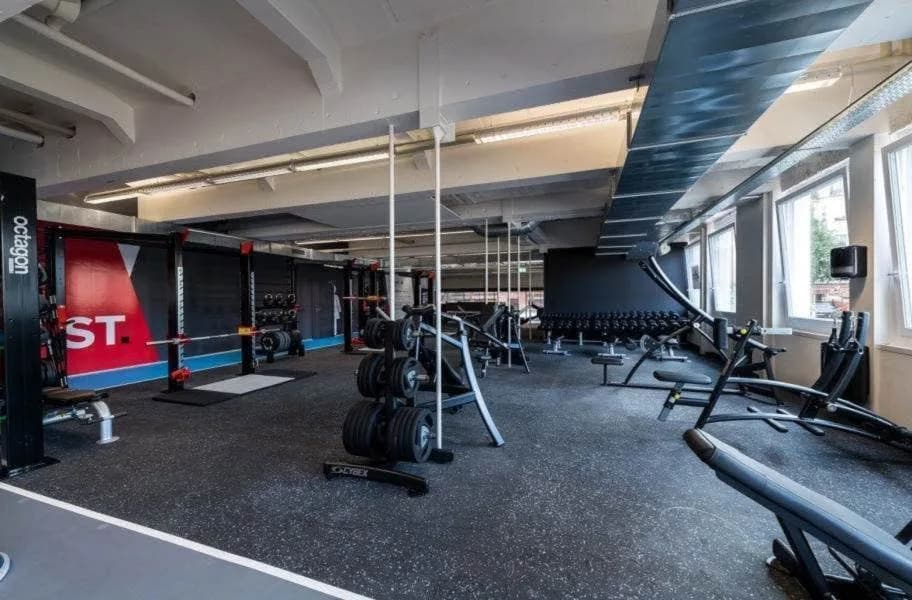
Rubber Flooring for Gyms and Commercial Spaces
Gym flooring is where rubber does its heaviest lifting, literally. Dropped weights, rolling equipment, and constant foot traffic are exactly the loads rubber rolls and tiles are built to absorb, and the commercial gym flooring guide breaks down rubber versus turf for studios and full facilities. Shop rubber rolls for wall-to-wall gym and weight-room floors (sold as Traxxon, formerly RubberFlooringInc — same manufacturing, same warranties), rubber tiles for modular home gyms or spaces you might reconfigure, and rubber mats for equipment pads and high-impact spot zones. Outdoor jobs, patios, rooftop decks, and playgrounds, need a different spec than indoor gym flooring; outdoor rubber flooring is built for UV and weather exposure that indoor rolls aren't rated for.
Matching Thickness to the Load Above It
Thickness is a load question, not a comfort question. Around 1/4" handles foot traffic, stationary cardio equipment, and general floor protection — a treadmill, a garage bay, a walkway. At 3/8" you're into rubber that absorbs the impact of dumbbells and machine-based strength work without transmitting it into the slab. At 1/2" and up you're buying for dropped weights, barbells, and platform lifting, where the rubber is doing structural work: protecting the subfloor from a loaded bar and keeping the noise out of the room below. Commercial gyms and CrossFit-style spaces generally start at 3/8" and go to 1/2" or thicker under dedicated lifting zones rather than covering the whole floor at maximum thickness.
Two things change the math. Over a suspended or upper-floor slab, sound transfer to the space below usually pushes you thicker than the load alone would. And underneath the equipment itself, a thick mat under the rack can do the job a thicker floor would otherwise have to do everywhere, which is often the cheaper way to buy the same protection.