
Home & Office Flooring
95 products
Products
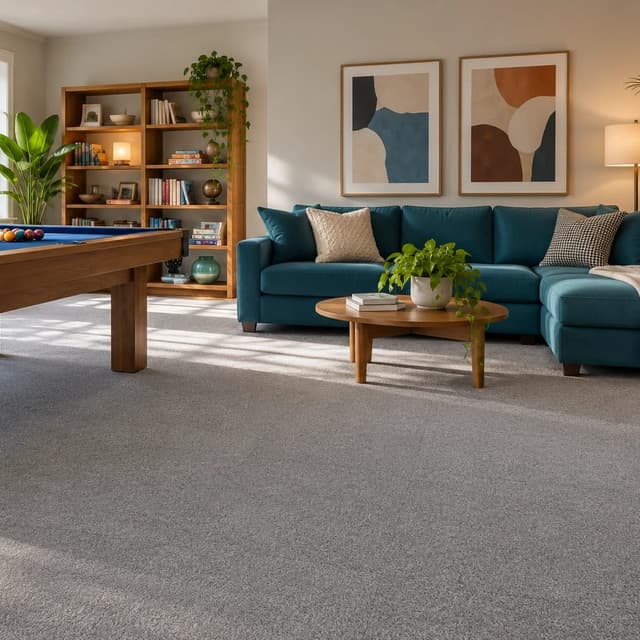 #1 Best Seller
5/8" Eco-Soft Foam Cushioned Carpet Tiles - Interlocking
4.8
Starting From:
$1.99/sqft
$3.06Save 35%29% Buy This
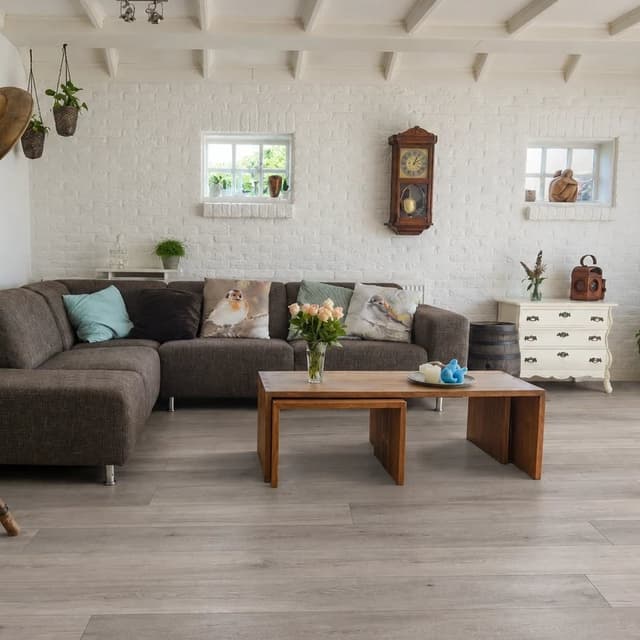 #2 Best Seller
TritonCORE Pro 7" Rigid Core Vinyl Planks - Waterproof Luxury Vinyl Flooring
5.0
Starting From:
$1.99/sqft
$3.06Save 35%11% Buy This
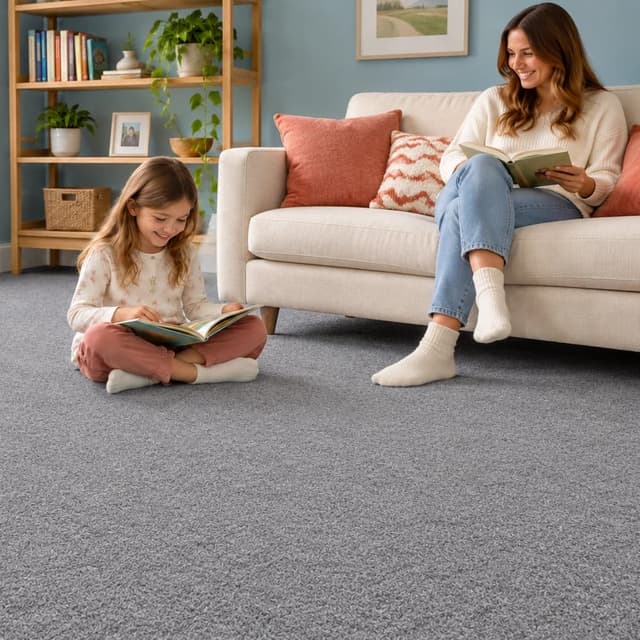 #3 Best Seller
5/8" Premium Soft Foam Cushioned Carpet Tiles - Interlocking
4.7
Starting From:
$2.25/sqft
$3.46Save 35%11% Buy This
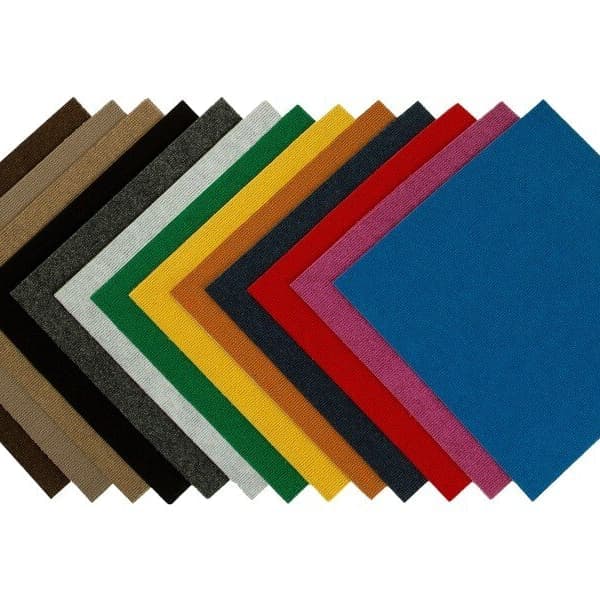 #4 Best Seller
Ribbed Carpet Tiles - Quick Ship | Peel and Stick
4.7
Starting From:
$0.99/sqft
$1.52Save 35%10% Buy This
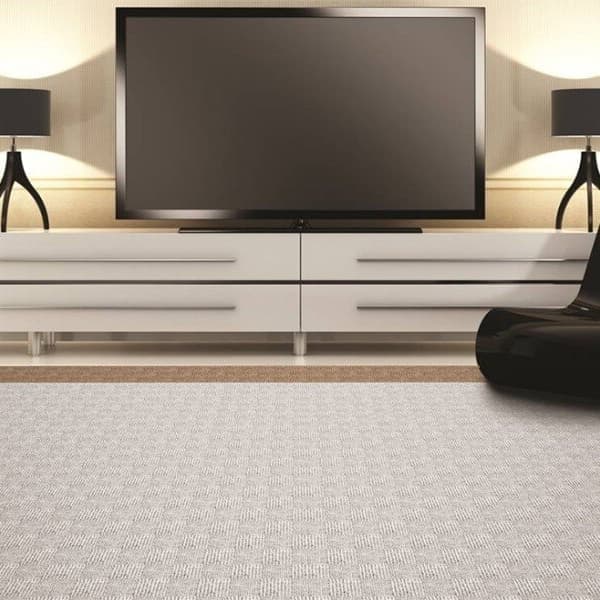 #5 Best Seller
Weave Carpet Tiles | Peel and Stick | Indoor Outdoor
4.9
Starting From:
$1.59/sqft
$1.79Save 11%10% Buy This
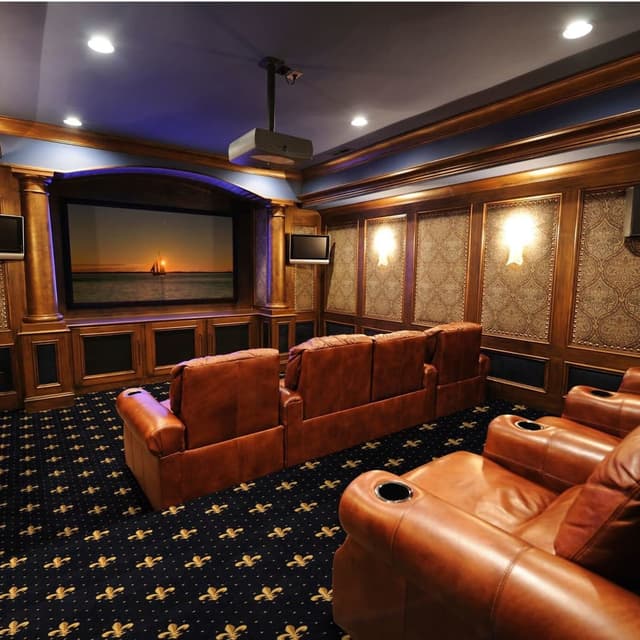

Home Movie Theater Carpet - Fleur-de-Lis | Joy Carpets
Starting From:
$4.49/sqft
5% Buy This
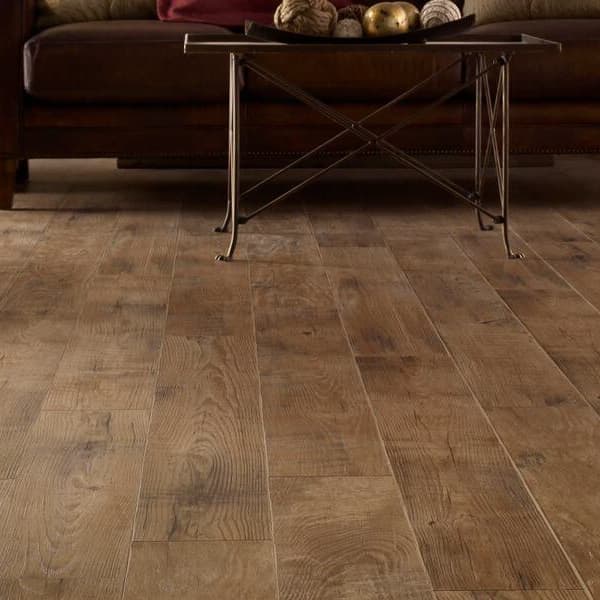

12mm Mannington Historic Oak Waterproof Laminate
5.0
Starting From:
$3.99/sqft
5% Buy This

Joy Carpets Windsor Carpet
Starting From:
$4.49/sqft
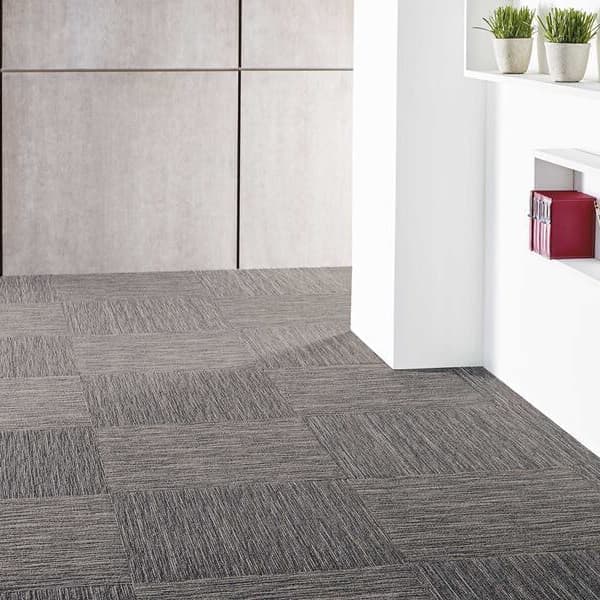

Shaw Intellect Carpet Tiles
4.5
Starting From:
$2.54/sqft
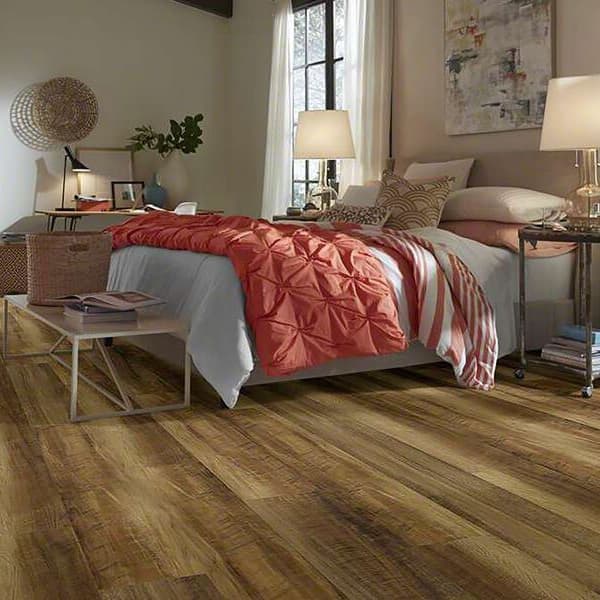
Shaw Endura 512C Plus 7" Rigid Core Vinyl Planks - Waterproof SPC Flooring
5.0
Starting From:
$3.49/sqft
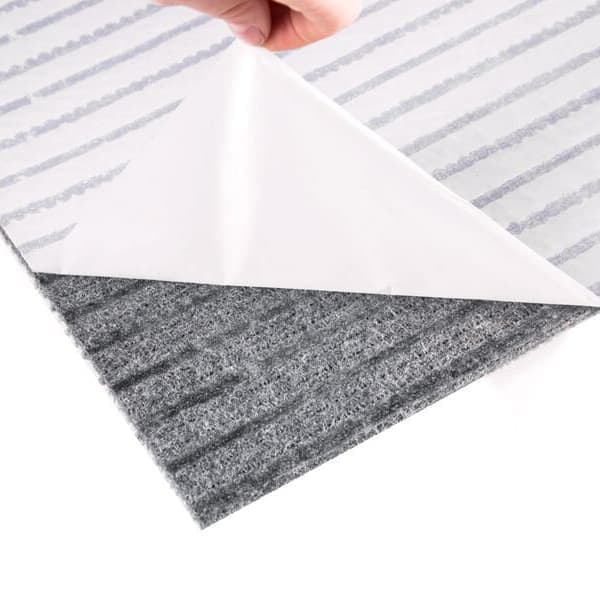
On Trend Carpet Tiles | Peel and Stick | Indoor Outdoor
4.7
Starting From:
$2.29/sqft
$3.28Save 30%
Johnson Public House 7" Rigid Core Vinyl Planks - Wood Look Waterproof Flooring
Starting From:
$6.29/sqft
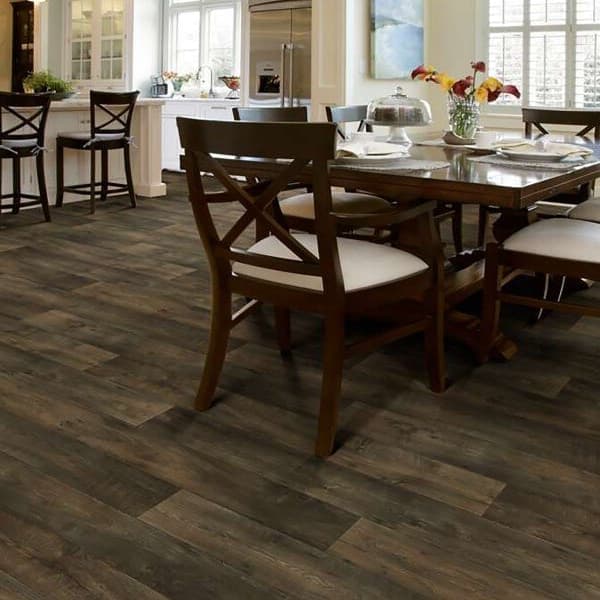
Shaw Great Plains 12' wide Vinyl Sheet - Stone Look Sheet Vinyl Flooring
5.0
Starting From:
$2.65/sqft
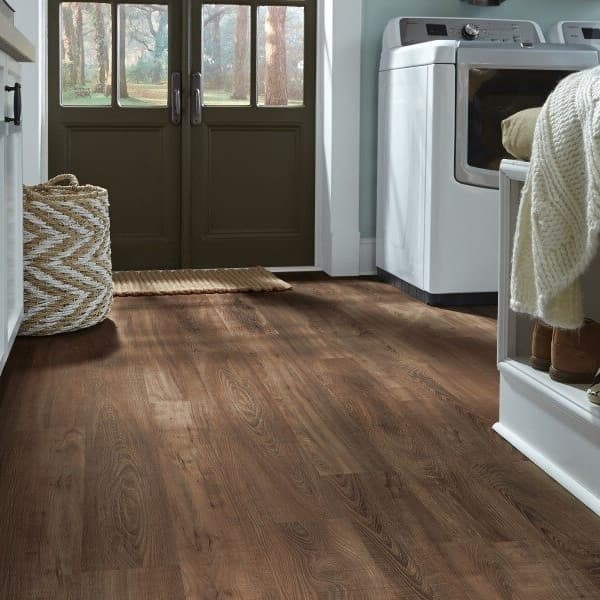

Mannington Adura 6" Rigid Waterproof Plank - Wood Look SPC Flooring
Starting From:
$5.72/sqft
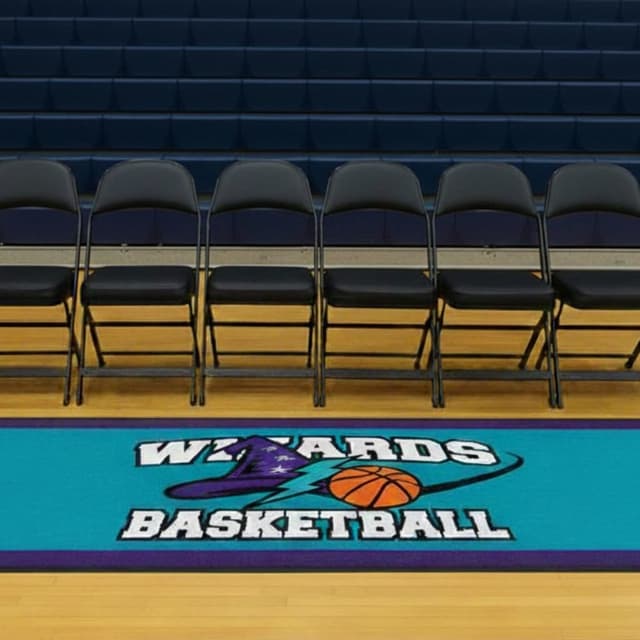
Custom Logo Floor Mats - Personalized Door Mats & Entrance Mats
Starting From:
$189.79/each
$291.98Save 35%
Mannington Adura 7" Rigid Waterproof Plank - Wood Look SPC Flooring
Starting From:
$5.46/sqft

Shaw Genius Carpet Tile
5.0
Starting From:
$2.72/sqft
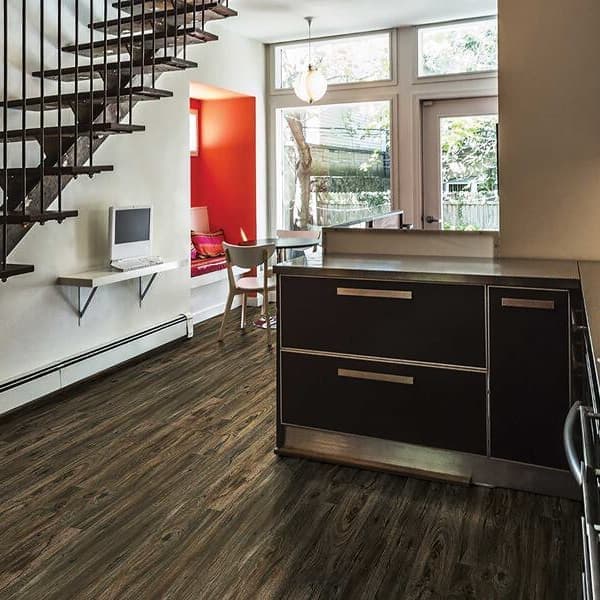
New Standard 2 Rigid Core Vinyl Planks - Waterproof Luxury Vinyl Plank Flooring
4.6
Starting From:
$3.58/sqft
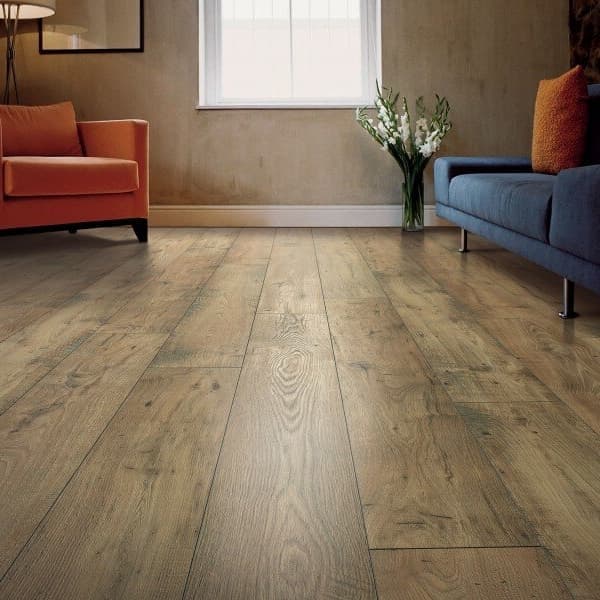

10mm Mohawk RevWood Select Rare Vintage Laminate
5.0
Starting From:
$3.16/sqft

Pietra 12" Rigid Core Vinyl Planks - Waterproof Luxury Vinyl Plank Flooring
5.0
Starting From:
$5.94/sqft
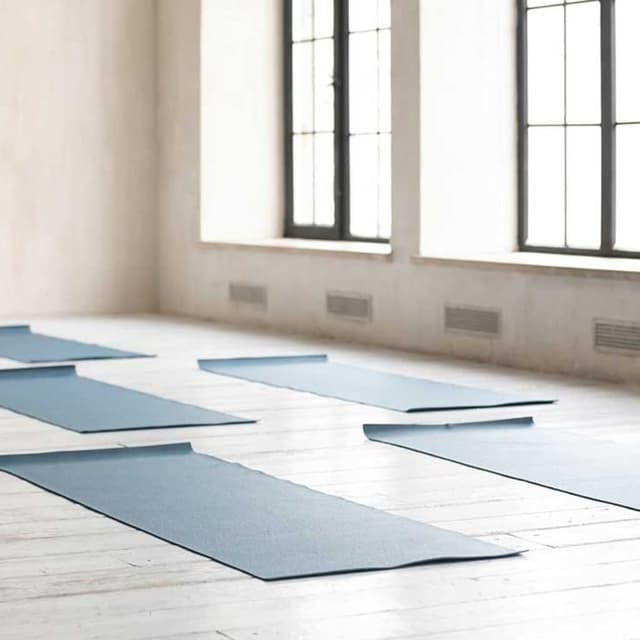
VersaRUBBER® ELITE Rubber Tile Planks
Starting From:
$9.98/sqft
$15.42Save 35%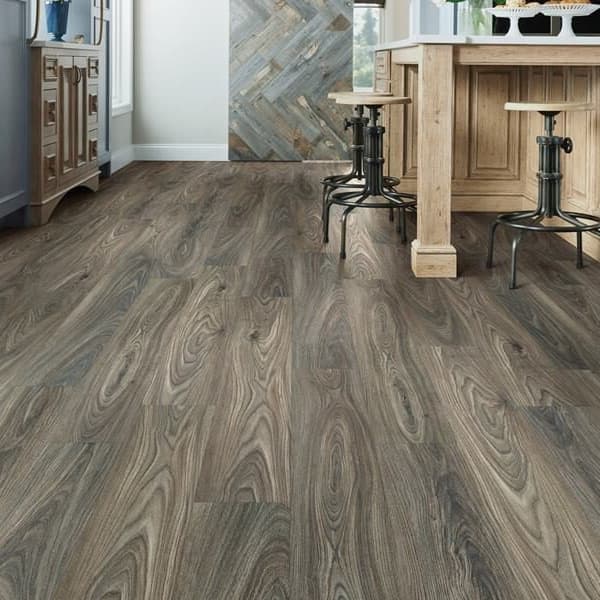
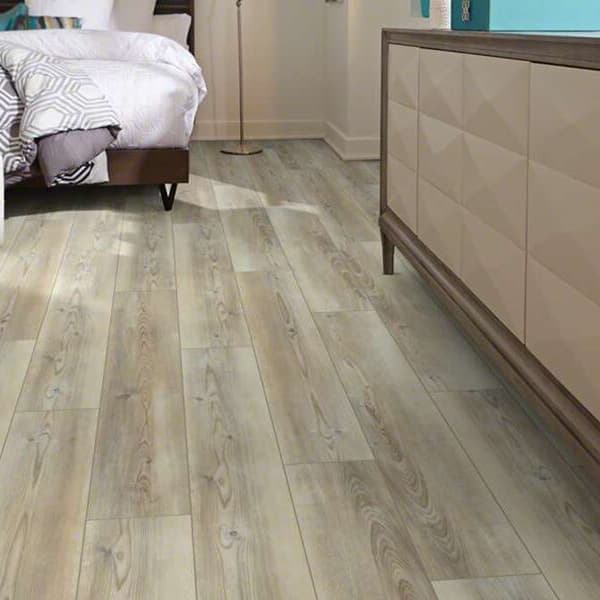
Shaw Anvil Pro Plus 7" Rigid Core Vinyl Planks - Waterproof SPC Flooring
Starting From:
$4.41/sqft
Shaw Paragon Plus 7" Rigid Core Vinyl Planks - Waterproof SPC Flooring
5.0
Starting From:
$5.79/sqft
$8.09Save 28%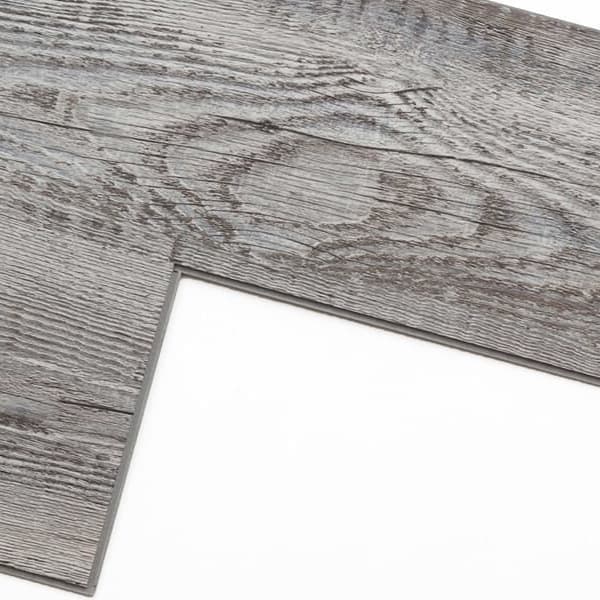
Envee 7" Rigid Core Vinyl Planks - Wood Look SPC Flooring
Starting From:
$4.49/sqft
$5.99Save 25%
About Home & Office Flooring
When selecting flooring for homes or offices, it's important to think about:
- Durability: Office floors typically experience heavier foot traffic, so durability is crucial. For homes, durability is important in high-traffic areas like kitchens and hallways.
- Maintenance: Offices may require low-maintenance flooring for efficiency, while homeowners might balance maintenance with aesthetic appeal.
- Noise Control: Sound absorption is important in multi-level homes and busy office spaces.
- Comfort: Residential spaces may prioritize comfort (like carpet or padded flooring) while offices may lean toward harder surfaces.
- Style & Aesthetics: Flooring should match the interior design, whether sleek and professional for offices or cosy and inviting for homes.
- Budget: Commercial-grade flooring can be more expensive, but it's often a necessary investment for longevity.
Other Tips
Underlayment: Consider using underlayment for sound absorption, added comfort, and moisture barriers.
Sustainability: Look for eco-friendly options like cork or recycled materials.
Installation: Professional installation is recommended for offices, but many residential options are DIY-friendly.
Carpet Flooring
Carpet flooring is a soft floor covering made of woven fibers. It comes in rolls (broadloom carpet) or modular squares (carpet tiles). Carpets can be made from natural materials like wool or synthetic fibers like nylon or polyester.
Benefits of Carpet Flooring:
For Homes:
- Comfortable and Soft: Provides warmth and cushioning, ideal for bedrooms and living spaces.
- Noise Reduction: Excellent for multi-level homes to minimize footstep noise.
- Variety of Styles: Available in countless colors, patterns, and textures to match any decor.
- Safety: Soft surface reduces slip-and-fall risks, especially for children and elderly people.
- Insulation: Adds thermal insulation, making homes feel warmer.
For Offices:
- Sound Absorption: Perfect for reducing noise in open-plan offices and conference rooms.
- Professional Appearance: Carpet tiles offer clean, modular designs for corporate spaces.
- Comfort for Standing/Walking: Softer underfoot, improving comfort in high-traffic areas.
- Easy Maintenance (Carpet Tiles): Damaged sections can be replaced individually, minimizing downtime.
Cons of Carpet Flooring:
- Stains Easily: Can absorb spills if not cleaned quickly, especially in homes.
- Allergen Retention: Carpets can trap dust and allergens if not properly maintained.
- Requires Regular Cleaning: Needs vacuuming and occasional deep cleaning to stay fresh.
- Not Water-Resistant: Unsuitable for wet areas like bathrooms or kitchens.
Top Recommendations:
Laminate Flooring
Laminate flooring is a multi-layer synthetic flooring product designed to mimic the appearance of wood, stone, or tile. It consists of:
Wear Layer: Protective, scratch-resistant top surface.
Design Layer: Photographic image that gives the flooring its realistic look.
Core Layer: High-density fiberboard for strength and stability.
Backing Layer: Provides moisture resistance and additional support.
Benefits of Laminate Flooring:
For Homes:
- Affordable: Costs significantly less than hardwood or tile.
- Easy to Clean: Requires simple sweeping and occasional damp mopping.
- Wide Design Selection: Offers styles that replicate wood, stone, or ceramic looks.
- Scratch and Stain Resistant: Great for busy households with kids and pets.
- DIY-Friendly Installation: Often uses a click-lock system.
For Offices:
- Durable for Moderate Traffic: Suitable for offices with regular foot traffic.
- Professional Look: Clean, modern finish that works well in corporate spaces.
- Low Maintenance: Saves time and resources for cleaning.
- Cost-Effective: Budget-friendly option for large commercial areas.
Cons of Laminate Flooring:
- Can Sound Hollow: Unless paired with a good underlayment, laminate may sound noisy underfoot.
- Limited Refinishing: Unless hardwood, laminate can't be sanded or refinished if damaged.
- Sensitive to Heavy Wear: In extremely high-traffic commercial spaces, it may wear faster than other commercial-grade options.
Top Recommendations:
✅ 12mm Mohawk RevWood Plus Elderwood Laminate
Engineered Wood
Engineered wood flooring is made from real hardwood on the surface, but unlike solid wood, it has multiple layers of plywood or high-density fiberboard (HDF) beneath it, arranged in a crisscross structure for stability.
Top Layer: Real hardwood veneer (oak, maple, walnut, etc.)
Core Layers: Cross-layered plywood or HDF for strength and moisture resistance.
Bottom Layer: Stabilizing backing for balance and support.
Benefits of Engineered Wood:
For Homes:
- Real Wood Appearance: Offers the beauty of hardwood at a more affordable price.
- More Stable Than Solid Wood: Less prone to warping from humidity and temperature changes.
- Versatile Installation: Can be installed over concrete, radiant heating, or existing floors.
- Moderate Water Resistant: More tolerant to moisture than solid wood (great for kitchens, basements).
For Offices:
- Professional, High-End Look: Ideal for broadlooms, executive offices, and reception areas.
- Durable for Moderate Traffic: Can handle daily office use, especially if the wear layer is thick.
- Easy to Maintain: Regular sweeping and occasional damp mopping are sufficient.
- Faster Installation: Often available in click-lock or glue-down systems to reduce downtime.
Cons of Engineered Wood:
- Limited Refinishing: Can only be sanded and refinished once or twice, depending on the veneer thickness.
- Can Be Expensive: Costs more than laminate or vinyl but typically less than solid hardwood.
- May Dent or Scratch: Less scratch-resistant than laminate or vinyl, especially in heavy commercial settings.
Top Recommendations:
✅ Shoreline Birch Engineered Hardwood Flooring
Vinyl Flooring
Vinyl flooring is a synthetic flooring material made from layers of PVC, fiberglass, and a protective wear layer. It's designed to mimic the look of natural materials like wood, stone, or ceramic tile, but with added durability and moisture resistance.
Benefits of Vinyl Flooring:
For Homes:
- Waterproof or Highly Water-Resistant: Great for bathrooms, kitchens, basements, and laundry rooms.
- Budget-Friendly: Costs less than hardwood, tile, or engineered wood.
- Scratch and Stain Resistant: Perfect for homes with pets and kids.
For Offices:
- Durable for High-Traffic Areas: Excellent for lobbies, hallways, and open office spaces.
- Easy Maintenance: Simple to clean with sweeping and damp mopping.
- Professional Appearance: Clean, modern designs that work well with corporate environments.
- Noise Dampening: Reduces football sounds, especially when paired with good underlayment.
Cons of Vinyl Flooring:
- Can Dent: Heavy furniture or sharp objects may cause dents.
- Non-Renewable: Vinyl is not biodegradable and is less eco-friendly compared to natural flooring options.
- May Feel Less "Authentic" Than Real Wood: Despite realistic visuals, some people prefer the feel of real wood or stone.
Top Recommendations:
✅ TritonCORE Pro 7" Rigid Core Vinyl Planks