
Buying Guide
Articles
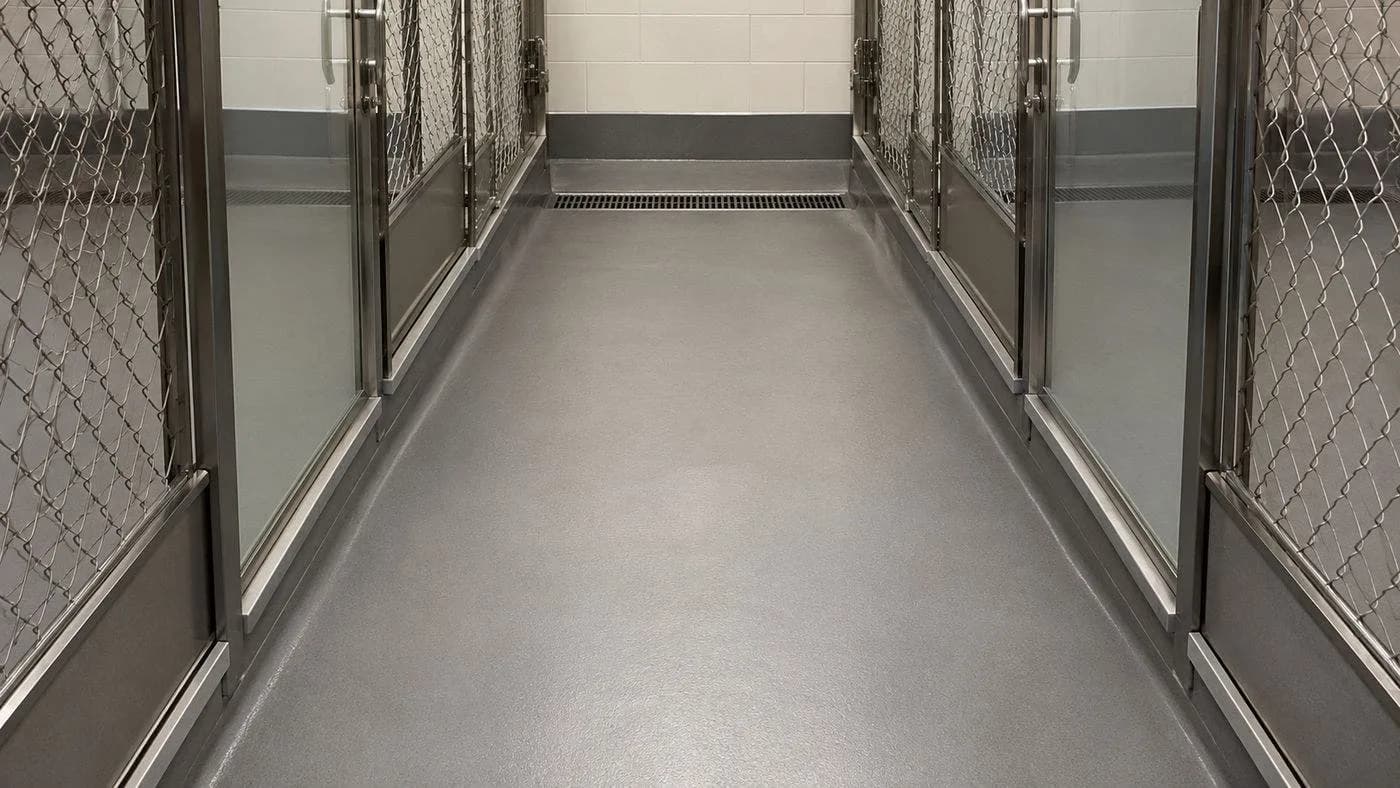
Dog Kennel Flooring: Commercial Buyer's Guide
Spec commercial dog kennel flooring that handles power-washing, urine, drainage, and 12-hour occupancy. Material picks, failure modes, and lead times.
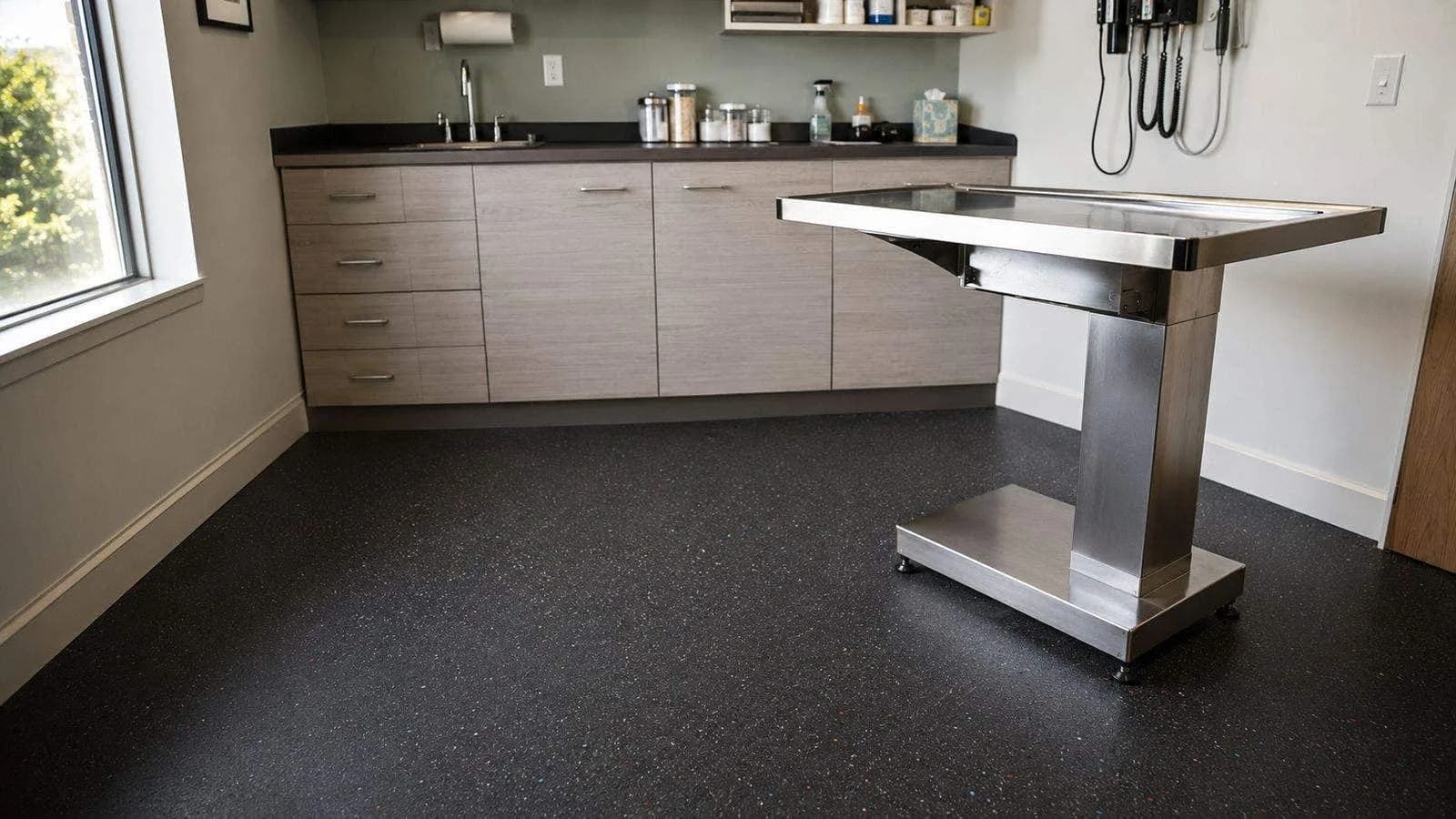
Best Flooring for a Veterinary Clinic: A Spec Guide by Zone
The best flooring for a veterinary clinic depends on the zone. What we'd spec for lobby, exam, treatment, surgical, and kennel, plus five-year failure modes.

Marley Dance Flooring: Cost, Types & Buying Guide (2026)
Marley dance flooring buying guide: compare ProStep, VersaStep & Rosco rolls, see cost per sq ft, and find the right floor for ballet, tap, jazz & more.

Expert's Guide to Rubber Flooring Rolls for Gyms
Explore the possibilities of rubber flooring rolls and advice on roll thicknesses, installation options, color variations, and more.

FlooringInc Review: Why We Beat Competitors on Value and Assurance
Compare FlooringInc to competitors. We offer the largest selection, A+ BBB rating, Price Match & 30 Day Money Back Guarantee. Shop with total confidence.
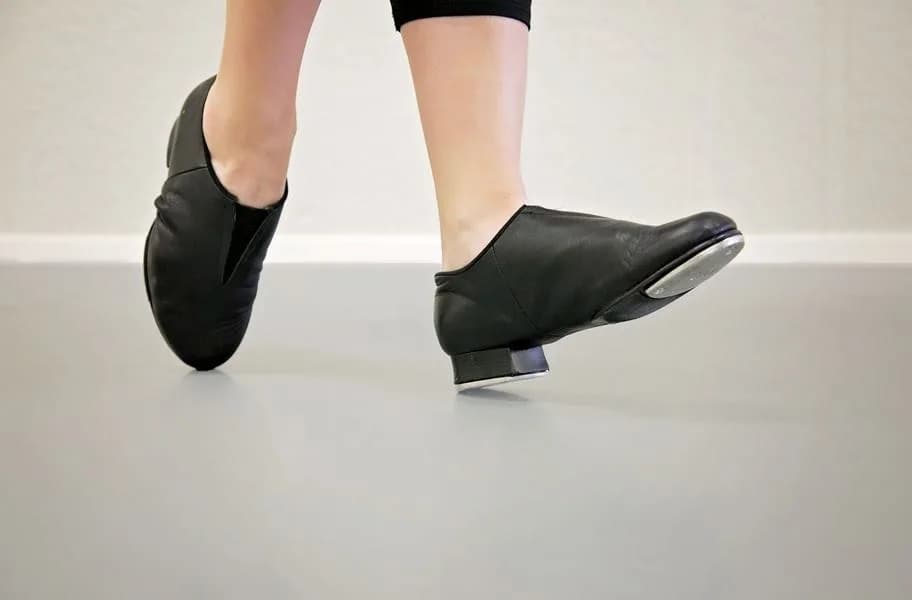
Tap Dance Flooring Buyers Guide
Find the perfect tap dance floors for your studio with our tap dancing floor buying guide. For studios, schools companies and more.
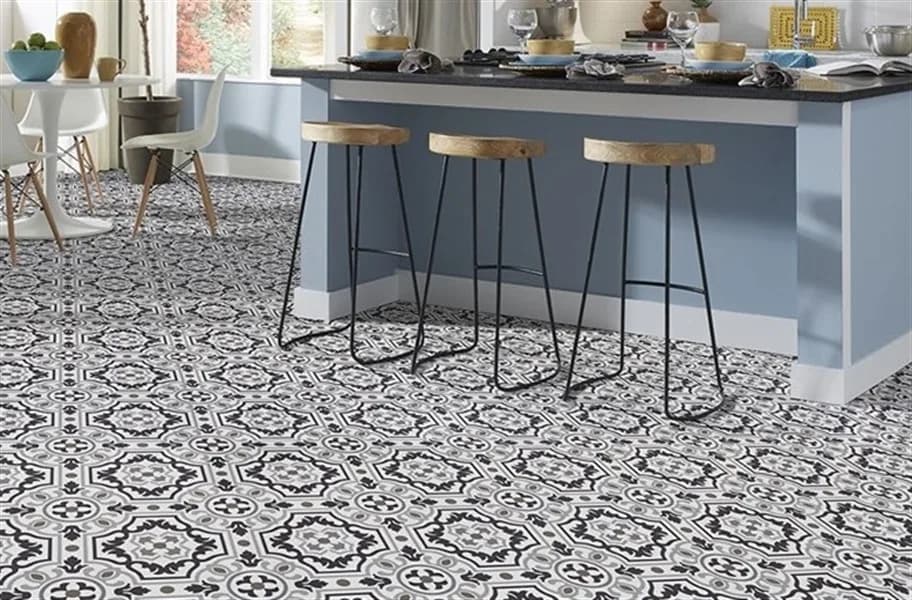
Sheet Vinyl Flooring Buying Guide
There’s a lot of misconceptions about vinyl sheet flooring floating out there, so we wanted to compile the best information on the subject.
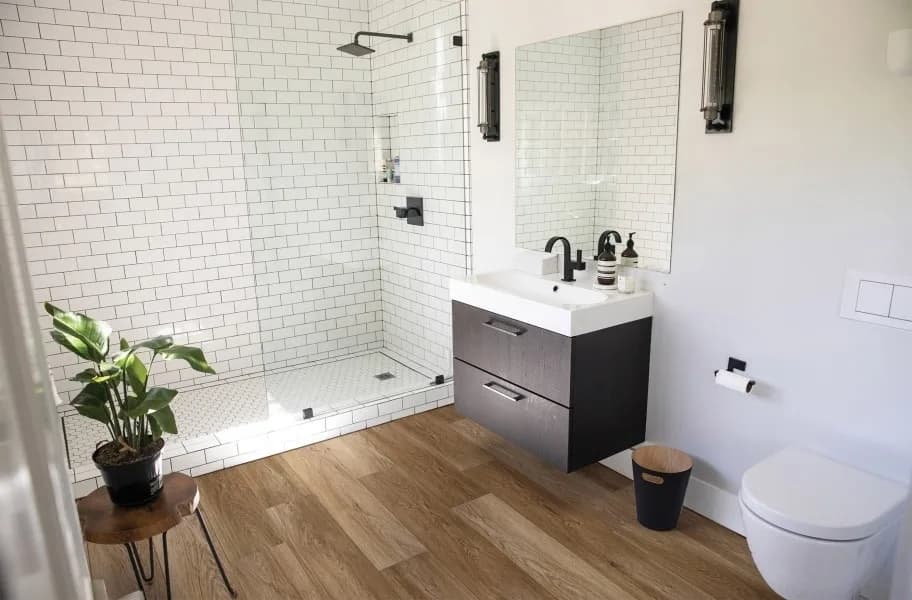
Laminate vs. Vinyl Flooring: What's the Difference?
In this Laminate vs Vinyl Flooring showdown, learn all the pros and cons of both flooring types and decide which floor is best for you.
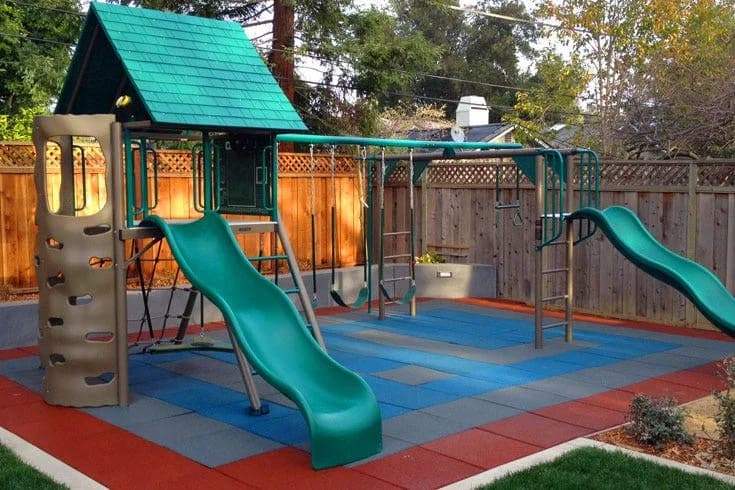
Playground Flooring Safety: The Ultimate Guide
Keep playtime both safe and fun with our ultimate guide to playground flooring safety. Fall height safety ratings, other safety surface tips & more!
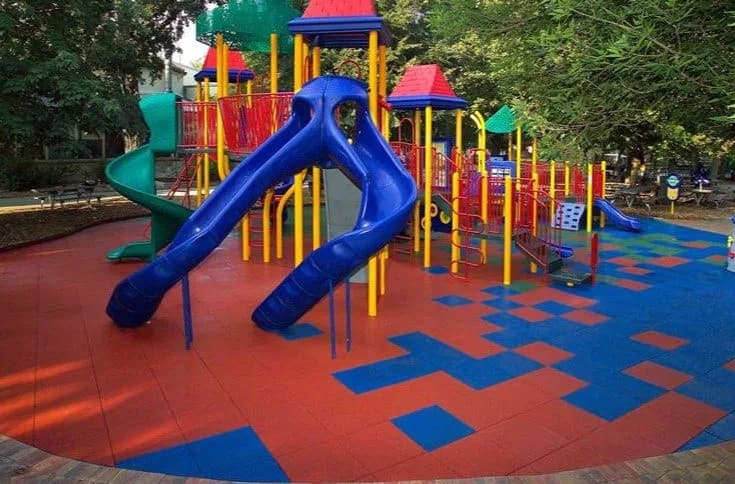
Playground Flooring Installation Cost Guide
The cost of playground flooring is probably the most important factor that goes into choosing which type of outdoor flooring you want to buy. If you’ve been stuck on deciding which playground flooring
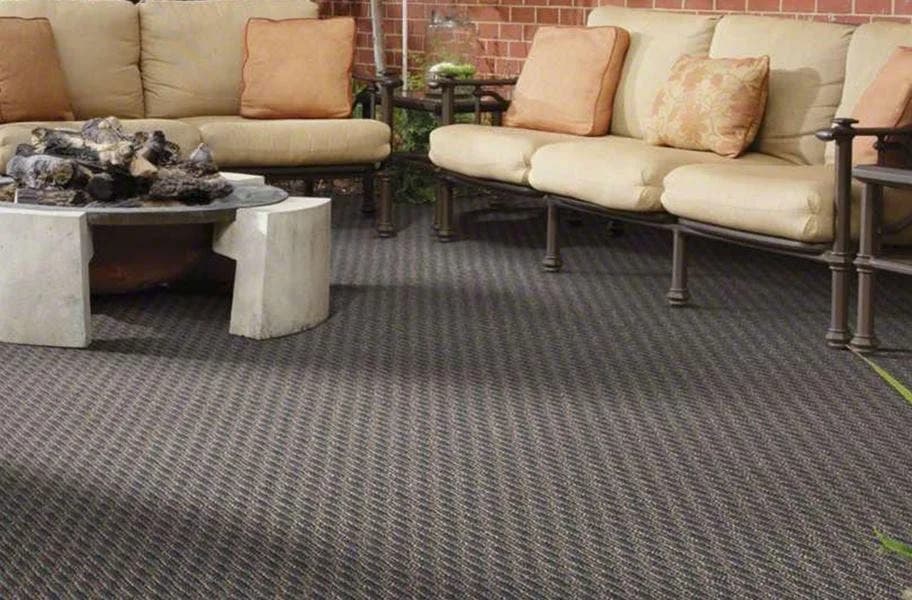
Outdoor Carpet: Everything You Need to Know
Outdoor carpet is the latest evolution of carpet technology. It’s weather resistant, mildew and mold resistant, and water resistant. There’s now no reason to NOT have carpet in your outdoor oasis.
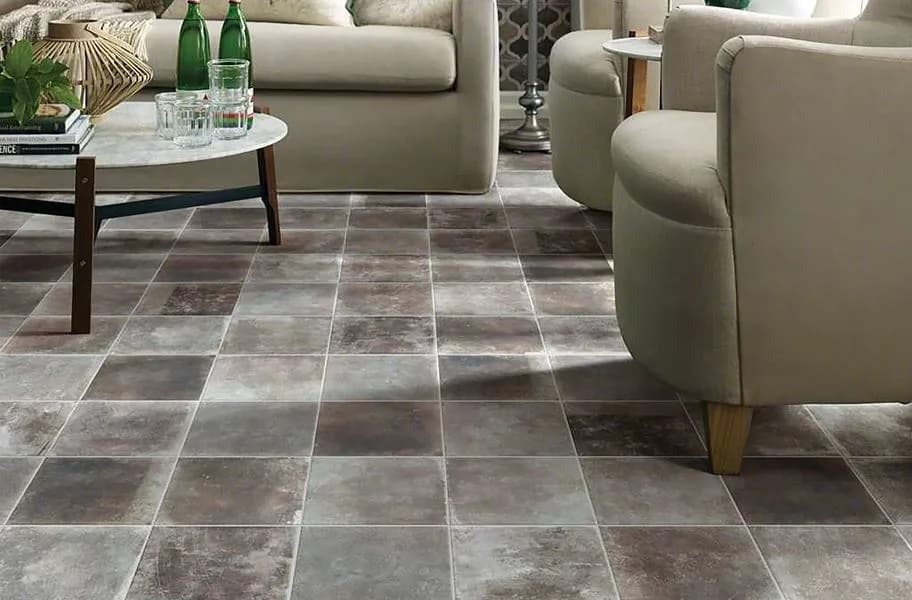
How to Tile a Floor: Step by Step Installation Guide
A DIY tile project may be challenging, but not impossible! With the right tools and enough preparation, you can learn how to tile a floor the right way.
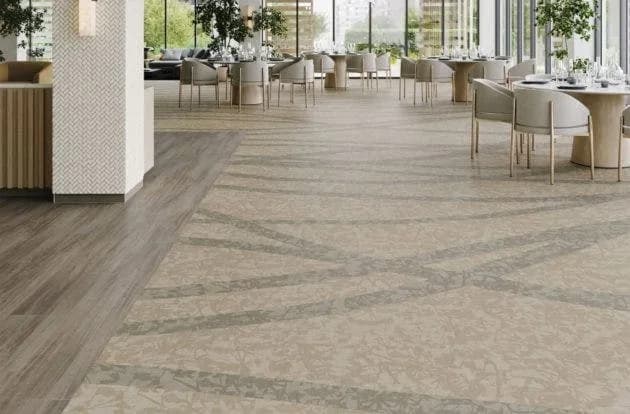
Top 5 Commercial Flooring Options: Our Expert Picks
Durable flooring is a must for high traffic commercial spaces. Learn the benefits and challenges of each of the top 5 flooring options.
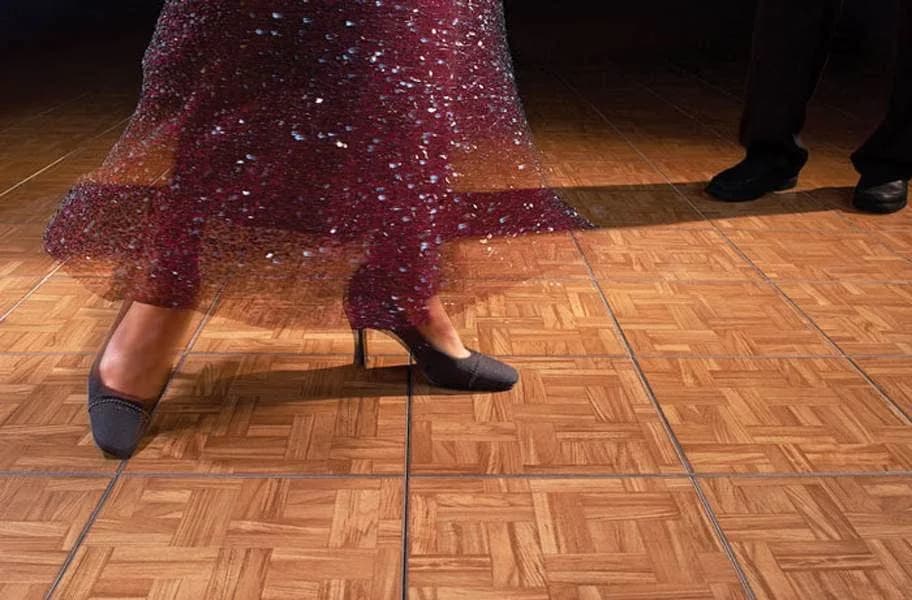
Dance Flooring Size Guide- How big should your dance floor be?
Discover the perfect dance floor size for your event with our comprehensive guide. Explore now to ensure your dance floor fits your space seamlessly!
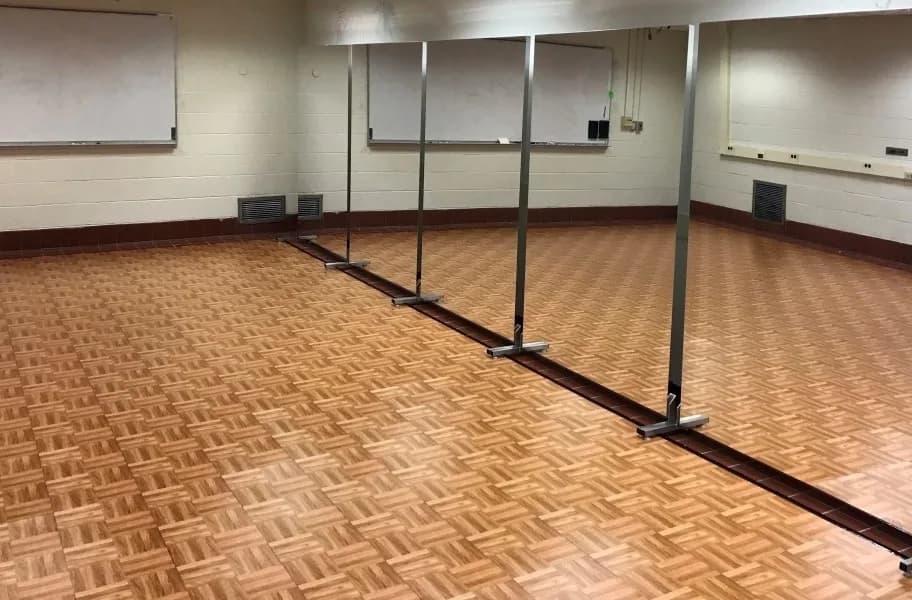
How to Clean Dance Flooring Guide
This guide will walk you through the best practices for maintaining your dance floors and keeping them clean and sanitized.

6 Laminate Flooring Myths Debunked: Get the Facts
Laminate is stylish, durable, and affordable. But there are also a lot of laminate flooring myths. Get all the facts with this guide.

6 Common Mistakes People Make When Buying Flooring
Discover the most common floor buying mistakes that people make when shopping for flooring, and learn to shop smart.
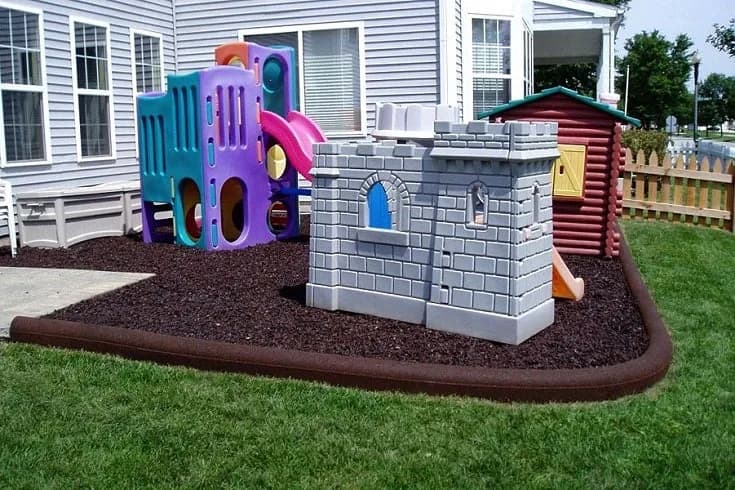
DIY Playground Flooring Installation Guide
In this guide we’ll outline two DIY installations for playground flooring, giving you all the details you need to plan your process. Learn to install rubber playground tiles and rubber mulch.
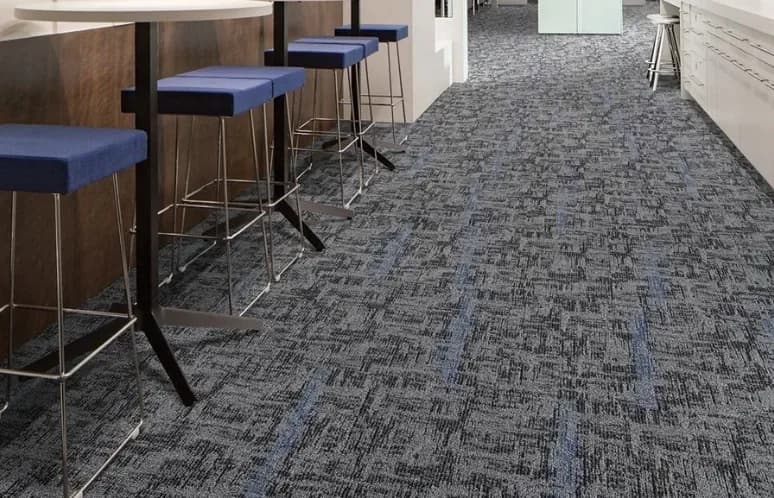
5 Reasons to Choose Carpet Tiles
Why choose carpet tiles? Carpet tiles are a recent development in flooring--learn the benefits of choosing carpet tiles!
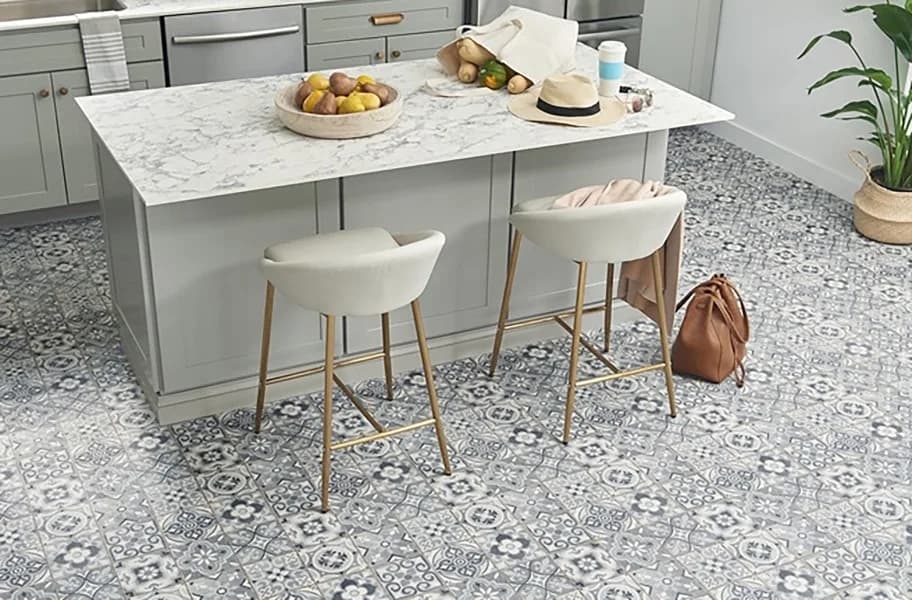
6 Vinyl Flooring Myths: Get the Facts from Our Experts
Vinyl flooring is stylish and durable, but there are a lot of vinyl flooring myths. Let’s debunk six common myths about vinyl flooring!
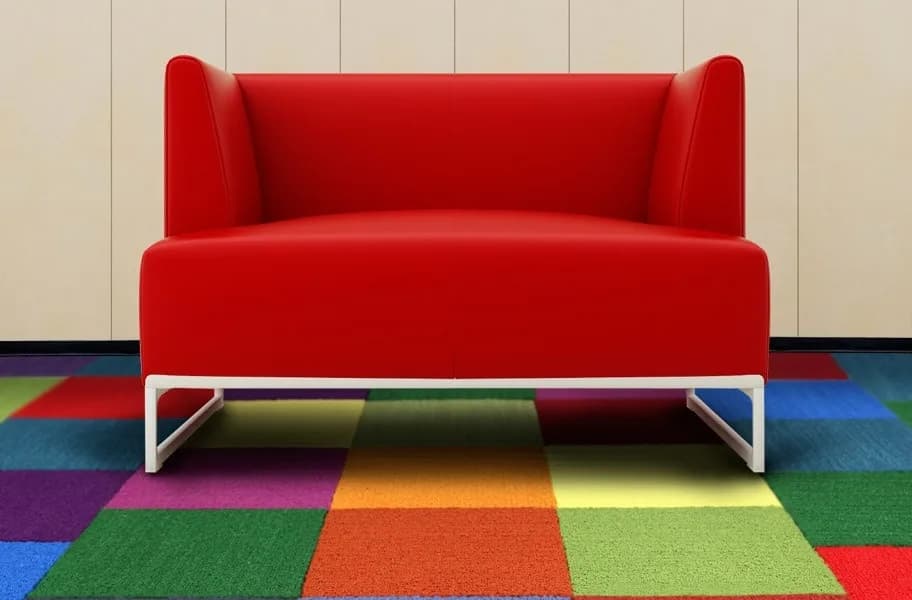
5 Reason to Choose Carpet Tile for Your Kid's Room
We are a big fan of carpet tiles and we have 5 reasons to choose carpet tiles for your kid's room instead of traditional broadloom carpet.
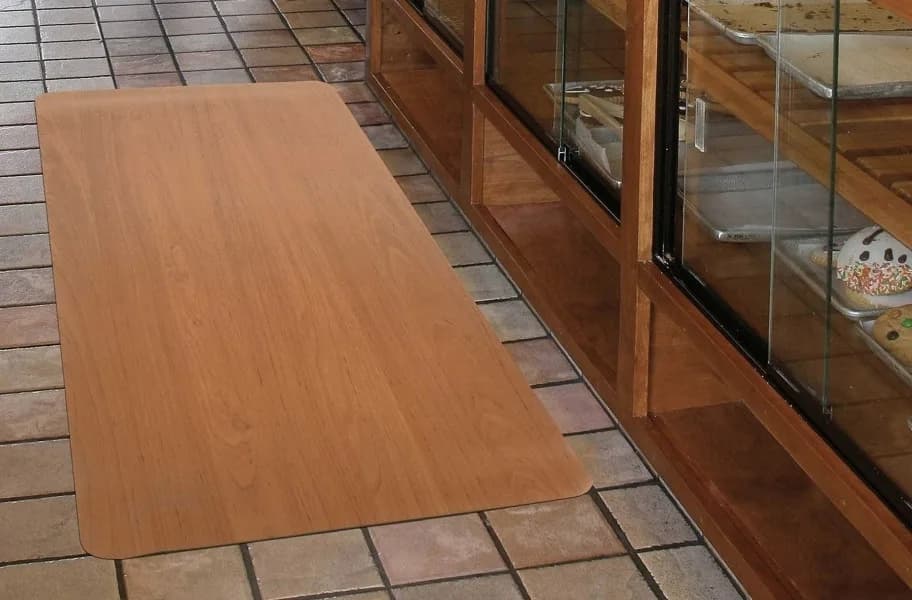
Food Truck Flooring: Choose the Right Flooring for Your Business on Wheels
Have you considered what floor to use in your food truck? Find the best food truck flooring for your business on wheels.
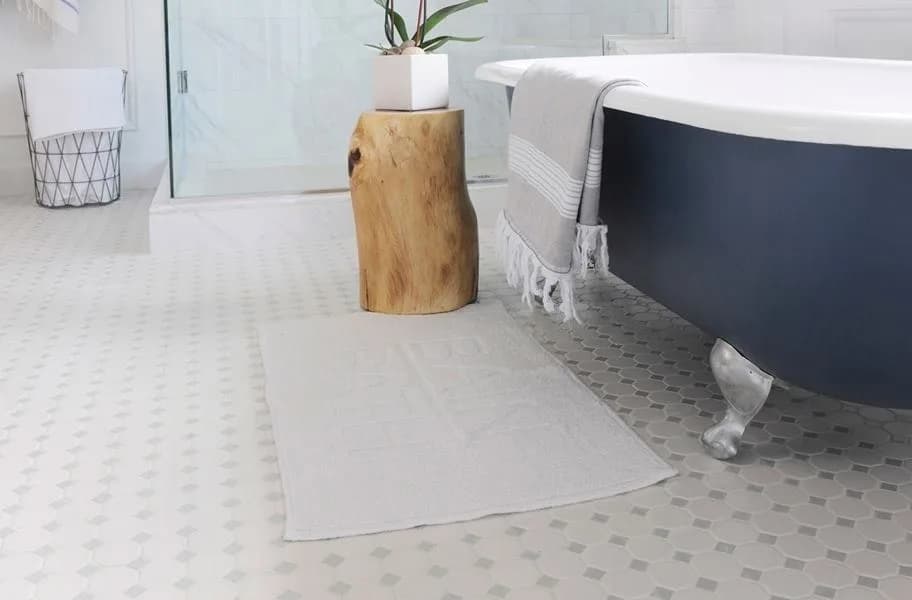
Floor Tile Buying Guide: 11+ Tips to Become an Expert
Ceramic floor tile is a water-resistant flooring option that is both durable and stylish. Perfect as a bathroom, kitchen, or shower floor tile, ceramic is a more affordable alternative to natural ston
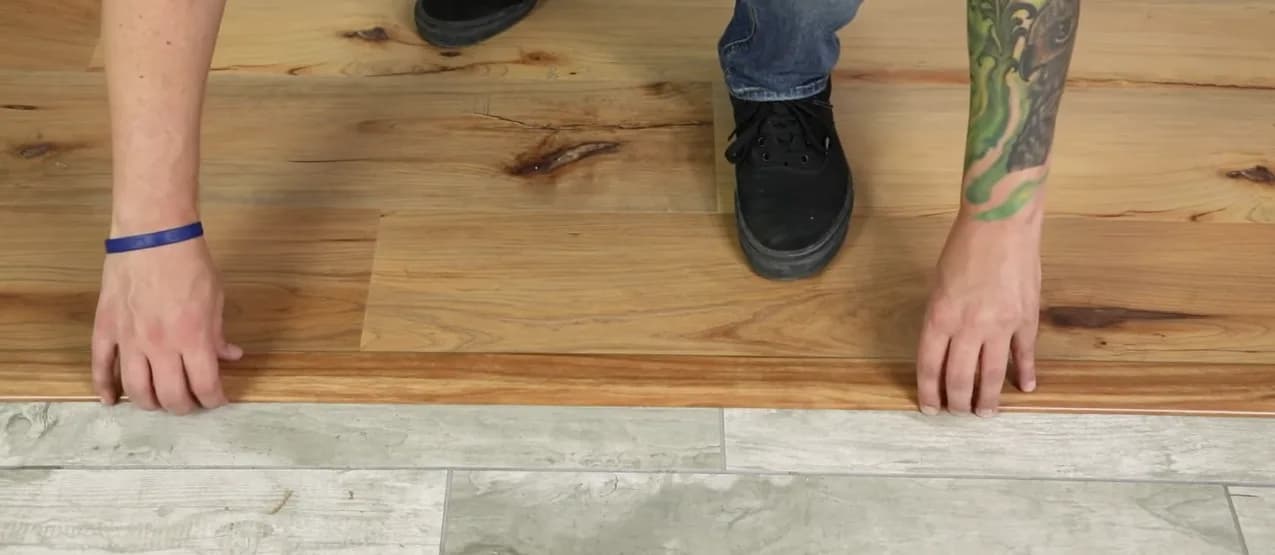
Floor Trim and Molding Buying Guide: What You Need to Know
Choosing things like baseboards and transitions is a challenge. Learn about all things trim and molding to make the choice easy and fun!
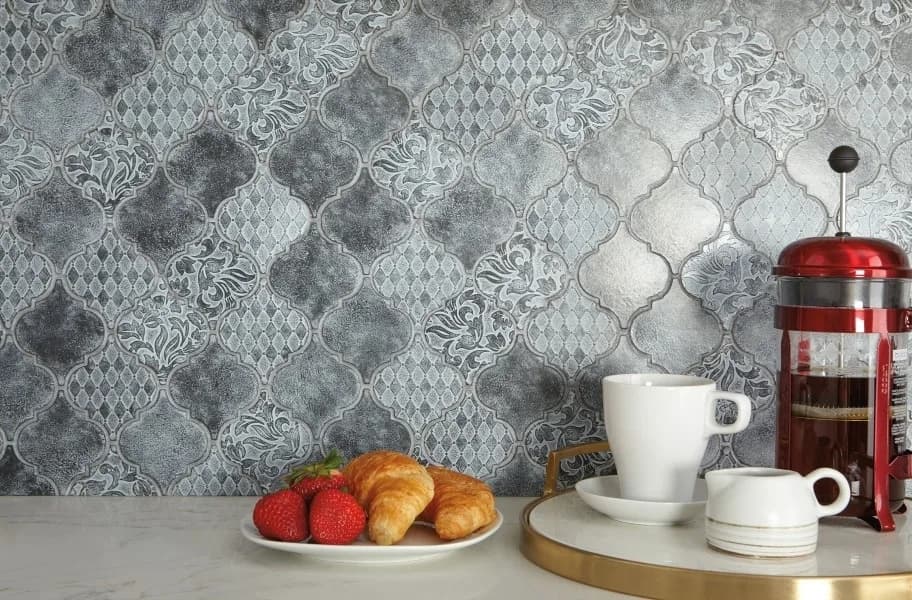
Backsplash and Mosiac Tile Buying Guide
Learn how to choose backsplash tile that will boost home value and upgrade your style. Discover the latest materials, shapes, patterns, and looks.
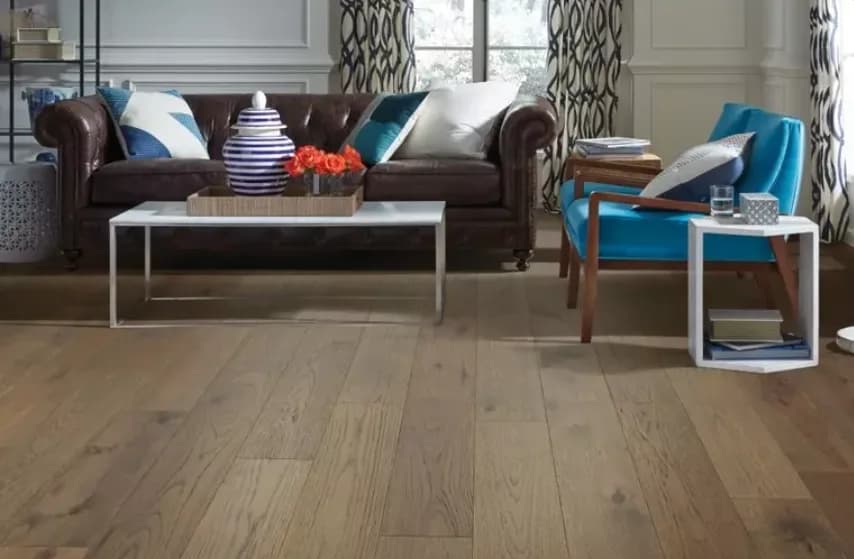
2025 Laminate Flooring Trends: 11 Ideas for Show Stopping Floors
Use these 2017 laminate flooring trends to choose a floor that is durable and stylish that will stay in style the lifetime of your floor.
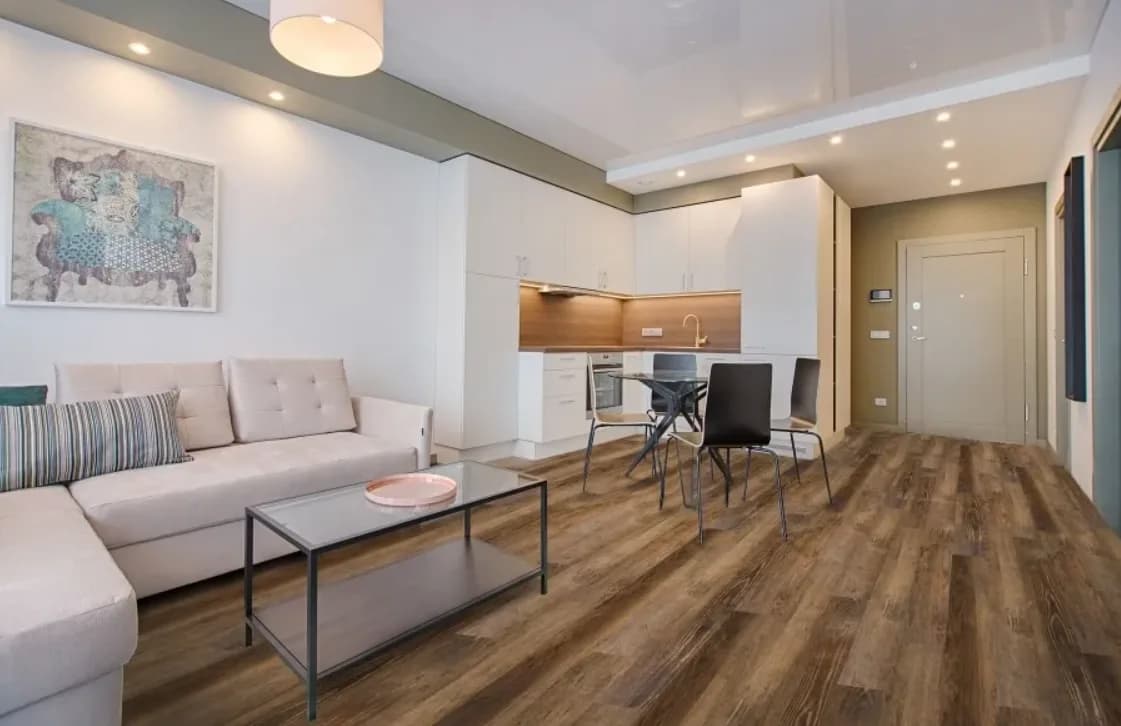
High-Variation Flooring: What You Need to Know
High-variation flooring is a popular style, but this installation mishap is all too common. This is why it’s important with high-variation flooring to take all of the planks or tiles out of the boxes
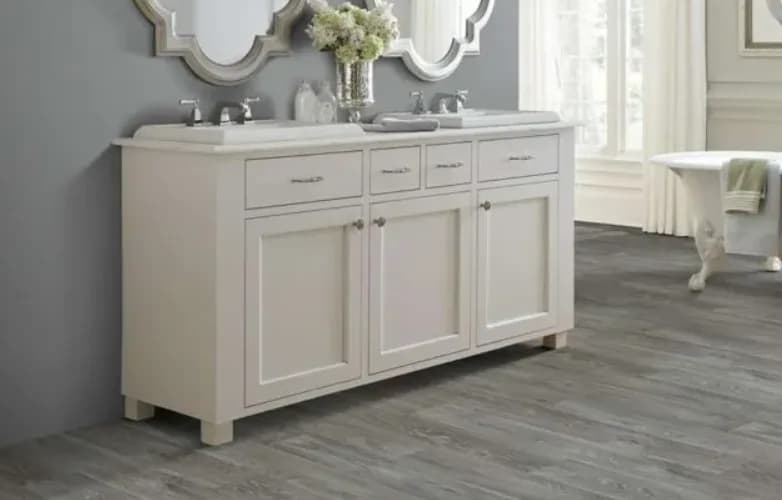
Farmhouse Flooring: 15+ Ideas for a Country Chic Home
Create the country-inspired home of your dreams! Explore our Farmhouse Flooring: 15+ Ideas for a Country Chic Home guide for interior tips!
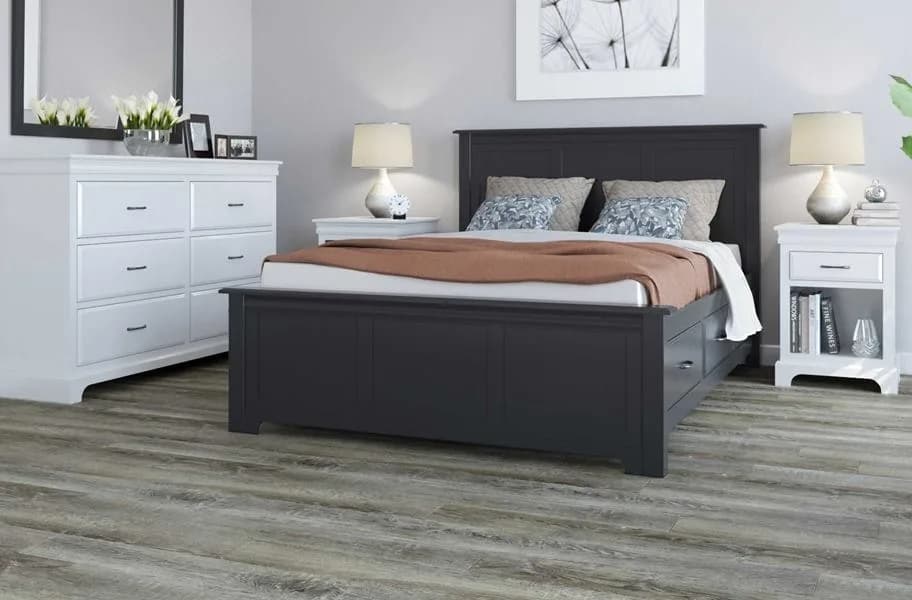
10 VInyl Plank Flooring Pros and Cons
Vinyl plank flooring is one of the most popular floor types available today. Consider these vinyl plank flooring pros and cons today if you are in the market for new flooring.
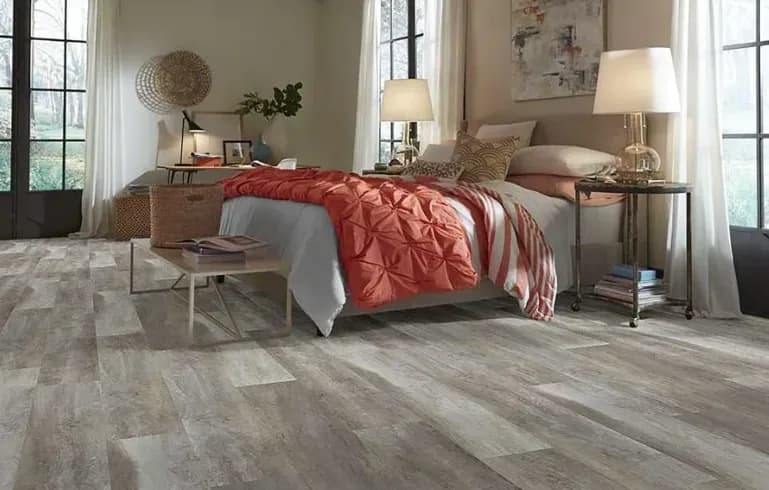
Cheap Flooring Ideas: Keep Your Budget and Style
Cheap flooring ideas that has the guaranteed bang for your buck for your floors to make a statement and last, without wasting your budget.
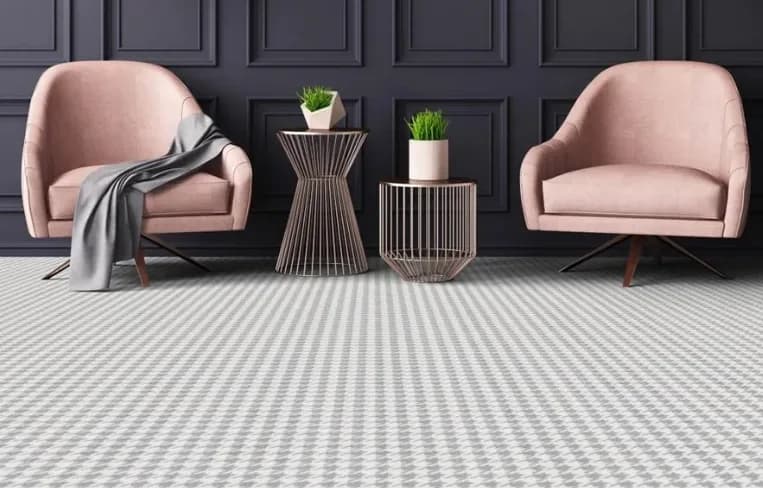
Carpet vs. Tile Flooring: Which is Better?
So you're ready to redo the floor in your home, but you're not sure what to go with? We've got your questions answered about carpet vs. tile and more!

2025 Carpet Installation Cost Guide
Carpet cost is going to be one of the most important factors when buying carpet. Whether you’re a first-time buyer, or replacing old carpet, we crunched the numbers to find you the best deal. Check ou
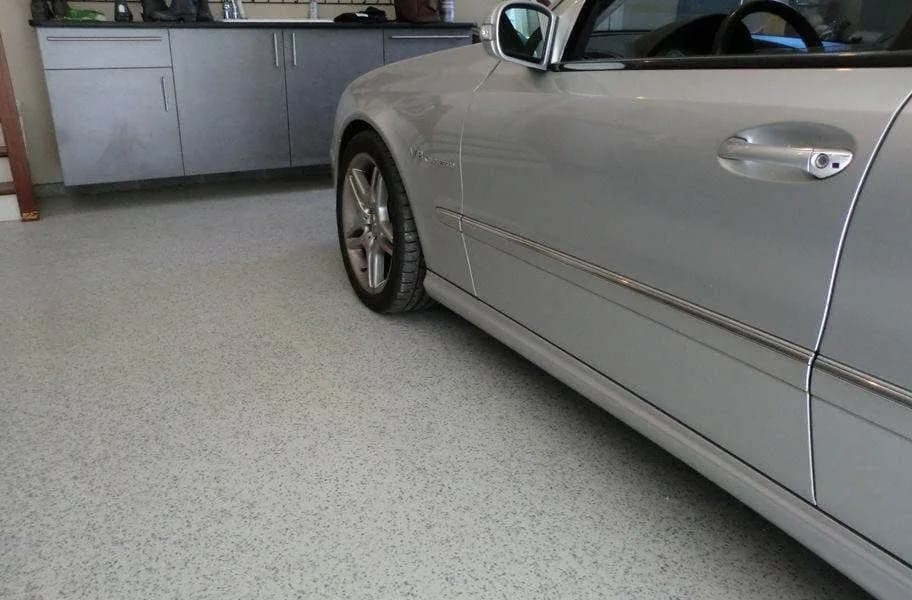
Benefits of Epoxy Garage Floor: 5 Game-Changing Advantages
Unlock 5 incredible benefits of epoxy garage floors. Upgrade your space with top-rated epoxy solutions today from Flooring Inc!

Can Rubber Gym Floor Mats Damage Hardwood Floors?
A lot of the time, rubber mats don’t cause any issues over hardwood, but there are some important facts you should know.

Dance Floor Tile Buying Guide: 10+ Things You Need to know
Find the best dance floor tiles for your studio, home practice space or special event, and learn the ins and outs of tiles by dance style!

Composite Decking Buying Guide
Composite decking gives you the beauty of a natural wood deck without all the hassle. Here's everything you need to know to create your dream deck!
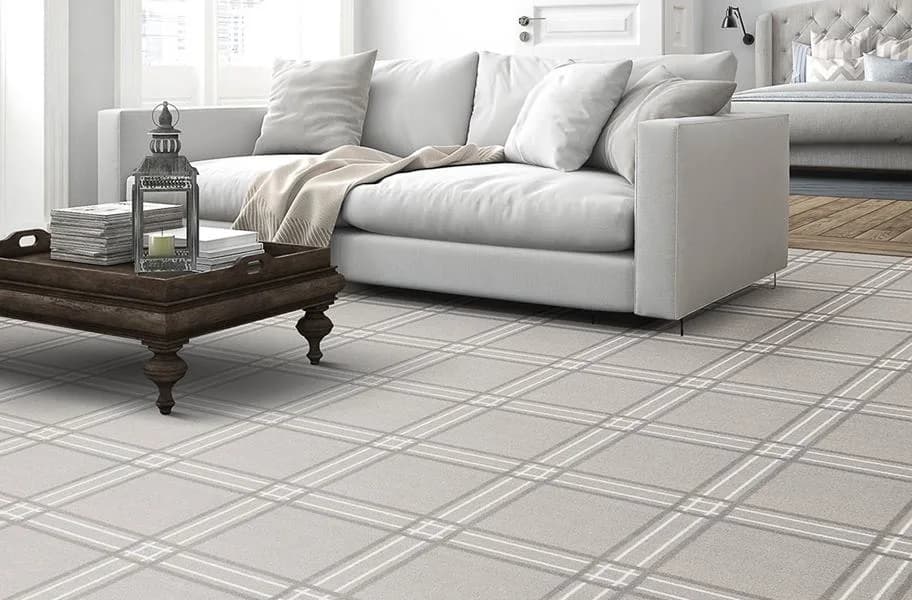
Broadloom Carpet Guide: Everythig You Need to Know
Still unsure about broadloom carpet? Let me give you the lowdown on everything carpet and get you on the right path for your favorite flooring.

Commercial Gym Flooring: Everything Rubber and Gym Turf
Find the most durable floor for your commercial gym or fitness studio with our commercial gym flooring buying guide.

Commercial Carpet Buying Guide: What You Should Know
Considering commercial carpet for your home or business? Discover the pros and cons of high traffic carpet, installation options, and more.

How to Choose the Best Putting Green Turf: Ultimate Guide
Learn everything you need to know about putting green turf to get your short game up to par. It's time to set up your own putting paradise and get swinging.
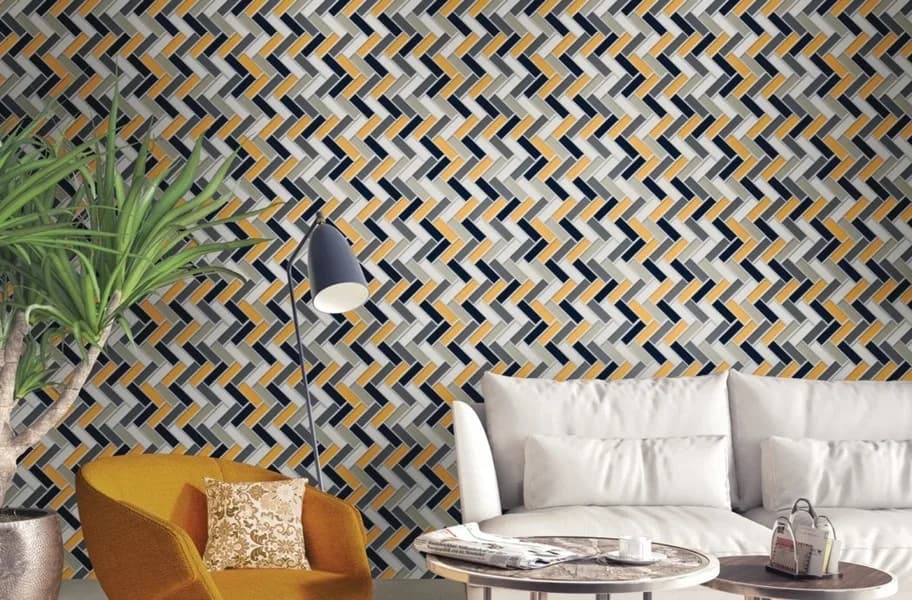
How to Choose Tile: Style Tips From an Interior Designer
When learning how to choose tile, it’s important to consider your space. These expert design tips will help you make the right choice for you.
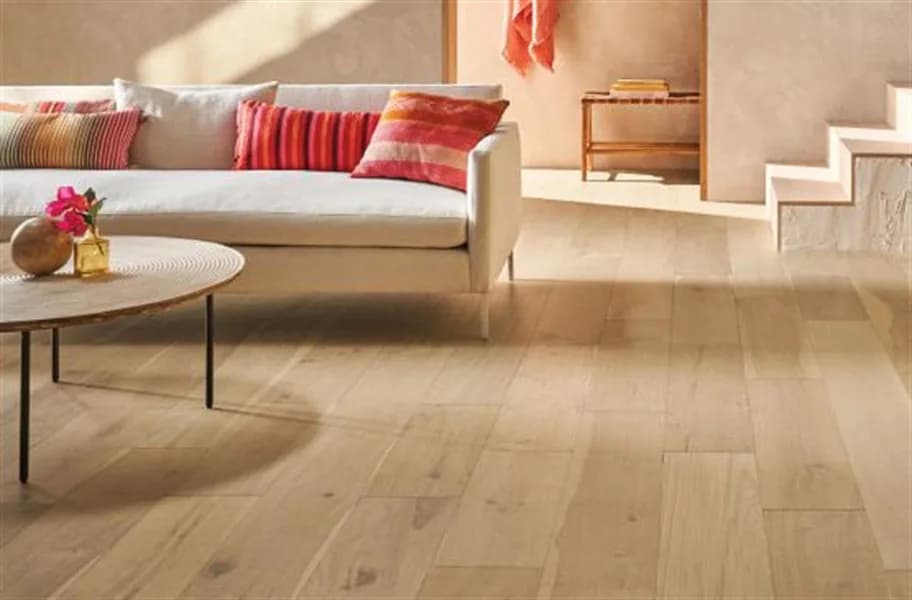
Engineered Wood vs Hardwood: What's the Difference?
Ever wonder what engineered hardwood actually means? We're getting down to the details on engineered hardwood vs hardwood to share what sets them apart.

2025 Rubber Mat Guide: Everything You Need to Know
Explore our Rubber Mats Buying Guide! We’ll cover the benefits, thickness options, top recommendations, install advice, and more.
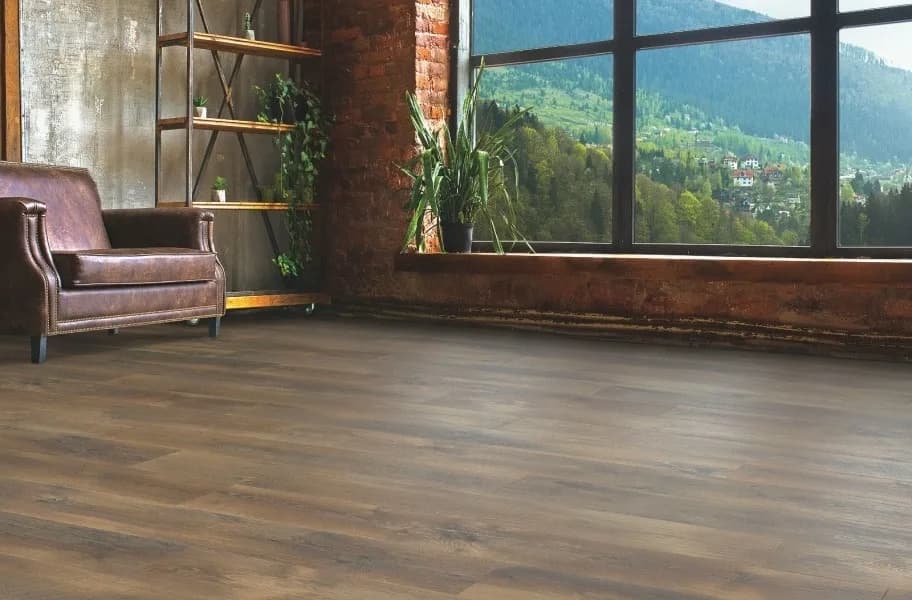
Engineered Hardwood vs. Laminate Flooring
Not sure whether to go with engineered hardwood vs. laminate flooring for your home remodel? Here's everything you need to know to make your decision.
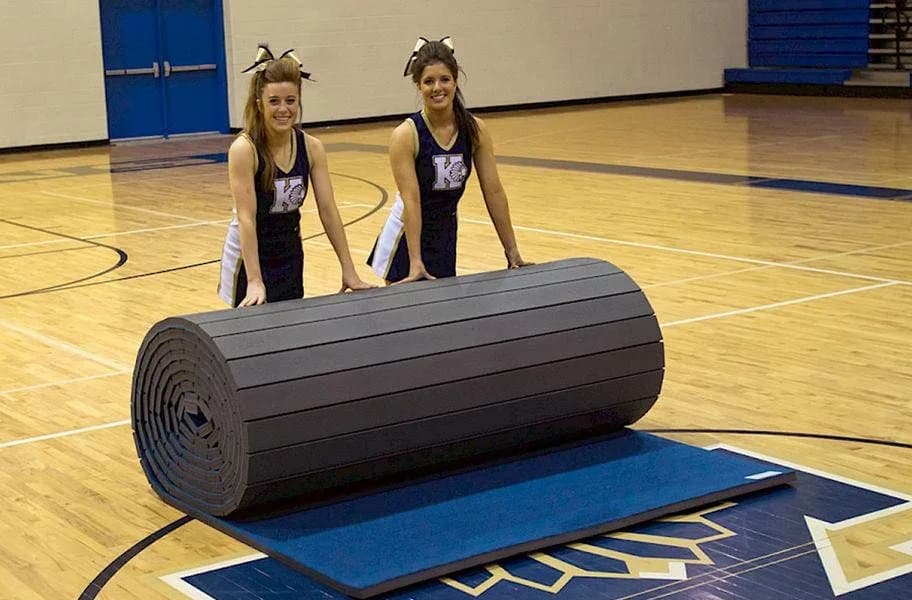
Cheer Mats
Affordable at-home cheer mats are the perfect, safe option for at home cheer practice, martial arts, yoga and more!

Flooring Sales Gimmicks: How to Avoid Pricey Hidden Fees
Discover the most common flooring sales gimmicks and learn how to avoid falling victim to these sales traps.

How Much Does Composite Decking Cost?
Find out how much composite decking costs with our comprehensive pricing guide. Get all the details and start planning your dream deck today!
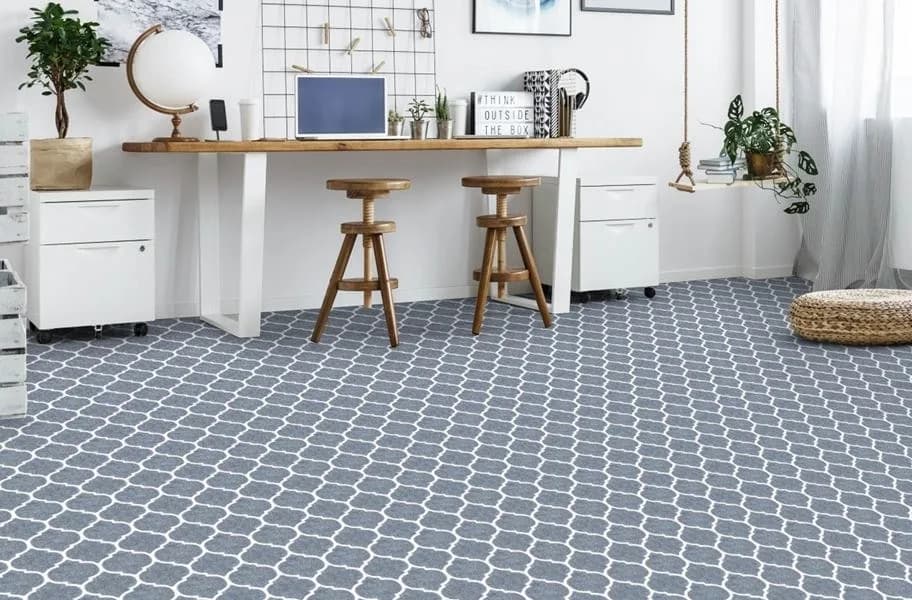
Flooring Pattern Repeat and Drop Matches Explained
The trick to getting a flooring pattern match for carpet rolls or vinyl sheets is to understand pattern repeats, from standard match to drop match.
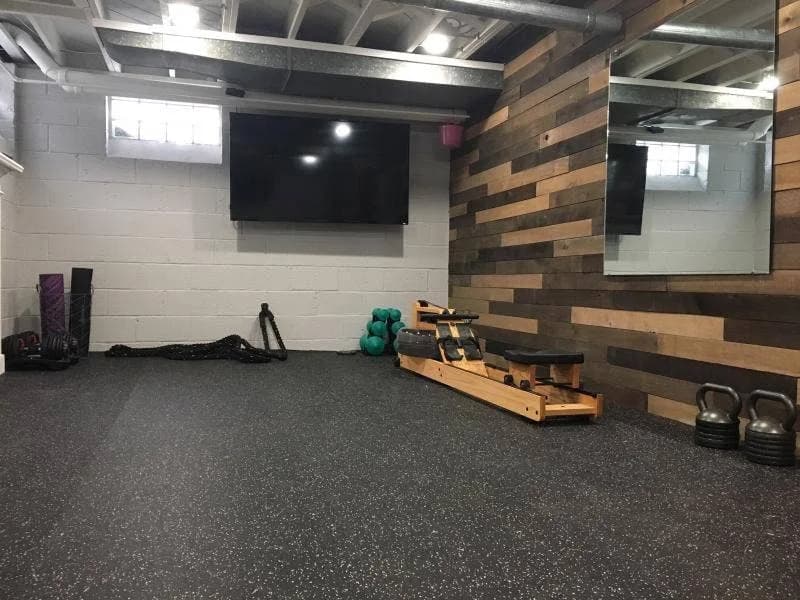
Size Guide for Rubber Flooring Rolls
Find the perfect fit with our rubber flooring rolls size guide. Get the details you need to make the right choice—check it out now!
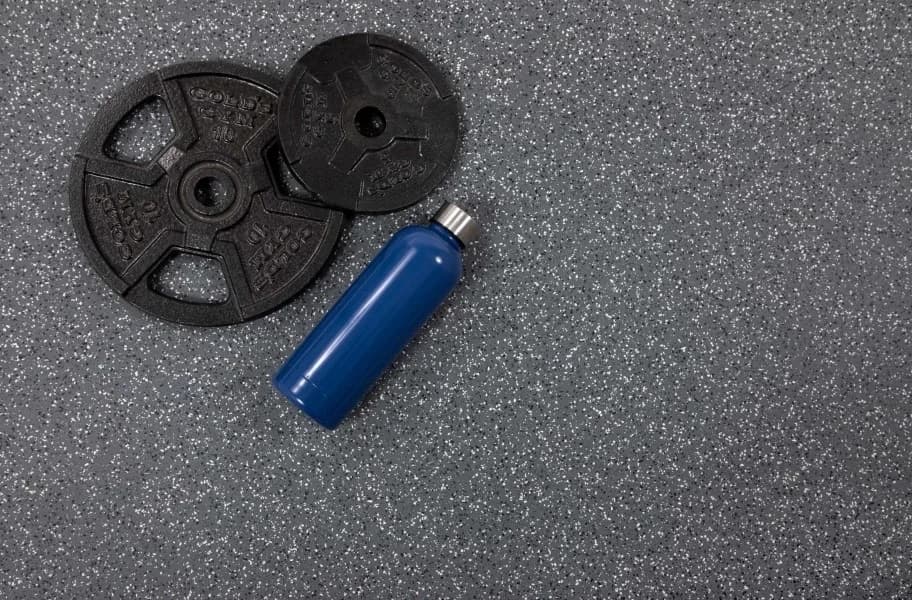
9 Rubber Flooring Pros and Cons: What You Should Know
Rubber flooring is the perfect gym flooring. Concerned about potential drawbacks? Check out the rubber flooring pros and cons to shop smart.

9 Patio Ideas: Create the Ultimate Outdoor Space
Want your patio to be something spectacular? Get inspired by these nine awesome patio ideas to get started and create the patio you love.
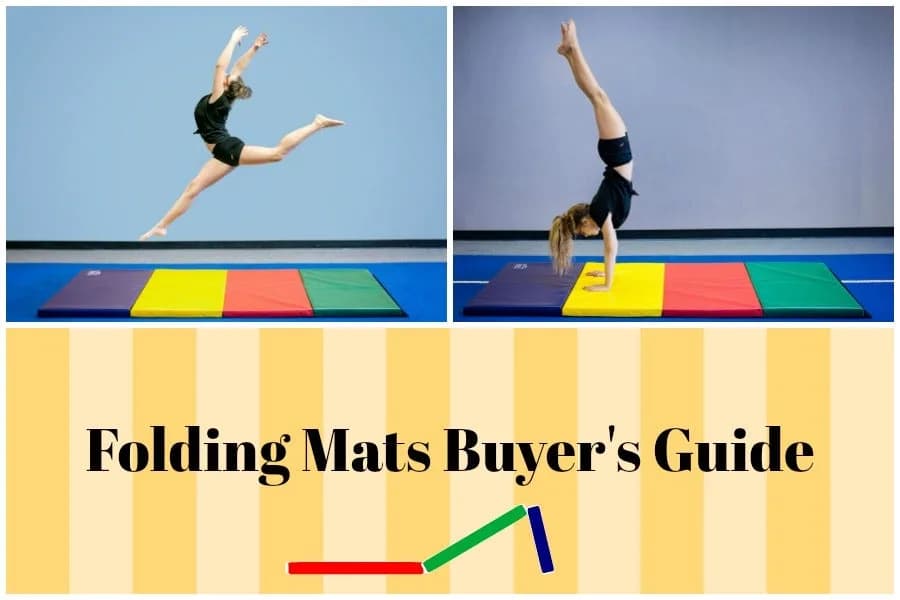
Folding Mats Buyer's Guide
Looking for folding mats? Check out our buying guide to find the best folding mats for your skill level. Practice with safety in mind.
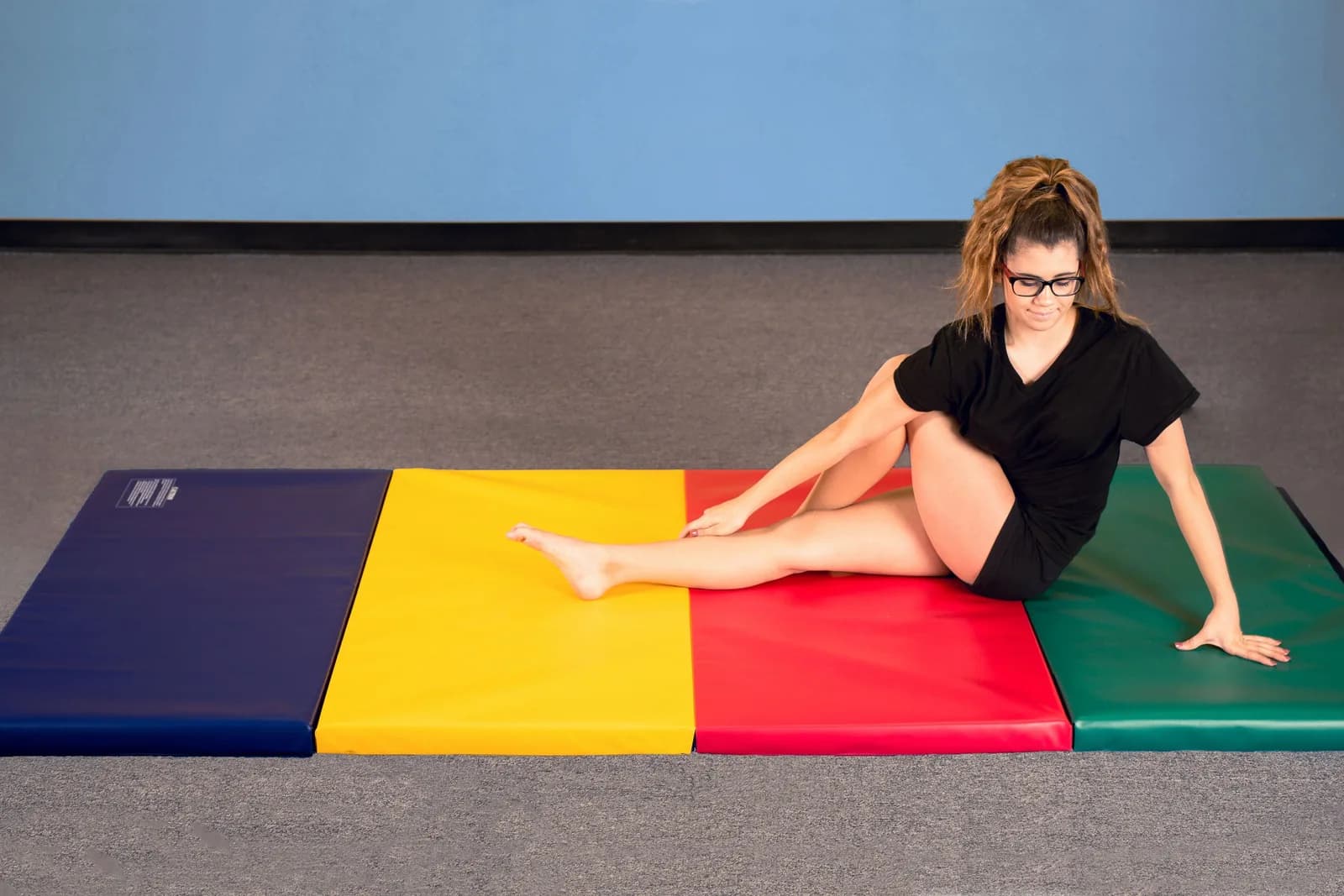
Intermediate Gymnastics Mats Buyer's Guide
Looking for intermediate gymnastics mats? Check out our buying guide to find the best mats for your skill level. Practice with safety in mind.
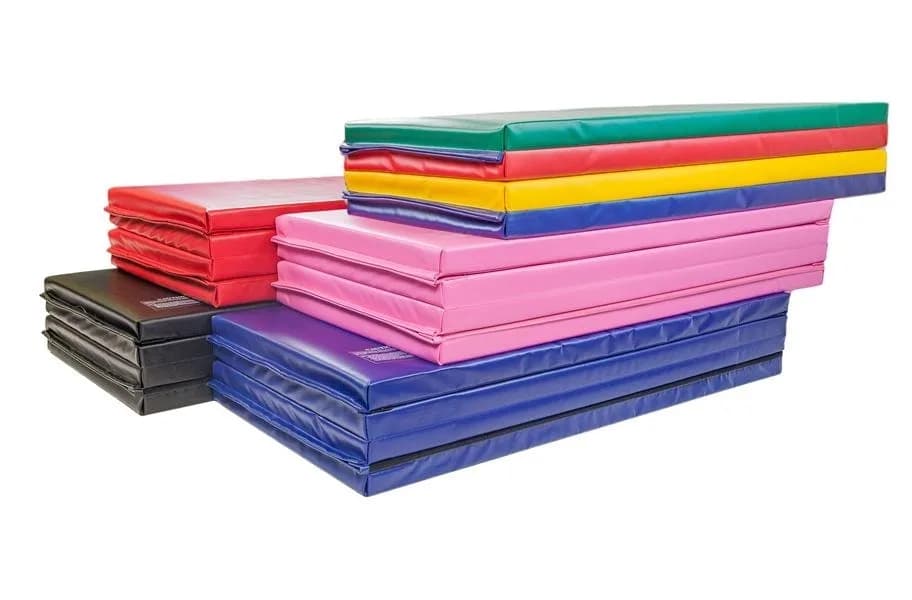
Beginner Gymnastics Mats Buyer's Guide
Looking for beginner gymnastics mats? Check out our buying guide to find the best mats for your skill level. Practice with safety in mind.
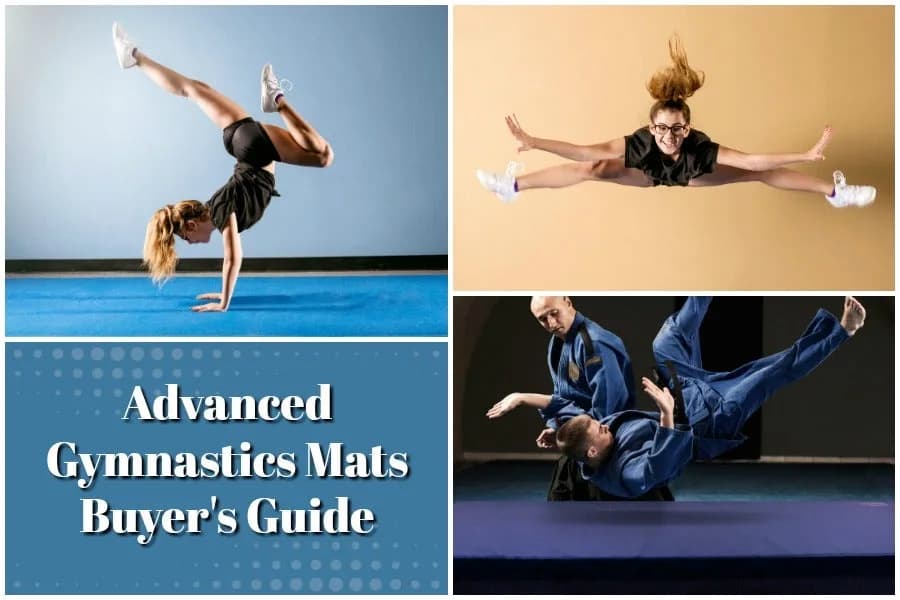
Advanced Gymnastics Mats Buyer's Guide
Looking for advanced gymnastics mats? Check out our buying guide to find the best mats for your skill level. Practice with safety in mind.
Porcelain vs. Ceramic Tile: Learn the Difference
Learn the difference between porcelain and ceramic tile flooring, the pros and cons, and comparisons between features in our porcelain vs ceramic guide.
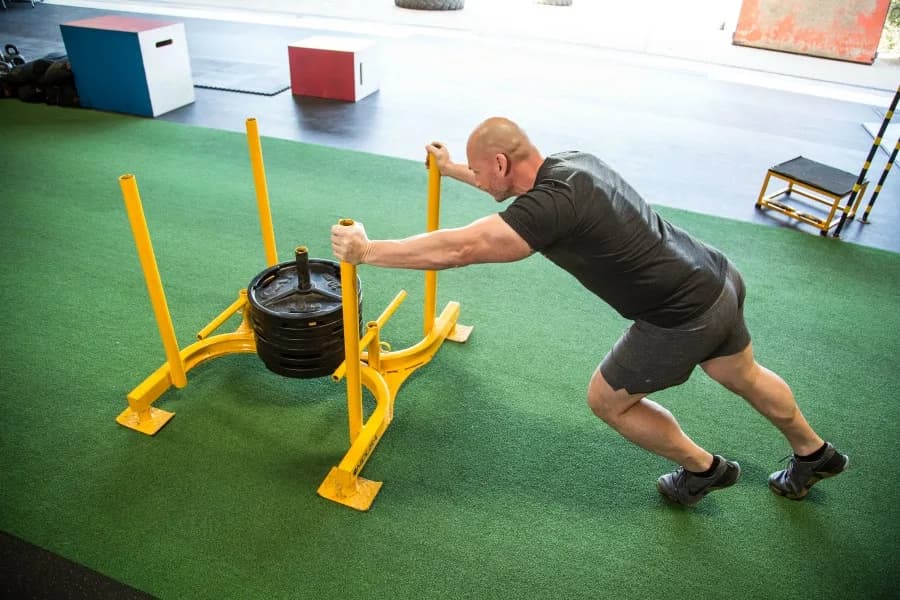
Gym and Sports Turf Buying Guide: The Best Floor for Your Workout
Sports and field Turf Buyer's Guide: The Best Floor for Your Workout. Tired of boring reps and sets? Install sports turf to change your workout routine!
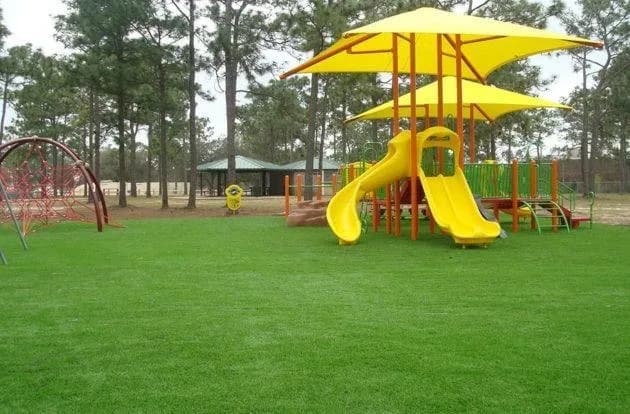
Playground Turf Buyer's Guide
Considering playground turf? We’ve got the info you need to choose the artificial grass that fits your needs and can handle the kids.

Landscape Turf Buying Guide: Learn About Artificial Grass
Artificial turf grass is the perfect way to have a maintenance-free lawn. Our landscape turf grass stays green for enjoyment for years to come.
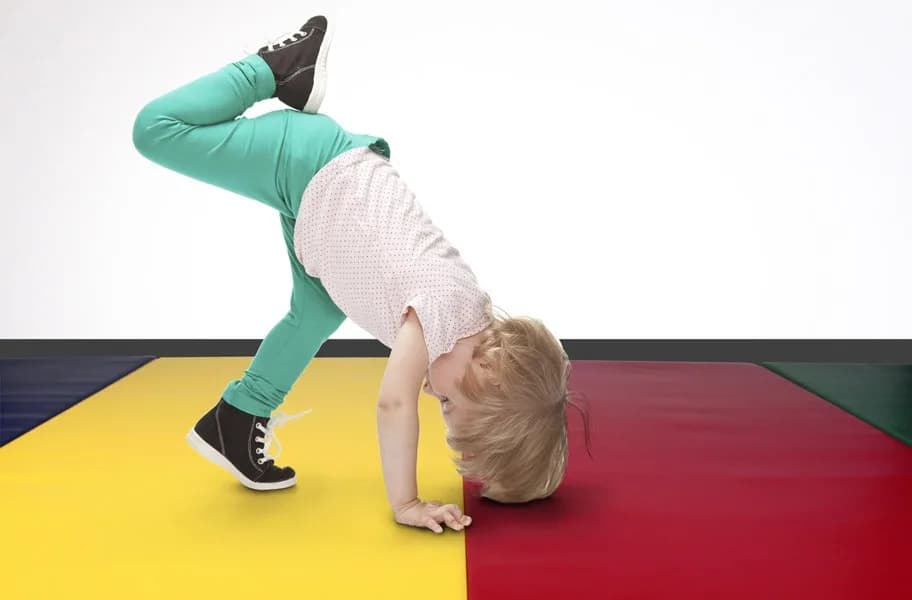
Kids Tumbling Mats Buyer's Guide
Looking for kids tumbling mats? Check out our buying guide to find the best mats for your skill level. Practice with safety in mind.

Horse Stall Mats vs. Gym Floor Mats: Which is Better?
You've probably heard that horse mats are a good gym flooring option, but is it true? Compare horse stall mats vs. gym mats to learn more.
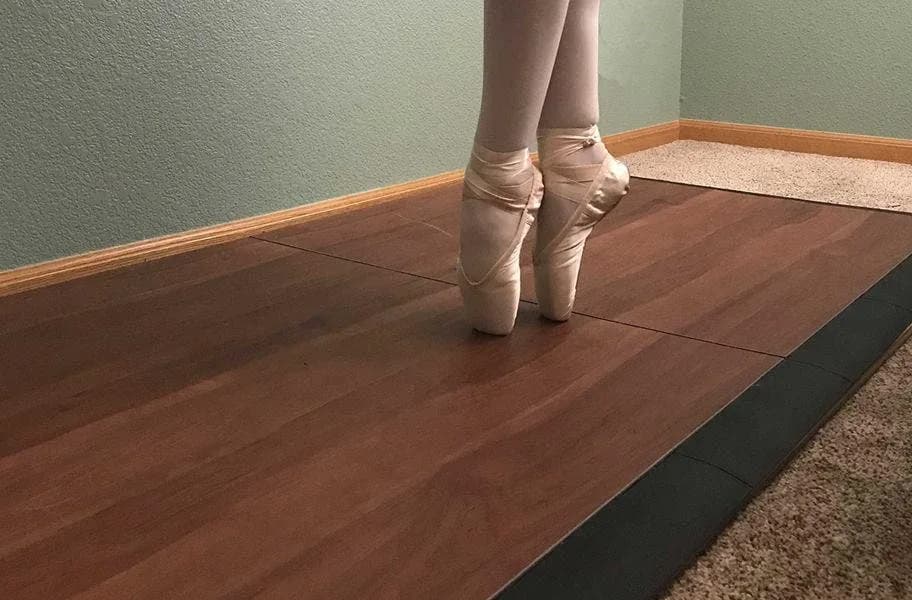
Home Dance Flooring for Home Studios and Practice
Are you wondering what the best affordable home dance flooring option is for you? Learn how to choose the best dance floor for your practice needs at home.
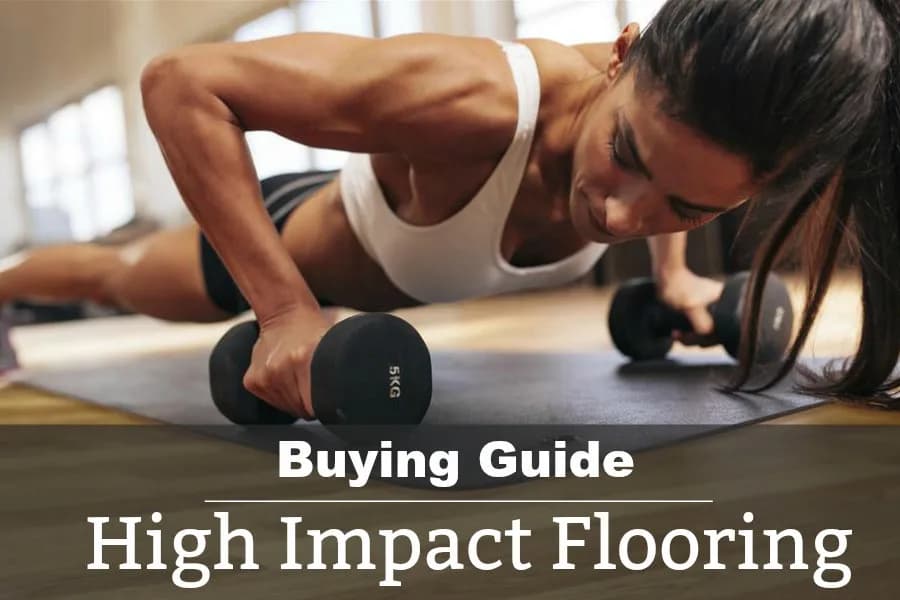
High Impact Flooring Buying Guide: For Plyometrics & More
The best shock absorption flooring from your most challenging moves. Find the perfect option with this High Impact Flooring Buying Guide.
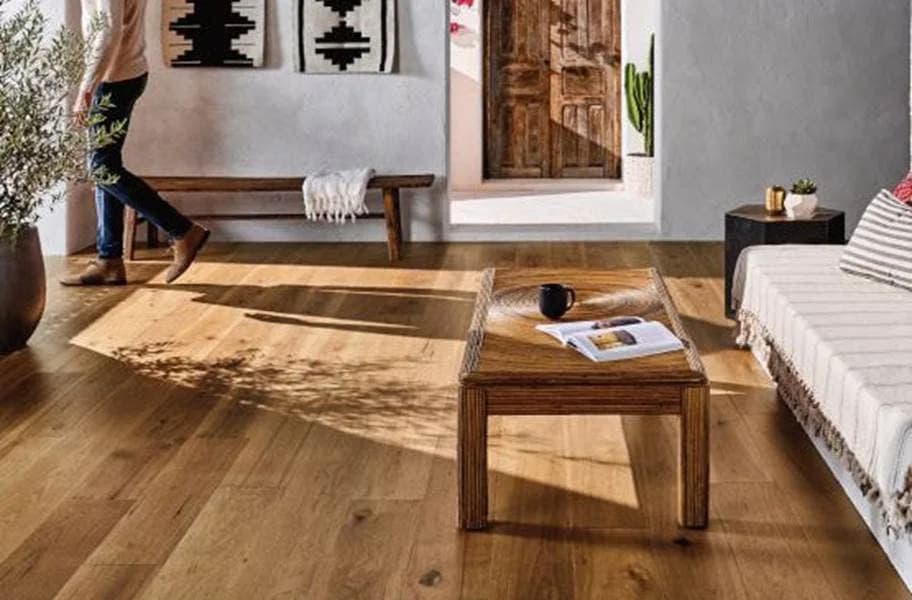
Hardwood vs. Vinyl Planks: The Best Fit for You
Discover the differences between hardwood and vinyl planks to find the best flooring option for your space. Learn more to make an informed decision today!
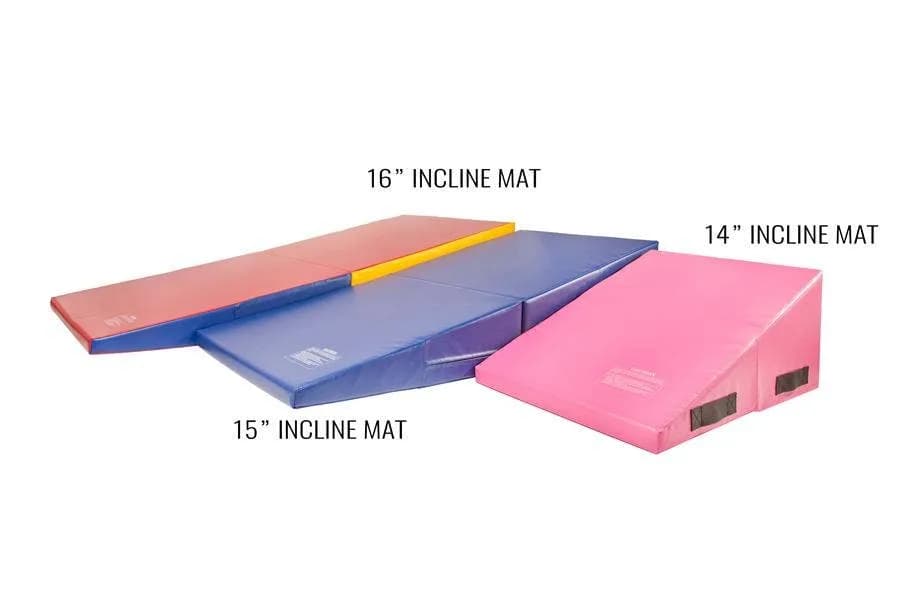
Gymnastics Teaching Tools and Accessories Buyer's Guide
Looking for gymnastics teaching tools? Check out our buying guide to find the best gymnastics mats for your skill level. Practice with safety in mind.

Roll Out Cheer Mats & Gymnastics Mats Buyer's Guide
Looking for cheer mats? Check out our buying guide to find the best cheer mats for your skill level. Practice with safety in mind.

How to Choose Artificial Turf Infill: Infill Buying Guide
Choosing your turf infill? Here’s an easy guide to explain the differences between rubber, Zeofill, Envirofill, Durafill, or any other artificial grass infill.
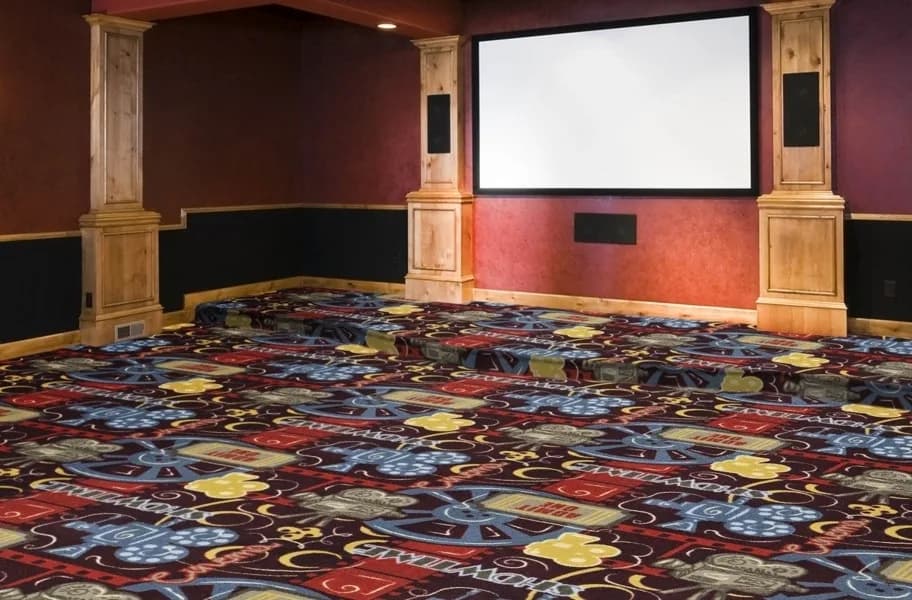
Home Theater Carpet Thickness: Does it Matter?
So, you’re working on your home theater, and it’s time to choose the flooring. You know you want a carpet to improve the sound in the room, but you’re not sure if you should go for a
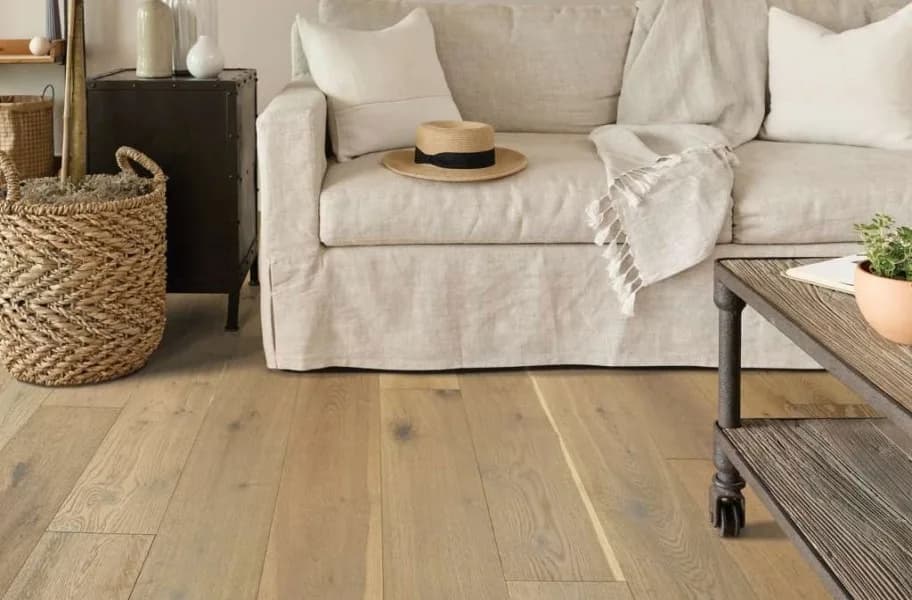
How Much Does It Cost to Install Hardwood Flooring?
Discover the factors that will determine what your hardwood flooring cost will be, and find ways to cut costs, without settling for less.
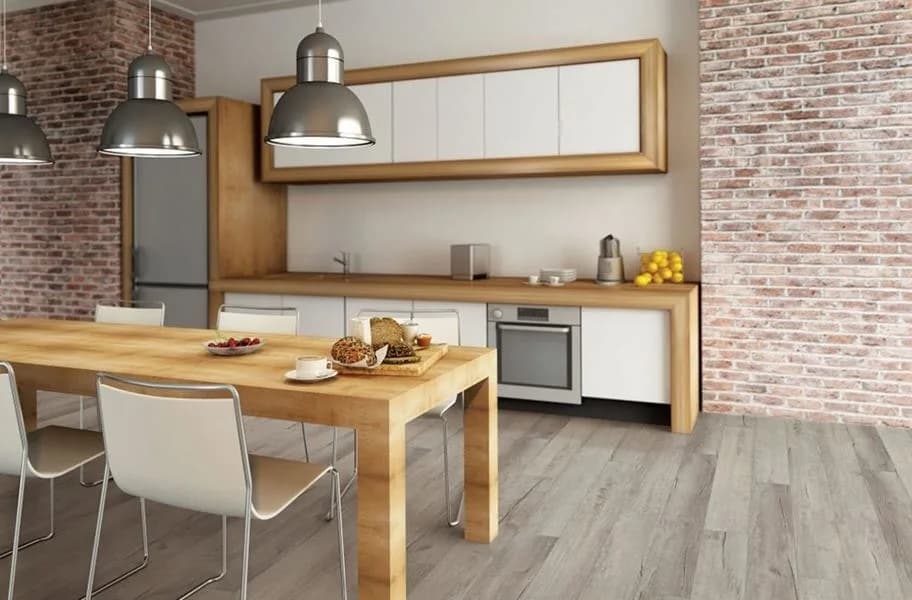
Temporary Flooring for Renters: 8 Ideas to Take Your Place from Bland to Beautiful
Explore the ins and outs of temporary flooring for renters, and the different options you have to make a rental property feel more like you.

Tennis to Pickleball Court Conversion Guide
Learn how to correctly outline and place your pickleball court with this simple guide for converting your tennis court into a pickleball court conversion.
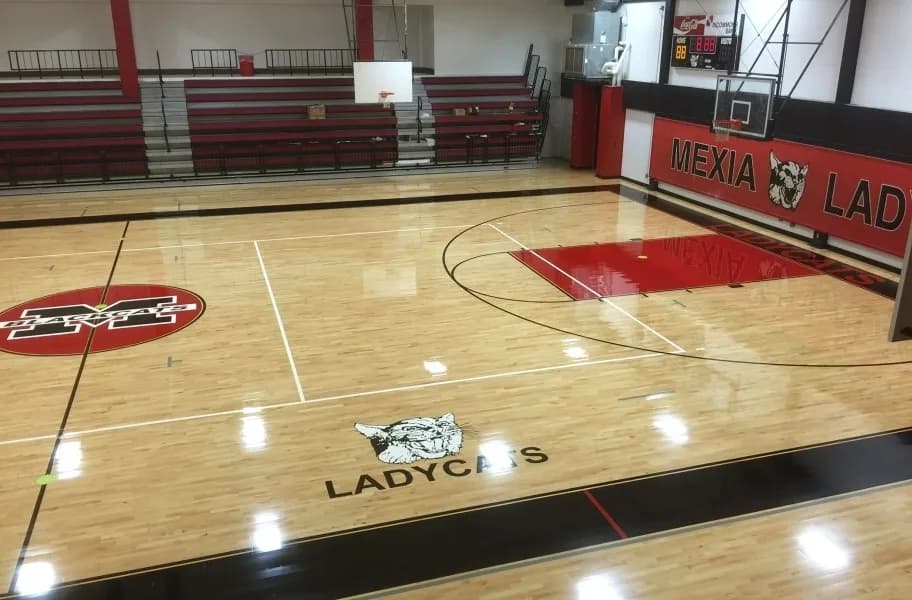
Court Tiles vs. Court Planks: What’s the Difference?
When choosing the right court, you have to consider if you want court tiles or court planks. Learn the difference with court tiles vs. court planks!
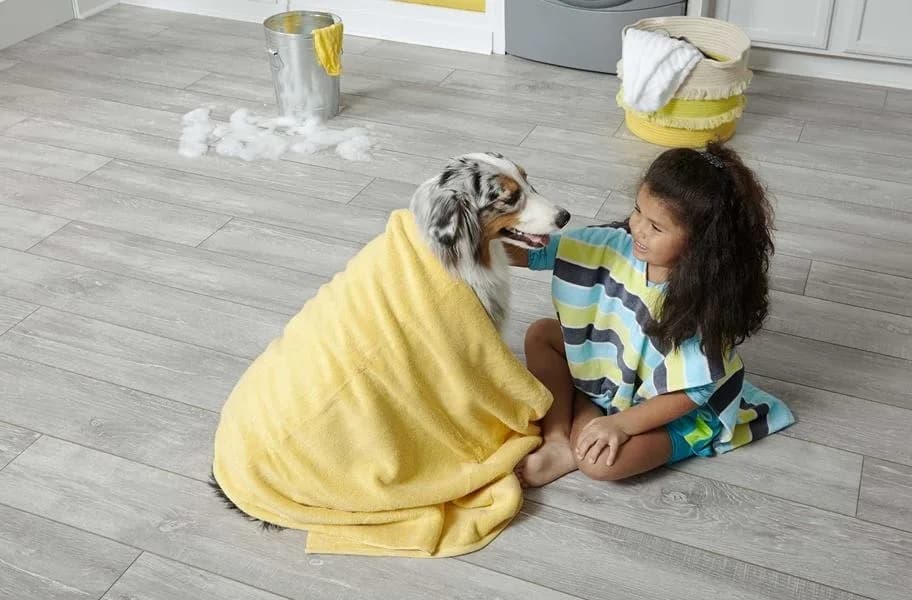
10 Laminate Flooring Pros and Cons: Learn the Essentials
Laminate flooring is DIY-friendly, affordable, and stylish. Is it right for you? Review the top laminate flooring pros and cons to find out.
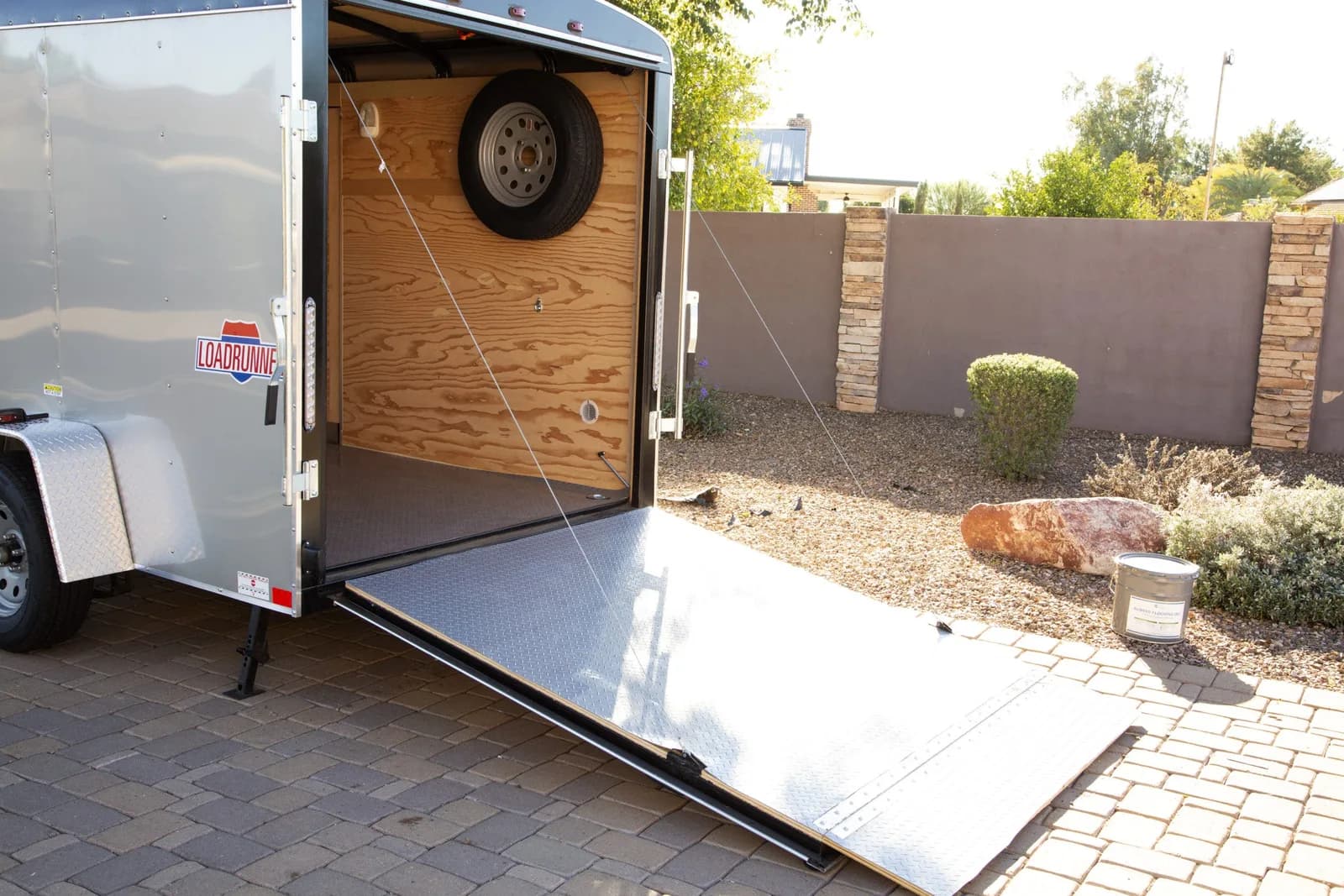
Trailer Flooring Buying Guide
It’s important to protect your trailer with the right floor. Find the most durable, weather-resistant flooring here in our trailer flooring buying guide.
Top 6 Wedding Dance Floor Ideas
Elevate your wedding reception with our top dance floor ideas that blend style and functionality. Find inspiration and start planning the perfect dance floor today!

She Shed Ideas: 5 Design Styles to Personalize Your She Shed
Your she shed should be an expression of you, but how is it done? Start planning and designing your backyard retreat with these she shed ideas.
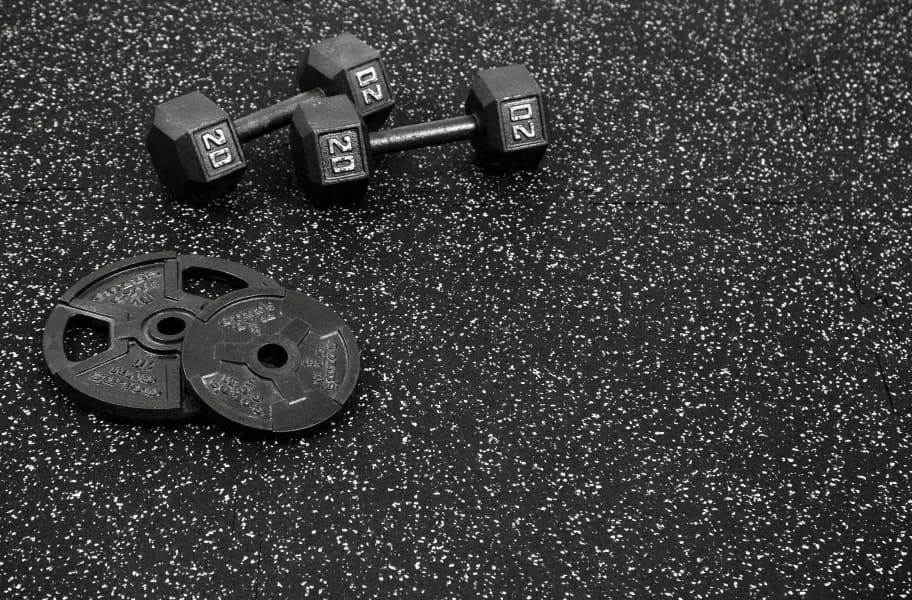
5 Rubber Flooring Myths: Get the Facts from Our Experts
Rubber flooring is a popular home gym option, but most people don't know much about it. Let's dive in & confront these 5 common myths about rubber flooring.

Rooftop Deck Flooring Buying Guide
Rooftop deck flooring can transform your average rubber rooftop into a place great for hangouts and entertainment. If you’re hoping to create an awesome hangout space on your roof, start with your flo
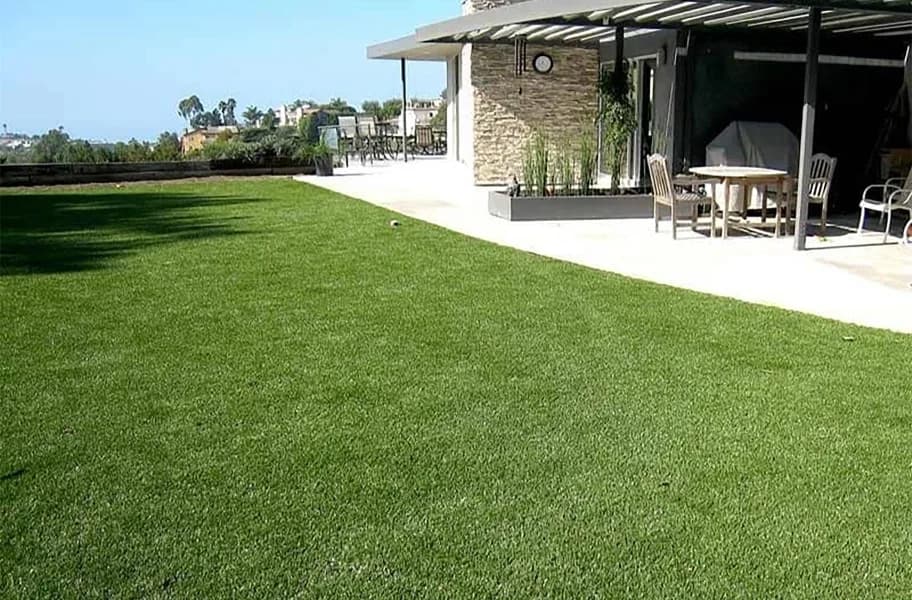
Outdoor Flooring Options for Style and Comfort: 10+ Ideas for 2025
Explore our guide to the best outdoor flooring options to keep your home looking stylish from the outside in!
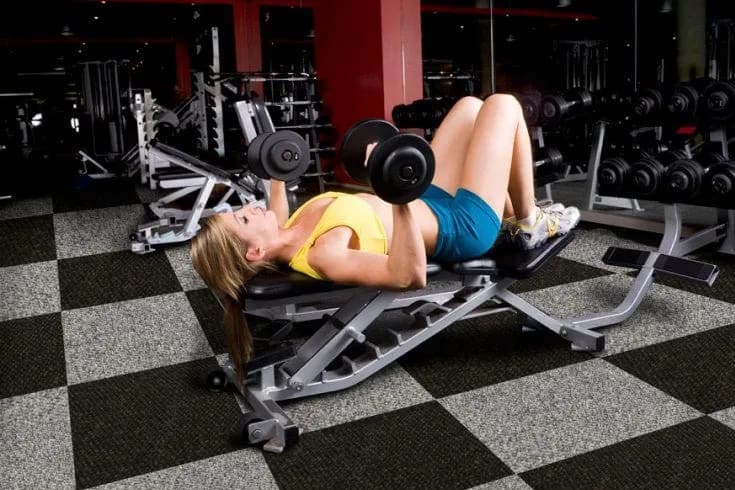
4 Reasons to Use Carpet for Gym Flooring
Carpet, in particular, carpet tiles, is a great option for both home and commercial gyms. Find out why with these 4 reasons to use carpet for gym flooring.
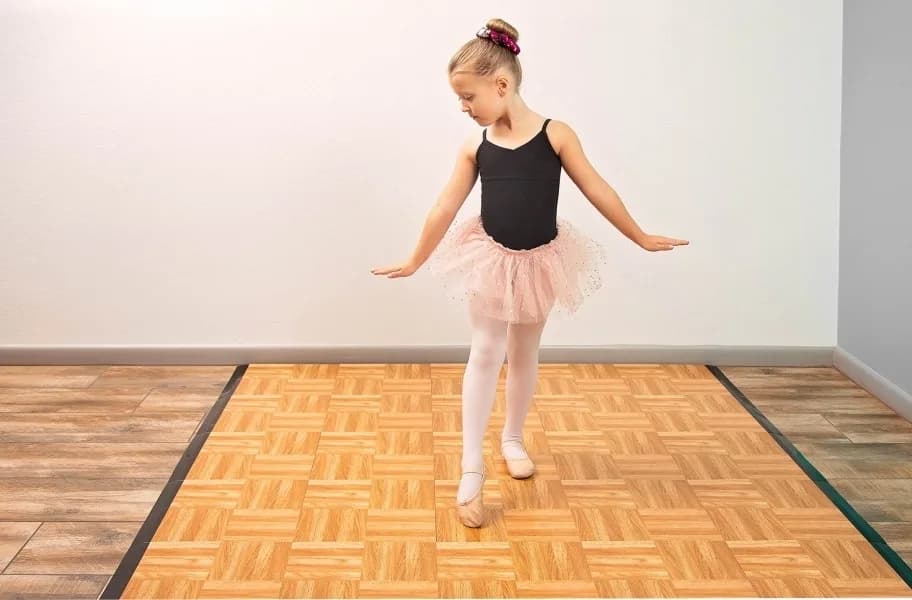
What Are Portable Dance Floors? Our Social Floor Guide
Find the perfect portable dance floor with our in-depth dance flooring guide. For on-the-go practice, weddings, special events, and more.
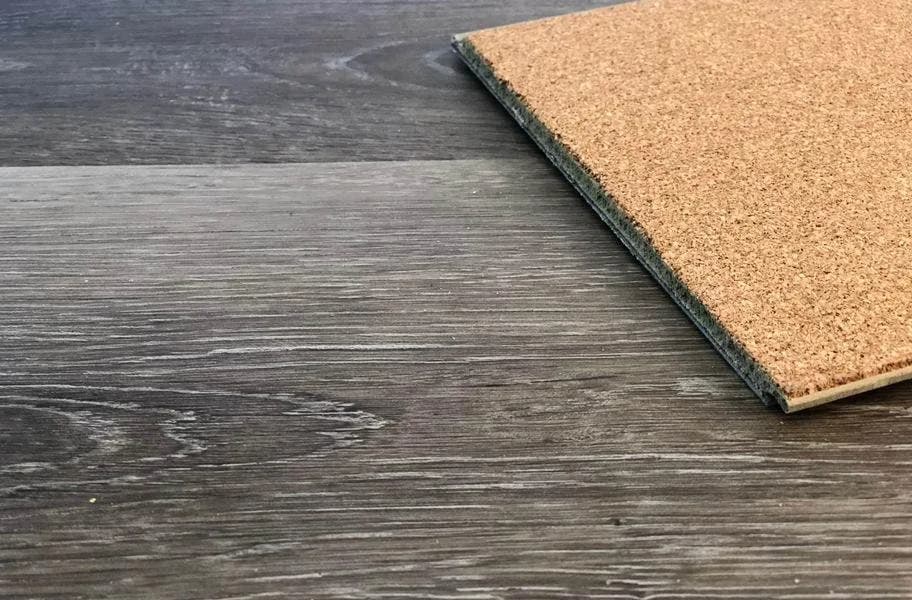
Flooring Underlayment Buying Guide
Underlayment can be one of the most confusing subjects when it comes to flooring. Learn everything you need to know to get the most out of your floor.
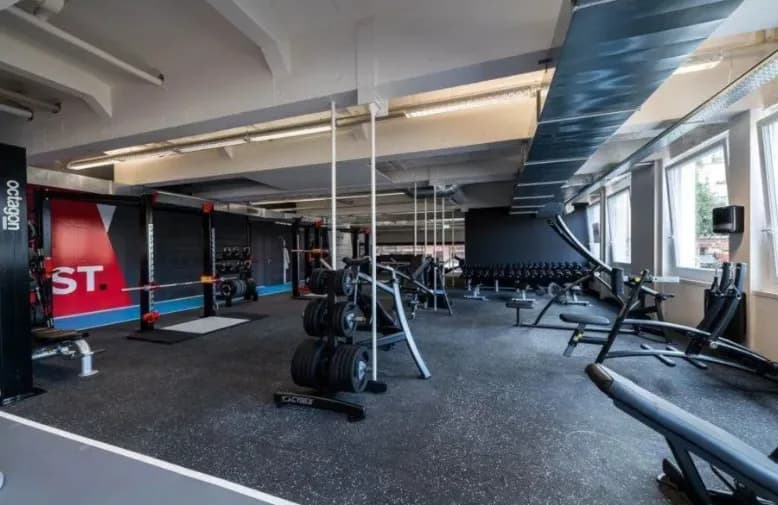
What is Rubber Flooring: Exploring the Versatility and Benefits
Discover rubber flooring uses, the benefits, and find the perfect solution for your home fitness space today!
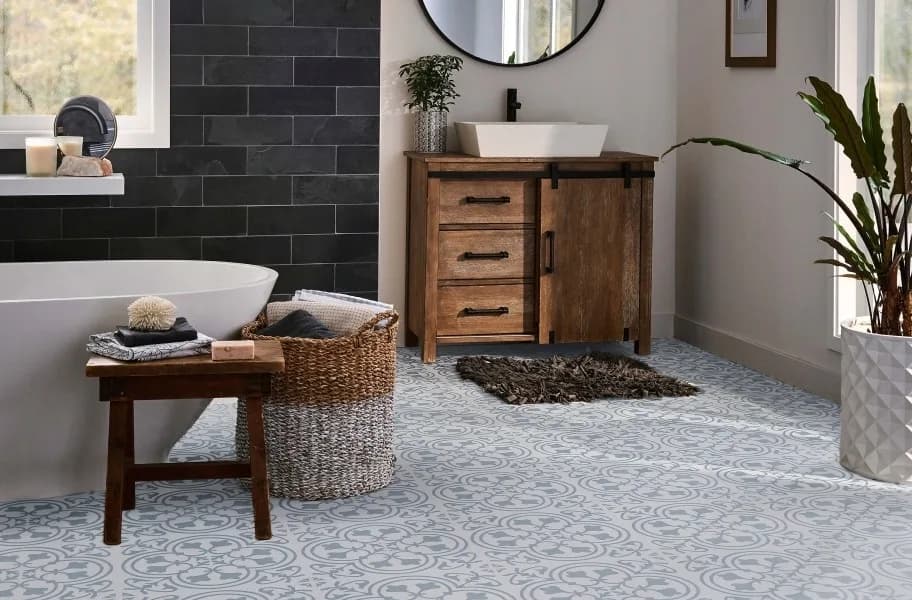
Waterproof Vinyl Flooring: Your Guide to SPC and WPC
Waterproof vinyl flooring is the latest in luxury vinyl and some of the most durable flooring around. Explore your options in this guide!

Wall Tile Buying Guide: 15 Things You Should Know
Wall tile offers a durable, water-resistant surface with style. Perfect for bathrooms and kitchens, wall tiles are an affordable alternative to stone.

Vinyl Plank Flooring: Everything You Need to Know
With all the information out there, vinyl plank flooring can be a confusing subject. That’s why I’ve compiled the best information we have on vinyl planks.
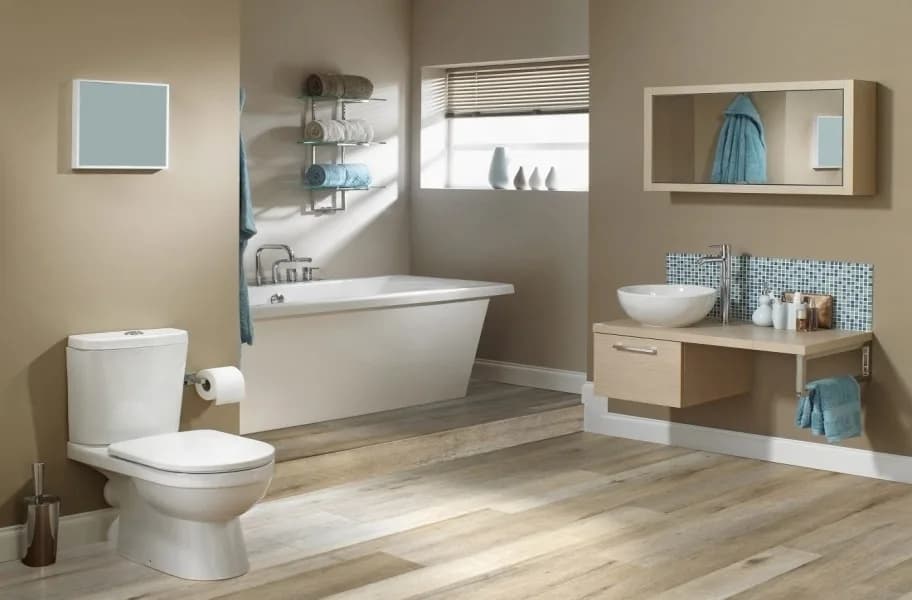
Vinyl Flooring Buying Guide: What You Should Know
Learn everything you need to know about vinyl flooring with our in-depth buying guide. From wood looks to waterproof cores, we've got it.
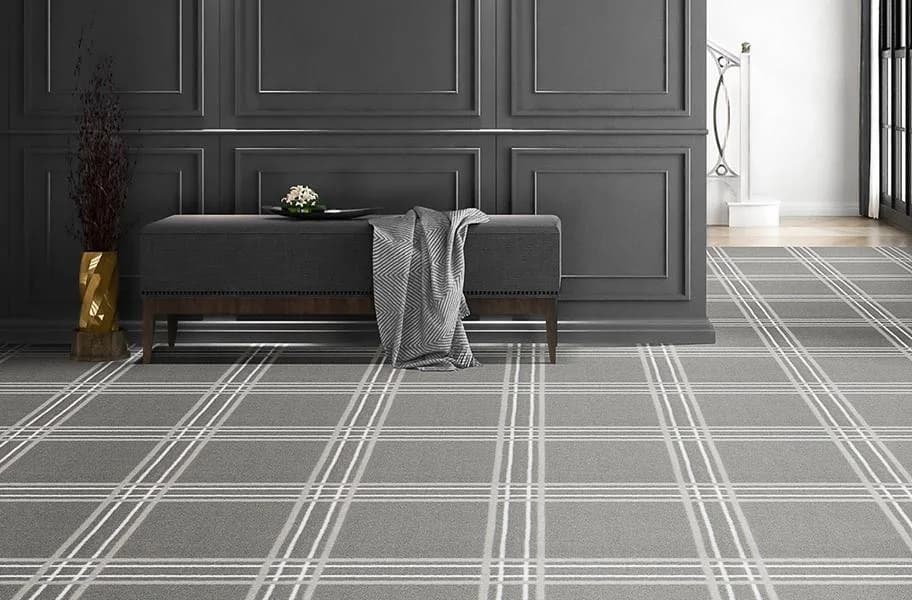
The Ultimate Carpet Buying Guide
Carpet Guide: Get the lowdown on all things carpet, and soon you’ll be ready to educate your friends on tiles, rolls, and area rugs like you’re a pro.
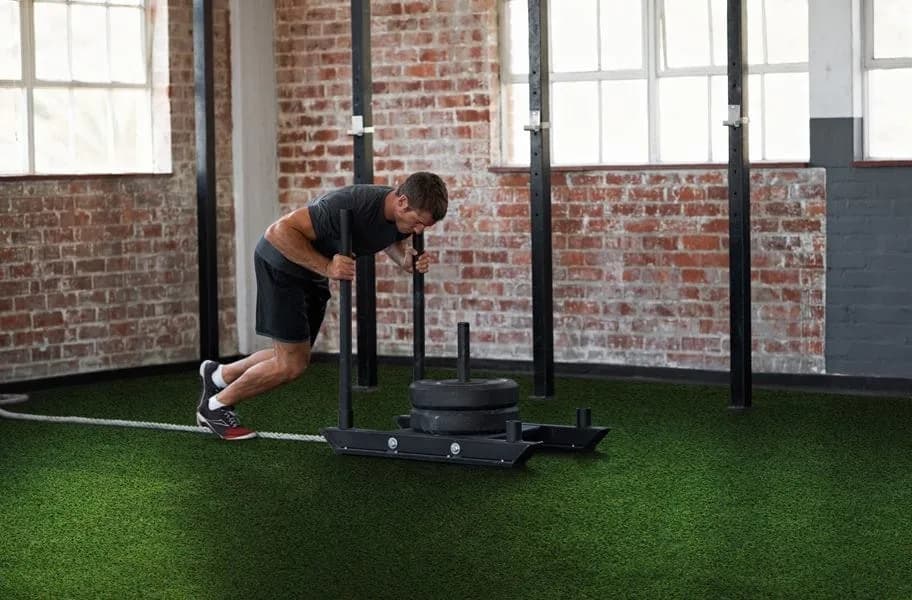
What's the Best Flooring for Crossfit?
Make sure you get the best flooring for CrossFit so that you can drop heavy barbells and do plyometric movements on the perfect shock-absorbent surface.
Waterproof Laminate Flooring Buying Guide
Want to remodel your home or business with waterproof laminate flooring? Here's our best advice, from pros and cons to products reviews and FAQs.
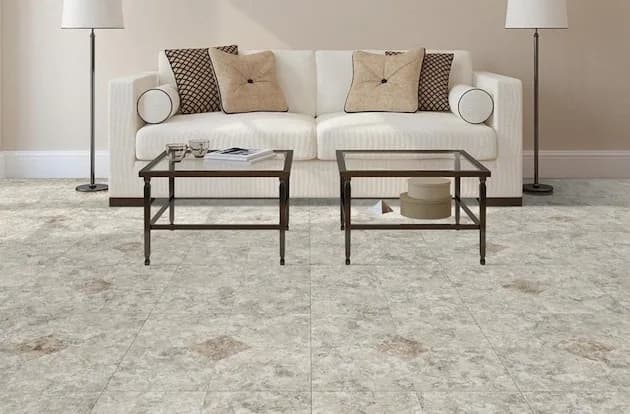
Vinyl Tile Flooring Buying Guide: What You Should Know
Searching for vinyl tile flooring? With so much information out there, it can be difficult to settle on the perfect vinyl tile. That’s why I’ve compiled the best of the best information on vinyl tiles
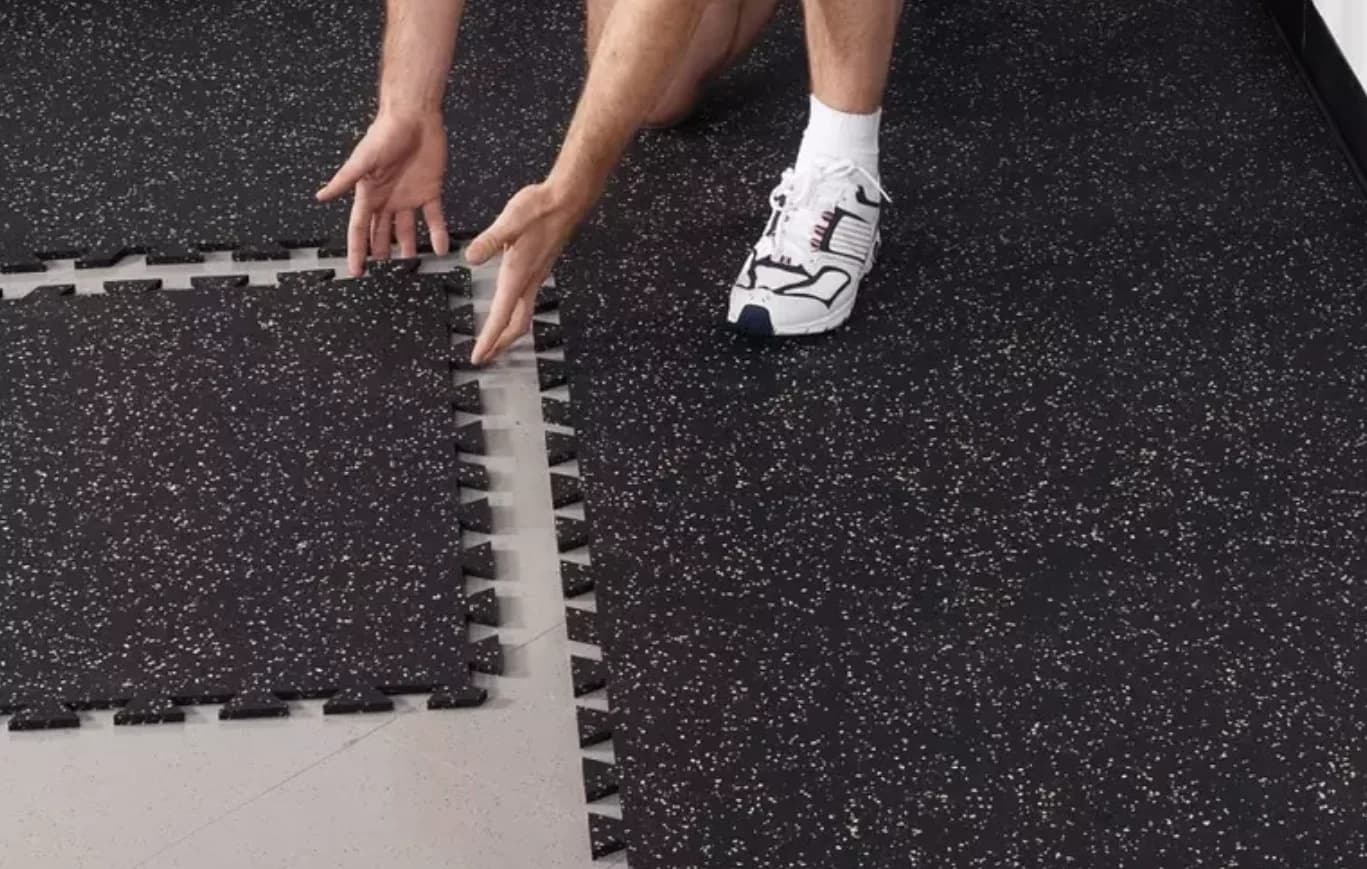
Rubber Tiles vs. Rolls: What's Right for You
Discover the pros and cons of rubber tiles and rolls for your space. Learn which option suits your needs best—explore now!
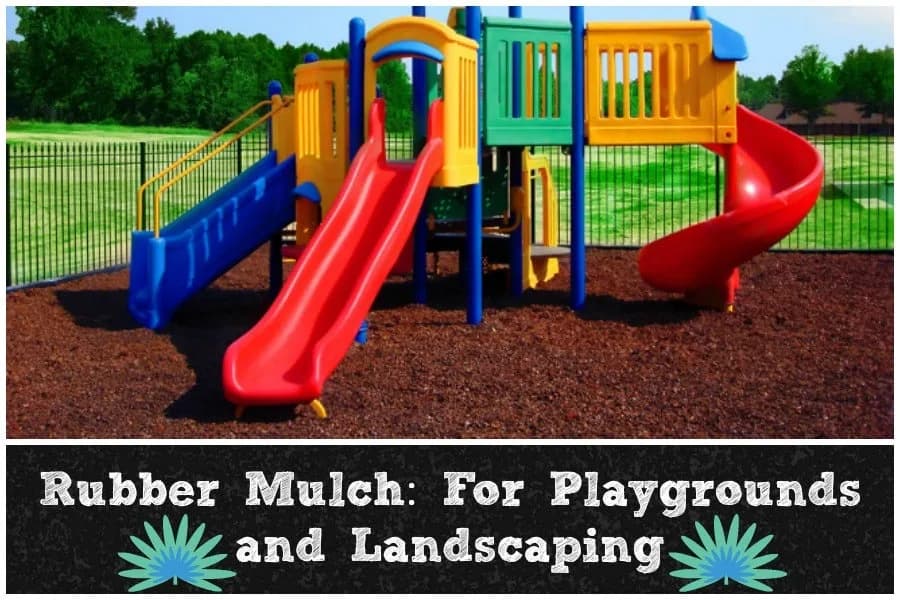
Rubber Mulch: For Playgrounds and Landscaping
Curious about rubber mulch and playground safety? I’ll cover all things rubber mulch and you’ll be on your way to making your best decision.

Rubber Flooring vs. Vinyl Flooring: Key Differences
Compare rubber and vinyl flooring to understand their key differences and benefits. Read more to find the ideal flooring option for your home or business!

Jazz Dance Flooring: Marley, Wood & More
Find the perfect floor for your studio with our jazz dance flooring buyer’s guide. For a floor for beginners to pros, get started on the right foot.

Is Rubber Flooring Waterproof?
Learn the extent of rubber flooring's water resistance, and discover its suitable applications. Get the facts and choose the right flooring for what you need.

What is Composite Decking? Benefits to Consider
Discover the benefits of composite decking and why it’s a great choice for your outdoor space. Learn more about its advantages and transform your deck now!
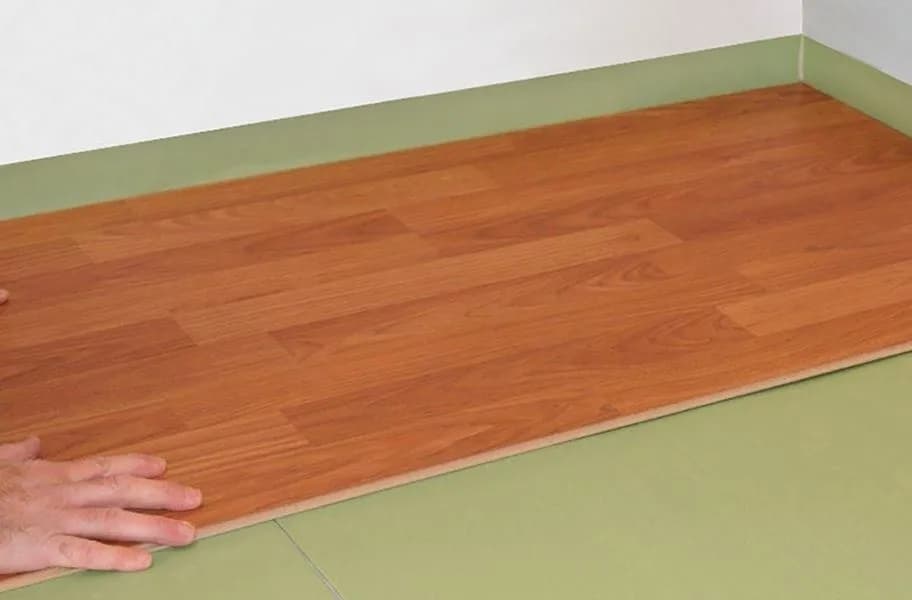
What is a Moisture Barrier and When is it Needed for Flooring?
When installing new flooring, do you need a moisture barrier? By learning how and when vapor barriers work, you can find out!

What Are VOCs in Floors? A Guide to Non-Toxic Flooring
Create a healthier home! Everything you need to know on VOCs, FloorScore and Green Gaurd certifications, and non-toxic flooring.
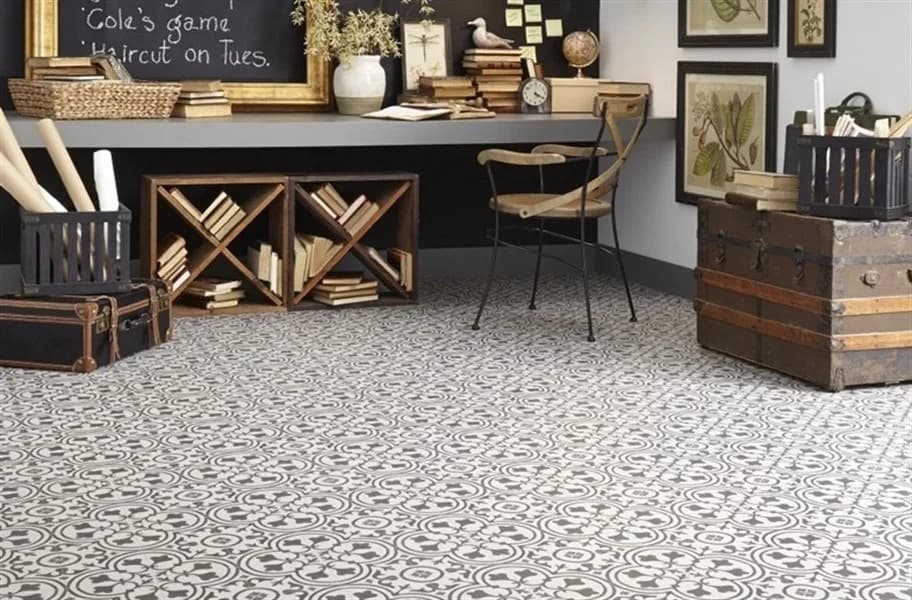
What is a Floating Floor Installation? The Ultimate Guide
What is a floating floor? By comparing pros and cons and discovering new flooring options, you can learn more about floating floors.
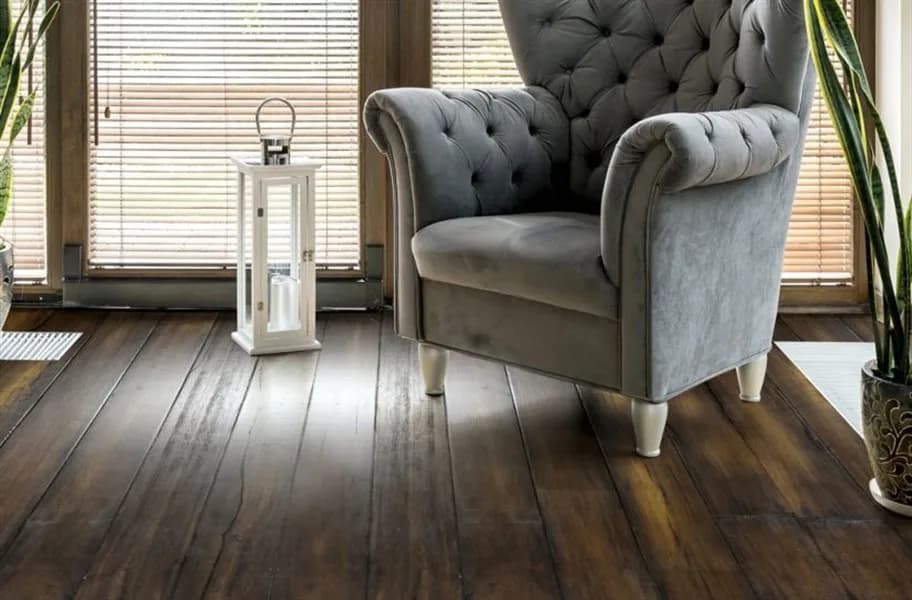
What is Engineered Hardwood? 12+ Facts You Should Know
Engineered hardwood is an affordable alternative to solid hardwood, featuring a real wood surface. This flooring offers durability and water resistance.
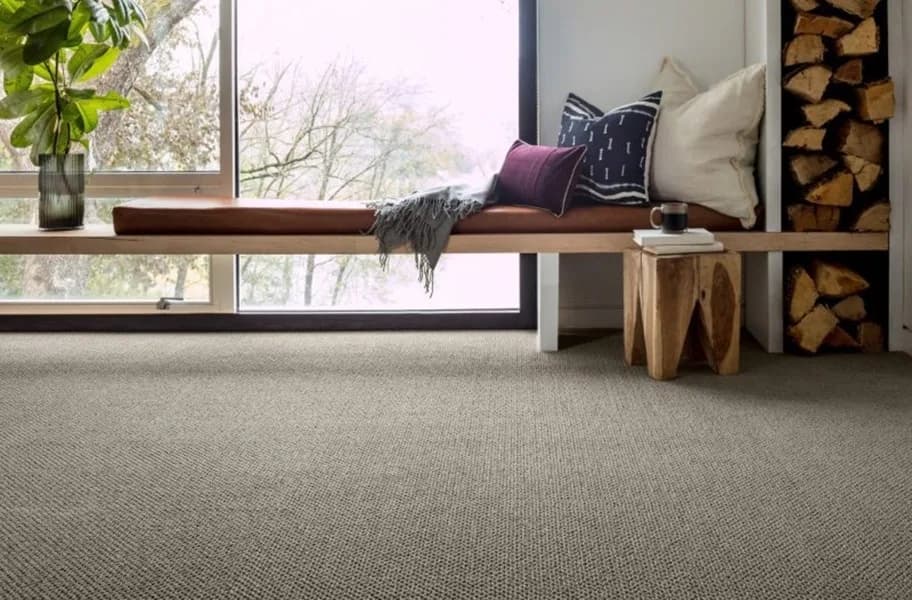
What is Berber Carpet: A Buying Guide
Berber carpet is a big mystery to many people. Let's demystify berber carpet and let you in on all the secrets surrounding this product.

Maintaining Garage Floor Tiles: Creative Ideas to Remove and Prevent Stains
Explore the different ways garage flooring can get stained, options for cleaning them up, and taking the necessary precautions to ward off unwanted stains.
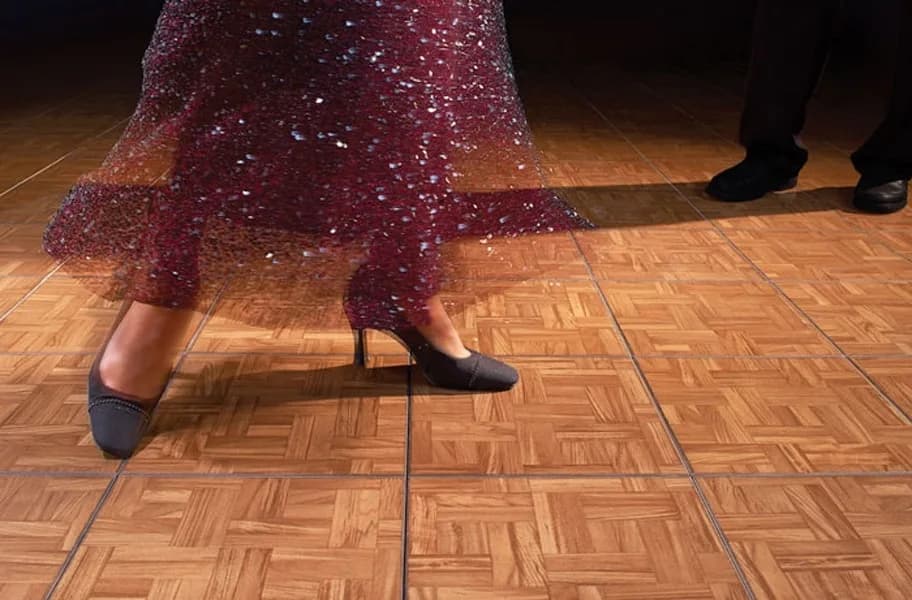
Ballroom Dance Flooring Buying Guide
Find the perfect floor for your studio with our ballroom dance flooring buyer’s guide. For studios, schools companies and more.
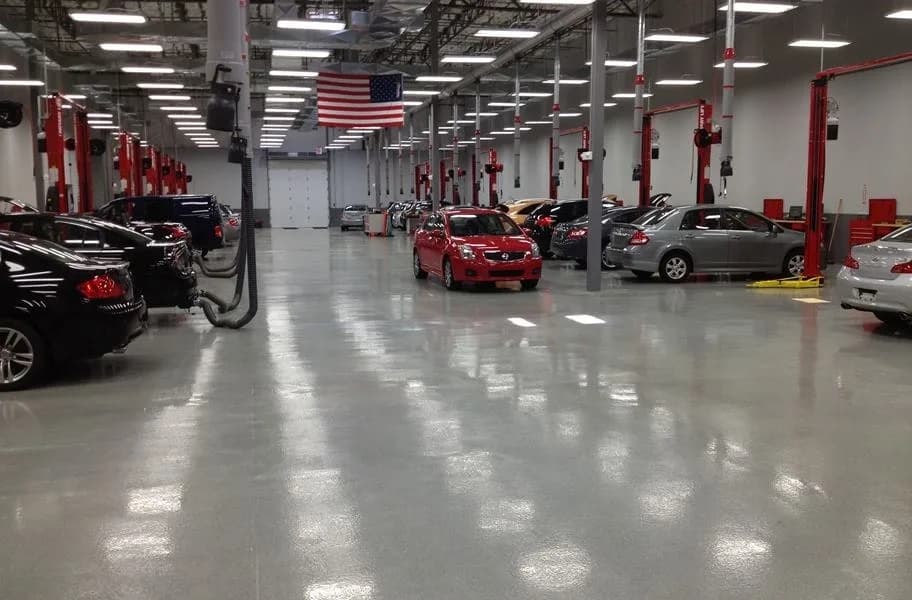
Polyaspartic vs. Epoxy Garage Floor Coating
While searching for garage floor coatings, you’ve seen epoxy and polyaspartic. Compare polyaspartic vs. epoxy to find out which is best for you.

About Artificial Grass: What You Should Know
Considering artificial grass, but aren't sure what's best for you? This in-depth guide will give you all the facts so you can shop smart.

What is WPC Vinyl Flooring? Discover the Future of Vinyl Flooring
Experts are calling WPC vinyl flooring "the future of flooring". Check out this top 10 list and become an expert on all things WPC vinyl flooring.
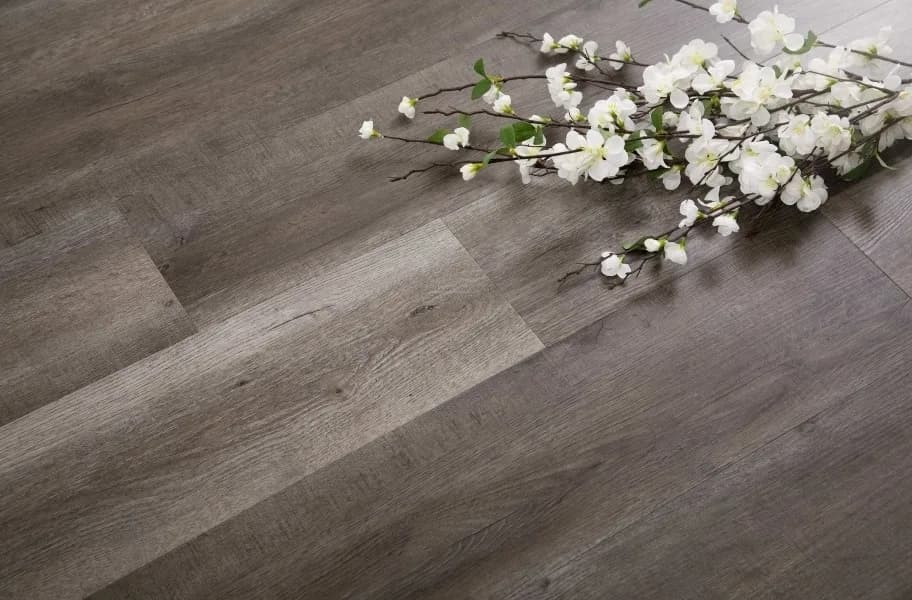
Why Choose Vinyl Flooring
Why choose vinyl flooring? The 80's cheap look vinyl is out and new vinyl floors are the fastest growing flooring on the market.

Artificial Grass Pros and Cons: The Most Important Considerations
Curious about grass alternatives? Explore the benefits of artificial grass pros and cons to decide if it's right for you!

10+ Artificial Grass Myths: Get the Facts from Our Experts
This comprehensive guide busts eleven common artificial grass myths so you can shop smart and find the right option for you!

The Complete Guide to Garage Floor Tiles
With garage floor tiles, you can easily create your dream showcase for your vehicles, workshop, or showroom. Explore our guide to learn more!
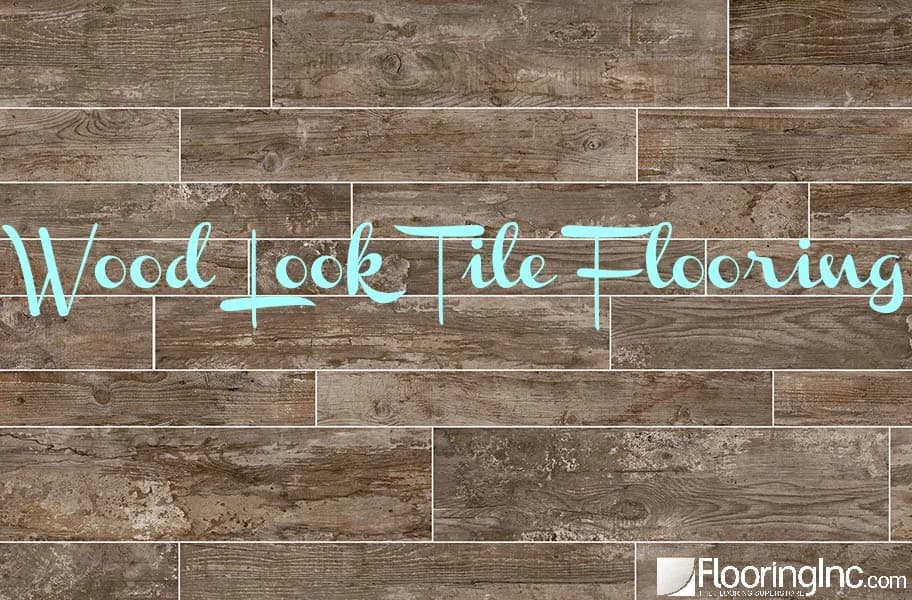
Wood Look Tile Flooring
Love the look of wood flooring, but worried about the maintenance or water damager? You'll love wood look tile flooring-it gives you the best of all worlds!
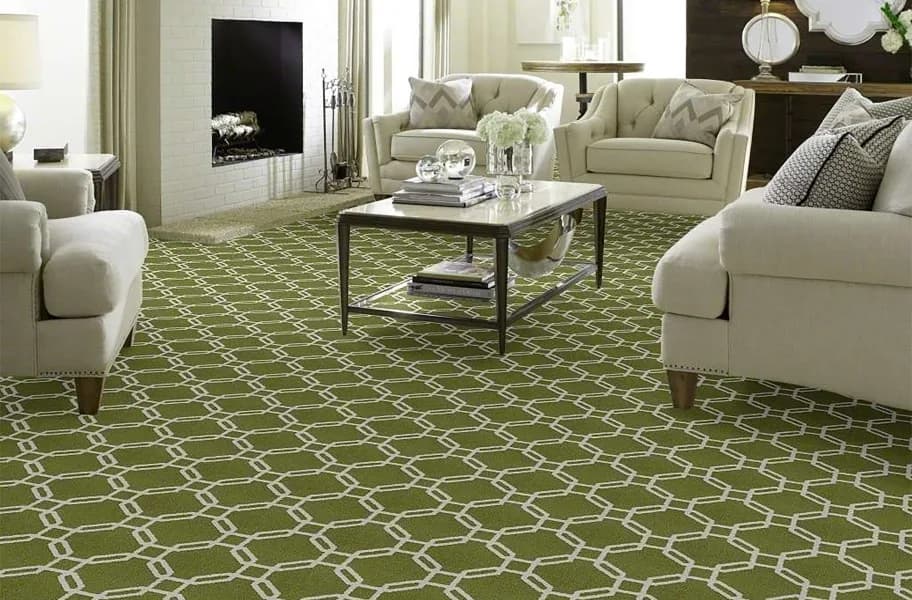
What is Waterproof Carpet: Magic or Science?
Waterproof Carpet finally a reality! Stop worrying about staining, mold or mildew, or pet smells. Waterproof carpet will change your life for the better.

Your Style Guide to Matching Furniture with Wood Flooring
Choosing a wooden floor is not as easy as picking the color and style that appeals to you visually, as there are many other considerations you need to take into account if you’re going to make your ne
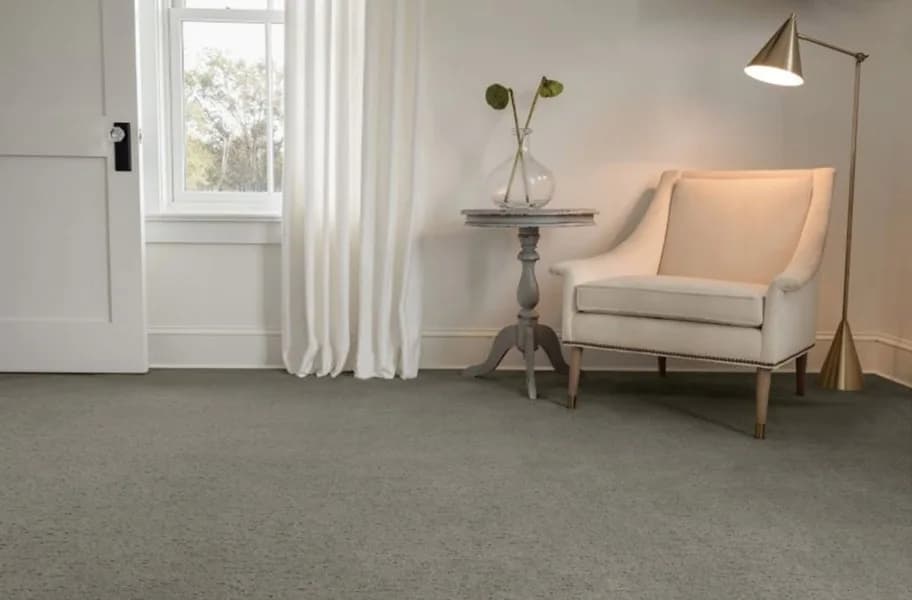
Carpet Padding Guide: Everything You Need to Know
You've found the perfect carpet, and now it's time to find the right padding. Learn what type of carpet padding is good for your home.

Pet-Friendly Flooring for Dog Owners: Scratch-Proof, Waterproof & Easy to Clean
Pet lovers know that dogs and cats are an important part of the family. What's the best flooring for dogs? The top 5 pet-friendly flooring options!

2025 Auto Show Guide: Car Show Display Flooring
Welcome car show enthusiasts! Our guide will explain what features to look for with auto show flooring and provide our top-ranked options.

Wrestling Mat Buying Guide
Learn more about the kind of mat you need based on mat thickness, use, and installation in this comprehensive wrestling mat buying guide.
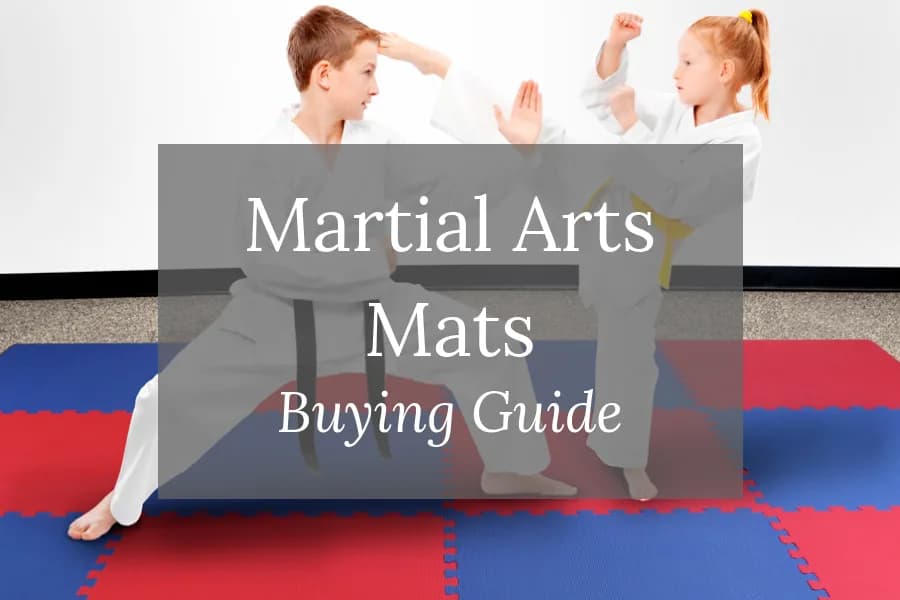
Martial Arts Buying Guide: Safety Flooring
This ultimate Martial Arts Mats Buying Guide will help you find the best mats for safely practicing and perfecting your craft. Whether you’re opening a martial arts studio or looking to practice at ho
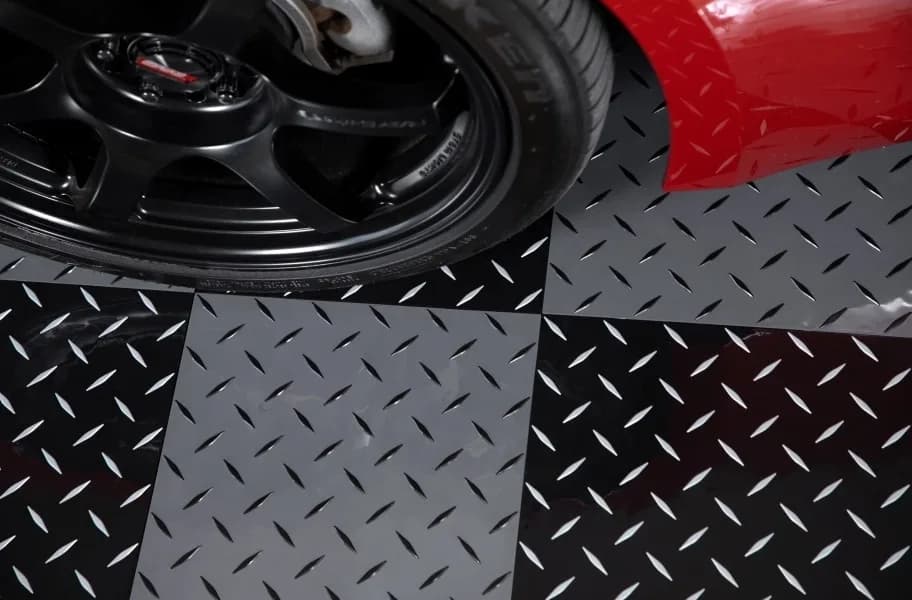
Garage Floor Installation Guide: Tiles, Rolls, and Epoxy
Thinking about purchasing garage flooring and installing it yourself? Garage floor installation is incredibly DIY-friendly! Learn more here.
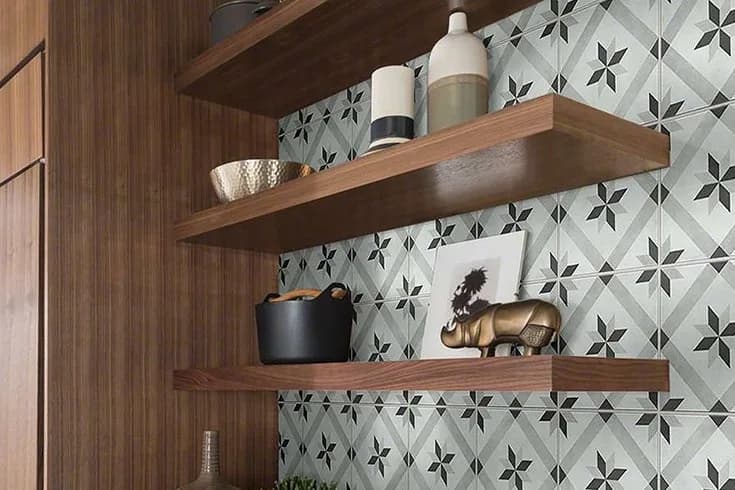
What is Grout? Tile Grout and Thinset Buying Guide
Choosing the right products for your tile installation project can be tricky. This guide will make sure you don't choose the wrong tile grout or thinset.

13 Garage Theme Ideas for Your Perfect Space
Get ready to make your garage pop! Create the perfect garage for you using these 13 garage theme ideas including everything from Harley to Super Mario Bros.
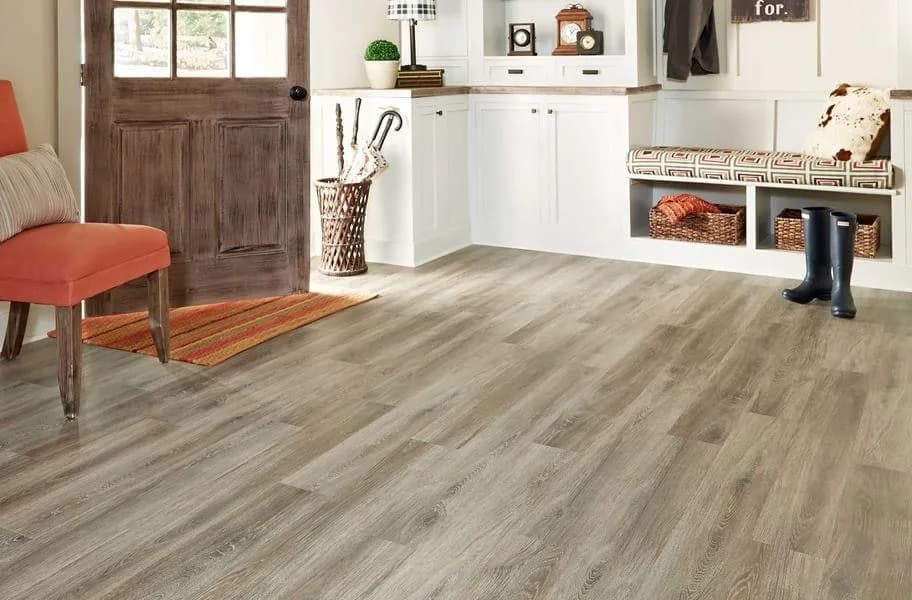
5 Interior Flooring and Décor Tips that Will Transform Any Small Space
Have a small living space? Let’s take a look at the five interior flooring and décor tips that will transform any and every small space.

Is Rubber Flooring Toxic? Answers on Rubber Flooring Safety
Though a lot of materials go into the making of rubber flooring, quality rubber flooring remains safe for you and your family.
Rubber Floor Tiles Buying Guide
Use this all-inclusive rubber floor tiles buying guide to choose the best rubber floor tiles for your application. Learn everything from thickness to application.

Garage Flooring Buying Guide: Tiles, Rolls, Epoxy & More
Set the tone for your dream garage with the perfect floor. Learn how to choose garage flooring with our garage flooring buying guide.
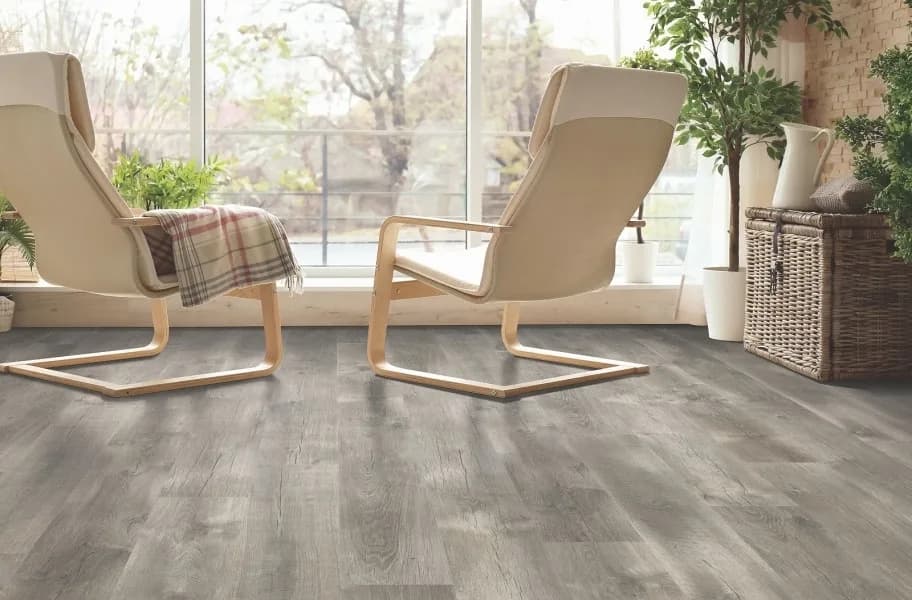
American Flooring Guide: 4 Top USA Home Flooring Options
USA-Made Flooring is available in all options, including carpet, vinyl, and engineered wood. There's a USA-made floor for everyone!
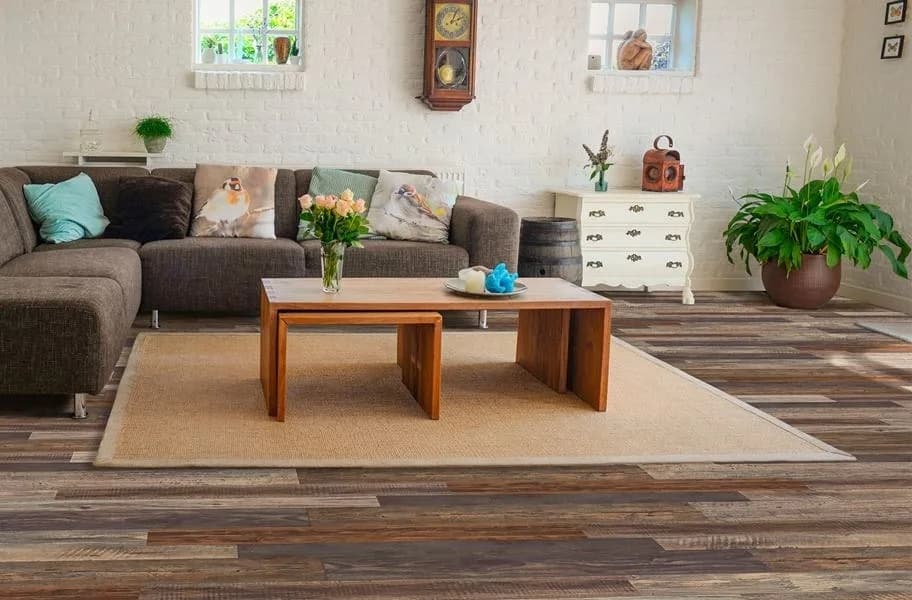
2022 Wood Flooring Trends: 21 Trendy Flooring Ideas
Keep your home up-to-date starting with your floor. Use this guide to the hottest wood flooring trends and find stylish wood flooring ideas.
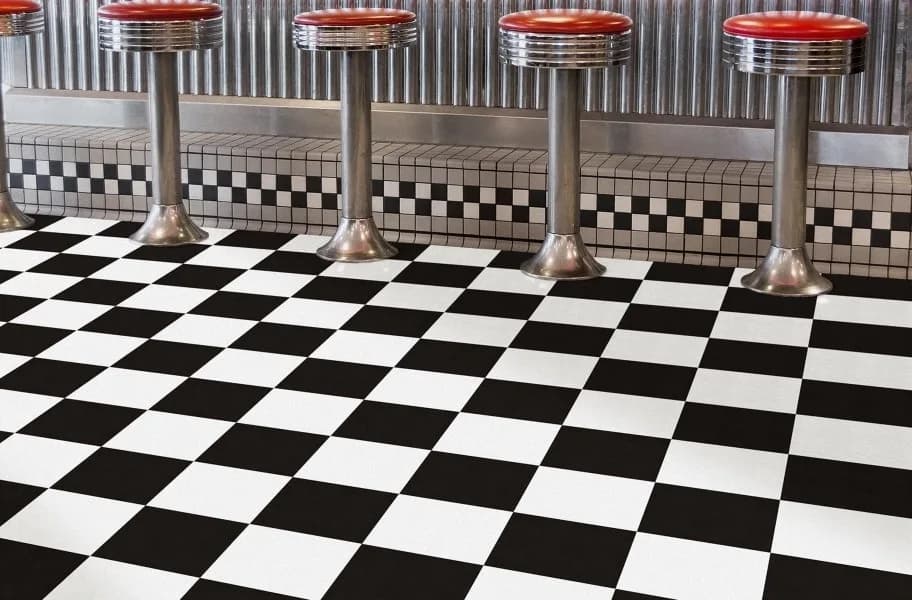
Retro Flooring Ideas: 12 Ideas to Inspire Your Vintage Style Home
How do you incorporate retro style in your home? Learn more about retro and vintage styles, you find retro flooring ideas, decor, and more.
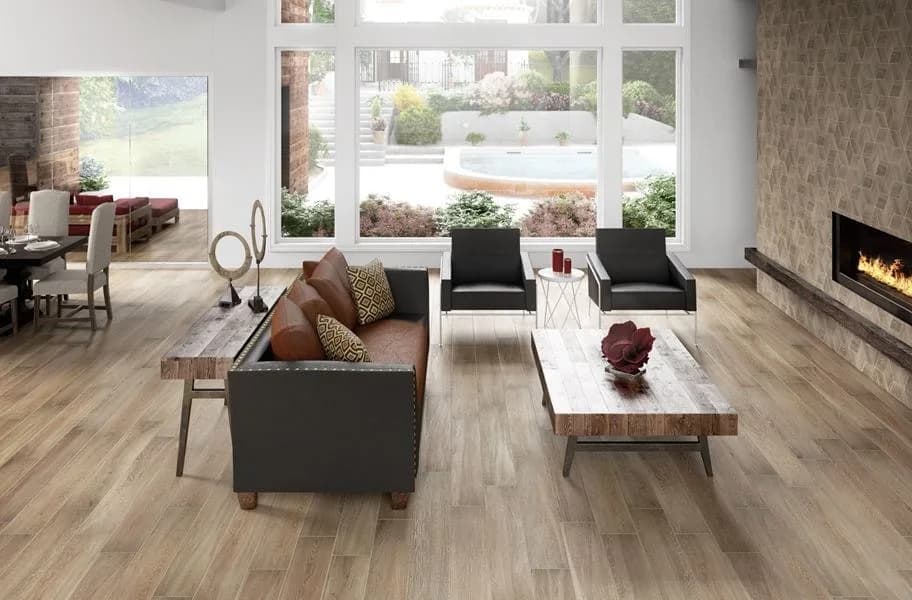
Modern Flooring Ideas: 11 Options for Contemporary Homes
To find the right modern flooring trends for your home, it’s important to understand what elements make a modern-styled home.
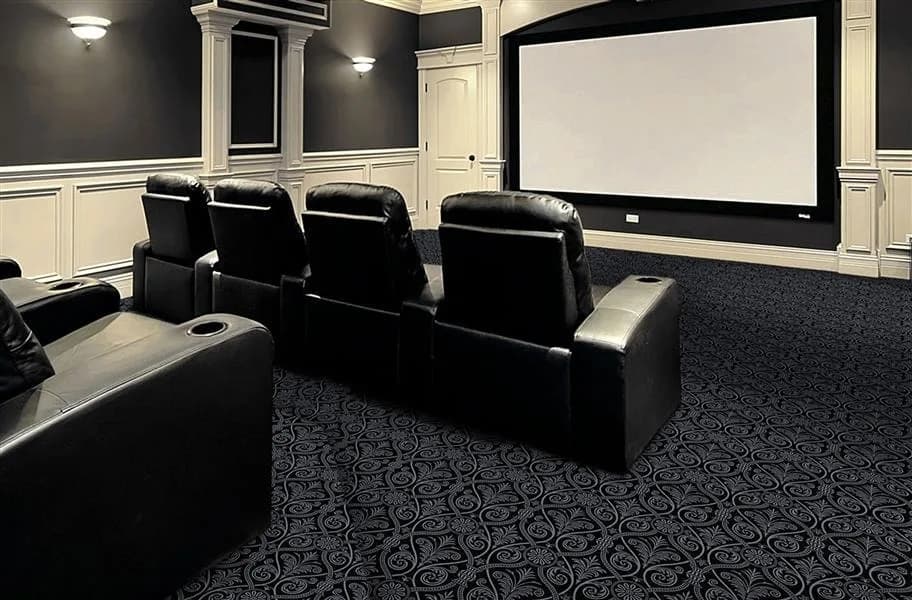
7 Things to Consider When Designing Your Home Theater
To start your theater off on the right foot, check out these tips, tricks, and home theater ideas for designing your home theater oasis!

SPC vs. WPC Luxury Vinyl Flooring: Learn the Difference
While searching for the perfect vinyl flooring, you’ve probably come across the terms SPC and WPC. Learn the differences and compare SPC vs WPC vinyl here.
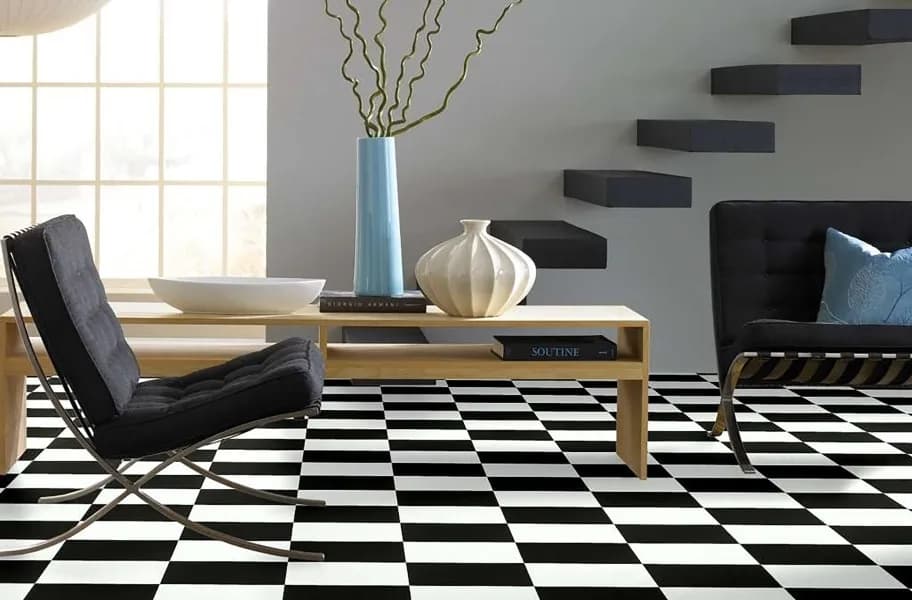
Linoleum vs. Vinyl Flooring: Which is Better?
Linoleum vs vinyl flooring - what's the difference and which is better? Discover the best floor type for your home or business with this comparison guide.
Laminate Flooring Buying Guide
Looking to upgrade your home or business with laminate flooring? This guide has everything you need to know to simplify the buying process.

Pet-Friendly Flooring Buying Guide: The Best Floors for Paws, Claws and Hooves
This ultimate Pet-Friendly Flooring Buying Guide will help you find a stylish, low-maintenance floor to keep you and your pets happy.
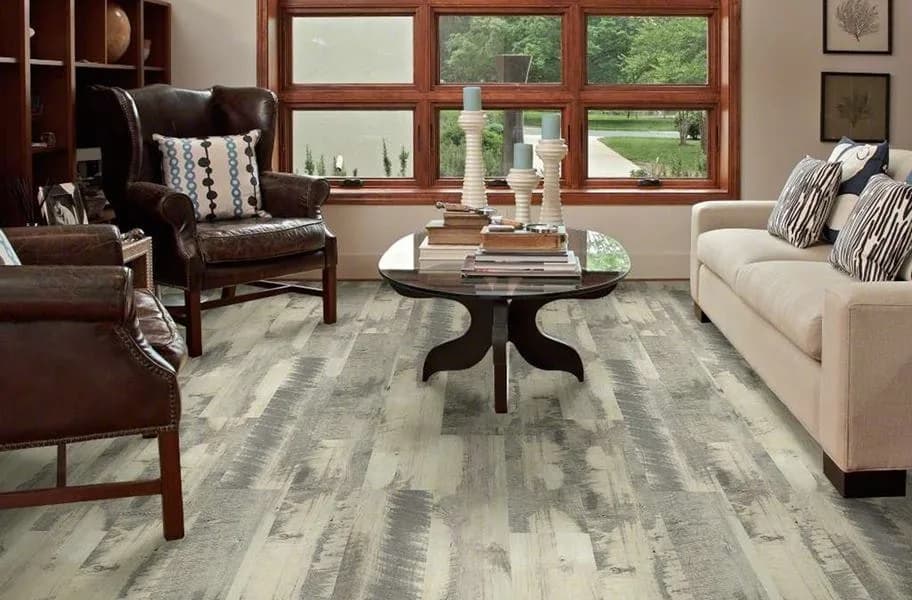
SPC Vinyl: What You Should Know About Rigid Core Flooring
Do you want rigid core luxury vinyl flooring? Learn more about this durable vinyl flooring – get pros and cons, installation tips, and more.

Contemporary Dance Floor Guide
Find the perfect dance floor with our Contemporary Dance Flooring Buyer’s Guide. We've got solutions for all skill levels and dance types.

Pet Turf Buying Guide: 10+ Things You Need to Know
Does your dog need room to run and play? This Pet Turf Buyer's Guide will help you make the best choice for your pup and keep them happy.
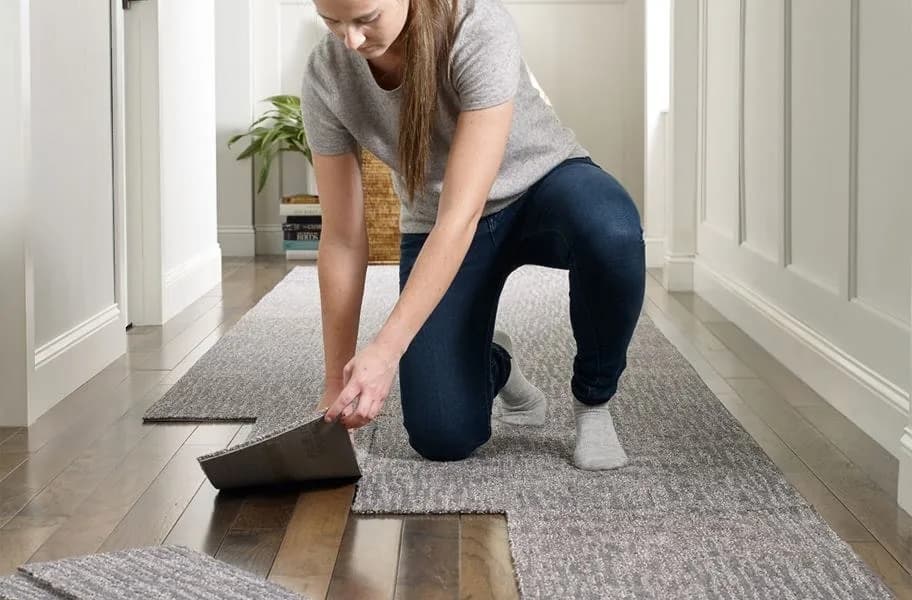
Peel and Stick Flooring: 5 Myths Debunked
Peel and stick flooring is one of the most misunderstood flooring options. Self adhesive floor tiles come with a high quality adhesive.
Every material has its own buying quirks, and this is where we've collected the flagship guide for each one. Start with your material, then branch into the specific questions below.
Start With Your Material
The fastest way to use this page is to jump straight to the guide for the material you're already leaning toward. Each one covers wear layers, installation methods, water resistance, and where a room's traffic level should steer your pick.
- Weighing waterproof options and click-lock vs. glue-down? Read the Vinyl Flooring Buying Guide.
- Comparing fiber types, pile heights, or padding? Read The Ultimate Carpet Buyer's Guide.
- Sorting out AC ratings and core types for laminate? Read the Laminate Flooring Buying Guide.
- Outfitting a gym, garage, or playroom in rubber? Read the Rubber Flooring Rolls Buying Guide.
- Not sure vinyl and laminate are even different? Laminate vs. Vinyl Flooring lays out the tradeoffs side by side.
Before You Compare Materials
Two guides here apply no matter which floor you end up choosing. 6 Common Mistakes People Make When Buying Flooring puts under-ordering at the top of the list, because it is the error you cannot fix later. If tile is also on your shortlist, the Floor Tile Buying Guide gets into grout lines, porcelain vs. ceramic, and layout planning that vinyl and laminate buyers don't have to think about.
Reading the material-specific guide first, then this one, catches problems before they show up on your invoice.