
Vinyl
Articles
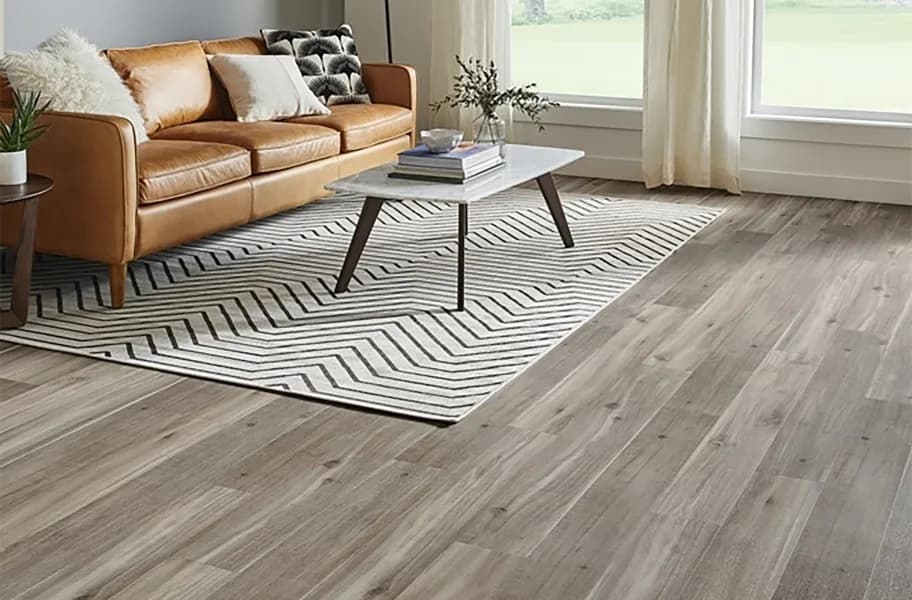
Vinyl Plank Flooring Options: How to Find Your Perfect Match
Want the best vinyl plank flooring? Discover top products, compare pros and cons, and review customer testimonials to decide for yourself.
2025 Holiday Gift Guide: 10+ Best Home Flooring Ideas
Know someone searching for quality, affordable flooring this year? Wow them with the thoughtful gift of the perfect home flooring!
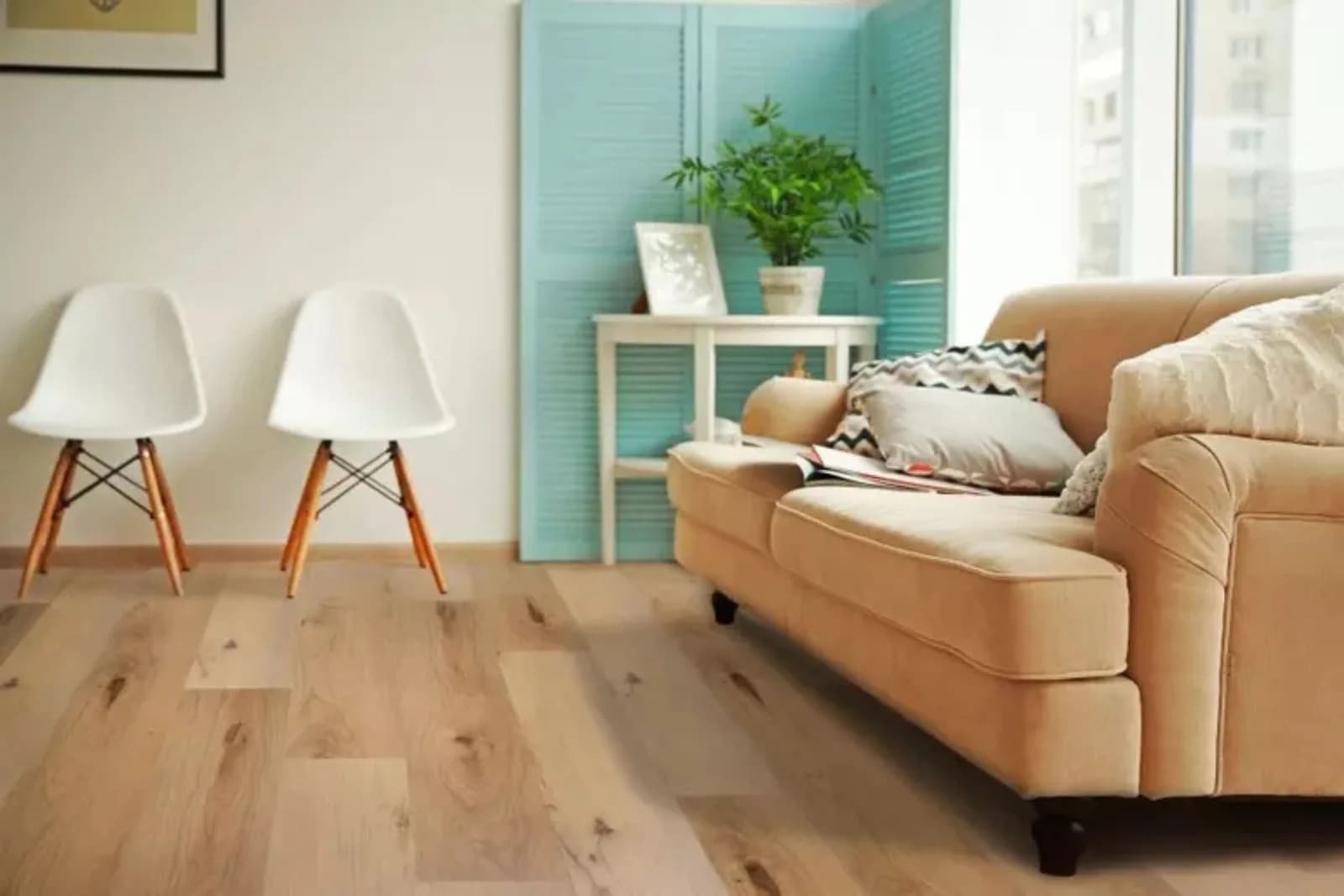
The Best Fake Wood Flooring: 4 Faux Wood Floor Ideas
Want the look of hardwood floors without the cost and maintenance? Explore the top options for faux wood flooring, like laminate and vinyl.
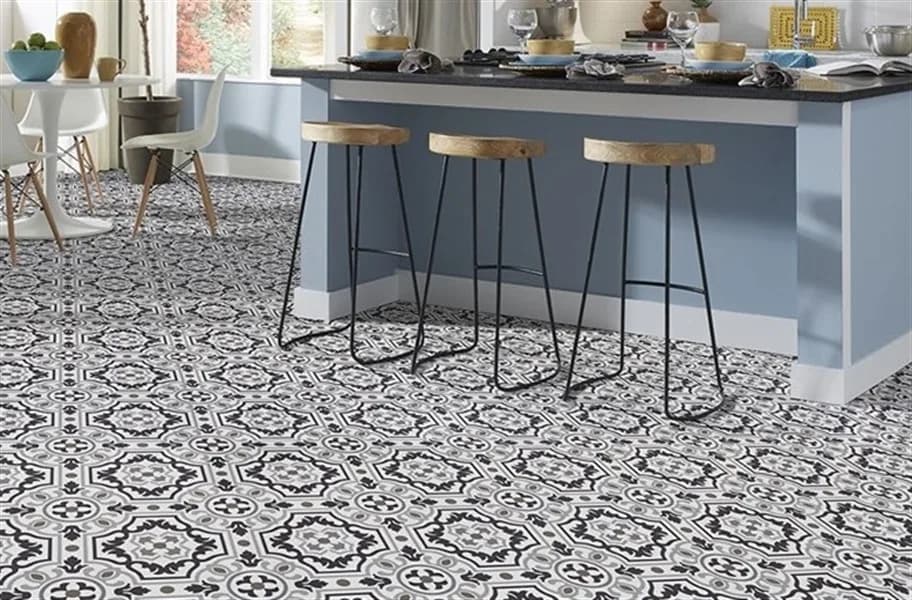
Sheet Vinyl Flooring Buying Guide
There’s a lot of misconceptions about vinyl sheet flooring floating out there, so we wanted to compile the best information on the subject.
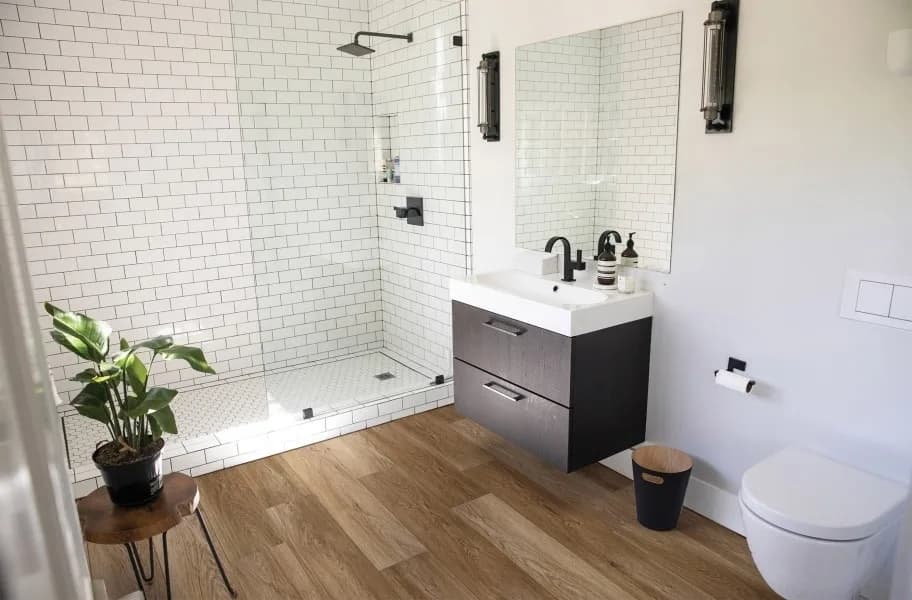
Laminate vs. Vinyl Flooring: What's the Difference?
In this Laminate vs Vinyl Flooring showdown, learn all the pros and cons of both flooring types and decide which floor is best for you.
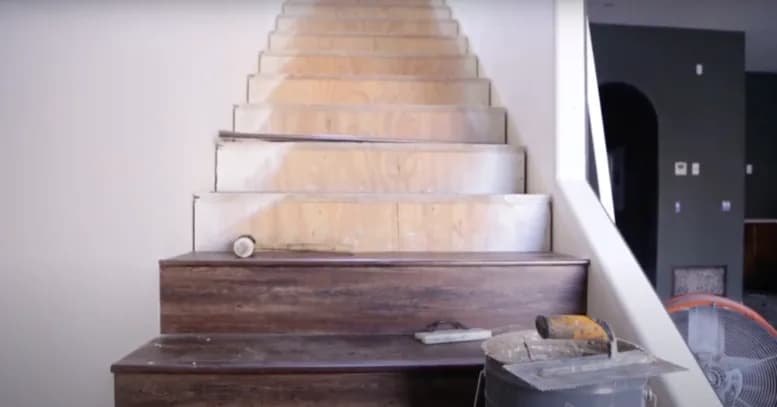
How to Install Vinyl Plank Flooring On Stairs in 6 Steps
This guide will show you how to install vinyl plank flooring on stairs. Follow easy step-by-step instructions to start your DIY project.
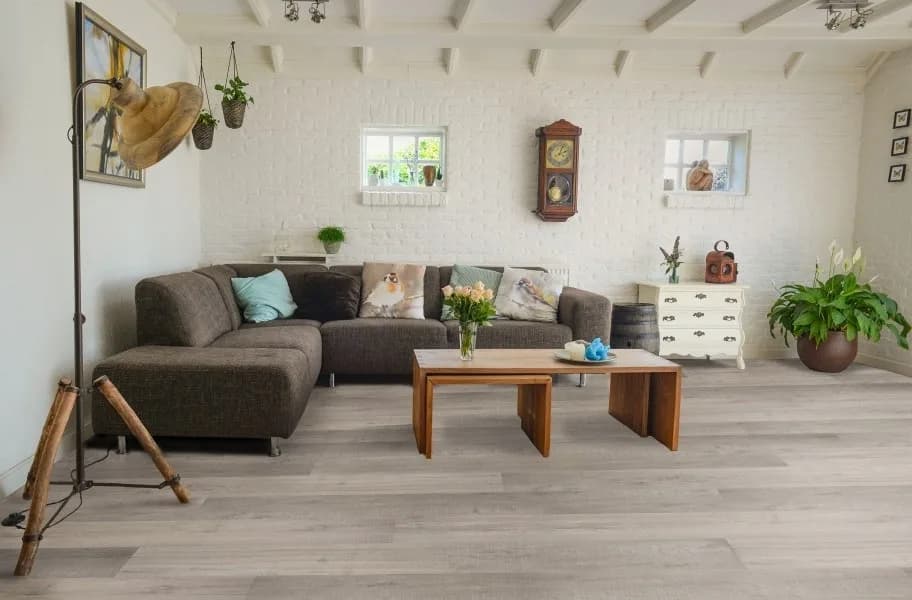
How to Install Vinyl Flooring: 3 Methods
Installing vinyl flooring can be a great DIY project, saving you money and giving you the satisfaction of having installed your own flooring.
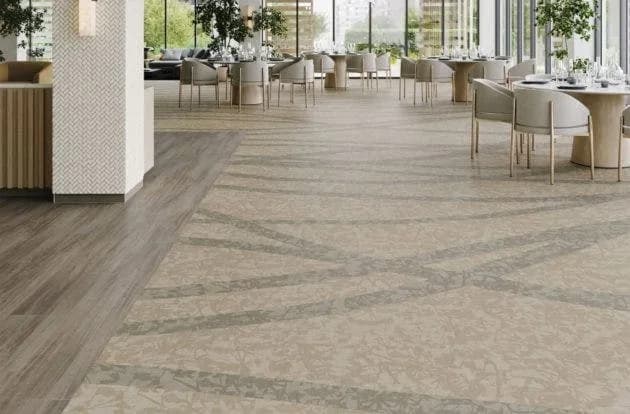
Top 5 Commercial Flooring Options: Our Expert Picks
Durable flooring is a must for high traffic commercial spaces. Learn the benefits and challenges of each of the top 5 flooring options.
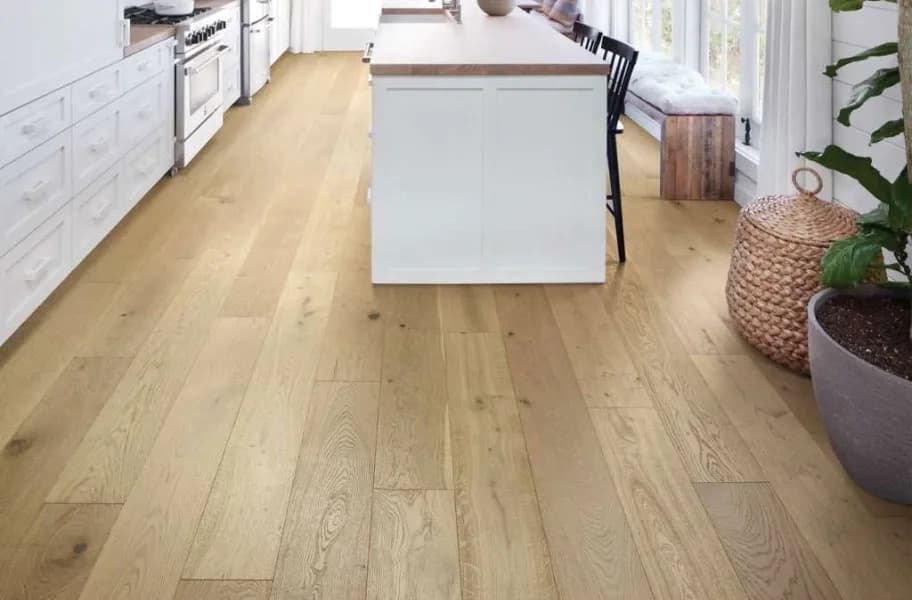
Scandinavian Flooring Ideas: 6 Styles for a Nordic-Inspired Home
Bring Nordic charm into your home with beautiful Scandinavian flooring! Explore the best wood flooring options to choose the right for you.

6 Tips to Protect Your Floors During the Move
Planning a relocation and want to spare your home of damage? Here are 6 tips to protect your floors during the move.
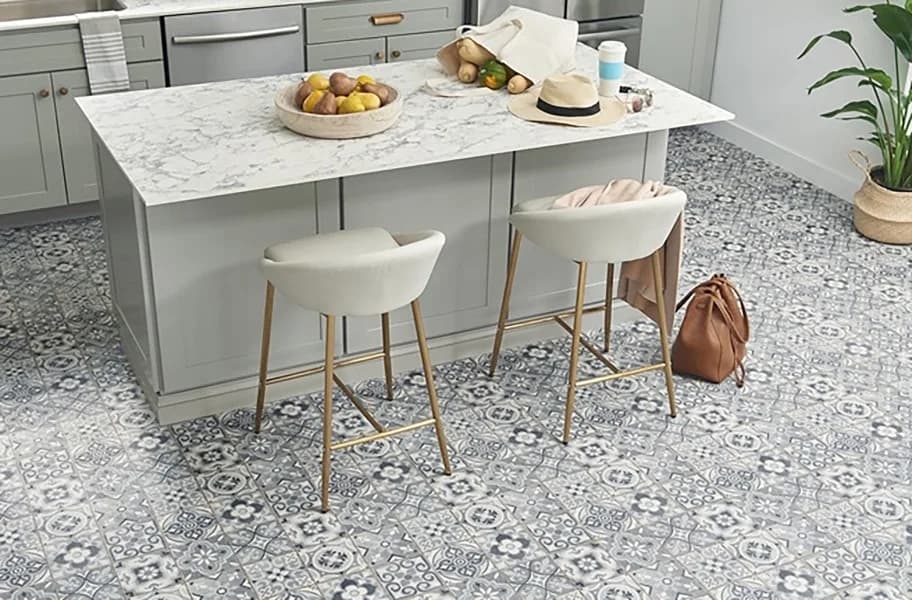
6 Vinyl Flooring Myths: Get the Facts from Our Experts
Vinyl flooring is stylish and durable, but there are a lot of vinyl flooring myths. Let’s debunk six common myths about vinyl flooring!
5 Ways to use Peel and Stick Vinyl Tiles
Peel and stick vinyl tiles are a crazy affordable, ridiculously easy flooring option. Check out 5 creative ways you can make the most out of these tiles!
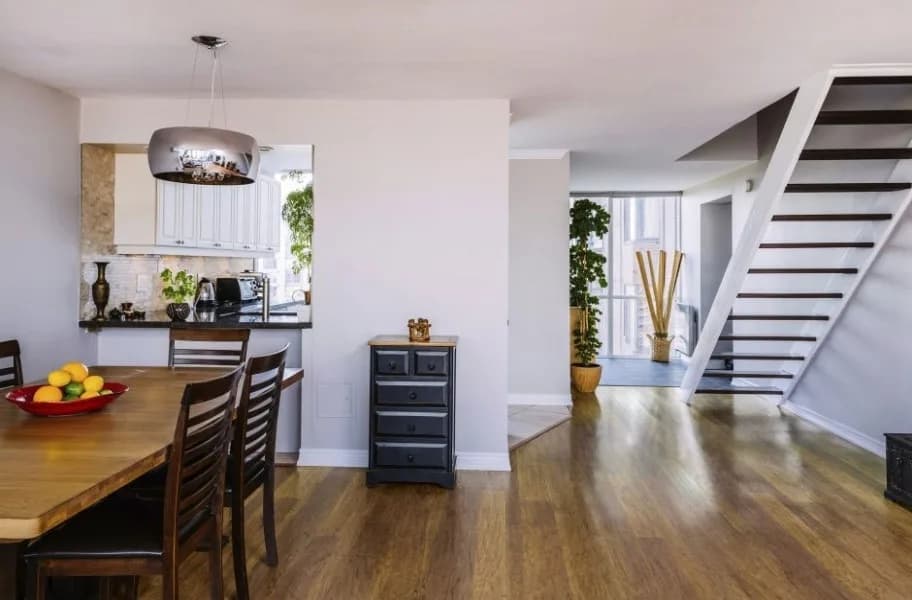
5 Best Low-Voc Flooring Options for a Healthier Home
Create a healthy home with low-VOC flooring! Choose from various flooring options that you won't have to sacrifice your style or safety for.
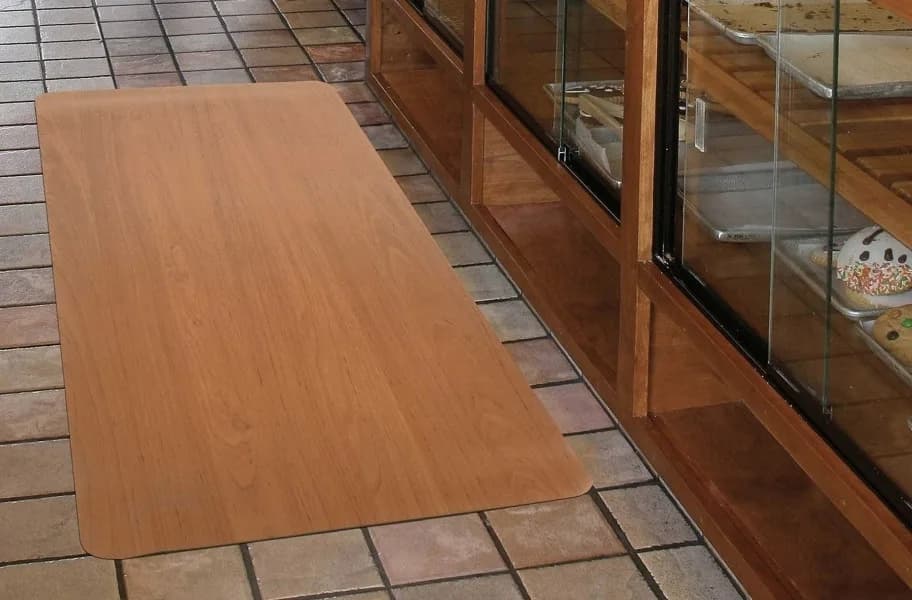
Food Truck Flooring: Choose the Right Flooring for Your Business on Wheels
Have you considered what floor to use in your food truck? Find the best food truck flooring for your business on wheels.
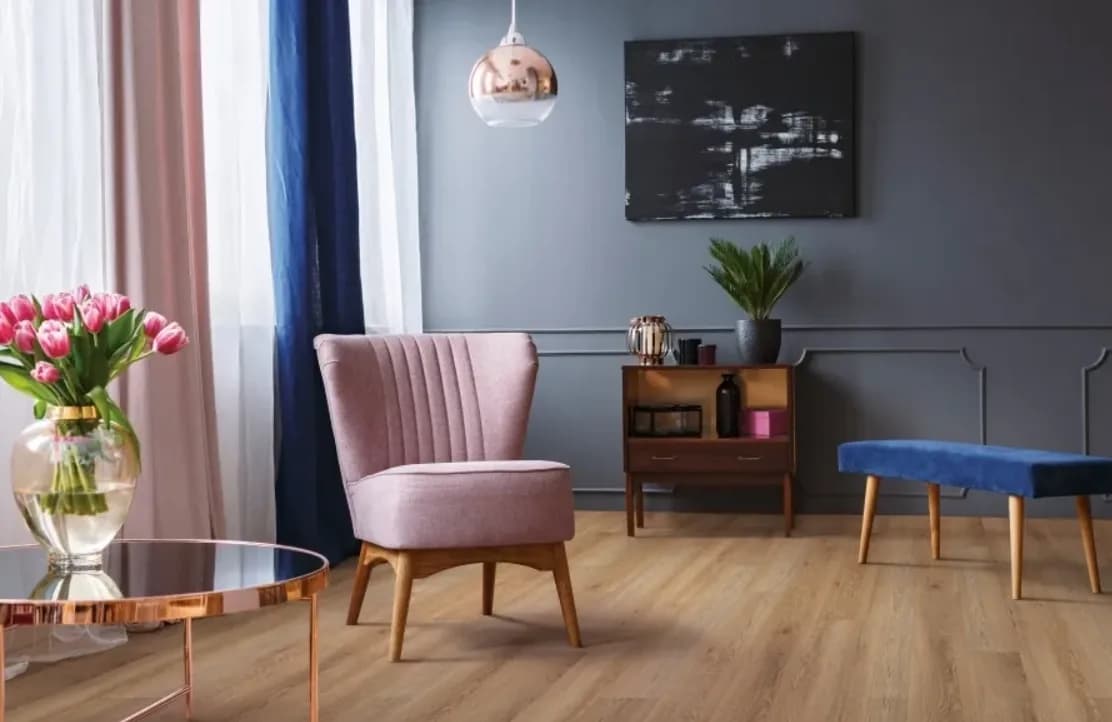
Accent Wall Ideas: 15 Design Trends to Update Your Style
Accent walls offer a quick, easy, and budget-friendly way to refresh a room. Explore these accent wall ideas to inspire your style.
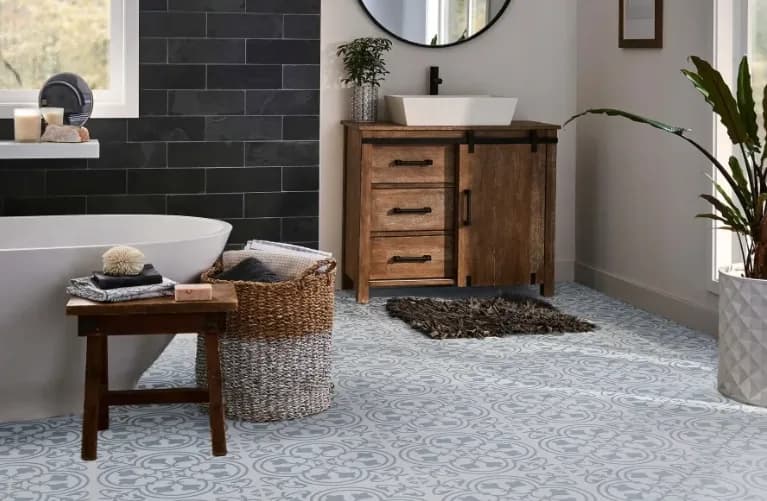
2025 Bathroom Flooring Trends: 20+ Updated Styles
Use this guide to the hottest bathroom flooring trends and find durable, stylish bathroom flooring ideas that will stay trendy for years to come.
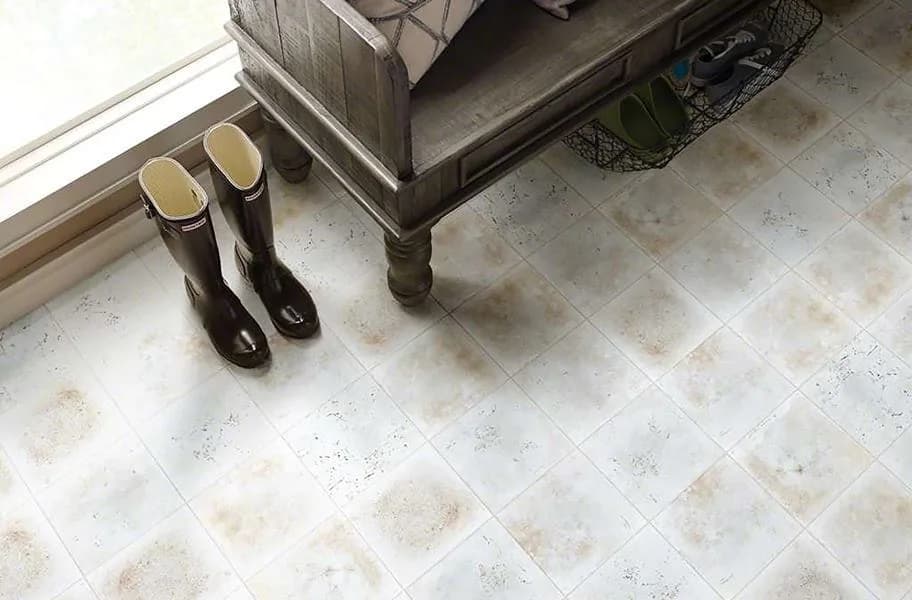
Floor and Wall Tile FAQ: Your Questions Answered
This tile FAQ compiles the most common questions we hear from tile buyers, and provides in-depth answers to satisfy your curiosity.
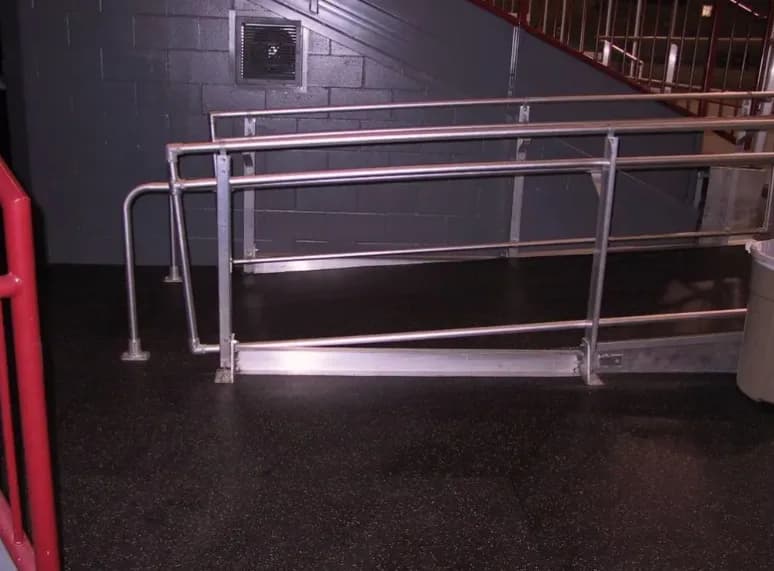
ADA-Compliant Flooring for Wheelchairs: What You Need to Know
When using a wheelchair, wheelchair-accessible flooring is a must-have. This guide will help you find the best flooring for wheelchairs.
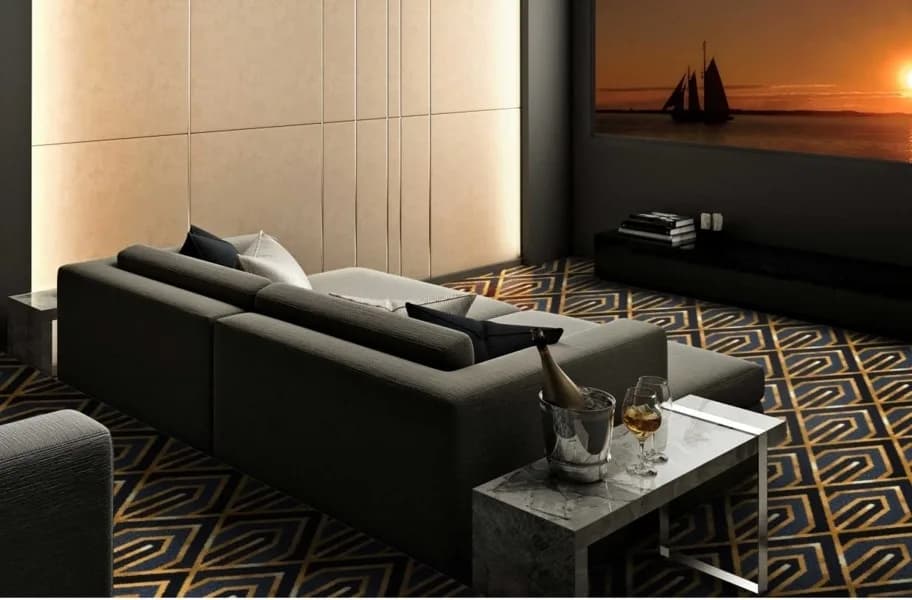
Best Art Deco Flooring Options to Match Your Style
Creating an art deco style for your home? Learn how to choose art deco flooring with the best trendy options on the market.
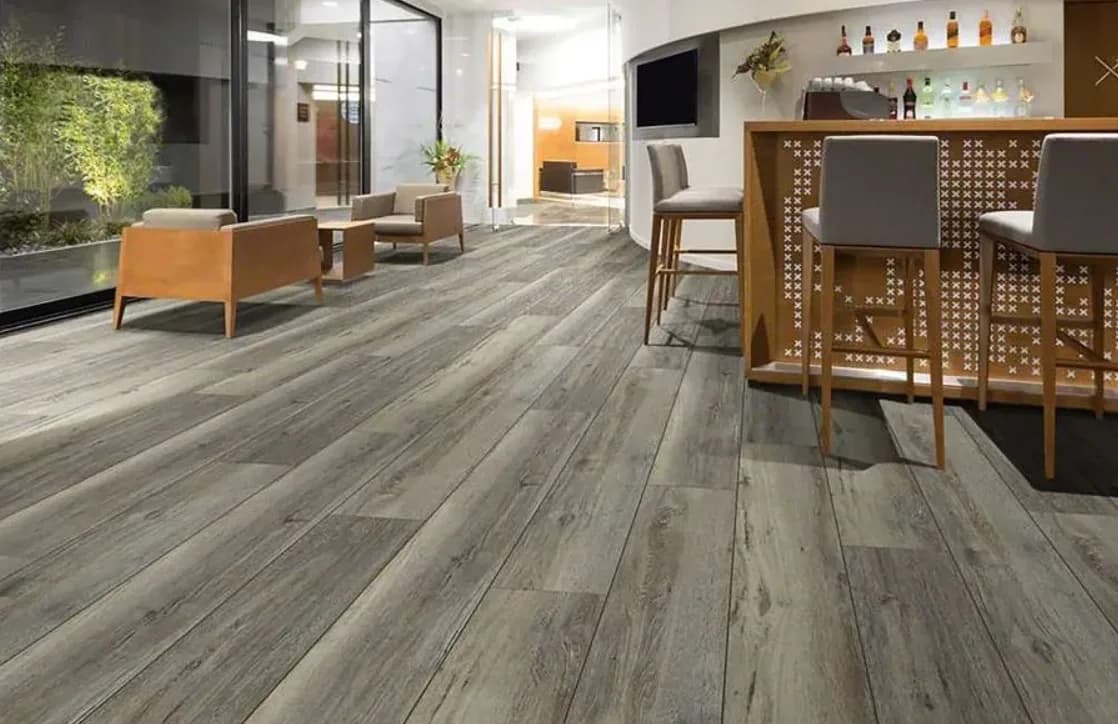
2025 Flooring Trends: This Year's Top 5 Trends & More
Use these 2017 flooring trends to choose a floor that is durable and stylish that will stay in style the lifetime of your floor.
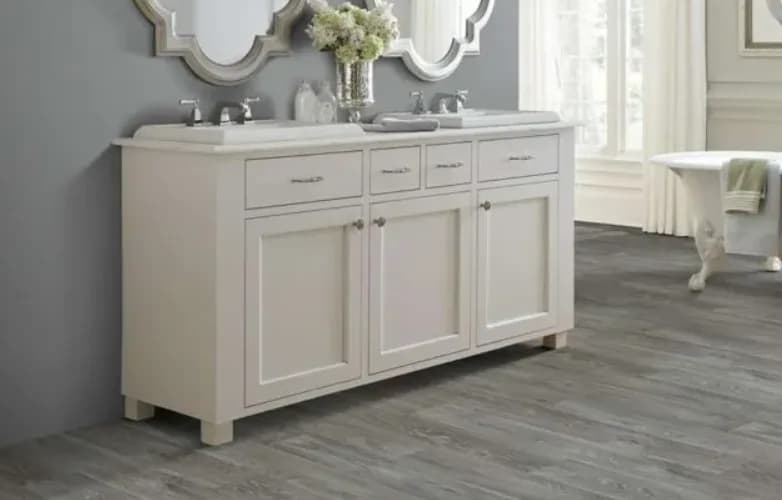
Farmhouse Flooring: 15+ Ideas for a Country Chic Home
Create the country-inspired home of your dreams! Explore our Farmhouse Flooring: 15+ Ideas for a Country Chic Home guide for interior tips!
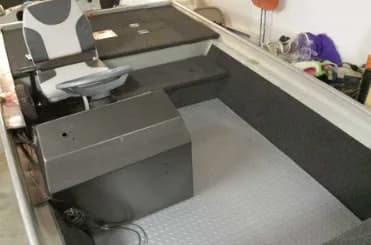
How to Choose Boat Flooring Like a Pro
Discover the best boat flooring options including rubber, vinyl, carpet tiles and more. You can easily make your boat pop with these affordable options.
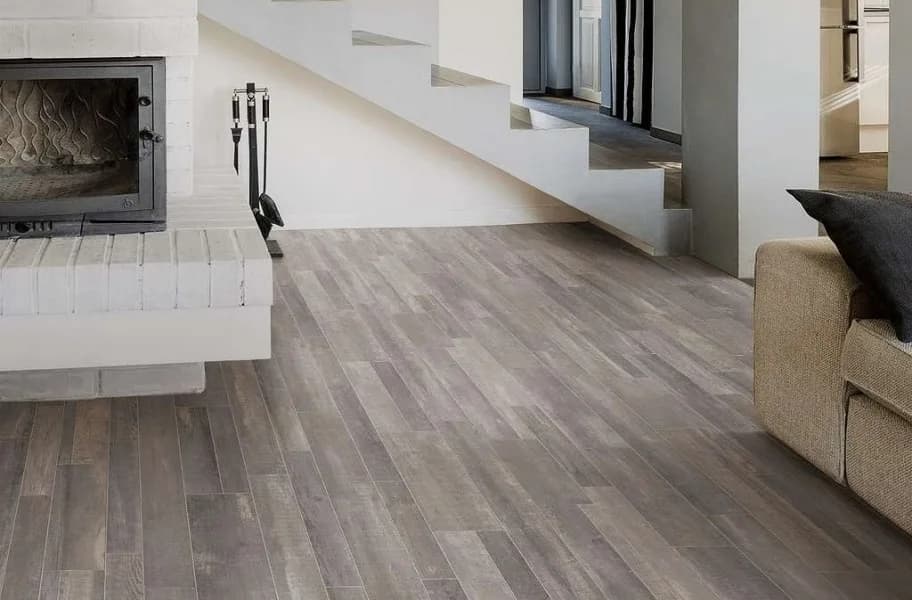
Easiest 5 DIY Flooring Solutions: Learn to Install Flooring On Your Own
the flooring world has made a lot of technological improvements in recent years to make DIY flooring a real option no matter your skill level.

How to Choose Commercial Vinyl Flooring: 7 Essential Facts
Commercial vinyl flooring is one of the best high-traffic flooring options. Learn about pros and cons, installation, and more.
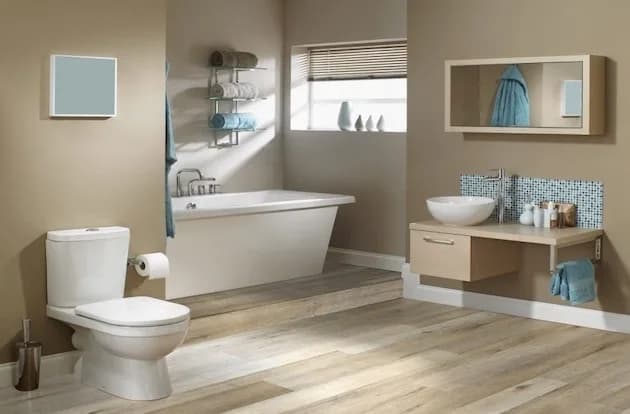
Best Bathroom Flooring Options
Your best bet for a durable, low-maintenance floor is a range of 100% waterproof bathroom flooring options such as vinyl or tile.
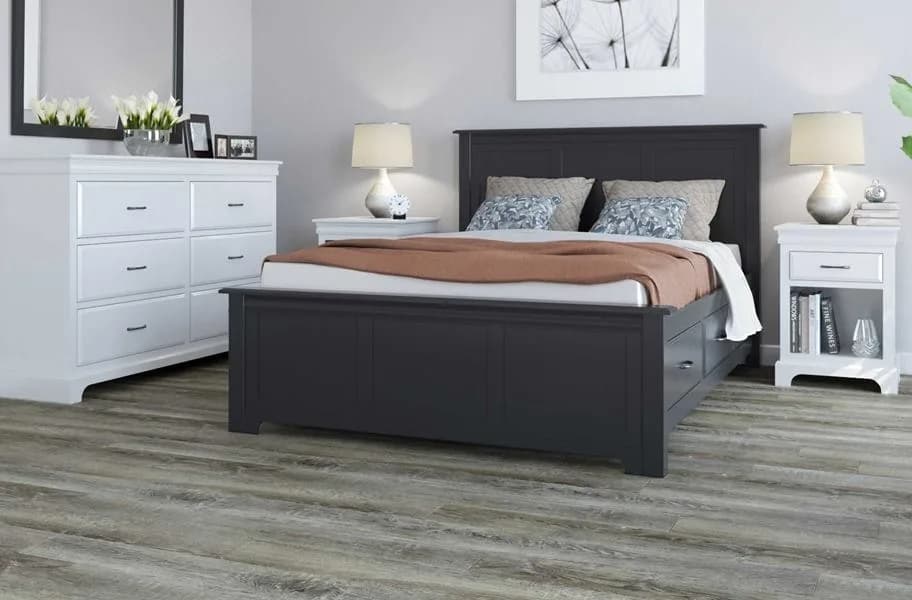
10 VInyl Plank Flooring Pros and Cons
Vinyl plank flooring is one of the most popular floor types available today. Consider these vinyl plank flooring pros and cons today if you are in the market for new flooring.
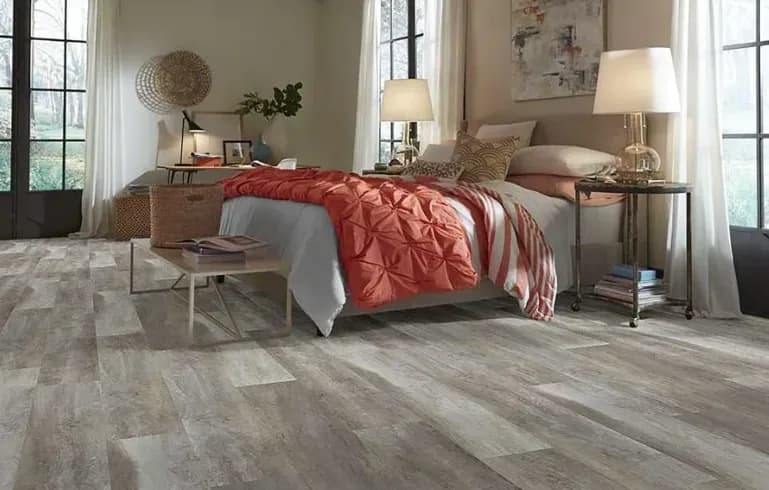
Cheap Flooring Ideas: Keep Your Budget and Style
Cheap flooring ideas that has the guaranteed bang for your buck for your floors to make a statement and last, without wasting your budget.
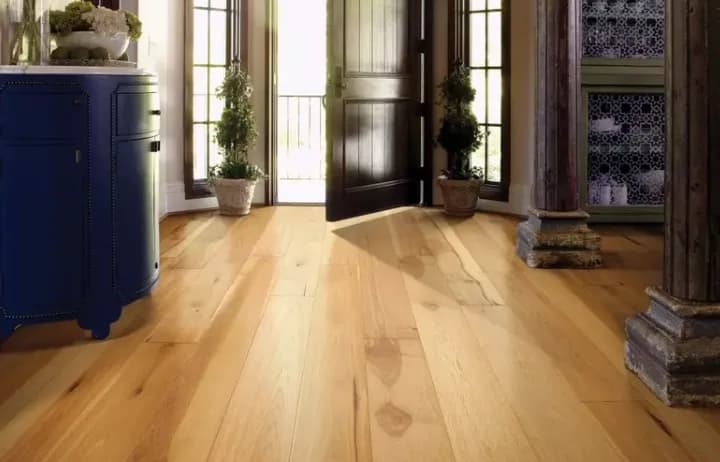
2025 Flooring Layout and Pattern Trends
Use these 2025 flooring layout and pattern trends to choose a look that is stylish that will stay in style the lifetime of your floor.

10 Ways to Use Pantone's Color of the Year
Every year Pantone introduces a new color of the year. This year, Ultra Violet has made a splash in fashion, graphic design, and even interior design. Ready to introduce Ultra Violet into your home? L
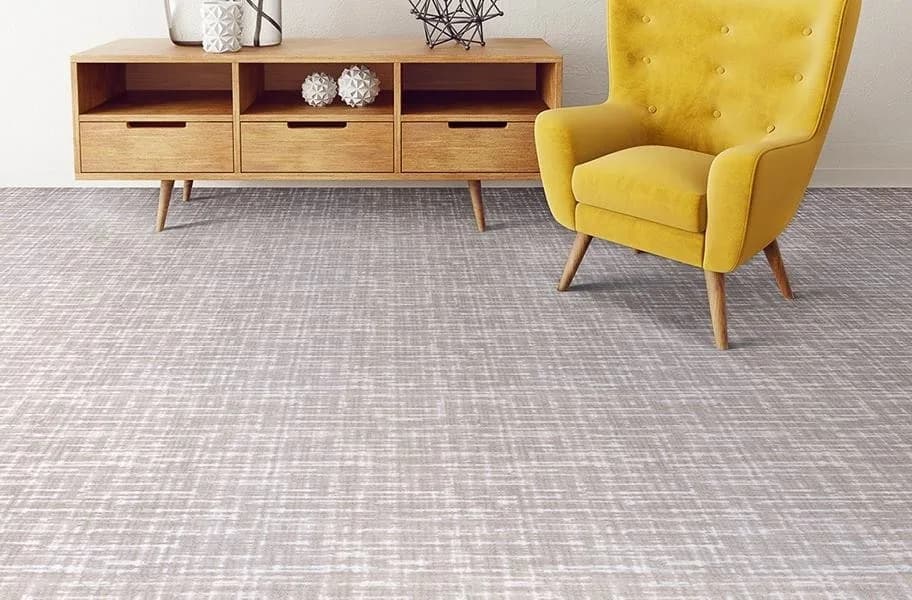
Best Mid-Century Modern Flooring Options to Fit Your Style
The mid-century modern style is back in a big way. Explore mid-century modern flooring options to complete the look in your home.
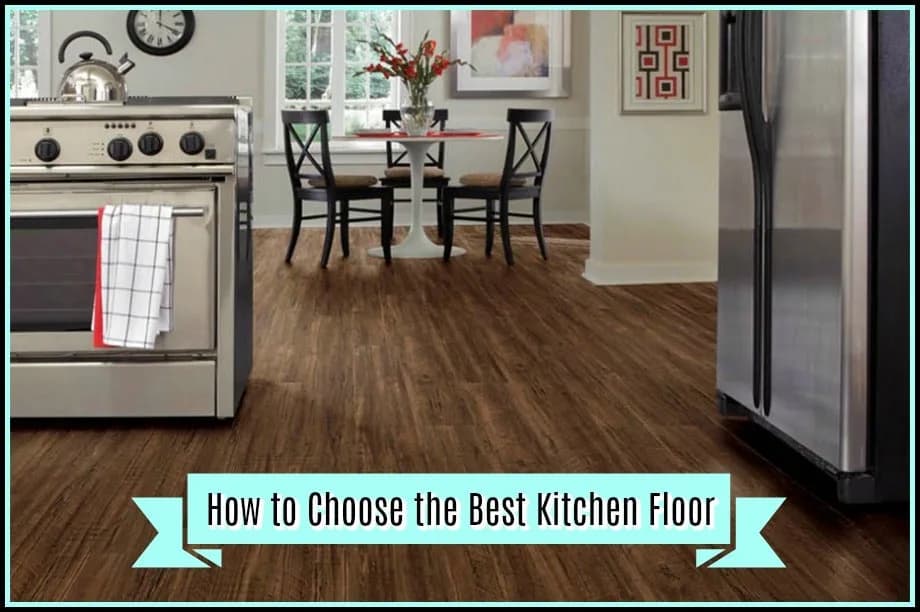
How to Choose the Best Kitchen Floor
Choosing the best kitchen floor can be difficult. Luckily, we have the perfect guide to help you choose a kitchen floor that can stand the heat.

Best Dog Kennel Flooring: 3 Doggy Daycare Ideas
Running a doggy daycare and looking for flooring that can handle the task? This guide will help you find the perfect dog kennel flooring.
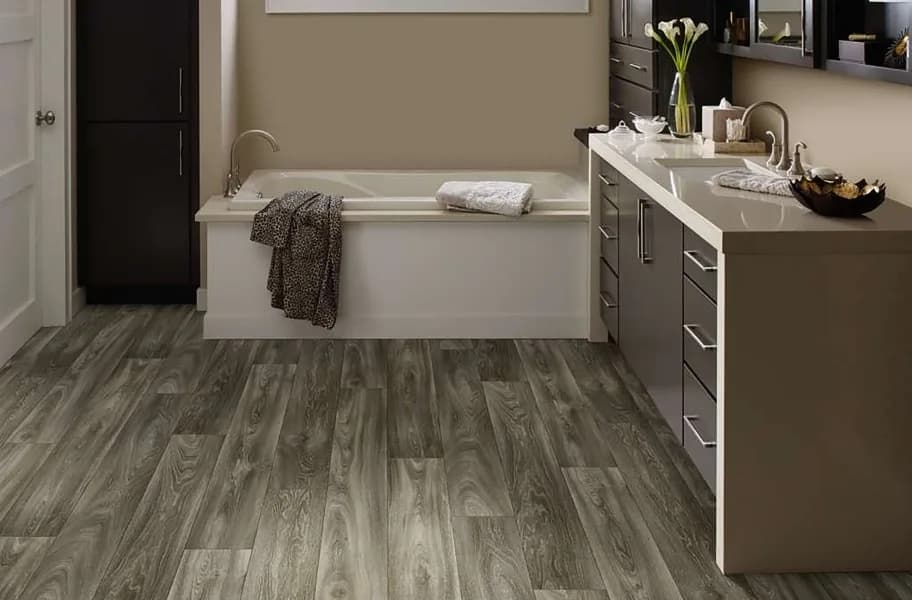
Vinyl Sheet Flooring Guide: Seamless, Waterproof Solutions for High-Moisture Rooms
Vinyl sheets are stylish, affordable, and often very easy to install. This guide will help you find the best sheet vinyl flooring.
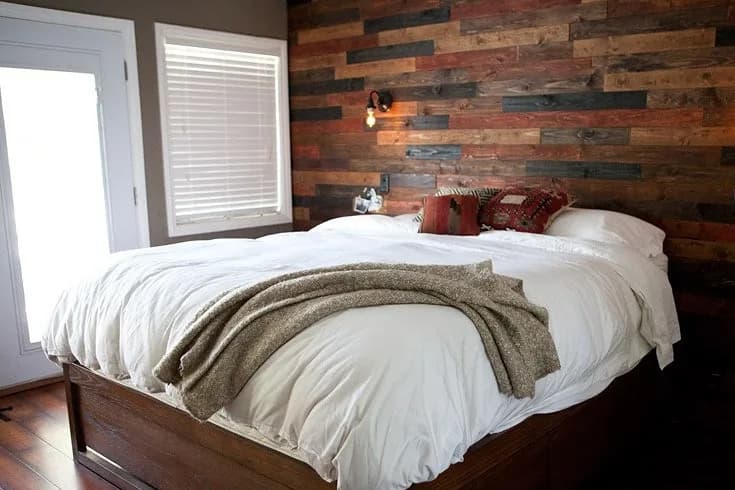
10 Ways to Use Up Leftover Flooring
Don't throw away those scraps of leftover flooring! Use these 10, fun and creative ideas to make the most out of your leftover flooring.
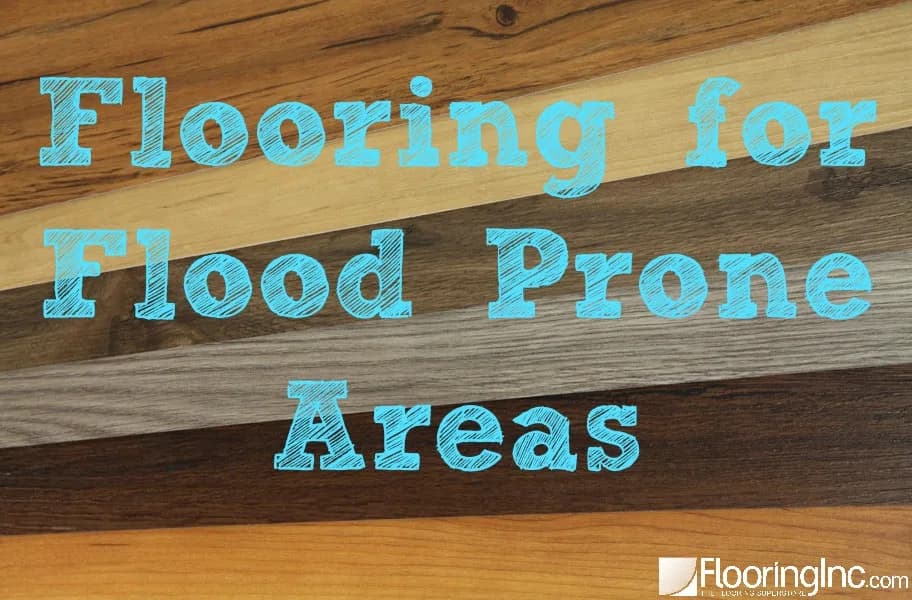
Flooring for Flood-Prone Areas
Protect your home with the best flooring for flood prone areas. Find the best option for your home between vinyl, rubber, carpet and more.
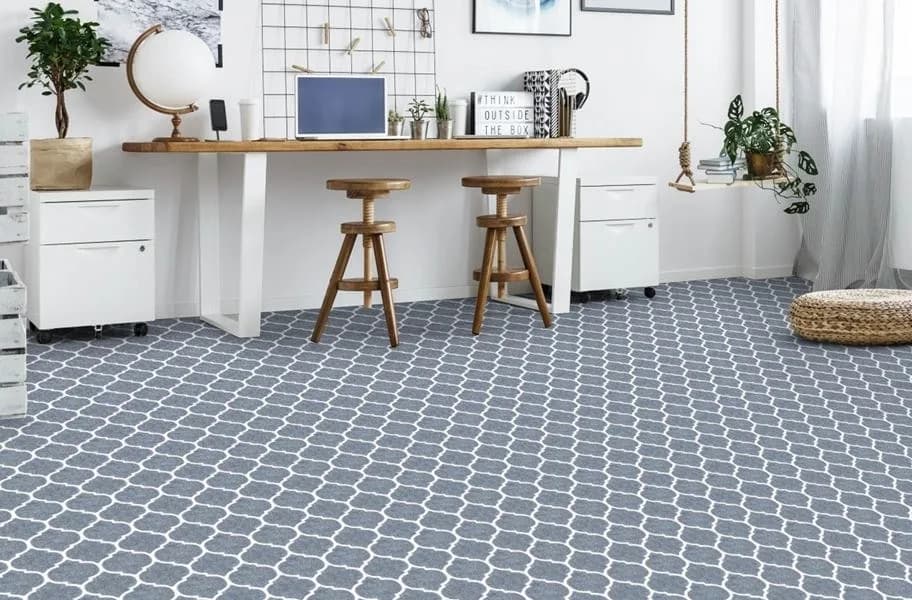
Flooring Pattern Repeat and Drop Matches Explained
The trick to getting a flooring pattern match for carpet rolls or vinyl sheets is to understand pattern repeats, from standard match to drop match.
Create a Kid's Study Room: 12 Homeschool Room Ideas
With a well set-up homeschool room, you can create a successful learning space. All you need is the right furniture, flooring, and decor.
Hardwood vs. Vinyl Planks: The Best Fit for You
Discover the differences between hardwood and vinyl planks to find the best flooring option for your space. Learn more to make an informed decision today!
How to Choose Flooring to Fit Your Style
How to Choose Flooring to Fit Your Style: An easy guide to discover what your design style is and which flooring style will complement your unique look.
The Best Basement Flooring Options
Basement flooring can be a tough nut to crack, but we've got you covered with this list of the best basement flooring options. What you choose is up to you!
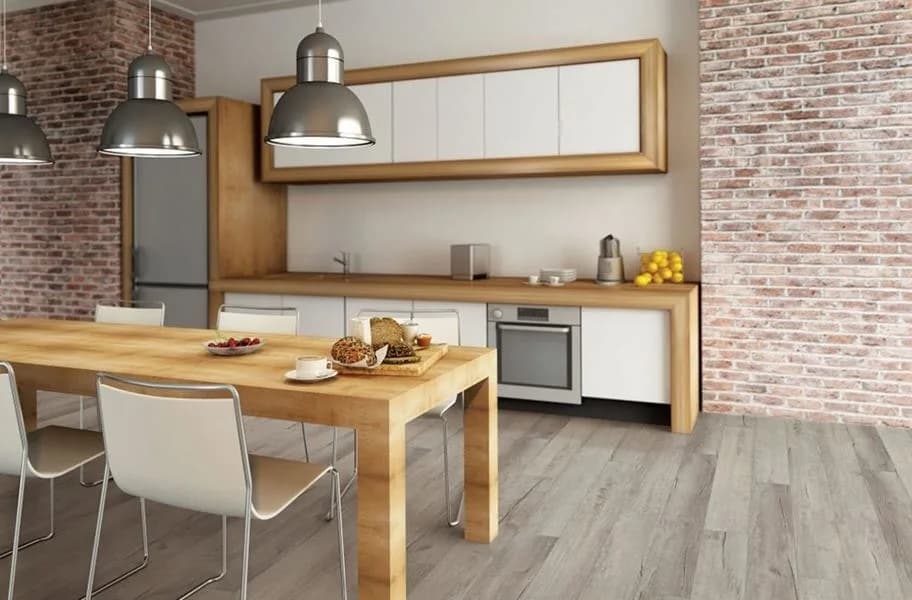
Temporary Flooring for Renters: 8 Ideas to Take Your Place from Bland to Beautiful
Explore the ins and outs of temporary flooring for renters, and the different options you have to make a rental property feel more like you.
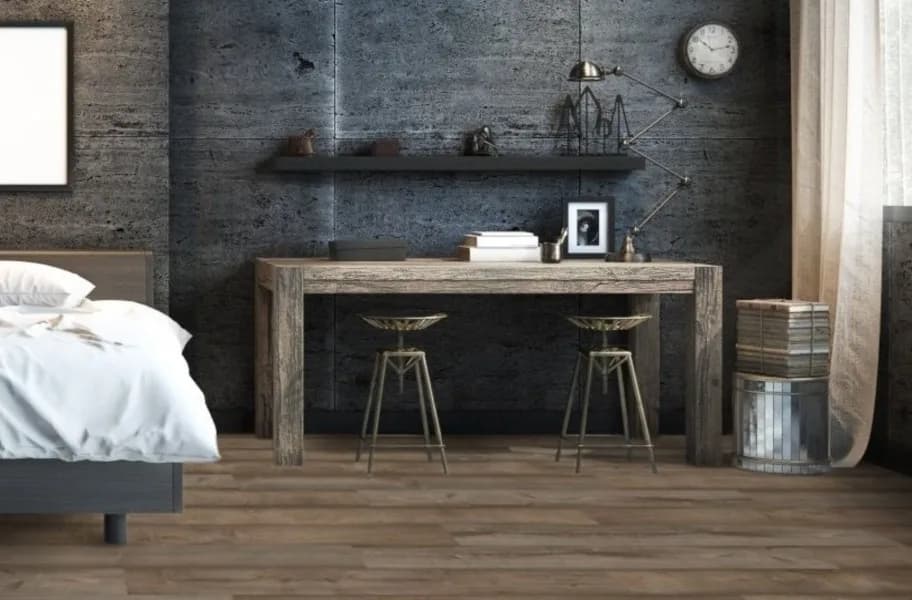
The 4 Best Rustic Flooring Options for a Country Style Home
The rustic interior design style never really stops trending. Learn how to choose the best rustic flooring options to tie your look together!
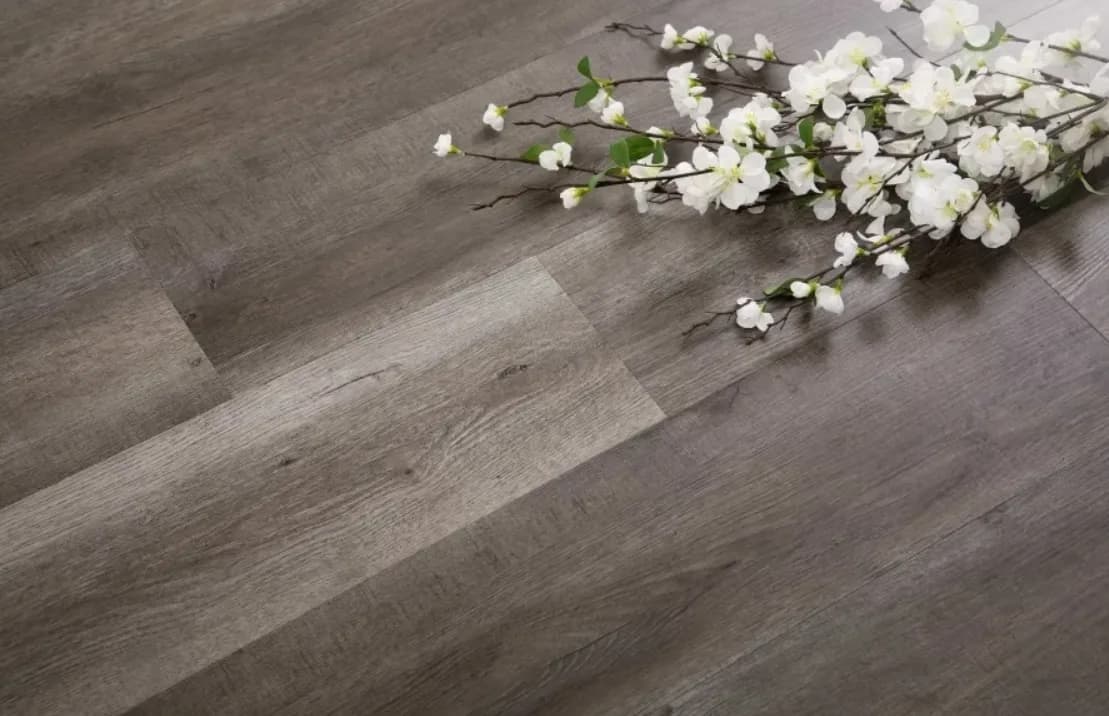
How to Clean Vinyl Floors: Hot Tips You Need to Know
You probably have some questions about how to clean vinyl floors. We have all the tips you need to keep your vinyl flooring beautiful for years to come.
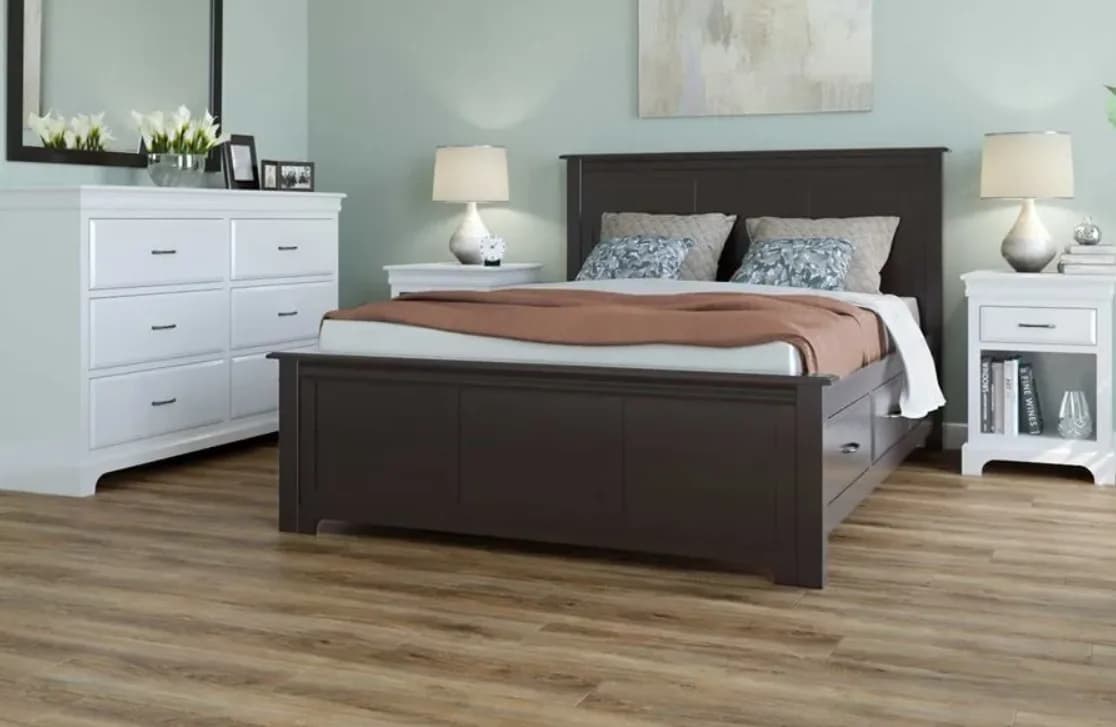
Furnishing and Decor Tricks To Accentuate Your Floors Perfectly
Sure, we love talking about the latest flooring trends that will inspire you to spruce up your living environment. But what happens when you’ve already picked out the floors for every room, and now yo
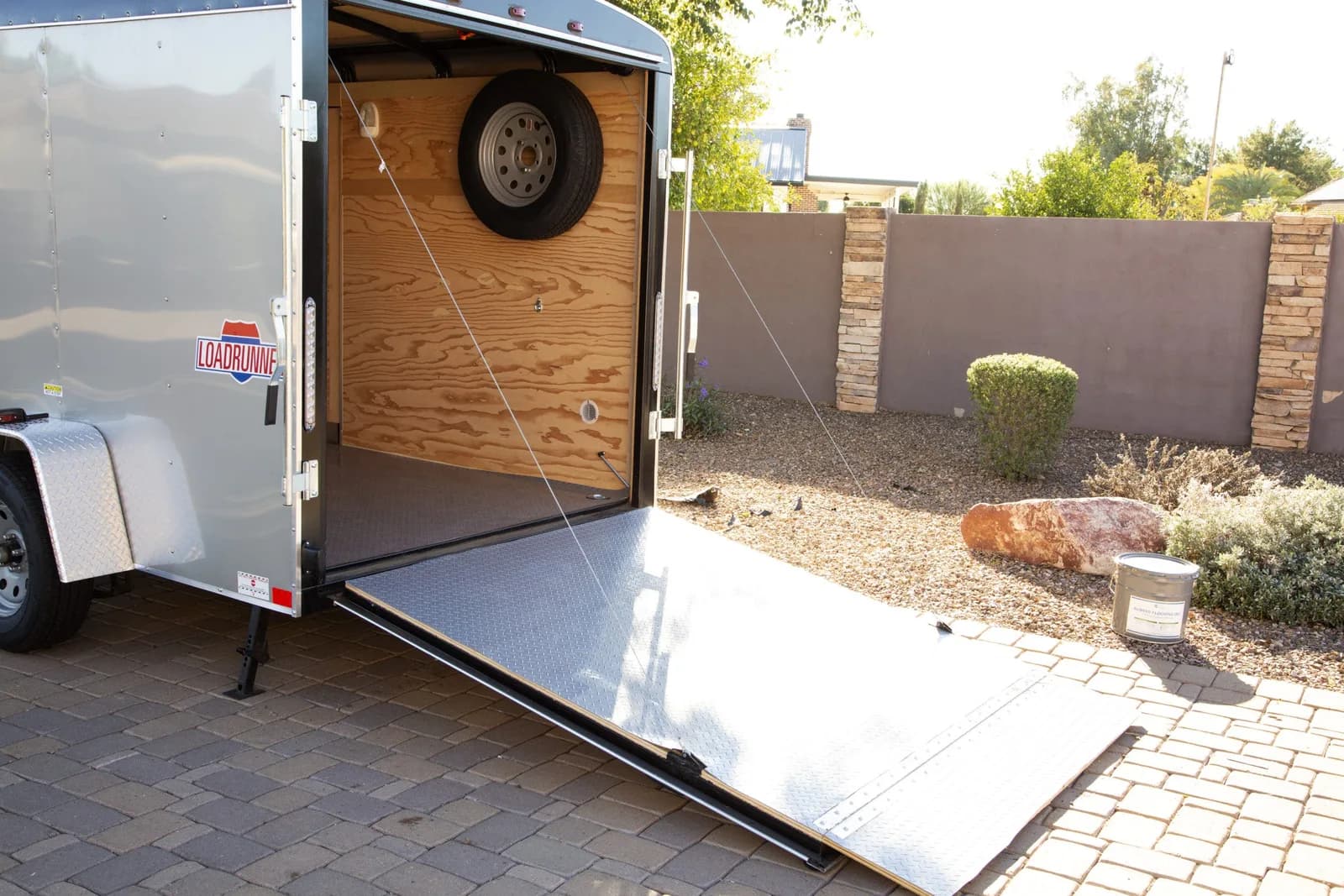
Trailer Flooring Buying Guide
It’s important to protect your trailer with the right floor. Find the most durable, weather-resistant flooring here in our trailer flooring buying guide.
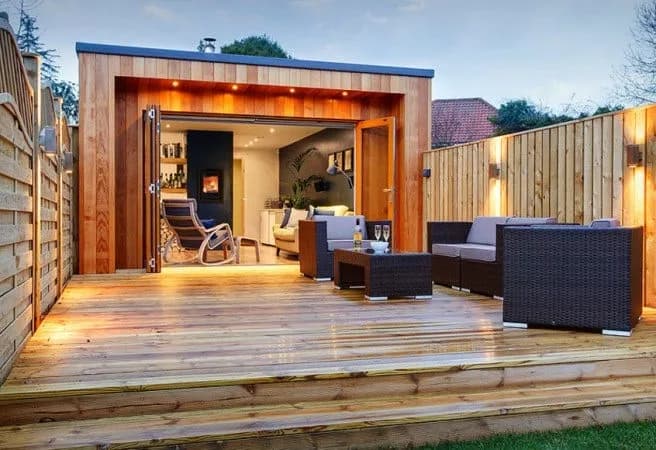
She Shed Ideas: 5 Design Styles to Personalize Your She Shed
Your she shed should be an expression of you, but how is it done? Start planning and designing your backyard retreat with these she shed ideas.
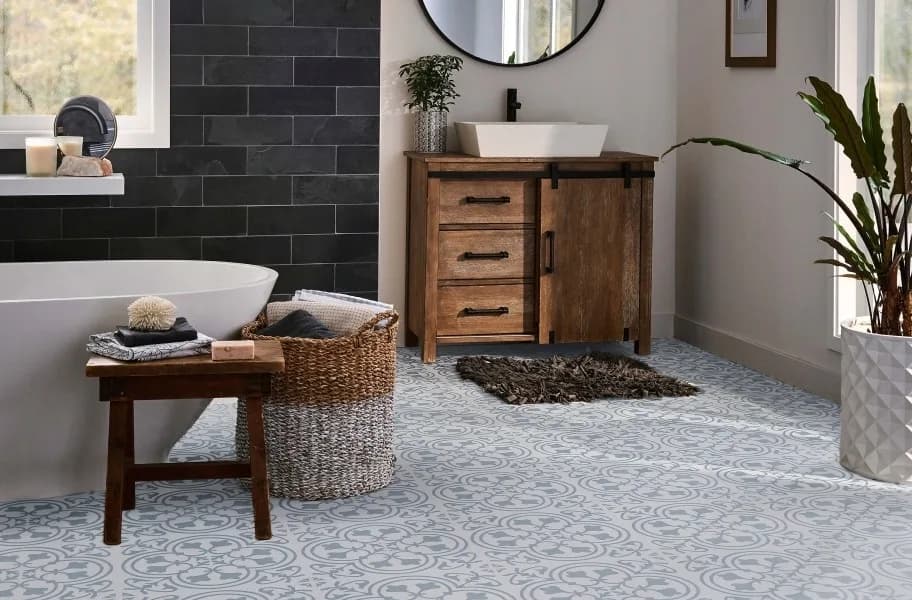
Waterproof Vinyl Flooring: Your Guide to SPC and WPC
Waterproof vinyl flooring is the latest in luxury vinyl and some of the most durable flooring around. Explore your options in this guide!
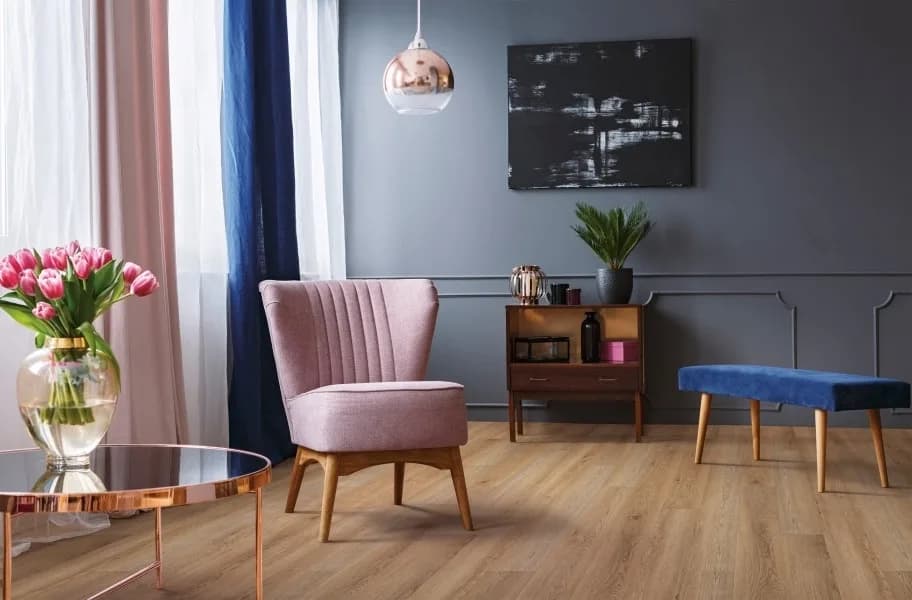
Vinyl Plank Flooring: Everything You Need to Know
With all the information out there, vinyl plank flooring can be a confusing subject. That’s why I’ve compiled the best information we have on vinyl planks.
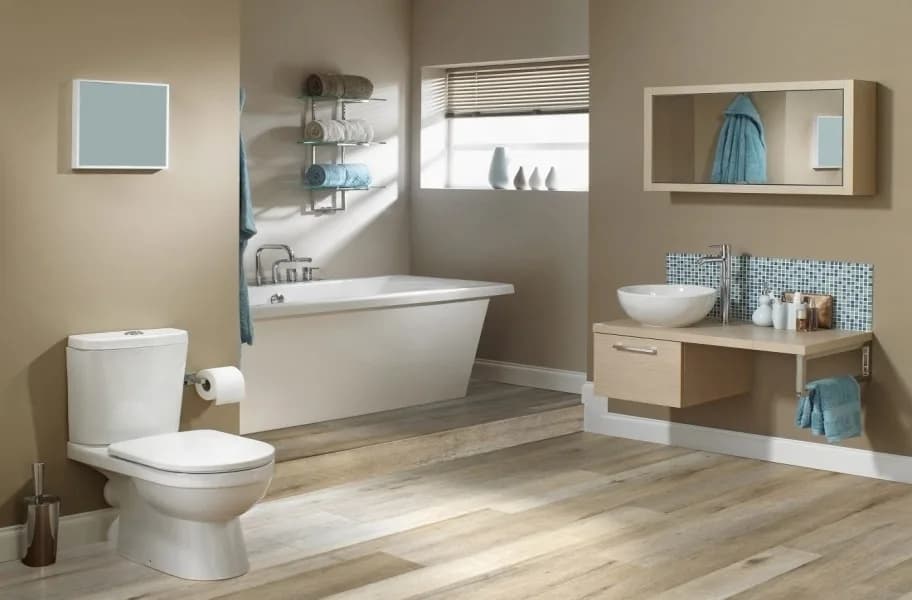
Vinyl Flooring Buying Guide: What You Should Know
Learn everything you need to know about vinyl flooring with our in-depth buying guide. From wood looks to waterproof cores, we've got it.
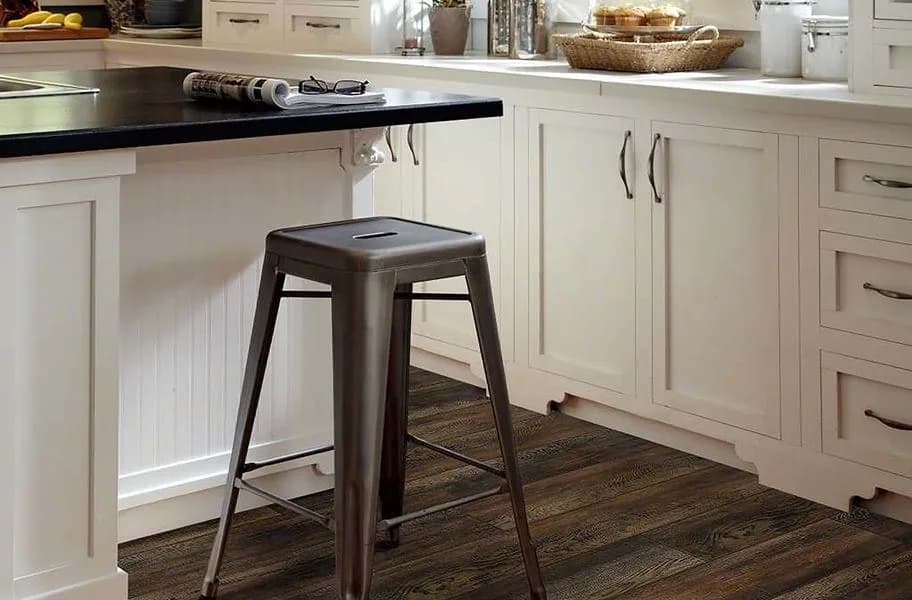
Waterproof Flooring: WPC Red Wine Challenge
Best Waterproof Flooring: Red Wine Challenge. Can WPC stand up to red wine stains? The answer is yes! With a 100% Waterproof core, WPC vinyl is strong.
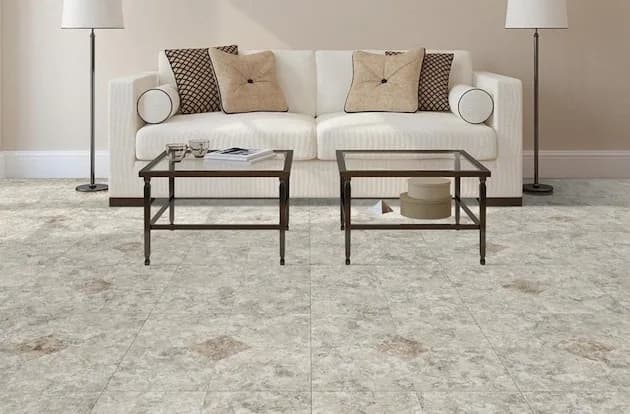
Vinyl Tile Flooring Buying Guide: What You Should Know
Searching for vinyl tile flooring? With so much information out there, it can be difficult to settle on the perfect vinyl tile. That’s why I’ve compiled the best of the best information on vinyl tiles
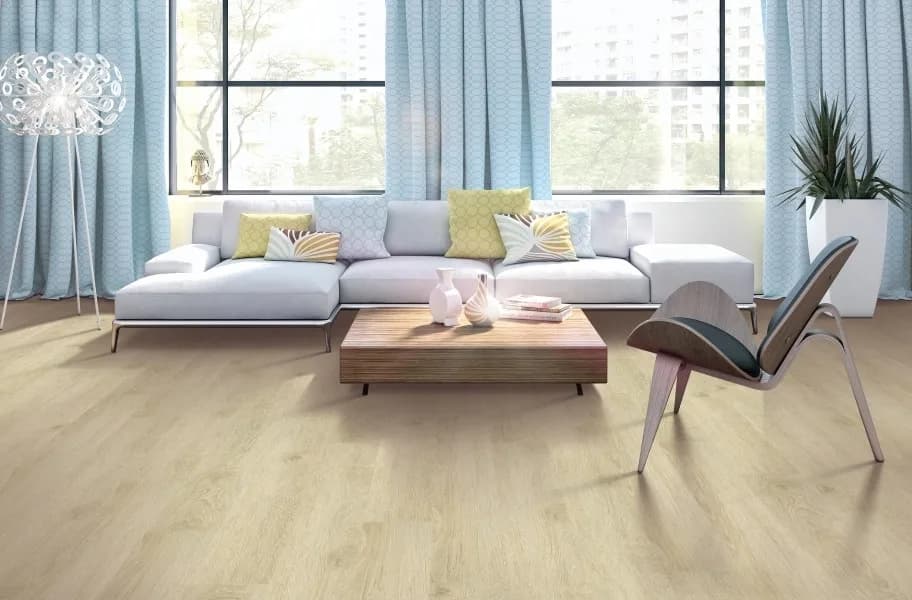
Vinyl Floor FAQ: 20+ Things You Should Know
Vinyl flooring can be very tricky. That’s why we’ve compiled some of our most frequently asked questions to help your buying process.
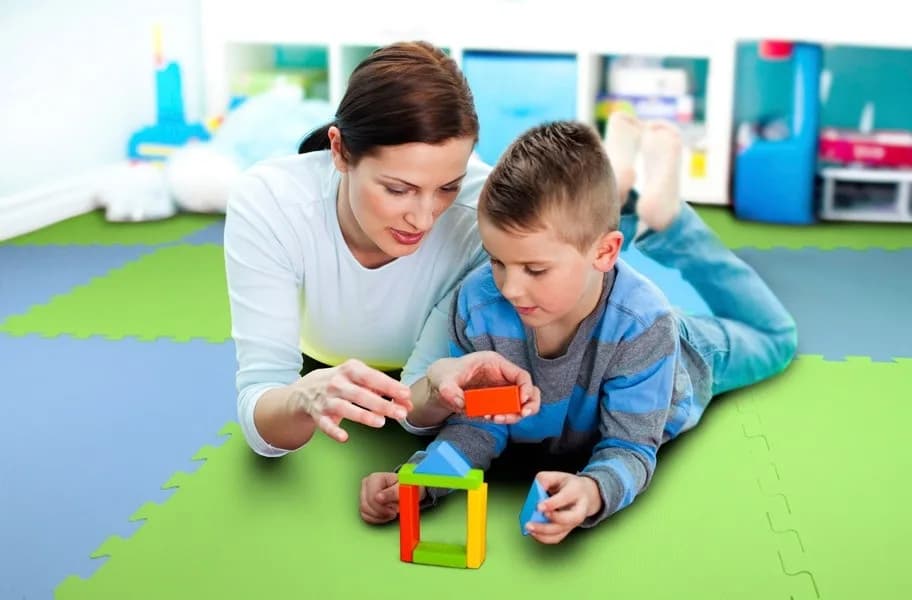
The Best Flooring for Sensory Rooms
Use this guide to find flooring for sensory rooms that is safe, non-toxic, impact-resistant, and of course, fun!
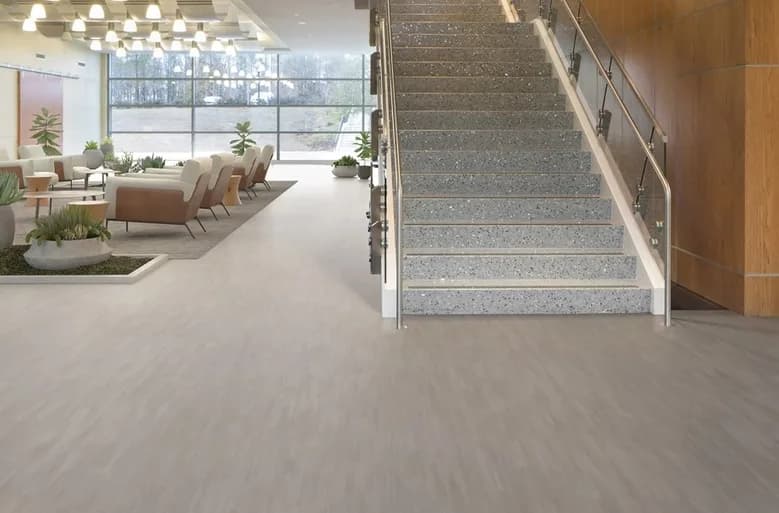
Rubber Flooring vs. Vinyl Flooring: Key Differences
Compare rubber and vinyl flooring to understand their key differences and benefits. Read more to find the ideal flooring option for your home or business!
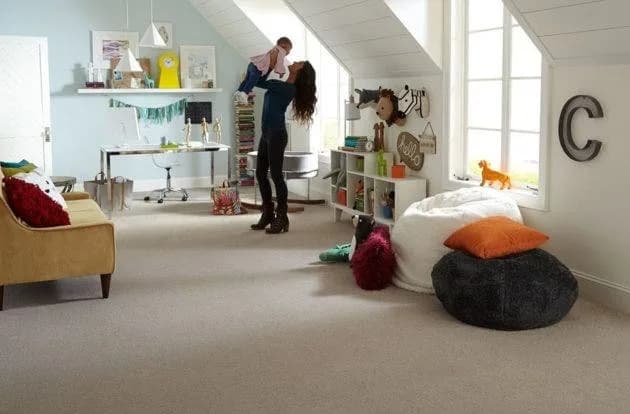
What Are VOCs in Floors? A Guide to Non-Toxic Flooring
Create a healthier home! Everything you need to know on VOCs, FloorScore and Green Gaurd certifications, and non-toxic flooring.
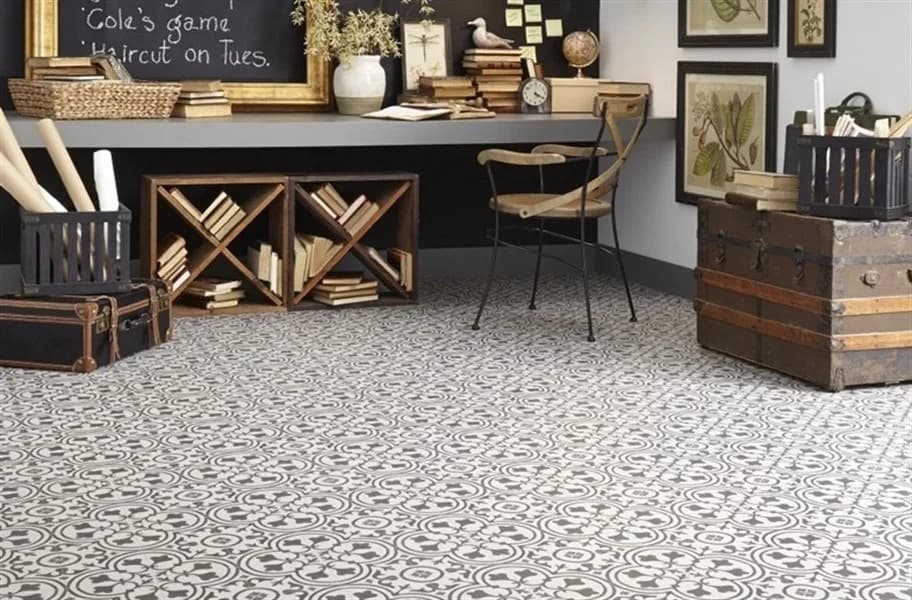
What is a Floating Floor Installation? The Ultimate Guide
What is a floating floor? By comparing pros and cons and discovering new flooring options, you can learn more about floating floors.
What is WPC Vinyl Flooring? Discover the Future of Vinyl Flooring
Experts are calling WPC vinyl flooring "the future of flooring". Check out this top 10 list and become an expert on all things WPC vinyl flooring.
Why Choose Vinyl Flooring
Why choose vinyl flooring? The 80's cheap look vinyl is out and new vinyl floors are the fastest growing flooring on the market.
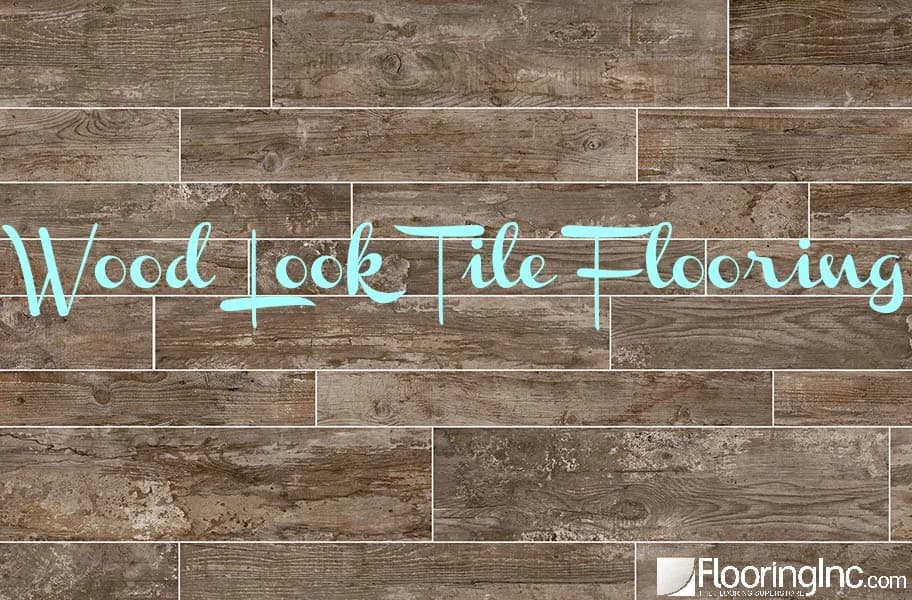
Wood Look Tile Flooring
Love the look of wood flooring, but worried about the maintenance or water damager? You'll love wood look tile flooring-it gives you the best of all worlds!
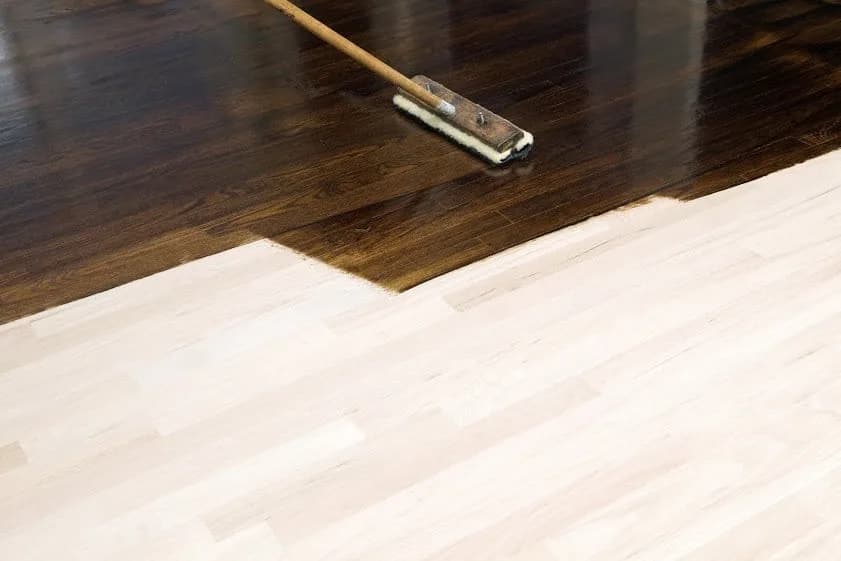
When to Refinish Your Floor
Wood flooring is one of the best upgrades you can do in your home. We've got all your questions about when to refinish your floor and more answered!
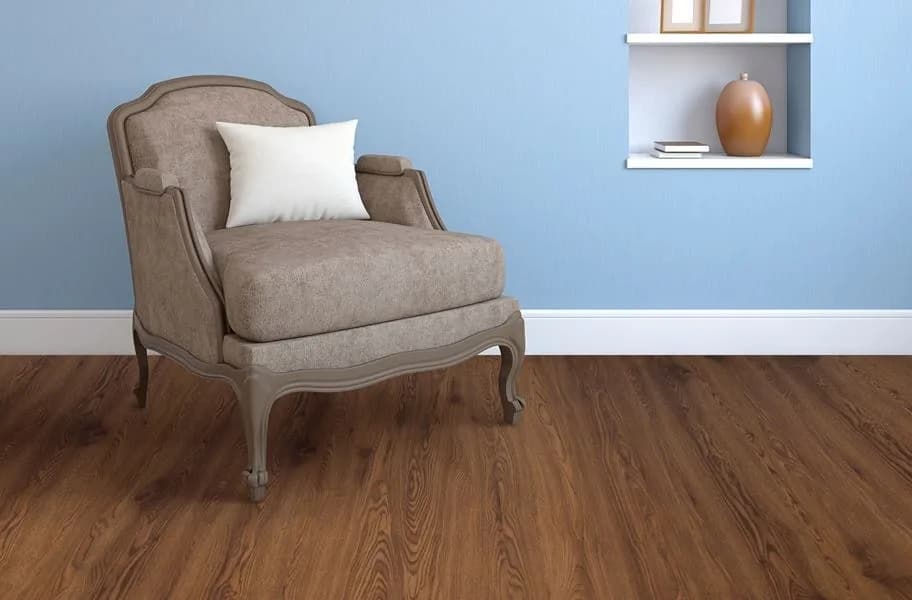
What's the Deal with Vinyl Planks Part 2 {on quality}
In residential homes, vinyl planks have become all the rage, and this trend isn't going anywhere soon. Get to know what determines good quality vinyl floor.
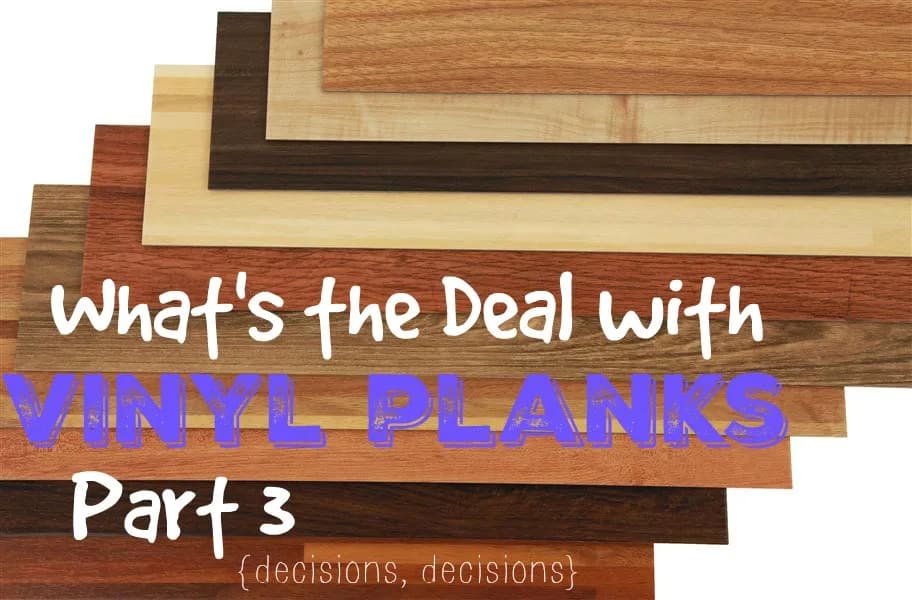
What's the Deal with Vinyl Planks Part 3 {decisions, decisions}
In residential homes and commercial offices, vinyl planks are all the rage. So what’s the deal with vinyl planks? Let's get down to the final decisions!
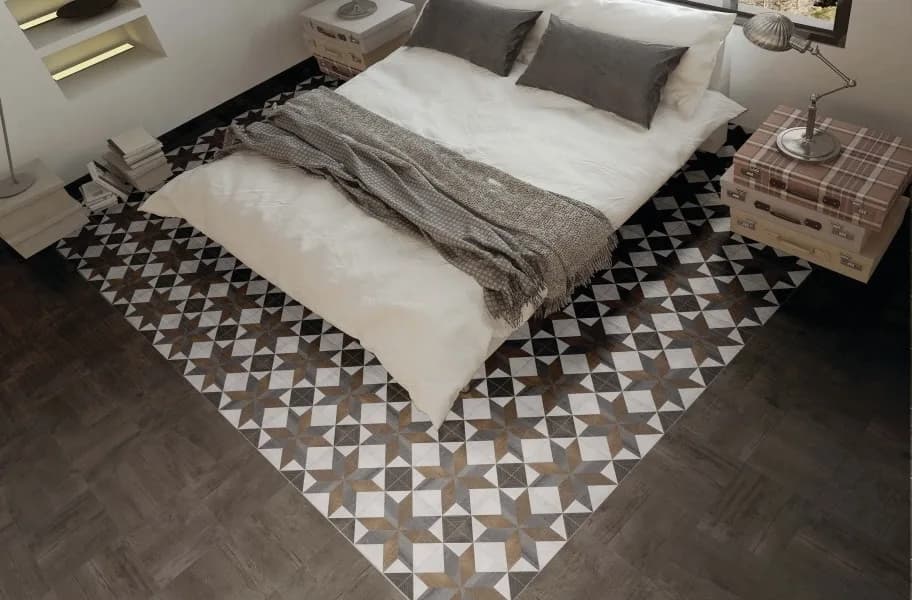
2025 Bedroom Flooring Ideas: 15+ Trends to Upgrade Your Personal Oasis
To get your room off to the right start, learn what looks are trending to get the best bedroom flooring ideas.
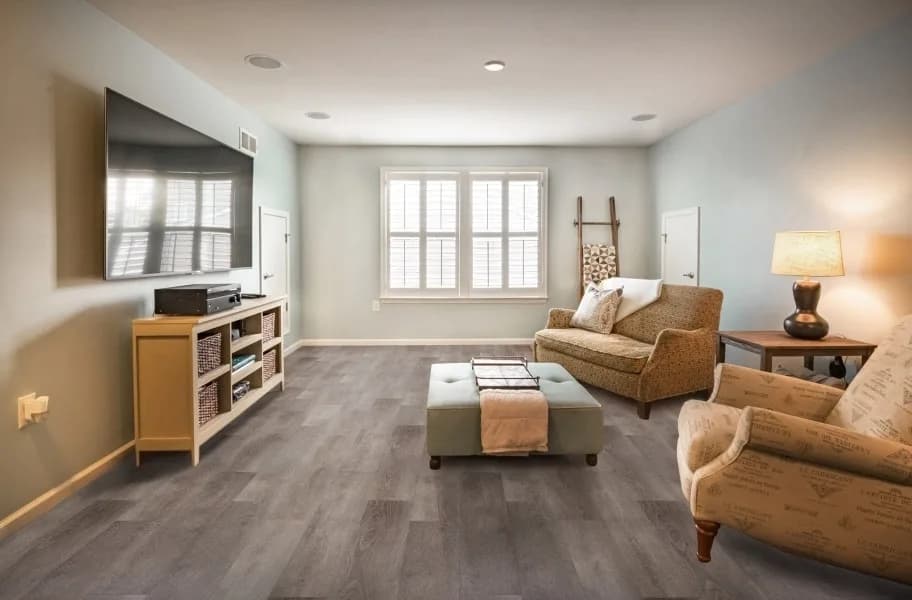
Flooring That Increases Home Value: What Buyers Want in 2026
Whether moving in or selling, all homeowners beg the question: What's the best flooring for resale value? Add these floors to your home to up its value.
2022 Flooring Trends: 25+ Top Flooring Ideas This Year
Keep your home up-to-date starting with your floor. Use this guide to the hottest 2022 flooring trends and find stylish flooring ideas.
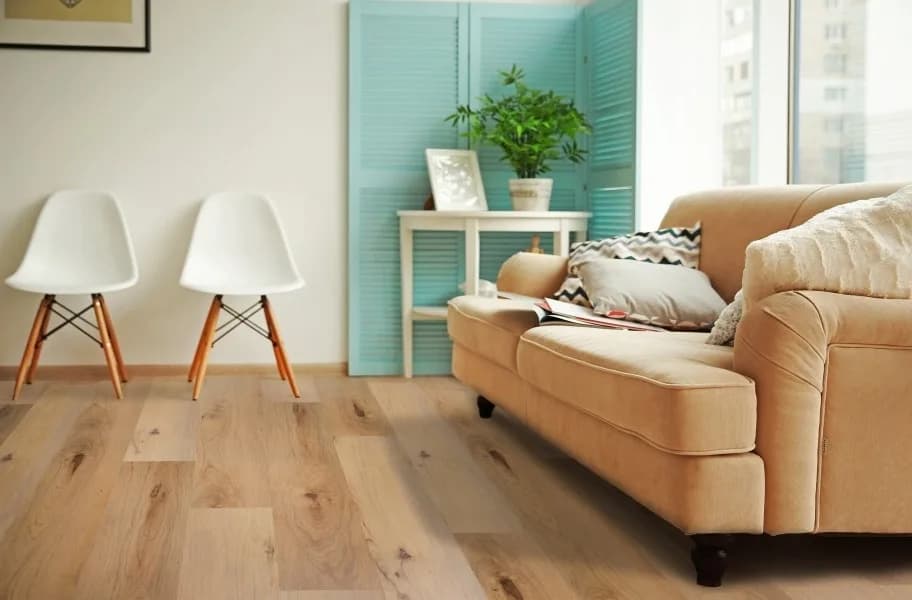
2022 Vinyl Flooring Trends: 20+ Hot Vinyl Flooring Ideas
Keep your home up-to-date starting with your floor. Use this guide to the hottest 2020 vinyl flooring trends and find stylish vinyl flooring ideas.
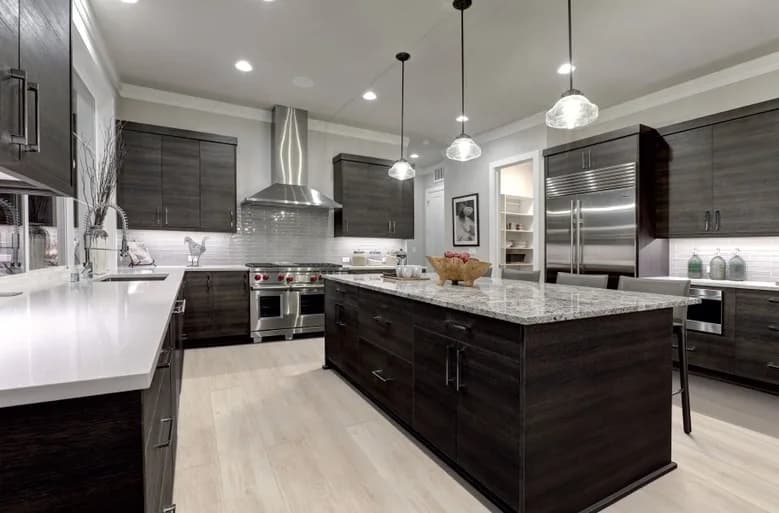
Kitchen Flooring Ideas: 20+ Styles for Every Budget
Keep your kitchen up-to-date starting with your floor. Use this guide to the hottest 2025 kitchen flooring trends and find stylish kitchen flooring ideas.
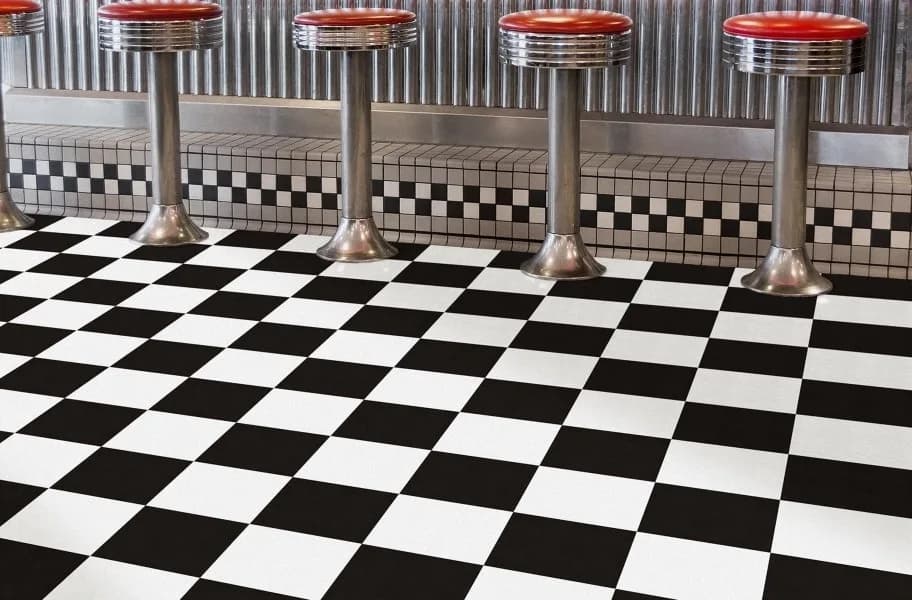
Retro Flooring Ideas: 12 Ideas to Inspire Your Vintage Style Home
How do you incorporate retro style in your home? Learn more about retro and vintage styles, you find retro flooring ideas, decor, and more.
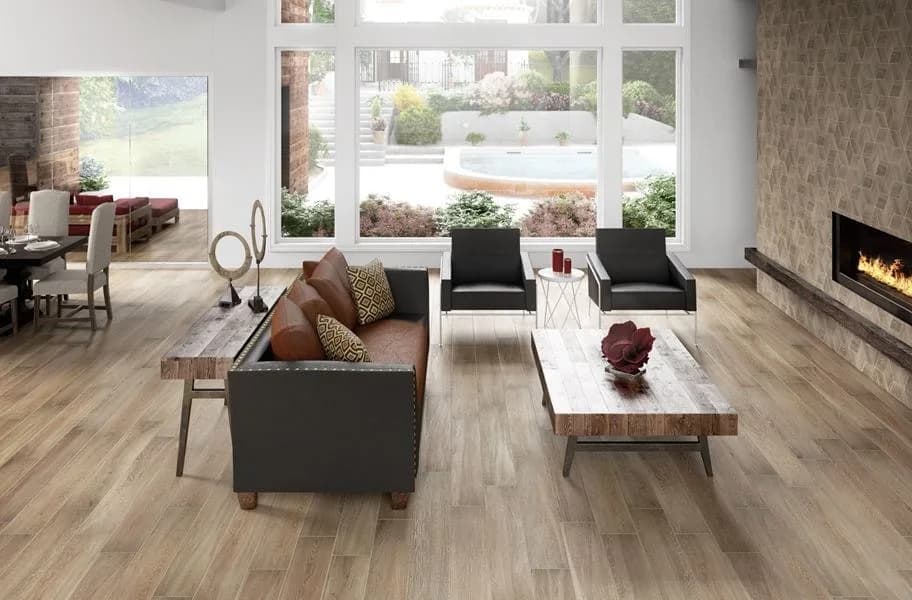
Modern Flooring Ideas: 11 Options for Contemporary Homes
To find the right modern flooring trends for your home, it’s important to understand what elements make a modern-styled home.
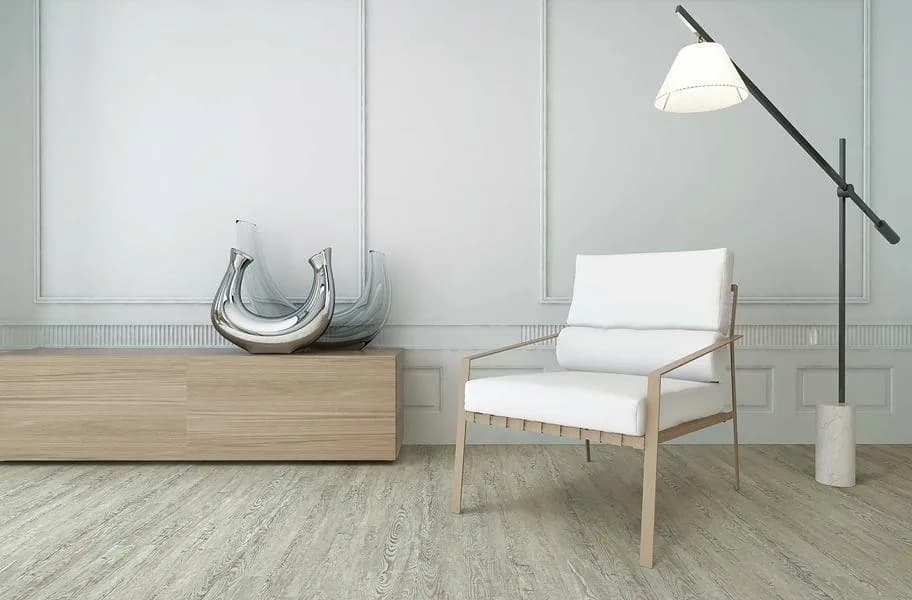
SPC vs. WPC Luxury Vinyl Flooring: Learn the Difference
While searching for the perfect vinyl flooring, you’ve probably come across the terms SPC and WPC. Learn the differences and compare SPC vs WPC vinyl here.
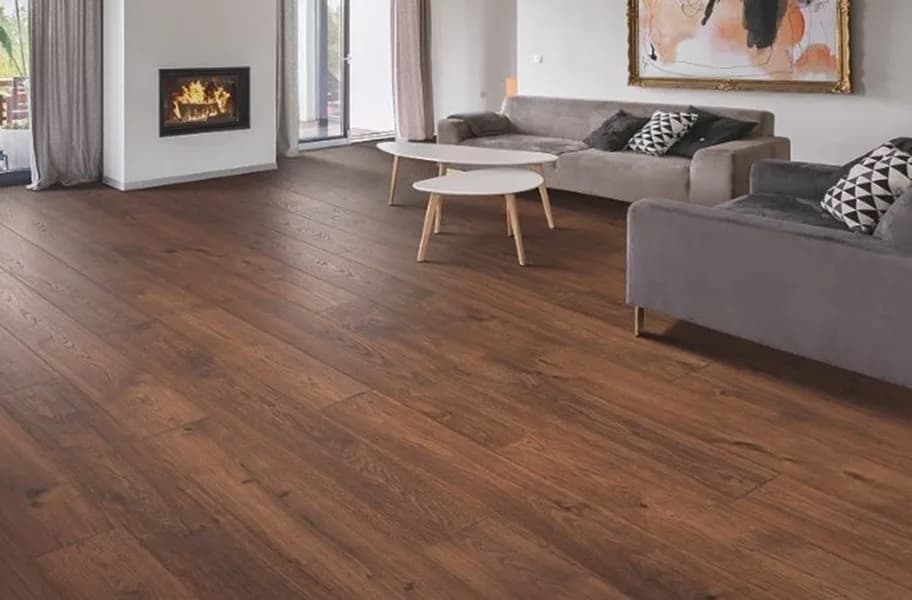
How to Install Temporary Flooring Over Carpet
Carpet can be a hassle to work around, but your place deserves gorgeous floors! Learn how to install temporary flooring over carpet with these easy steps!
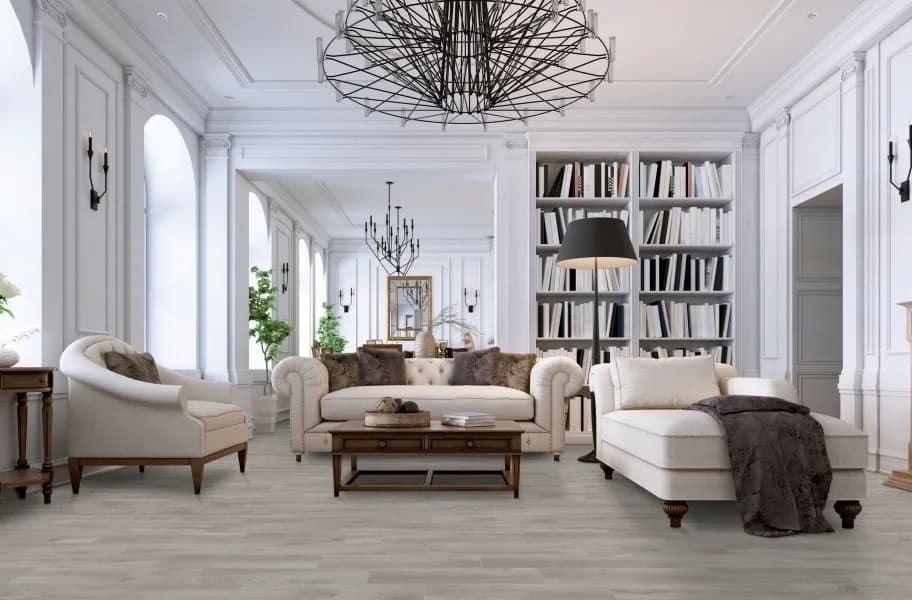
How to Install Daltile’s RevoTile Flooring in 6 Easy Steps
If you’ve been searching desperately for an easy way to install tile on your own, then today is your lucky day. Learn how to install RevoTile on your own.
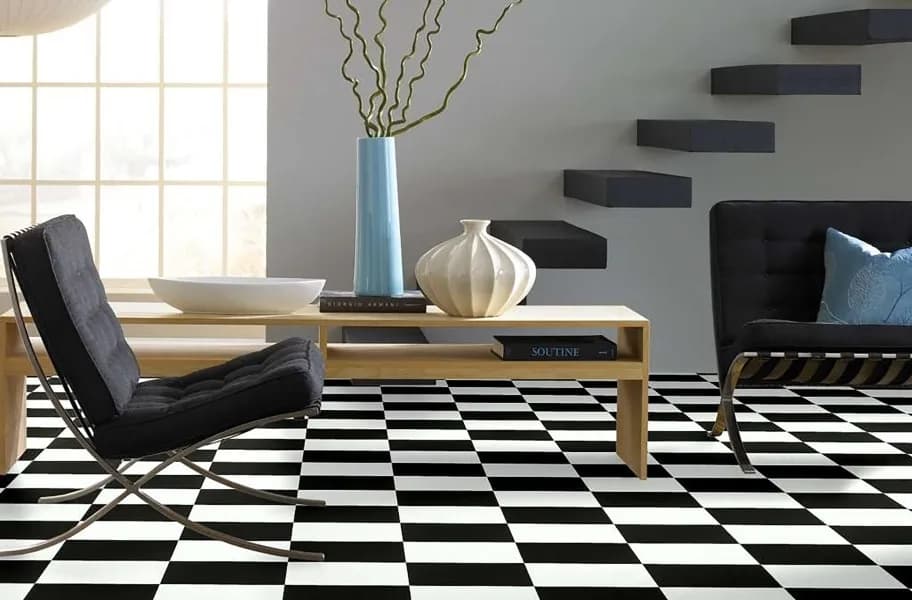
Linoleum vs. Vinyl Flooring: Which is Better?
Linoleum vs vinyl flooring - what's the difference and which is better? Discover the best floor type for your home or business with this comparison guide.
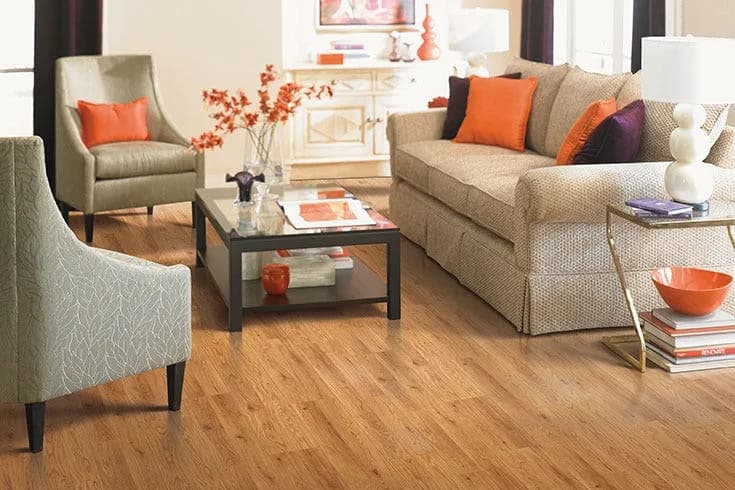
Living Coral: How to Use Pantone’s 2019 Color of the Year
This year, Living Coral has made a splash in fashion, graphic design, and even interior design. Ready to introduce Living Coral into your home?
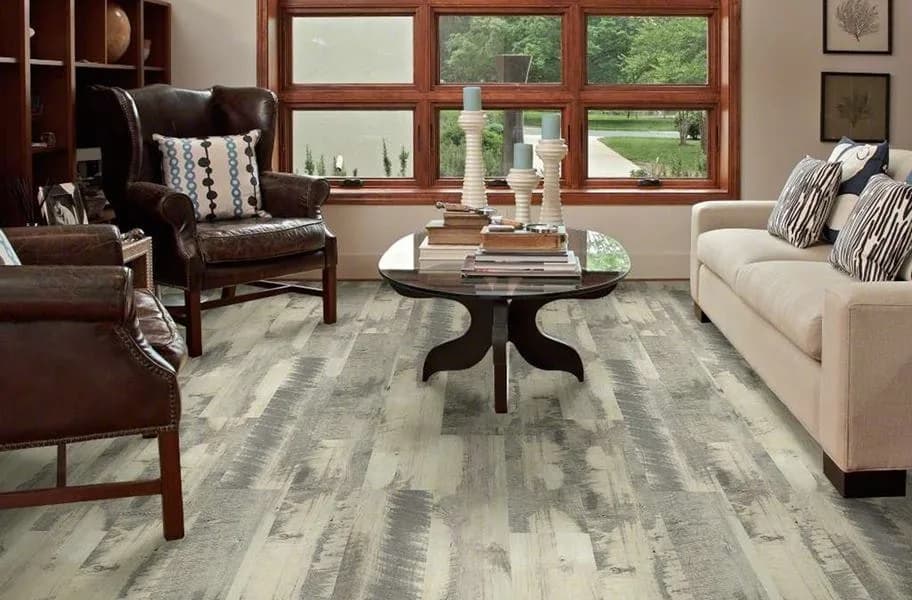
SPC Vinyl: What You Should Know About Rigid Core Flooring
Do you want rigid core luxury vinyl flooring? Learn more about this durable vinyl flooring – get pros and cons, installation tips, and more.

2017 Vinyl Flooring Trends: 16 Hot New Ideas
Use these 2017 vinyl flooring trends to choose a floor that is durable and stylish that will stay in style the lifetime of your floor.
Vinyl covers three different products under one name — planks, sheets, and tiles — and the right pick depends on the room, the subfloor, and how much moisture you're dealing with.
LVP, Sheet, or Tile: Picking Your Vinyl Format
"Vinyl" isn't one product. Luxury vinyl plank (LVP) clicks together in long wood-look strips and is the go-to for most living spaces. Vinyl sheet comes in big rolls with fewer seams, which is why it still shows up in bathrooms and laundry rooms where water finds every gap. Vinyl tile sits in between — smaller format, more layout options, and a lower cost per square foot for DIY jobs. Our Vinyl Flooring Buying Guide walks through how the formats differ before you narrow down a wear layer or core type.
If you already know you want planks, Vinyl Plank Flooring: Everything You Need to Know covers install methods, thickness, and where LVP holds up best, or jump straight to our Best Vinyl Plank Flooring picks if you just want the shortlist. Leaning toward rolls instead, the Sheet Vinyl Flooring Buying Guide explains why fewer seams matter in wet rooms. And if a tile pattern is more your style, the Vinyl Tile Flooring Buying Guide breaks down grout-line looks without the grout maintenance.
SPC vs. WPC: Making Sense of Rigid Core
Rigid core is where vinyl shopping gets confusing fast, mostly because of the acronyms. SPC (stone plastic composite) uses a limestone-based core that's dense and rigid, which makes it resistant to dents from furniture and rolling chairs. WPC (wood plastic composite) uses a foamed core that's softer underfoot and a bit quieter, at the tradeoff of being easier to dent under heavy point loads. Put SPC where the load is — kitchens, entries, offices with rolling chairs — and WPC where comfort and quiet matter more, like bedrooms and upper floors. SPC Vinyl: What You Should Know About Rigid Core Flooring lays out where each core type earns its keep.
Waterproof claims trip people up too, since not every vinyl product is rated the same way for standing water versus splashes; the waterproof vinyl plank guide sorts out which ratings mean what. Our vinyl flooring shop lets you filter by core type and wear layer thickness so you can match a product to the room instead of guessing from a name.