
Carpet
Articles
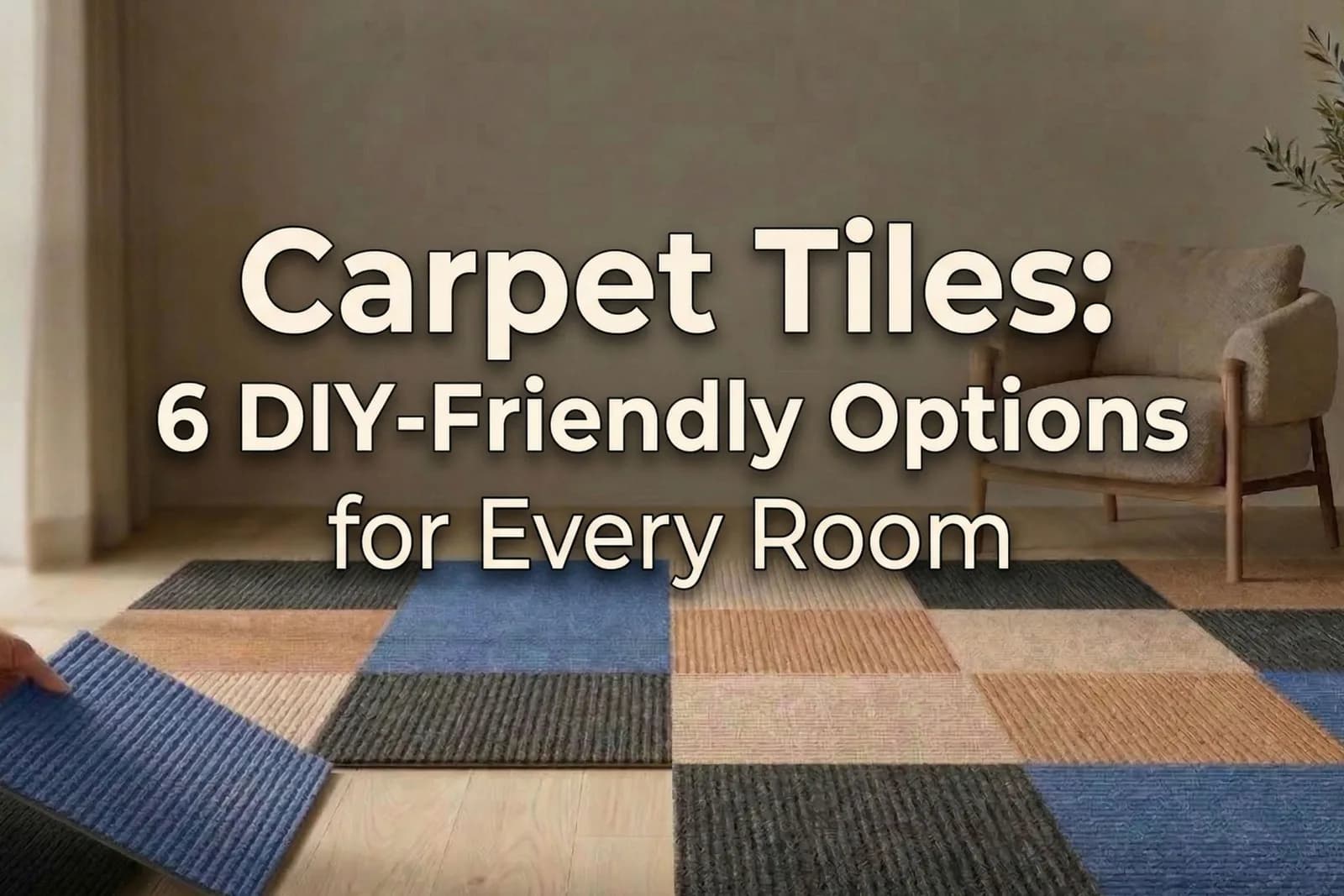
Carpet Tiles: 6 DIY-Friendly Options for Every Room
Want the comfort of wall-to-wall carpet without the hassle? Then carpet tile is for you. Find the best carpet tiles that offer value, durability, and style.
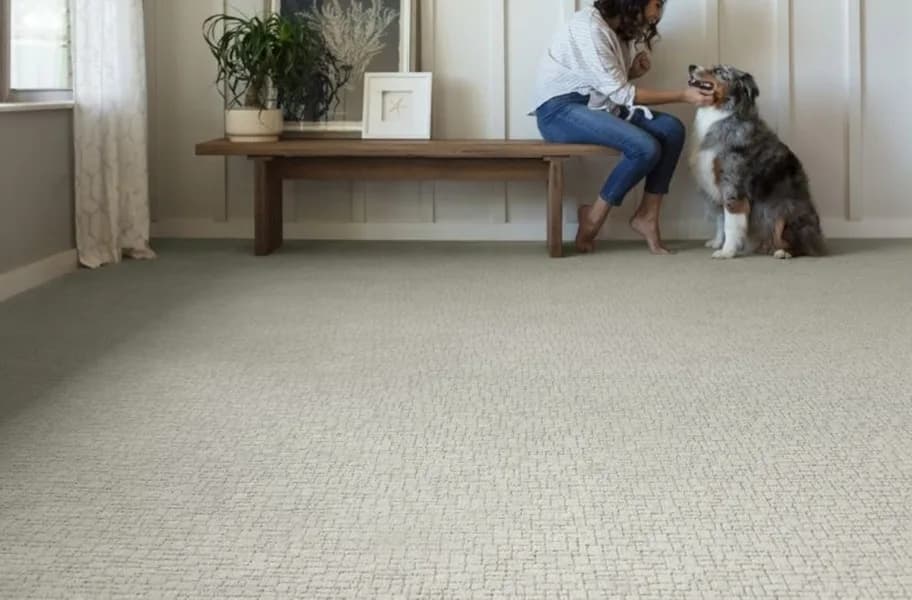
Pet-Friendly Carpet: 7 Options Built for Paws, Claws & Spills
Want to find the best carpet for pets that is non-toxic, stain-resistant, and easy to clean? This guide on pet proof carpet options can help.
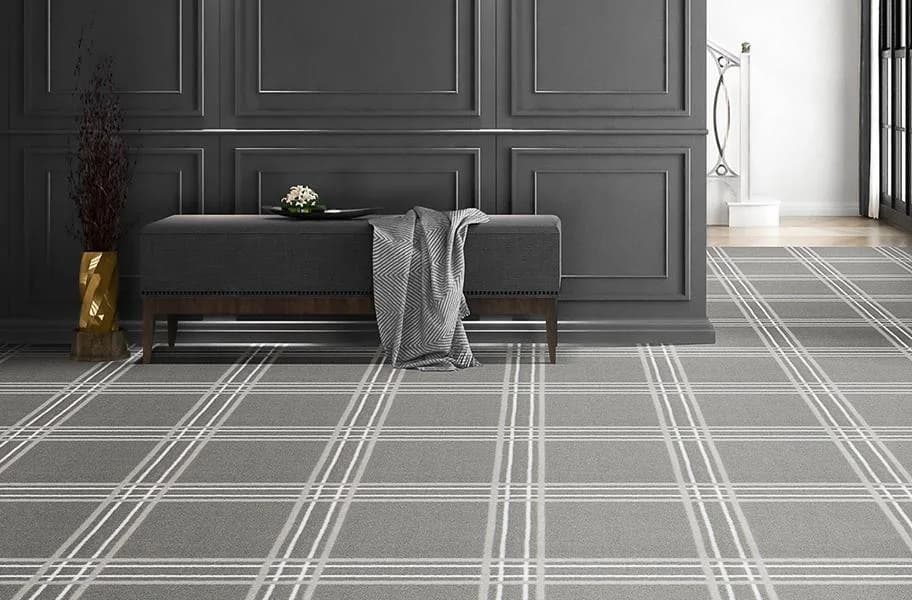
Carpet Rolls Guide: How to Choose the Right Roll for Your Space
Looking for the best carpet rolls for your home or business? Explore customer reviews, pros and cons, and performance ratings for carpet.
2025 Holiday Gift Guide: 10+ Best Home Flooring Ideas
Know someone searching for quality, affordable flooring this year? Wow them with the thoughtful gift of the perfect home flooring!

Arcade Carpet & Movie Theater Carpet – Fun Home Theater and Game Room Ideas
Create an unforgettable space with our vibrant arcade and movie theater carpets. Bring nostalgia and style to your home theater, game room, or entertainment area with durable, stain-resistant, pattern
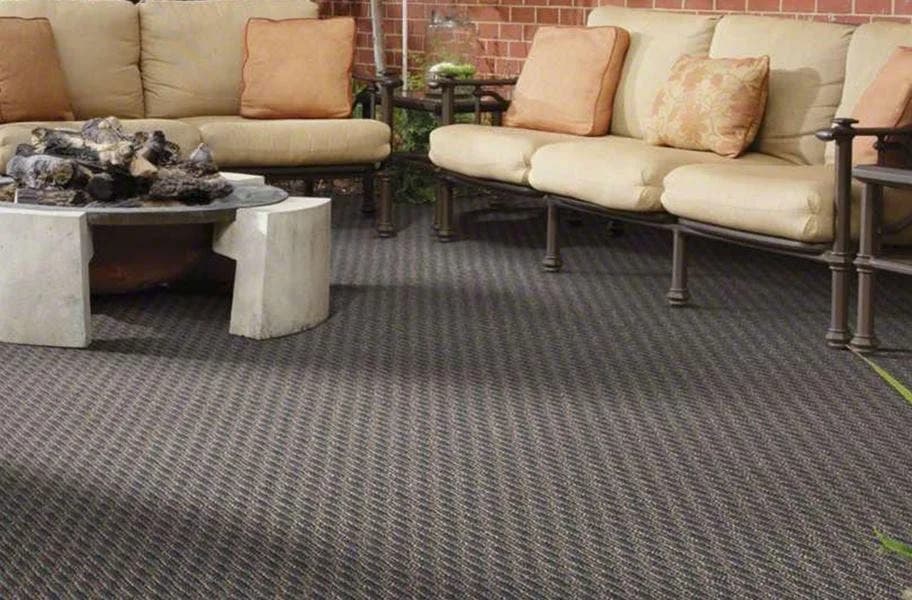
Outdoor Carpet: Everything You Need to Know
Outdoor carpet is the latest evolution of carpet technology. It’s weather resistant, mildew and mold resistant, and water resistant. There’s now no reason to NOT have carpet in your outdoor oasis.
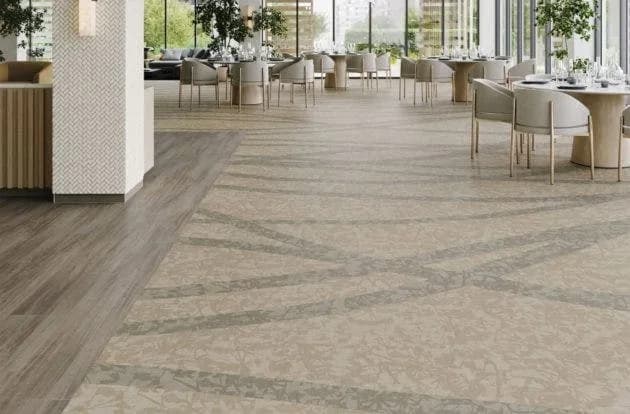
Top 5 Commercial Flooring Options: Our Expert Picks
Durable flooring is a must for high traffic commercial spaces. Learn the benefits and challenges of each of the top 5 flooring options.
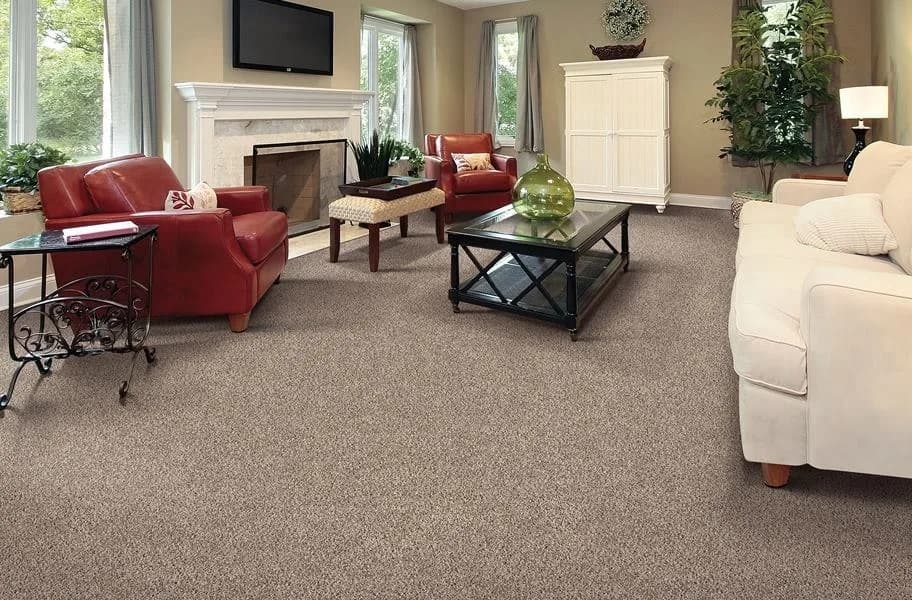
How to Install Carpet Yourself: 3 DIY-Friendly Options
With specially made carpet perfect for the weekend warrior, anybody can install carpet! These DIY carpet installations are easy to do in no time at all.

How to Install Carpet Tiles
Carpet tiles are your simple. easy and child-proof carpet solution! Learn how to install carpet tiles in just 4 easy step

How to Remove and Prevent Pet Urine Odor and Stains on Your Carpet
By understanding how pet urine affect your floor, you can learn how in this simple guide to preventing pet odor and remove pet urine from your carpet!

6 Tips to Protect Your Floors During the Move
Planning a relocation and want to spare your home of damage? Here are 6 tips to protect your floors during the move.
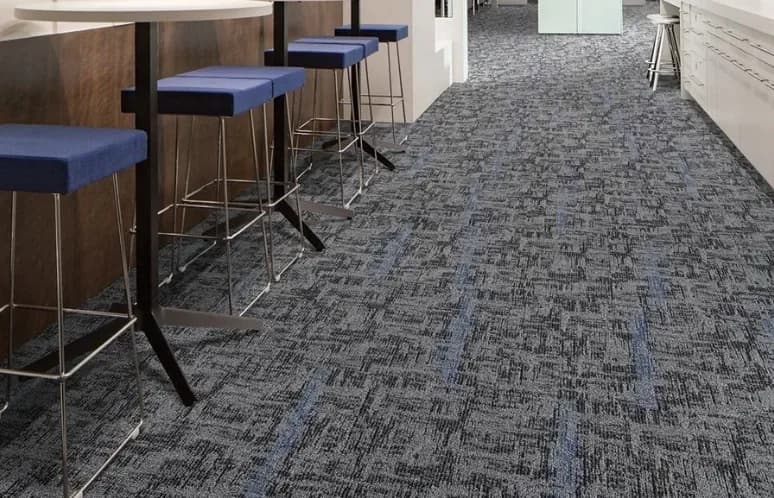
5 Reasons to Choose Carpet Tiles
Why choose carpet tiles? Carpet tiles are a recent development in flooring--learn the benefits of choosing carpet tiles!
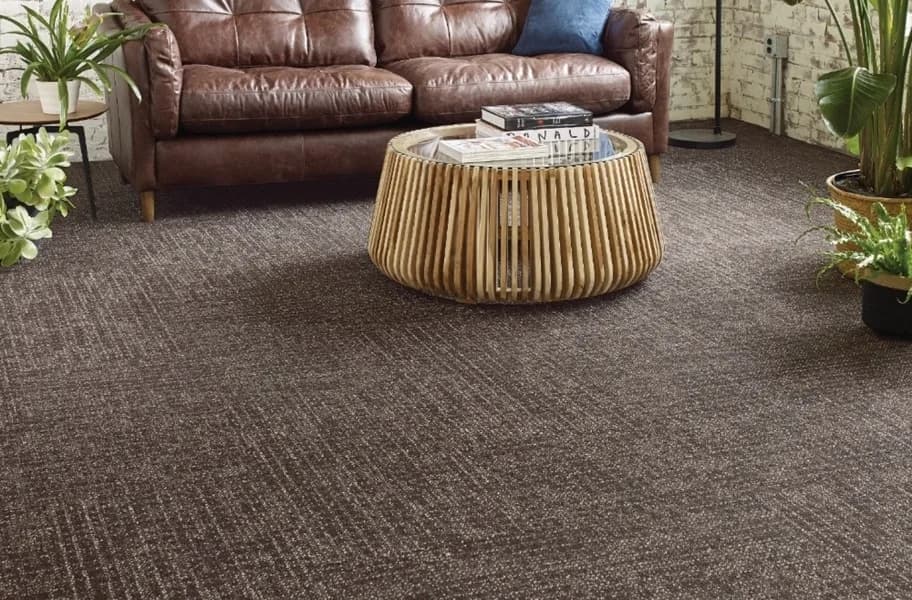
8 Benefits of Carpet Tiles
Curious about the new trend of carpet tiles? We'll give you all the benefits of carpet tiles and teach you how you can use them in your home or business!
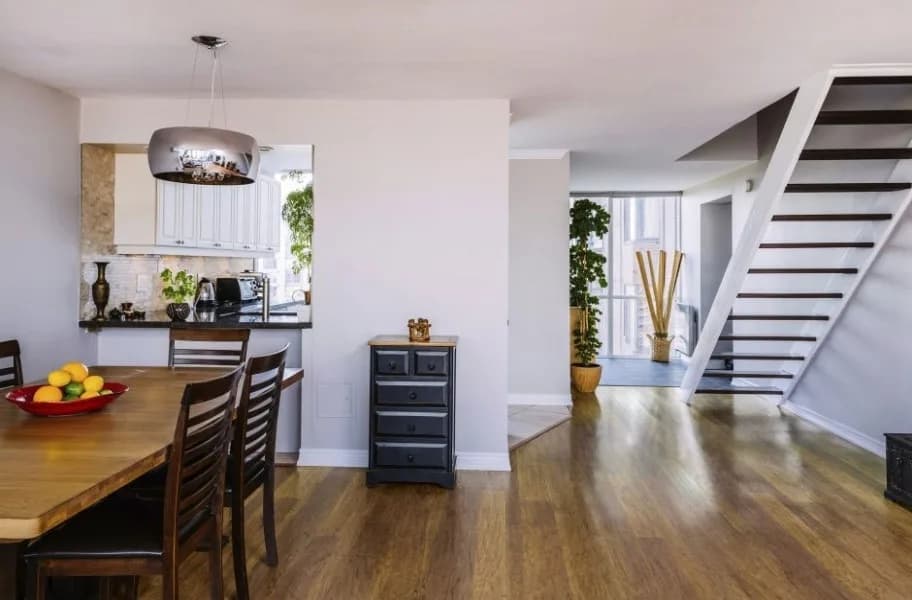
5 Best Low-Voc Flooring Options for a Healthier Home
Create a healthy home with low-VOC flooring! Choose from various flooring options that you won't have to sacrifice your style or safety for.
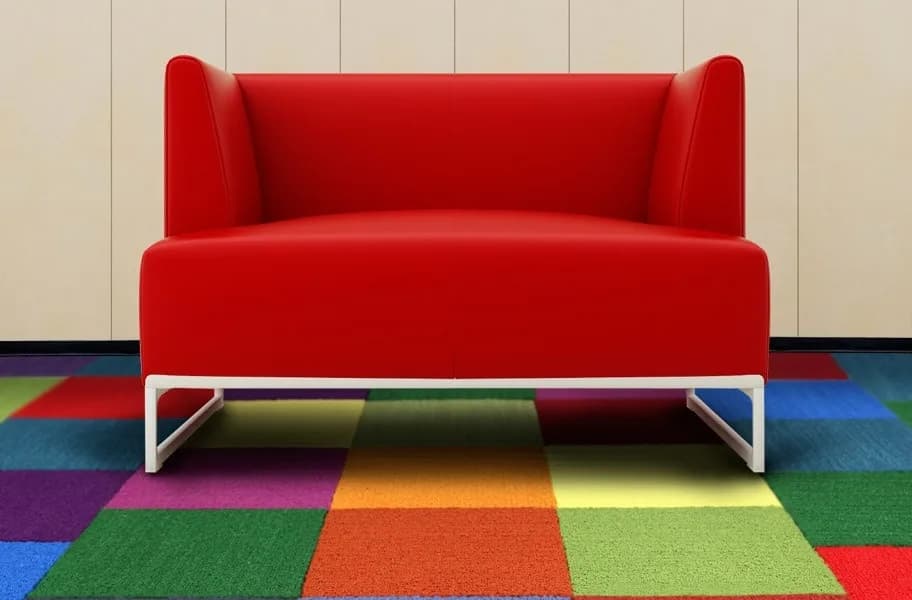
5 Reason to Choose Carpet Tile for Your Kid's Room
We are a big fan of carpet tiles and we have 5 reasons to choose carpet tiles for your kid's room instead of traditional broadloom carpet.
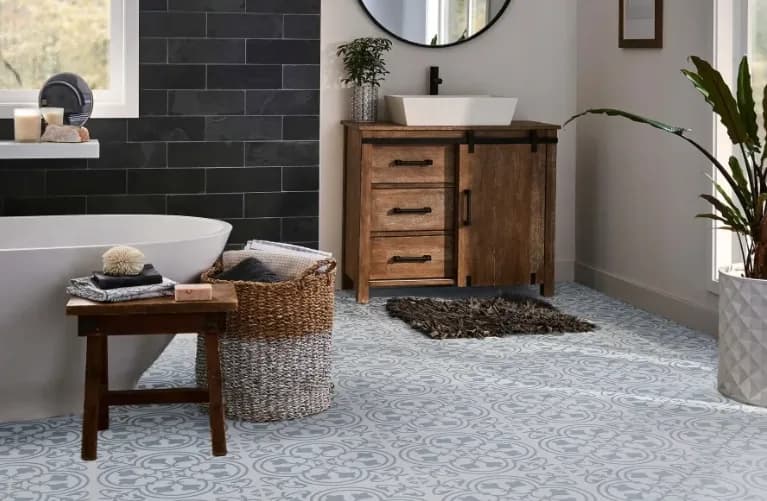
2025 Bathroom Flooring Trends: 20+ Updated Styles
Use this guide to the hottest bathroom flooring trends and find durable, stylish bathroom flooring ideas that will stay trendy for years to come.
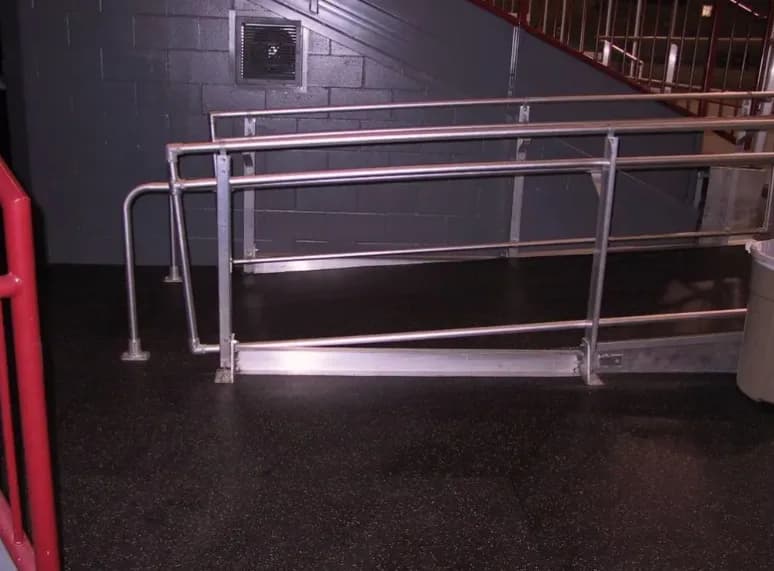
ADA-Compliant Flooring for Wheelchairs: What You Need to Know
When using a wheelchair, wheelchair-accessible flooring is a must-have. This guide will help you find the best flooring for wheelchairs.

Best Art Deco Flooring Options to Match Your Style
Creating an art deco style for your home? Learn how to choose art deco flooring with the best trendy options on the market.
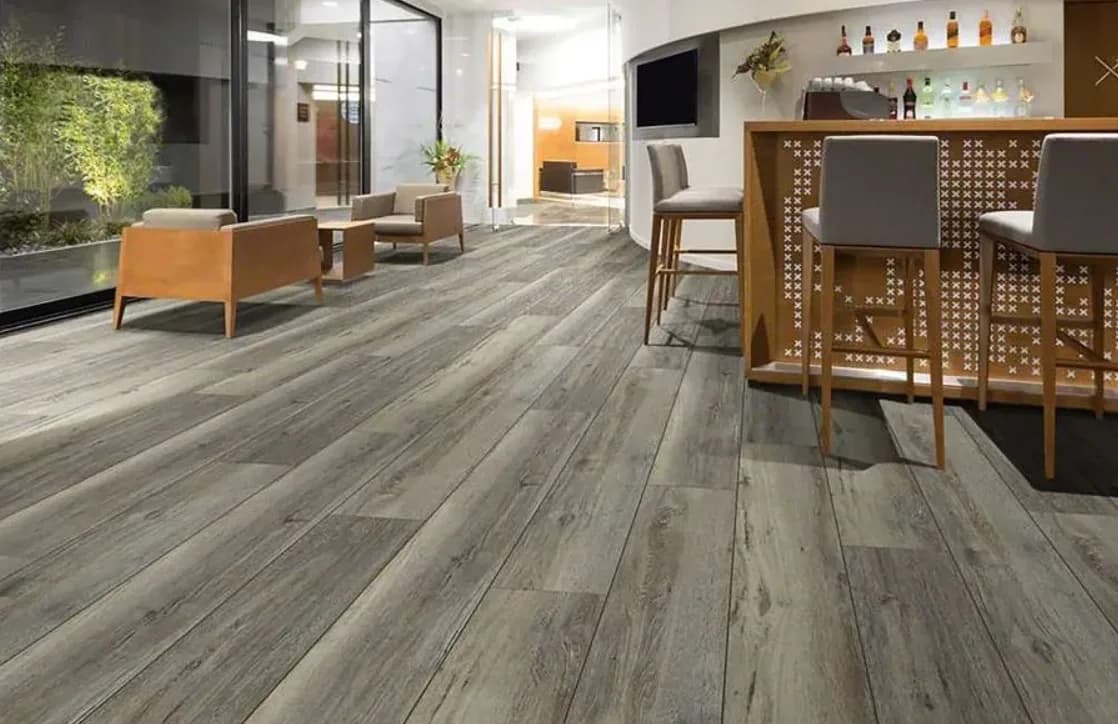
2025 Flooring Trends: This Year's Top 5 Trends & More
Use these 2017 flooring trends to choose a floor that is durable and stylish that will stay in style the lifetime of your floor.
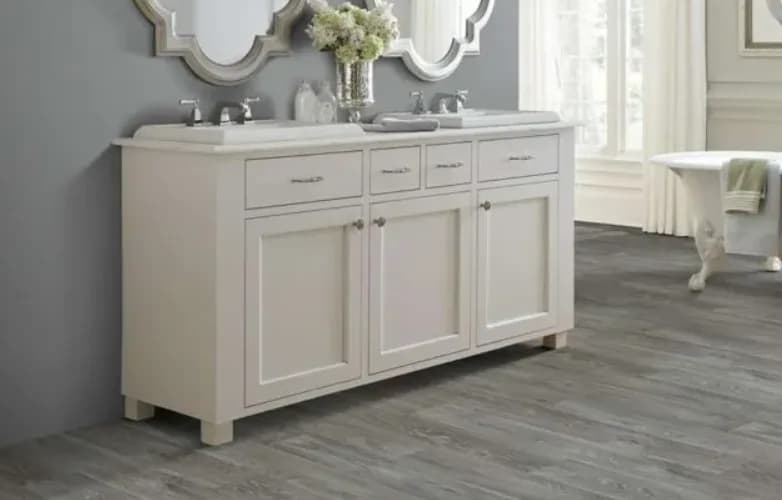
Farmhouse Flooring: 15+ Ideas for a Country Chic Home
Create the country-inspired home of your dreams! Explore our Farmhouse Flooring: 15+ Ideas for a Country Chic Home guide for interior tips!
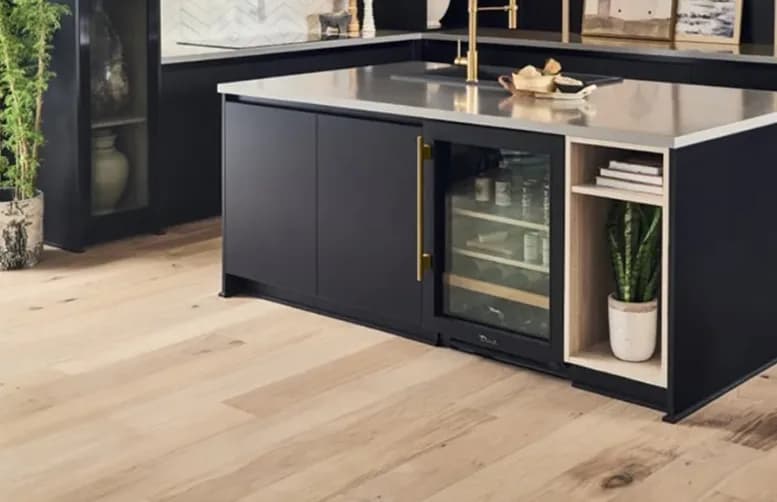
Eco-Friendly Flooring Guide: Sustainable Options for Every Room
These days the million dollar question is "What's hot in eco-friendly flooring?" We've got 9 dynamic, versatile, eco-friendly flooring options for you!
How to Choose Boat Flooring Like a Pro
Discover the best boat flooring options including rubber, vinyl, carpet tiles and more. You can easily make your boat pop with these affordable options.
Easiest 5 DIY Flooring Solutions: Learn to Install Flooring On Your Own
the flooring world has made a lot of technological improvements in recent years to make DIY flooring a real option no matter your skill level.
Carpet vs. Tile Flooring: Which is Better?
So you're ready to redo the floor in your home, but you're not sure what to go with? We've got your questions answered about carpet vs. tile and more!

2025 Carpet Installation Cost Guide
Carpet cost is going to be one of the most important factors when buying carpet. Whether you’re a first-time buyer, or replacing old carpet, we crunched the numbers to find you the best deal. Check ou
2025 Carpet Trends: 10 Ways to Stay Current
Use these 2025 carpet trends to choose a floor that is durable and stylish that will stay in style the lifetime of your floor.

10 Ways to Use Pantone's Color of the Year
Every year Pantone introduces a new color of the year. This year, Ultra Violet has made a splash in fashion, graphic design, and even interior design. Ready to introduce Ultra Violet into your home? L
Carpet FAQ: 18 Things You Should Know
Want some new carpet for your home, and you’ve got some unresolved questions? This FAQ has answers to the most common questions about carpet.

Can You Install Rubber Gym Flooring Over Carpet?
Can you install rubber gym flooring over carpet? Find out whether gym flooring will work over your carpet and how to go about the installation process.
Broadloom Carpet Guide: Everythig You Need to Know
Still unsure about broadloom carpet? Let me give you the lowdown on everything carpet and get you on the right path for your favorite flooring.

Commercial Carpet Buying Guide: What You Should Know
Considering commercial carpet for your home or business? Discover the pros and cons of high traffic carpet, installation options, and more.
Best Mid-Century Modern Flooring Options to Fit Your Style
The mid-century modern style is back in a big way. Explore mid-century modern flooring options to complete the look in your home.
Flooring for Flood-Prone Areas
Protect your home with the best flooring for flood prone areas. Find the best option for your home between vinyl, rubber, carpet and more.
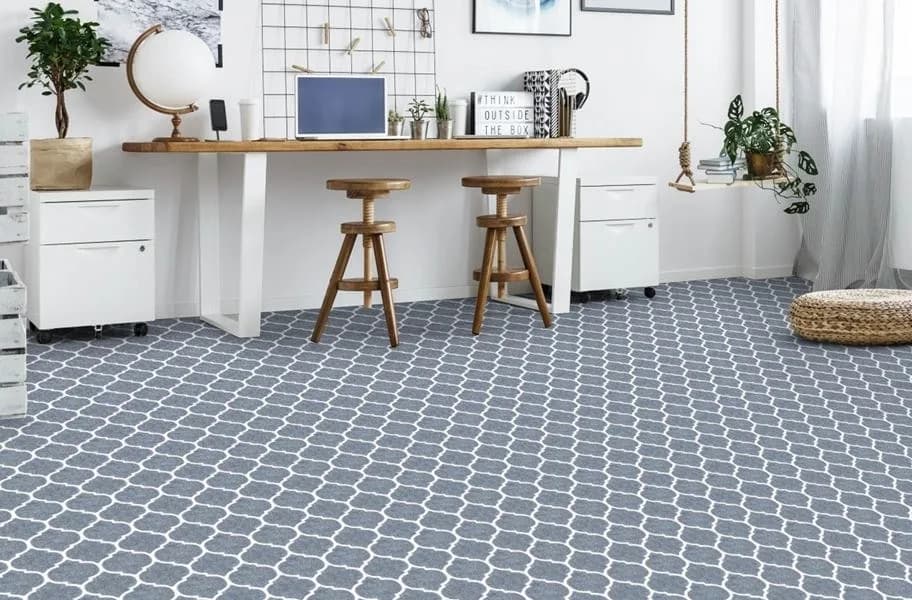
Flooring Pattern Repeat and Drop Matches Explained
The trick to getting a flooring pattern match for carpet rolls or vinyl sheets is to understand pattern repeats, from standard match to drop match.
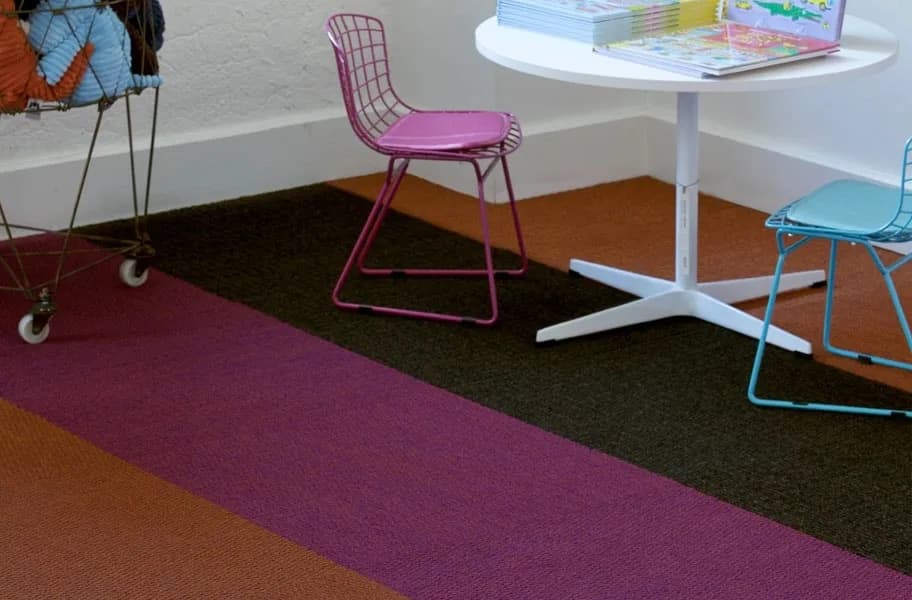
Create a Kid's Study Room: 12 Homeschool Room Ideas
With a well set-up homeschool room, you can create a successful learning space. All you need is the right furniture, flooring, and decor.

Home Theater Carpet Thickness: Does it Matter?
So, you’re working on your home theater, and it’s time to choose the flooring. You know you want a carpet to improve the sound in the room, but you’re not sure if you should go for a
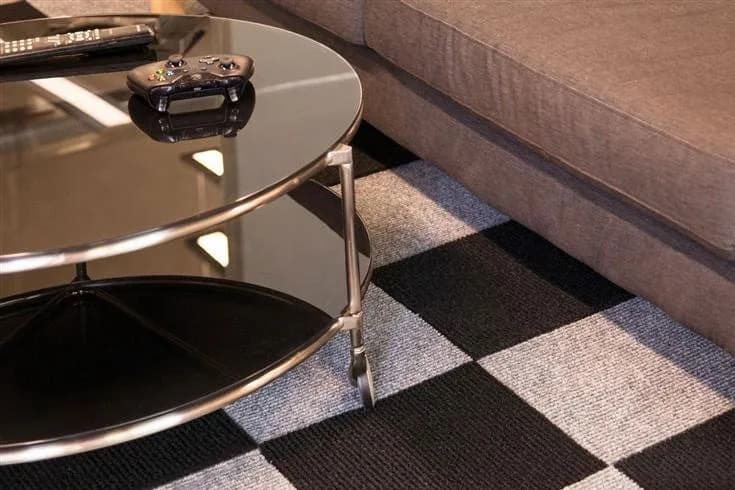
The Best Basement Flooring Options
Basement flooring can be a tough nut to crack, but we've got you covered with this list of the best basement flooring options. What you choose is up to you!
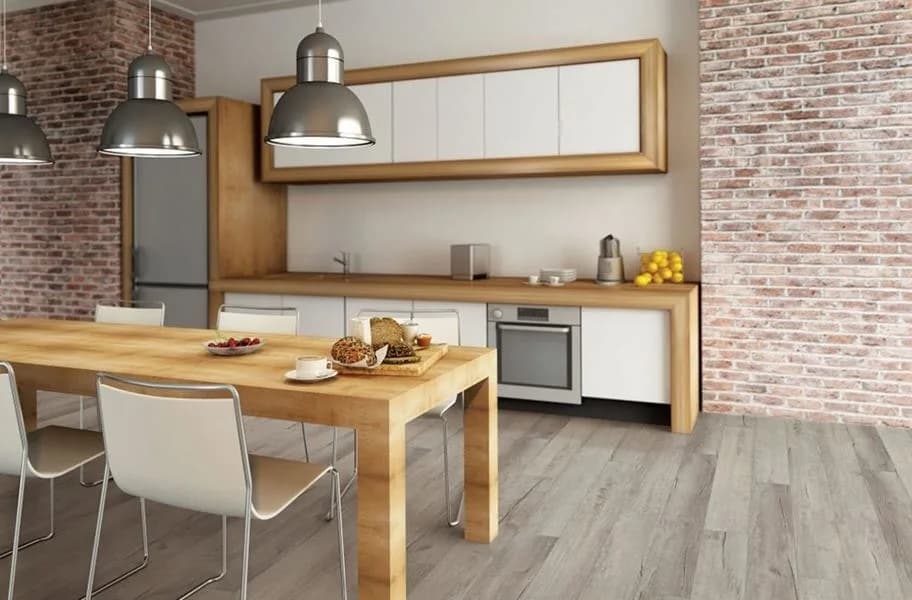
Temporary Flooring for Renters: 8 Ideas to Take Your Place from Bland to Beautiful
Explore the ins and outs of temporary flooring for renters, and the different options you have to make a rental property feel more like you.
How to Clean: 10 Tips to Remove and Prevent Stains
We love carpet, but how do you keep them clean and prevent stains? Learn some tips and tricks on how to clean carpets right here!
Furnishing and Decor Tricks To Accentuate Your Floors Perfectly
Sure, we love talking about the latest flooring trends that will inspire you to spruce up your living environment. But what happens when you’ve already picked out the floors for every room, and now yo
4 Reasons to Use Carpet for Gym Flooring
Carpet, in particular, carpet tiles, is a great option for both home and commercial gyms. Find out why with these 4 reasons to use carpet for gym flooring.
The Ultimate Carpet Buying Guide
Carpet Guide: Get the lowdown on all things carpet, and soon you’ll be ready to educate your friends on tiles, rolls, and area rugs like you’re a pro.

The Best Home Theater Carpet for Looks and Sound
What kind of floor do you need for a home theater? Use this guide on the best home theater carpet to make sure it sounds and looks like a million bucks.
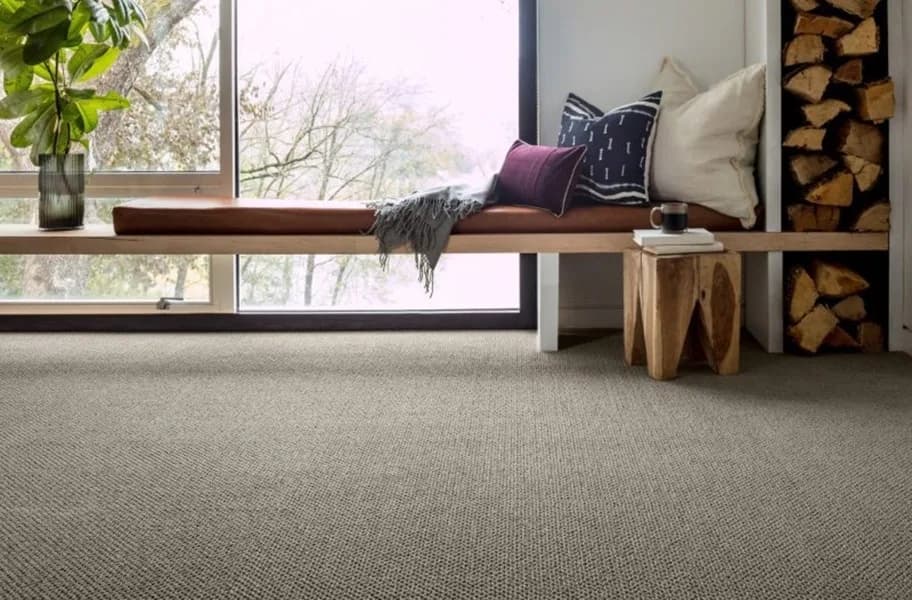
What is Berber Carpet: A Buying Guide
Berber carpet is a big mystery to many people. Let's demystify berber carpet and let you in on all the secrets surrounding this product.

RV Flooring Guide: Durable, Lightweight Options for Life on the Road
In search of the best RV flooring ideas to replace your old, worn-down flooring? Explore these durable, stylish, and functional options.
Garage Flooring Ideas: Tiles, Rolls, Epoxy & More
Get inspired with the latest in garage flooring ideas and work with Flooring Inc. for your next home renovation project!
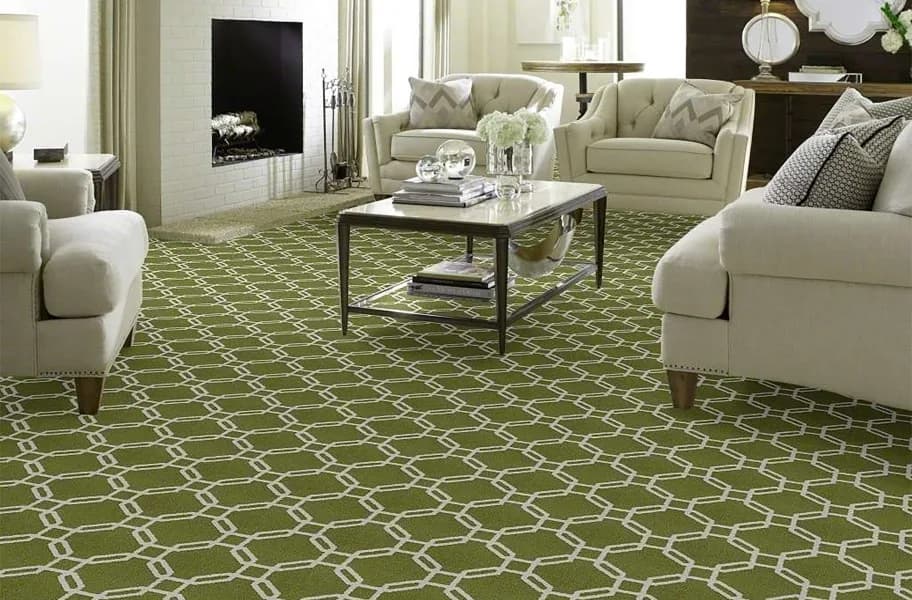
What is Waterproof Carpet: Magic or Science?
Waterproof Carpet finally a reality! Stop worrying about staining, mold or mildew, or pet smells. Waterproof carpet will change your life for the better.
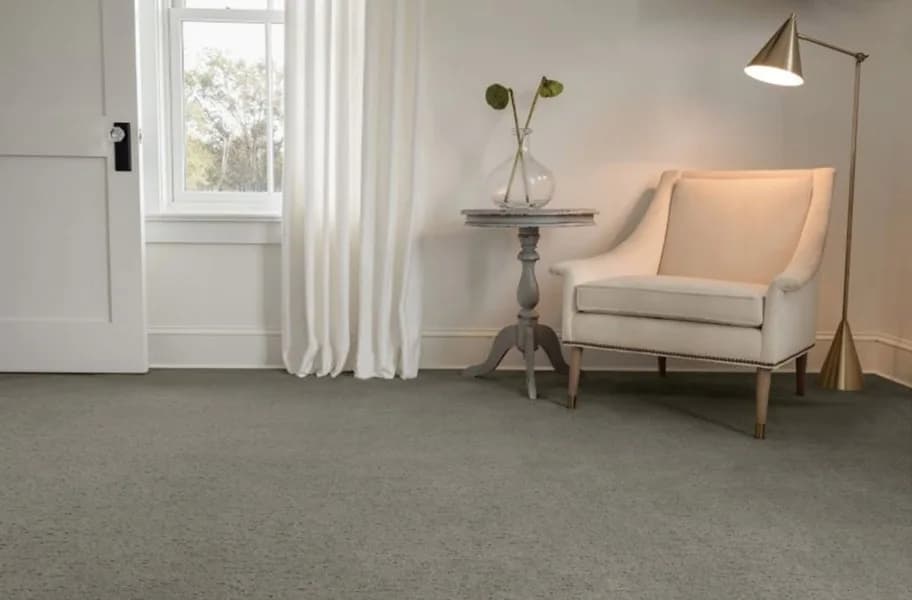
Carpet Padding Guide: Everything You Need to Know
You've found the perfect carpet, and now it's time to find the right padding. Learn what type of carpet padding is good for your home.
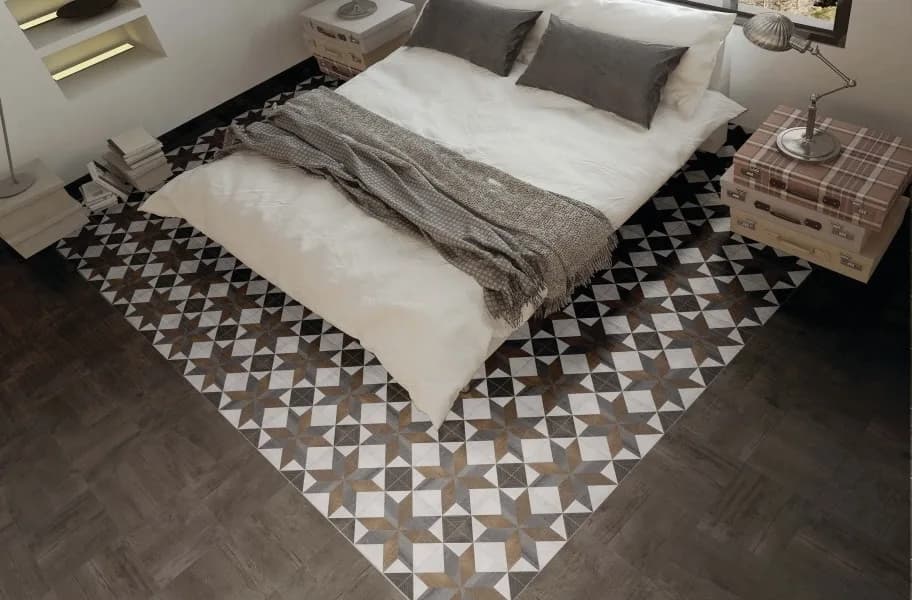
2025 Bedroom Flooring Ideas: 15+ Trends to Upgrade Your Personal Oasis
To get your room off to the right start, learn what looks are trending to get the best bedroom flooring ideas.
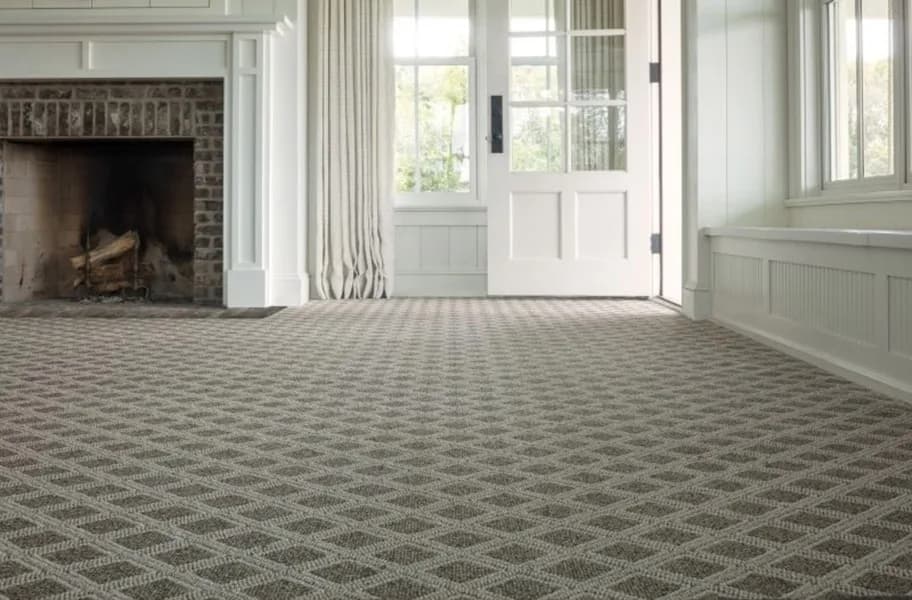
Carpet Trends: 25 Eye-Catching Ideas That Never Go Out of Style
Keep your home up-to-date, starting with your floor. Use this guide to the hottest carpet trends and find stylish carpet ideas.
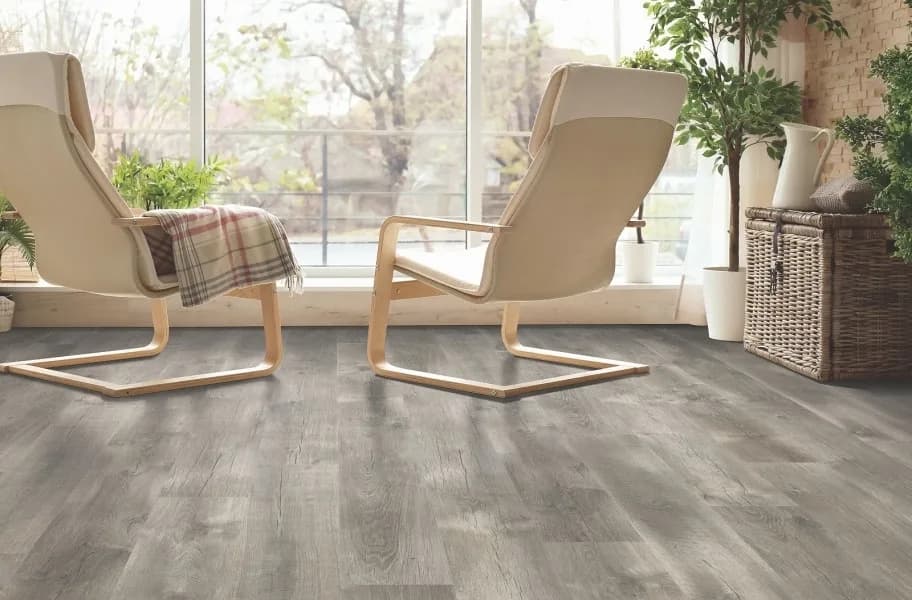
American Flooring Guide: 4 Top USA Home Flooring Options
USA-Made Flooring is available in all options, including carpet, vinyl, and engineered wood. There's a USA-made floor for everyone!
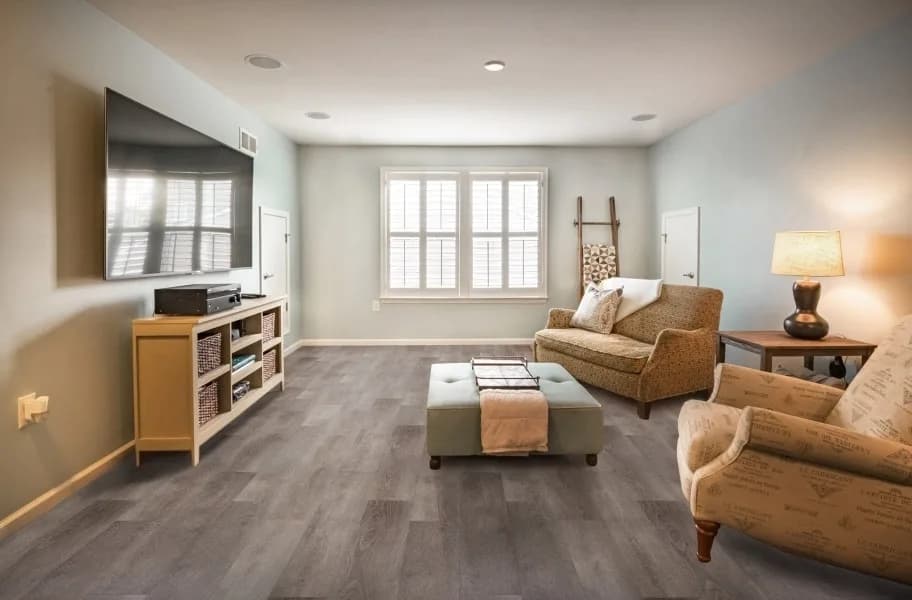
2022 Flooring Trends: 25+ Top Flooring Ideas This Year
Keep your home up-to-date starting with your floor. Use this guide to the hottest 2022 flooring trends and find stylish flooring ideas.
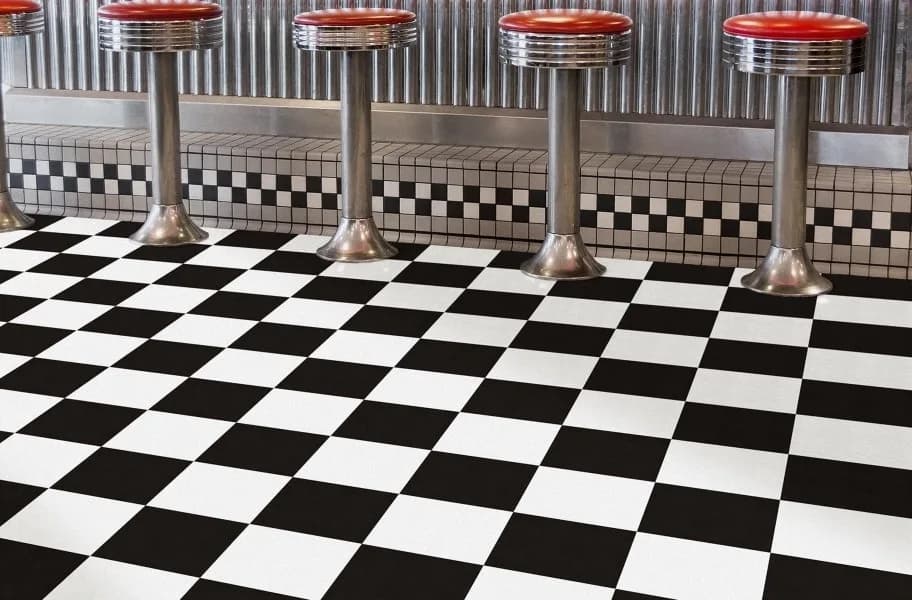
Retro Flooring Ideas: 12 Ideas to Inspire Your Vintage Style Home
How do you incorporate retro style in your home? Learn more about retro and vintage styles, you find retro flooring ideas, decor, and more.
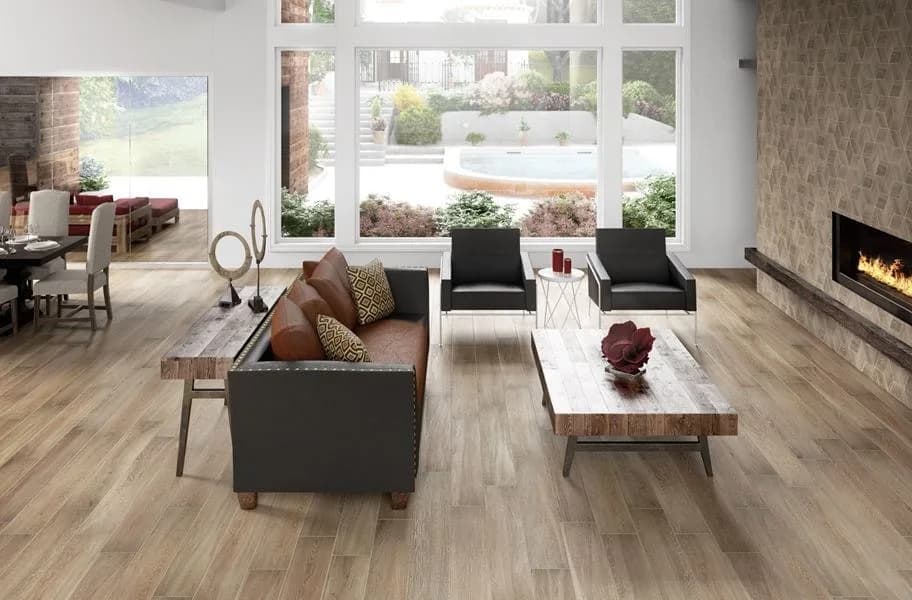
Modern Flooring Ideas: 11 Options for Contemporary Homes
To find the right modern flooring trends for your home, it’s important to understand what elements make a modern-styled home.

7 Things to Consider When Designing Your Home Theater
To start your theater off on the right foot, check out these tips, tricks, and home theater ideas for designing your home theater oasis!
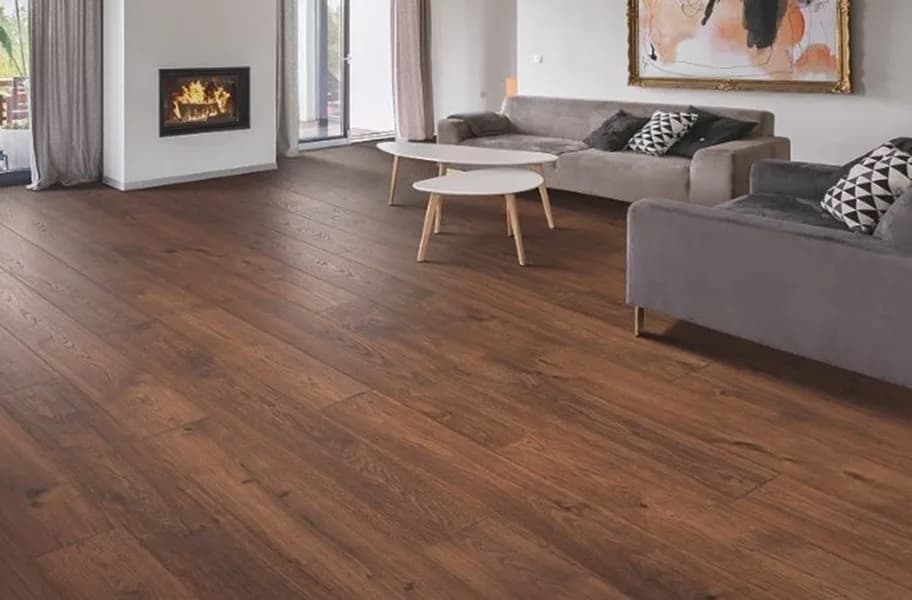
How to Install Temporary Flooring Over Carpet
Carpet can be a hassle to work around, but your place deserves gorgeous floors! Learn how to install temporary flooring over carpet with these easy steps!
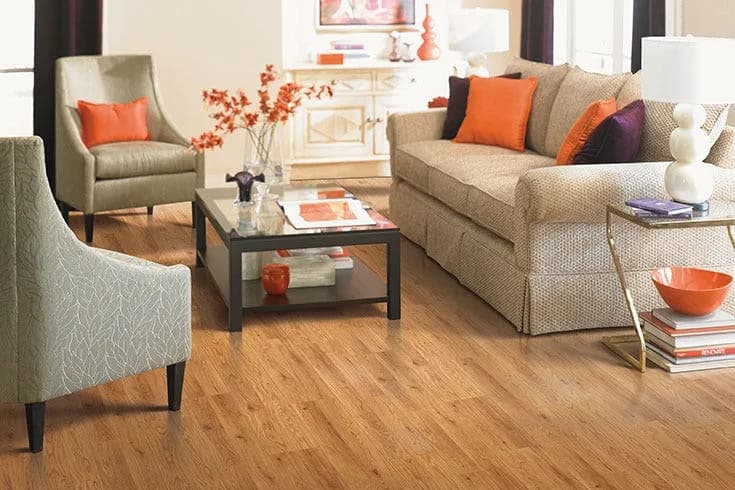
Living Coral: How to Use Pantone’s 2019 Color of the Year
This year, Living Coral has made a splash in fashion, graphic design, and even interior design. Ready to introduce Living Coral into your home?
Carpet still wins on comfort and sound-dampening — the real decision is tiles versus rolls, and which one fits your room, budget, and install skill.
Tiles or Rolls? Start Here
Carpet tiles and carpet rolls solve the same problem in different ways. Tiles come in individual squares you can lay one at a time, swap out if a section gets damaged, and often install yourself without a stretcher or seaming tape. Rolls give you a single continuous surface with fewer visible seams, which is usually the pick for a formal living room or a whole-house install where a uniform look matters more than DIY convenience.
Our carpet tiles guide names the tile picks that survive a first-time install, while the carpet rolls guide gets you to a roll width and yardage for a larger room. If you're still weighing carpet against a hard-surface alternative, carpet vs. tile flooring splits it by room: tile for moisture and traffic, carpet for warmth and sound.
Pet-Friendly Carpet and What to Shop For
Households with dogs and cats need carpet that handles moisture and claws without matting down or holding odor. Our pet-friendly carpet picks cover the fiber types and backings that hold up best, and if odor is already a problem, removing pet urine and stains is clear that odor lives in the padding, so surface treatments only mask it.
When you're shopping, fiber type and backing are the two specs that decide how a carpet handles a household with animals — solution-dyed fibers resist staining because the color runs through the fiber rather than sitting on it, and a moisture-resistant backing is what keeps an accident from reaching the padding.
Installing Carpet Yourself
Carpet tiles are the more forgiving install for a first-timer since there's no stretching or power-stretcher rental involved — you're mostly cutting, dry-fitting, and pressing pieces into place. How to install carpet tiles starts you at the center of the room and works out, which is the step first-timers get backwards. Rolled carpet is a bigger job; how to install carpet yourself covers the tools and prep work involved before you decide whether to DIY or hire it out.