
Gym Flooring
Articles
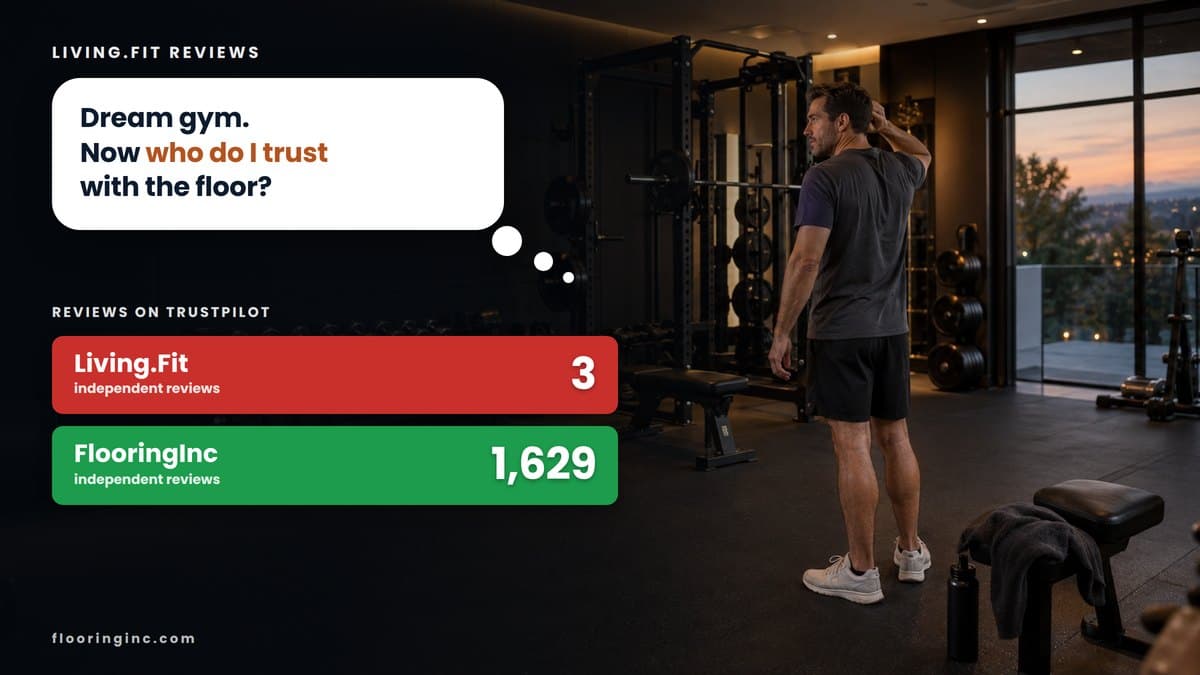
Living.Fit Reviews: How Their Rubber Gym Flooring Compares to FlooringInc
Living.Fit reviews, checked: 3 Trustpilot reviews against our 1,631, warranty and price side by side, and what changed in that Garage Gym Reviews ranking.
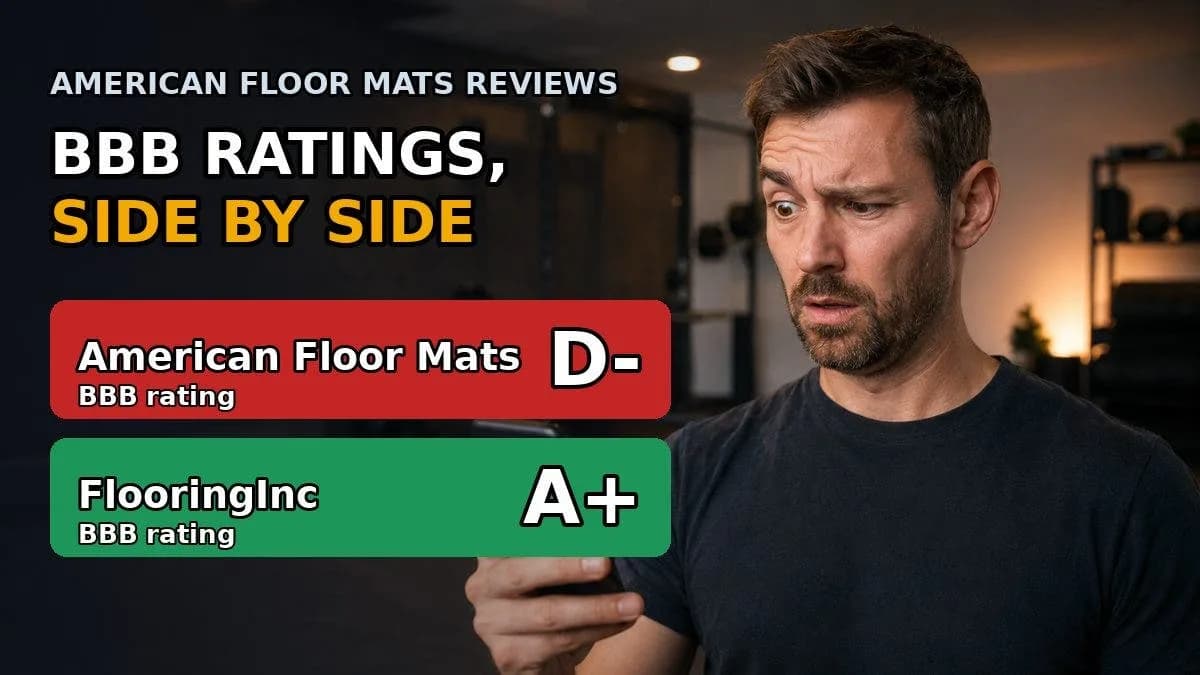
American Floor Mats Reviews Vs. FlooringInc (2026)
American Floor Mats reviews vs FlooringInc: a D- BBB rating, 1.6 Trustpilot, drop-ship shipping, and a 10-day return window. Is American Floor Mats legit? See the record.
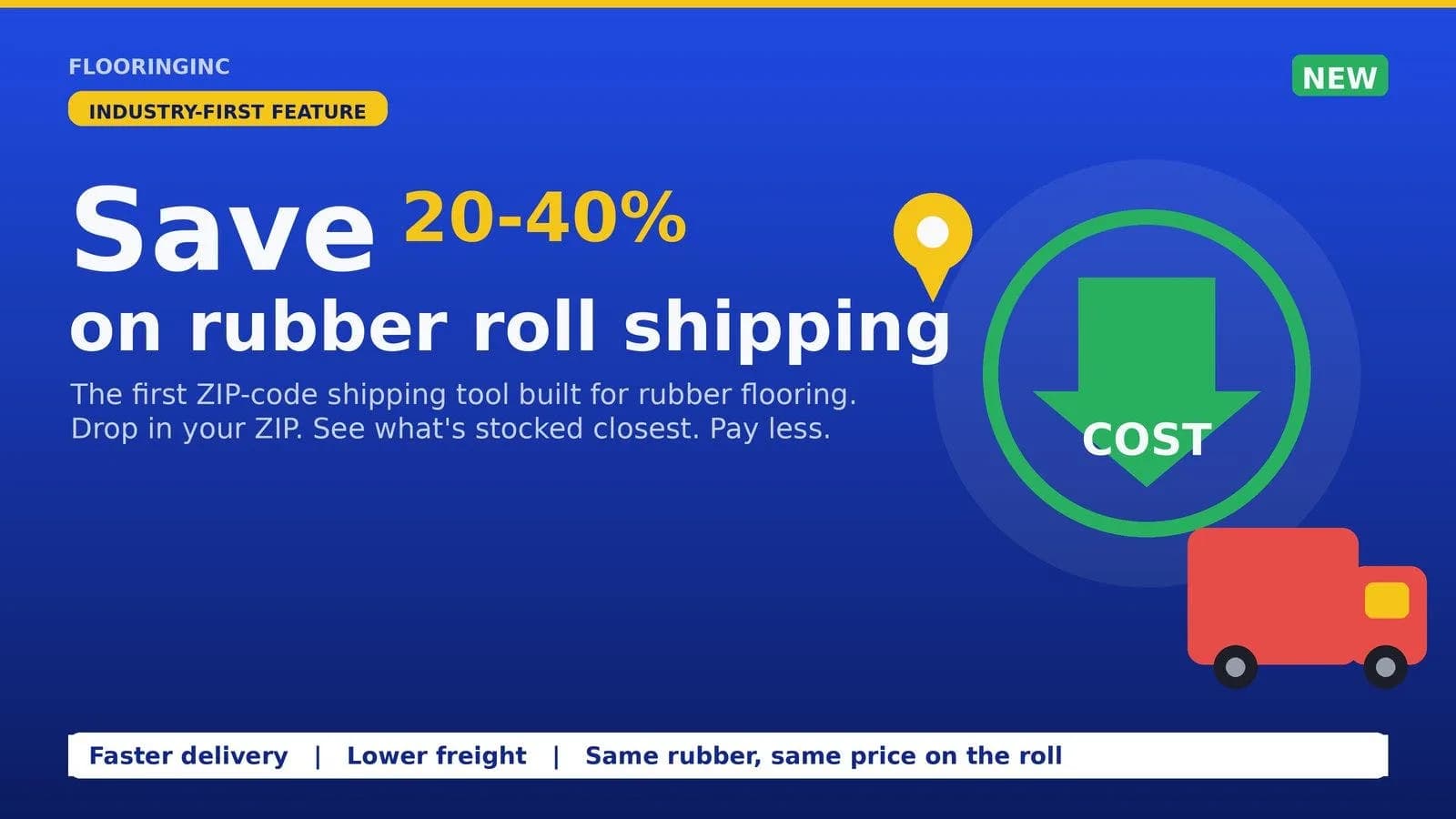
Shipping Saver: Rubber Rolls That Ship Closest to You
Shipping Saver shows the rubber rolls stocked closest to your ZIP, so you pay less freight and get faster delivery. Here's how the tool works and how to use it.
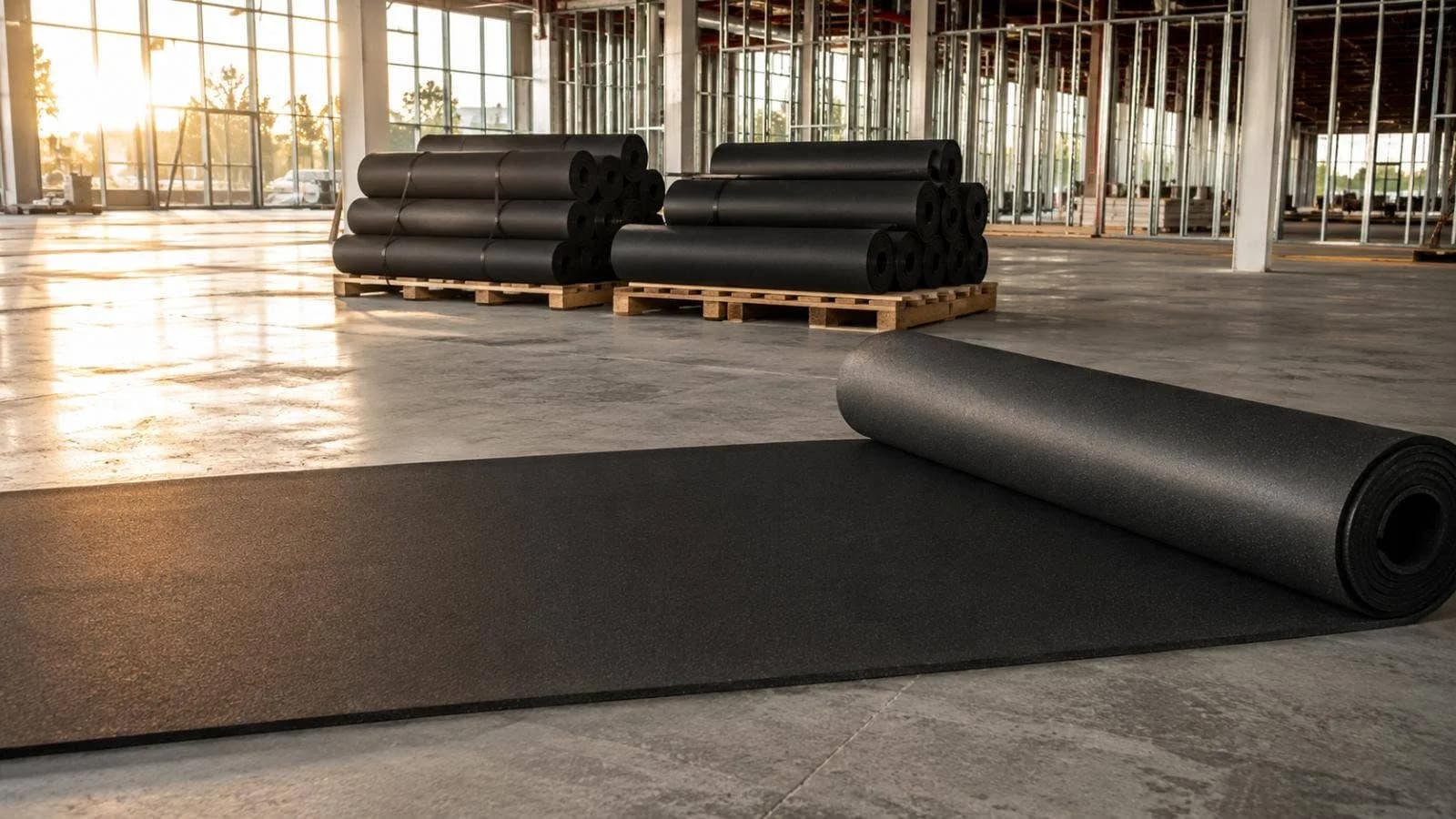
Commercial Flooring: Why the Hardest Jobs Come to FlooringInc
FlooringInc is a commercial flooring supplier for data centers, gyms, government buyers, and TV builds with deadlines other suppliers turn down. Here is how we do it.
RubberFlooringInc Is Now Traxxon
"After 18+ years as RubberFlooringInc, we're rebranding to Traxxon at FlooringInc.com. Most-reviewed rubber flooring online. Same warranties. Same team."
The Ultimate Holiday Gift Guide: Home Flooring for Every Hobby
Looking for a meaningful gift? Explore our top-rated artificial turf, rubber gym rolls, and foam play mats. High-quality foundations for the golfer, athlete, or dancer in your life.
Home Gym Flooring for Fitness Lovers: 2025 Holiday Gift Guide
Do you have a fitness lover in your life? We’ve got the perfect home gym flooring every budget, need, and style!
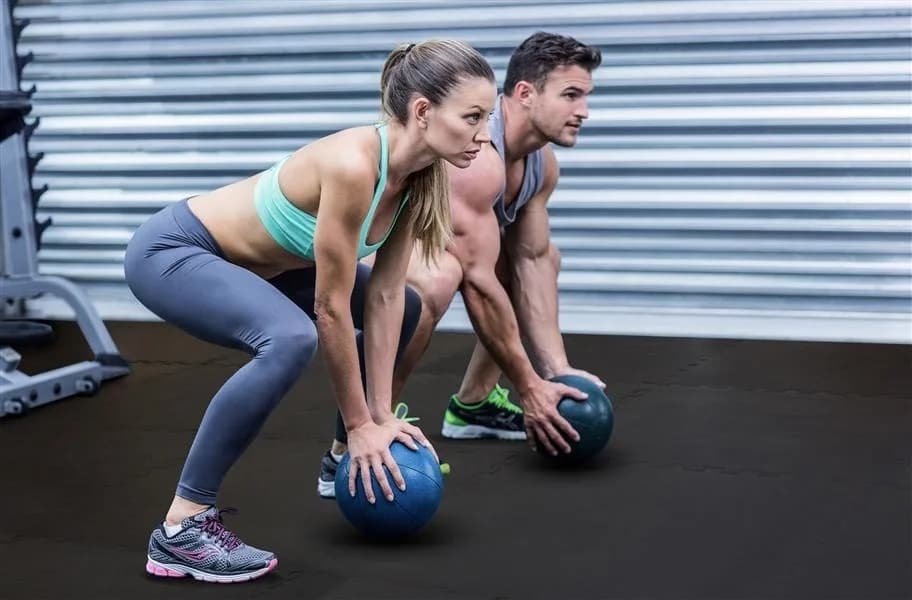
Home Gym Flooring Guide: Rubber, Foam, Vinyl & Carpet Compared
Get started on your home gym with the best in home gym flooring. Choose from rubber, foam, vinyl, or carpet, and find the best option for you!
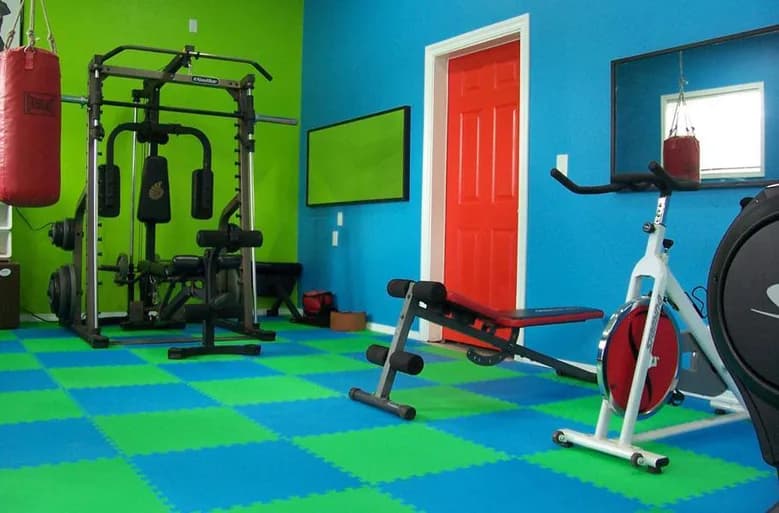
5 Best Home Gym Flooring Options
Explore the best flooring options to create a safe and durable home gym environment. Choose the ideal flooring for your workout space now!
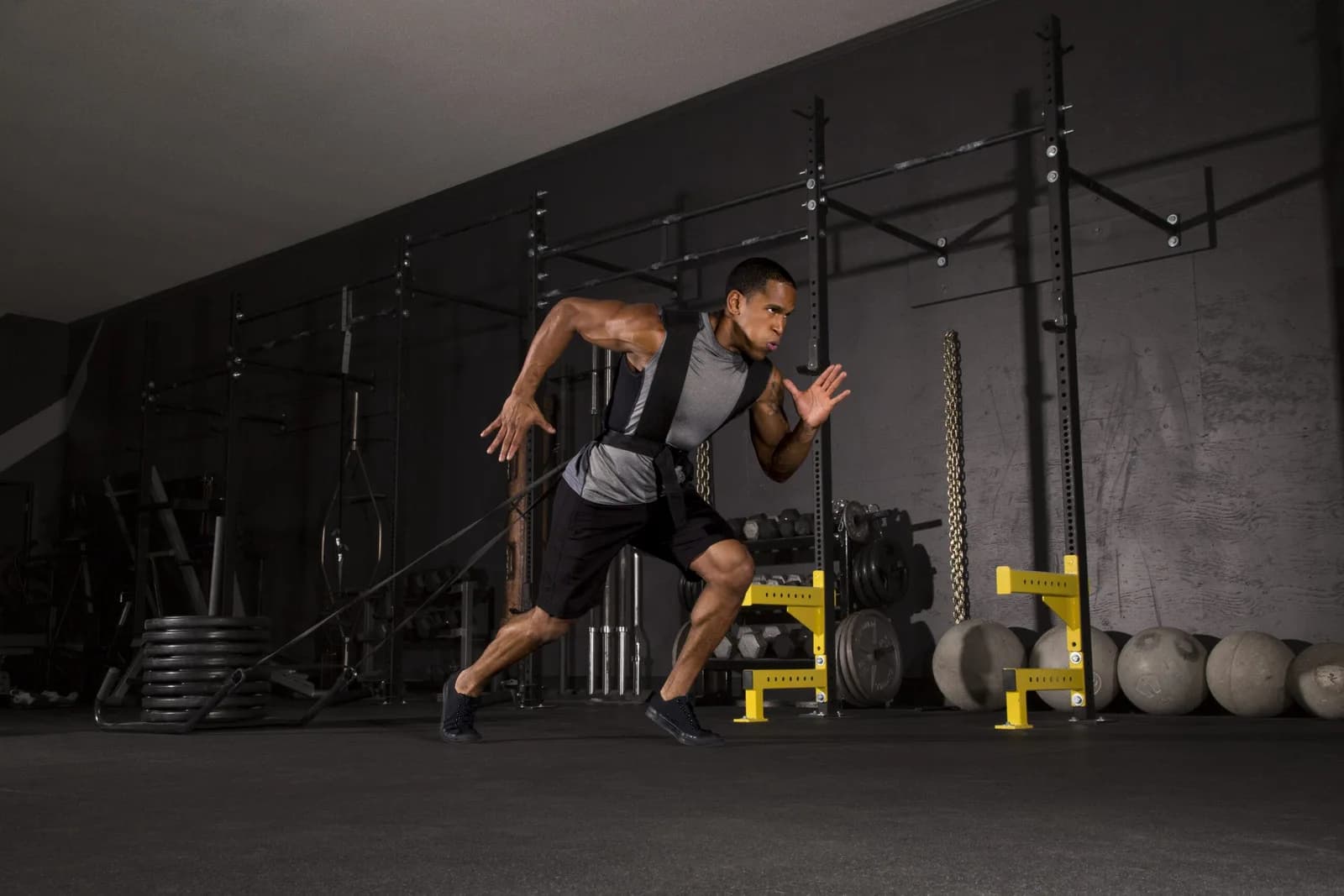
Commercial Gym Flooring: Everything Rubber and Gym Turf
Find the most durable floor for your commercial gym or fitness studio with our commercial gym flooring buying guide.

Commercial Kitchen Flooring: 5+ Ideas for Your Restaurant
Explore resilient commercial kitchen flooring that can keep your kitchen staff safe and on their feet more comfortably throughout the day!
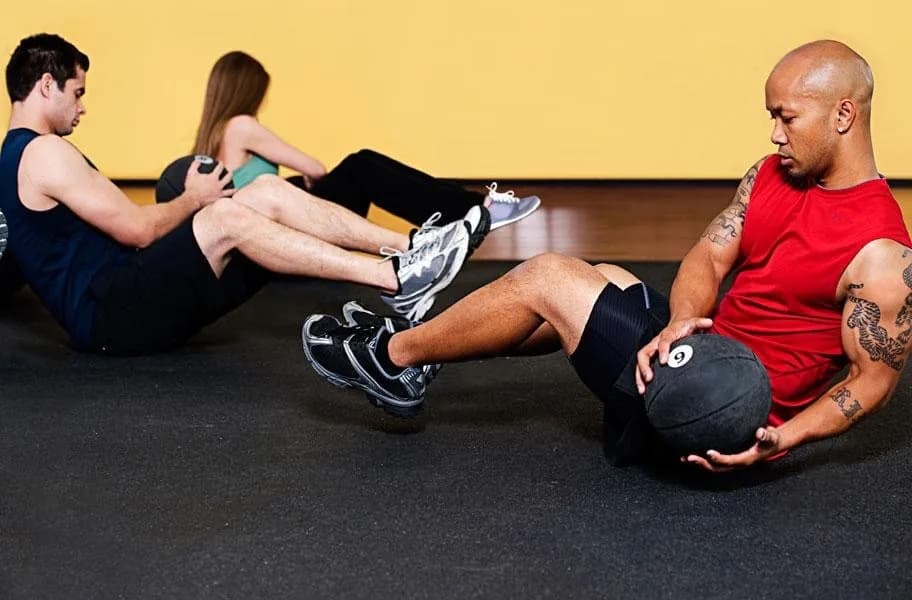
Fitness Center Interior: Matching Gym Flooring with Healthy Space Design and Lighting
With gyms and fitness centers in particular popping up at every corner, there's an opportunity for entrepreneurs to launch their own fitness center.
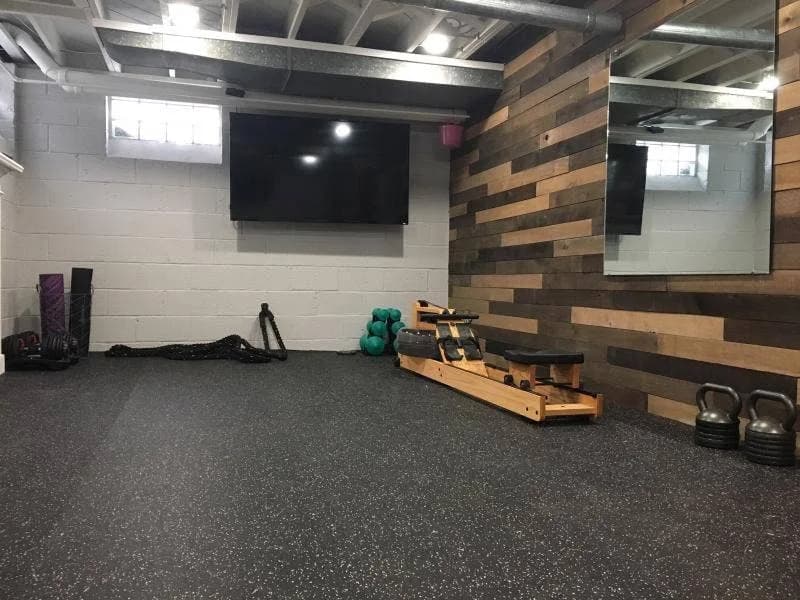
Size Guide for Rubber Flooring Rolls
Find the perfect fit with our rubber flooring rolls size guide. Get the details you need to make the right choice—check it out now!

Are Rubber Mats Safe for Dogs?
Rubber mats can provide a comfortable surface for dogs, offering durability and non-slip properties. Discover the benefits of rubber mats for your pets today!
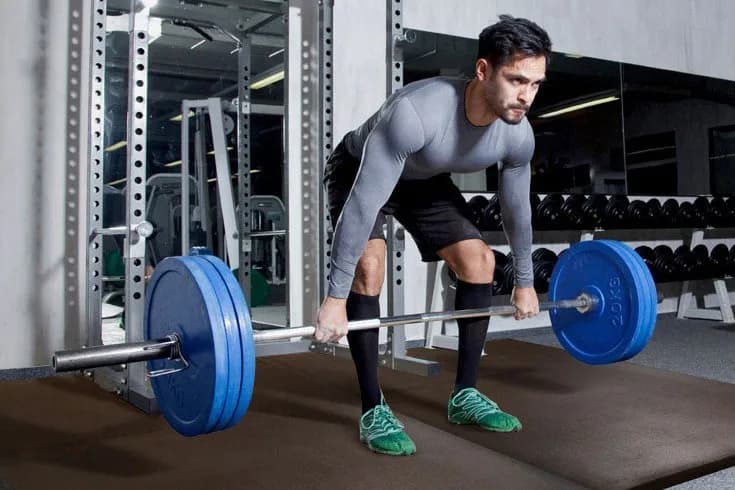
Horse Stall Mats vs. Gym Floor Mats: Which is Better?
You've probably heard that horse mats are a good gym flooring option, but is it true? Compare horse stall mats vs. gym mats to learn more.

Get the Perfect Squat: 5 Easy Tips
Master your squat form and get the most your of your workouts with these 5 tips to get the perfect squat. You don't need to spend your life savings on a personal trainer; just follow these simple guid
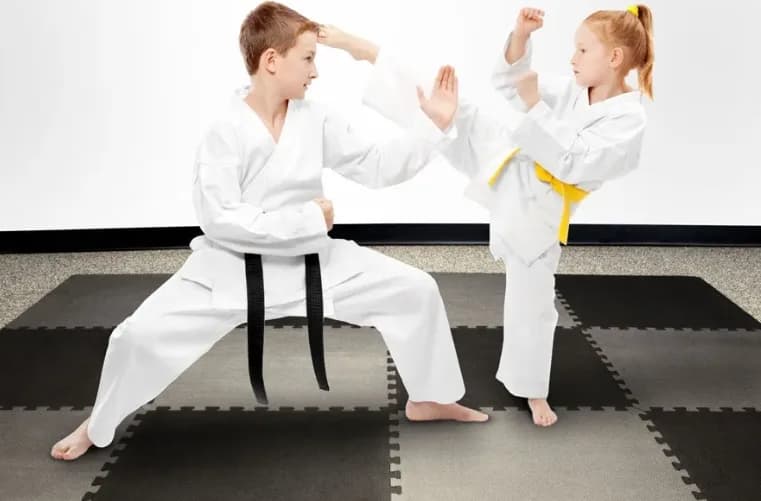
How to Clean Gym Mats
You can’t get in shape on a dirty gym mat. To make sure you and your mat are gym-ready, let’s go over how to clean gym mats.
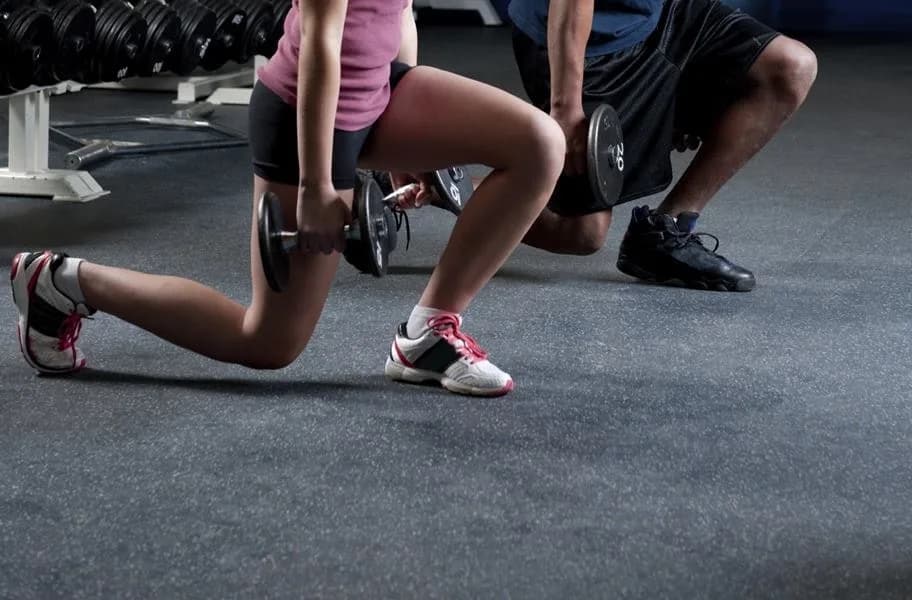
How to Clean Rubber Gym Flooring: 4 Easy Steps
Rubber flooring is perfect for exercise, but you nee to keep it clean. Learn how to clean rubber gym flooring so you keep your gym sanitary.
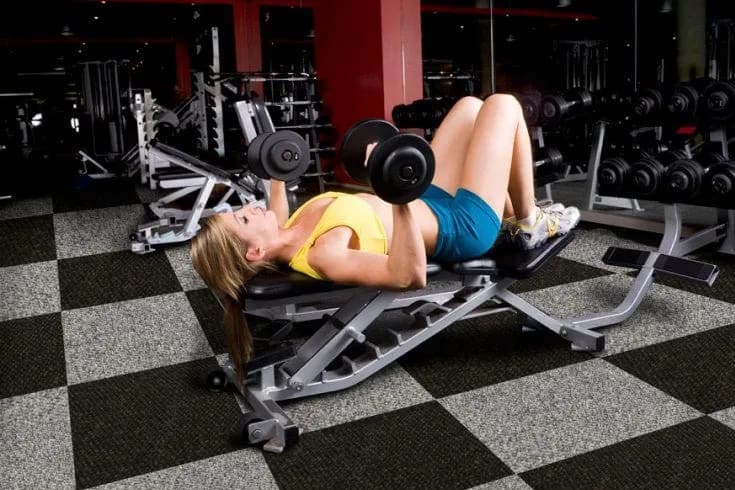
4 Reasons to Use Carpet for Gym Flooring
Carpet, in particular, carpet tiles, is a great option for both home and commercial gyms. Find out why with these 4 reasons to use carpet for gym flooring.
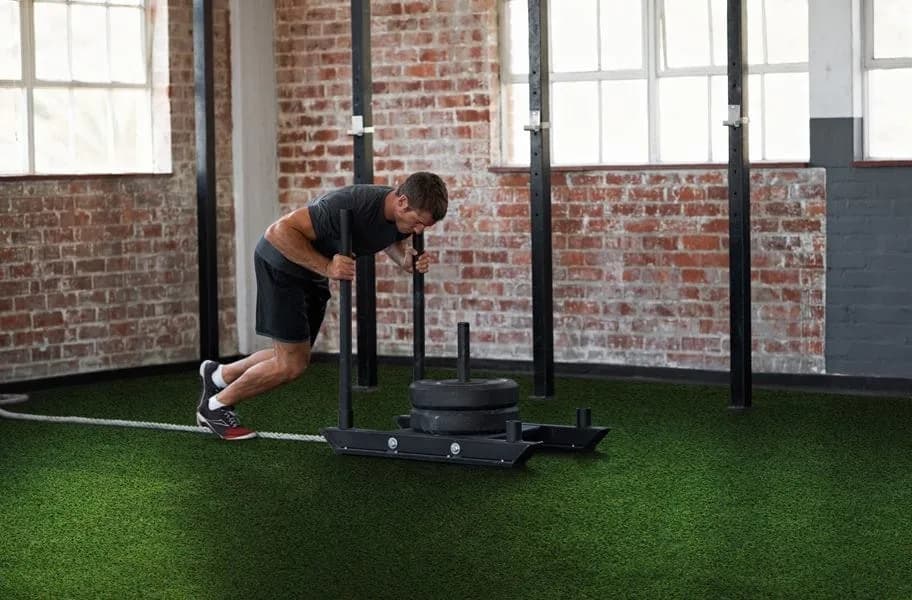
What's the Best Flooring for Crossfit?
Make sure you get the best flooring for CrossFit so that you can drop heavy barbells and do plyometric movements on the perfect shock-absorbent surface.
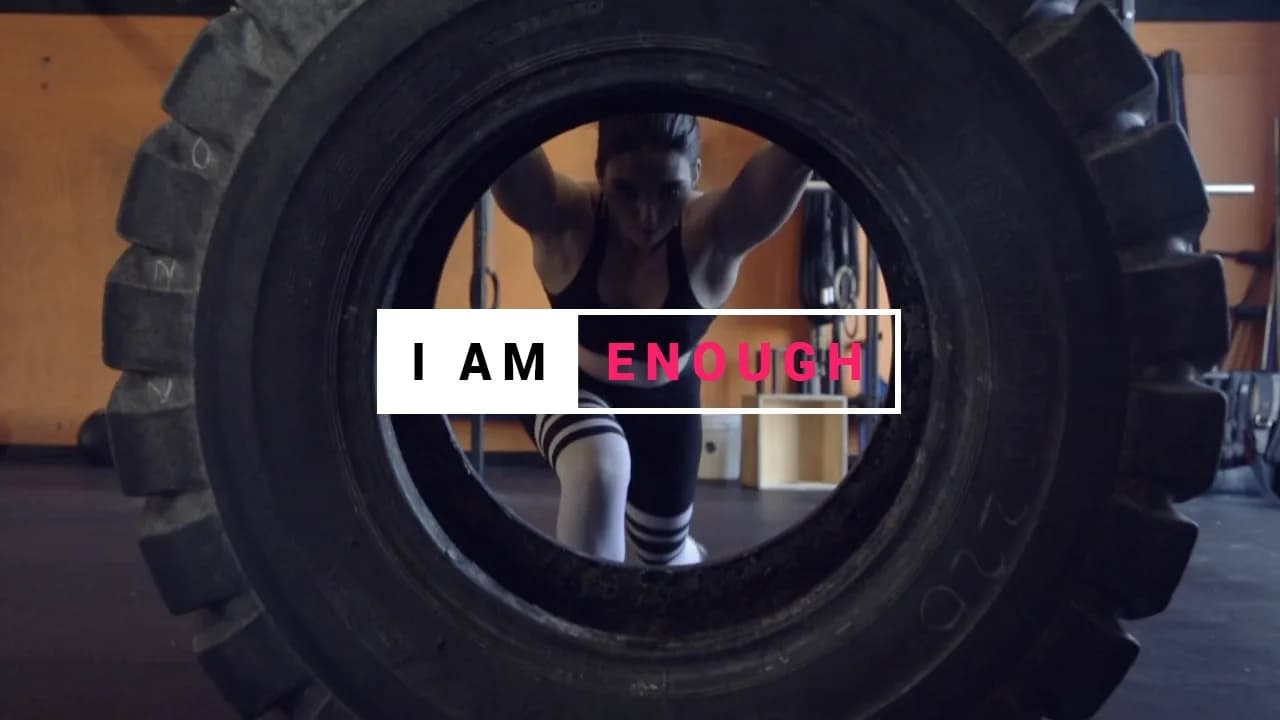
International Women's Day 2025: #IAmEnough
To celebrate International Women's Day, we asked women to share their 'I Am Enough' moment with us. When was the moment they discovered that they were enough? Just as they are.

Ken's Story: How One Man Lost 300lbs and Got His Life Back
We're sharing how one man lost 300lbs with hard work, dedication and healthy eating. From 580lbs to athlete, Ken's story is like no other.
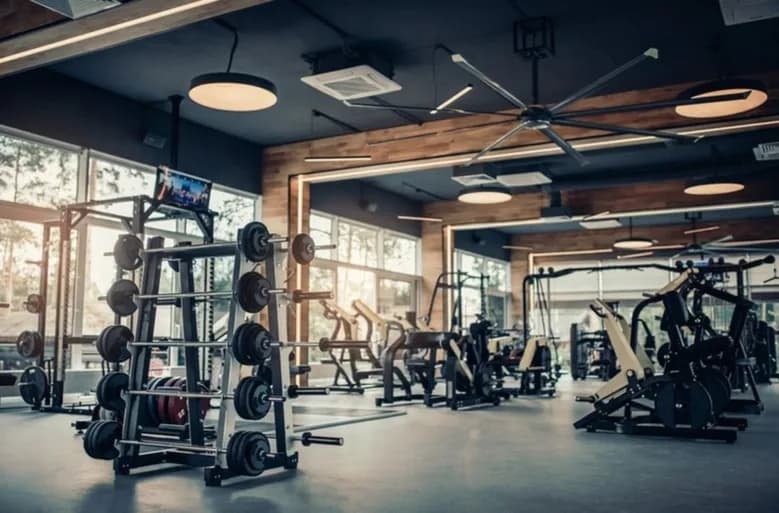
Is Rubber Flooring Waterproof?
Learn the extent of rubber flooring's water resistance, and discover its suitable applications. Get the facts and choose the right flooring for what you need.
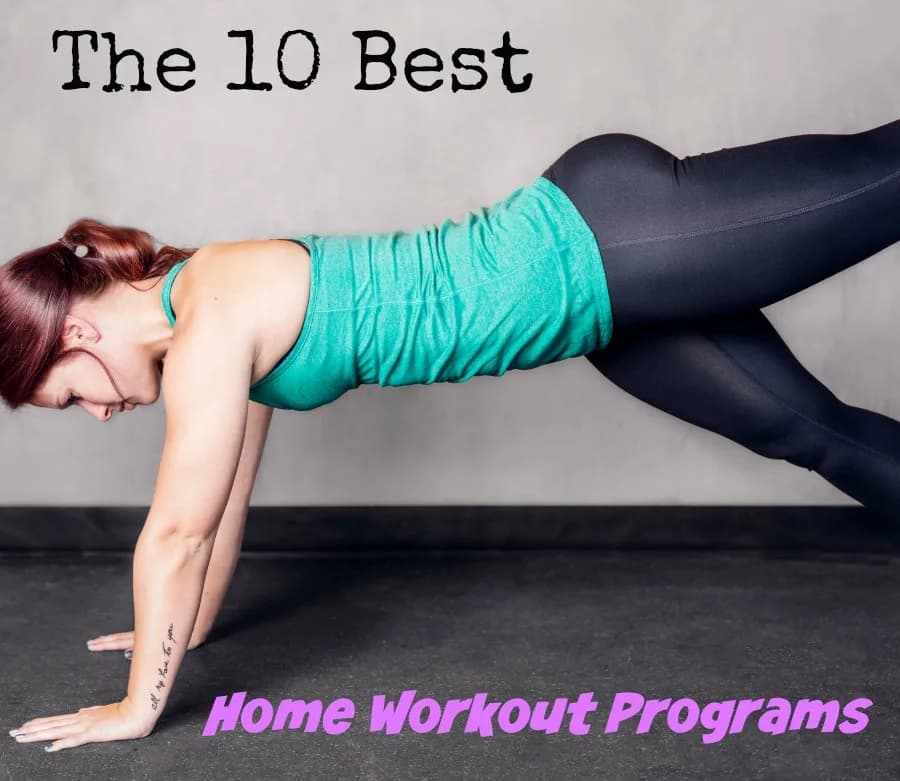
The 10 Best Home Workout Programs
Gyms can be intimidating, expensive and difficult to work into your schedule. Easily get fit at home with this collection of the best home workout programs.
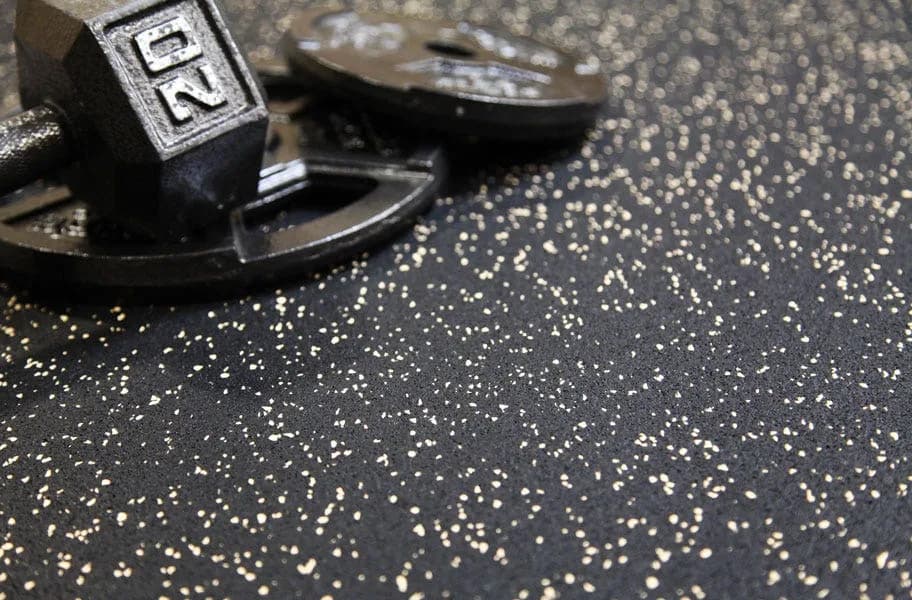
What is Gym Flooring Made Out Of?
Learn about the materials used in gym flooring and their impact on performance and safety. Discover the best option for your fitness space with Flooring Inc.

How to Choose the Best Gym Membership
Choosing a gym membership is a big deal. Whether you're a newbie or a gym rat, we can help you learn how to choose the best gym membership.
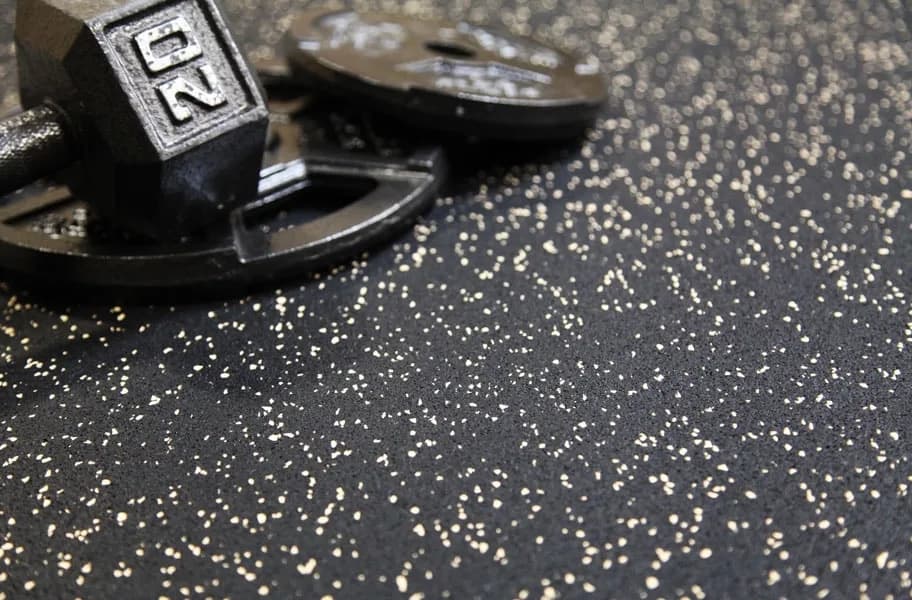
How to choose Garage Gym Flooring: What You Should Know
What kind of garage gym flooring is best for your dream garage? As the leader in rubber flooring, we have some answers.

Ask a Trainer Part 4: Movement Mode
Ask A Trainer series: Tips, tricks & ideas to keep you on your goal of getting/staying healthy in 2025 and beyond. Behind the scenes w/ trainers, nutritionists & more!
Ask a Trainer Part 2: Foundation Physical Therapy
Ask a trainer for tips, tricks and ideas to keep you on your goal of getting/staying healthy in 2025 and beyond. Behind the scenes with trainers, nutritionists & more!

Ask a Trainer Part 1: FITaspire
Ask a trainer for tips, tricks and ideas to keep you on your goal of getting/staying healthy in 2025 and beyond. Behind the scenes with trainers, nutritionists & more!
Rubber Floor Tiles Buying Guide
Use this all-inclusive rubber floor tiles buying guide to choose the best rubber floor tiles for your application. Learn everything from thickness to application.
A rack in the corner of a garage and a commercial floor taking drops all day are the same problem at two very different scales, and the floor is what absorbs the difference. Get the thickness and format right and you stop thinking about it; get them wrong and you'll hear about it from the room below.
Home Gym vs. Commercial Gym Flooring
The right floor depends heavily on scale. A spare bedroom or garage gym has different demands than a facility running classes seven days a week, and picking the wrong thickness or format for the load usually shows up fast as compression or wear.
For a home setup, start with Best Home Gym Flooring, which compares rubber, foam, and vinyl for everyday lifting and cardio spaces. If you're outfitting a commercial space, Commercial Gym Flooring: Everything Rubber and Gym Turf covers what changes when a floor has to survive drop zones, turf sleds, and constant foot traffic. And if your training is barbell-focused, What's the Best Flooring for CrossFit? walks through the extra shock absorption that Olympic lifting and box jumps demand.
Format matters as much as material. Rubber Tiles vs. Rolls lays out when interlocking tiles make more sense than a continuous roll, which usually comes down to room shape and how often the floor needs to come up.
Shopping for Gym Rubber Flooring
Most of what shows up in these posts points back to rubber, and for good reason: it absorbs impact, muffles noise between floors, and doesn't dent under rack feet or dropped plates the way vinyl or laminate will. The Gym Flooring shop category is organized by mats, tiles, and rolls so you can match the format to your space instead of guessing.
If you're weighing thickness, weight room and heavy-lifting areas generally call for thicker stock than a cardio or stretching zone, since the goal there is protecting the subfloor and dampening drop noise rather than just providing traction.
Keeping Gym Flooring in Shape
Rubber gym flooring is low-maintenance, but it's not zero-maintenance, especially in a shared or commercial space where sweat, chalk, and outdoor shoes track in daily. How to Clean Rubber Gym Flooring covers the basic sweep-and-mop routine that keeps rubber from getting that dull, sticky film over time. For mat-specific setups, How to Clean Gym Mats gets into spot-cleaning around equipment feet and high-sweat zones without breaking down the rubber's surface.