
How To
Articles

How to Turn Your Resolution Into a Lifestyle
Tired of making the same New Years resolutions every December / January? Learn how to turn your resolution into a lifestyle with these achievable tips.
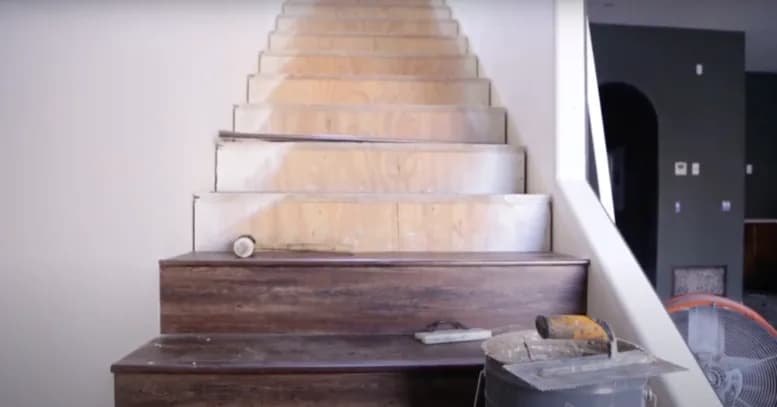
How to Install Vinyl Plank Flooring On Stairs in 6 Steps
This guide will show you how to install vinyl plank flooring on stairs. Follow easy step-by-step instructions to start your DIY project.
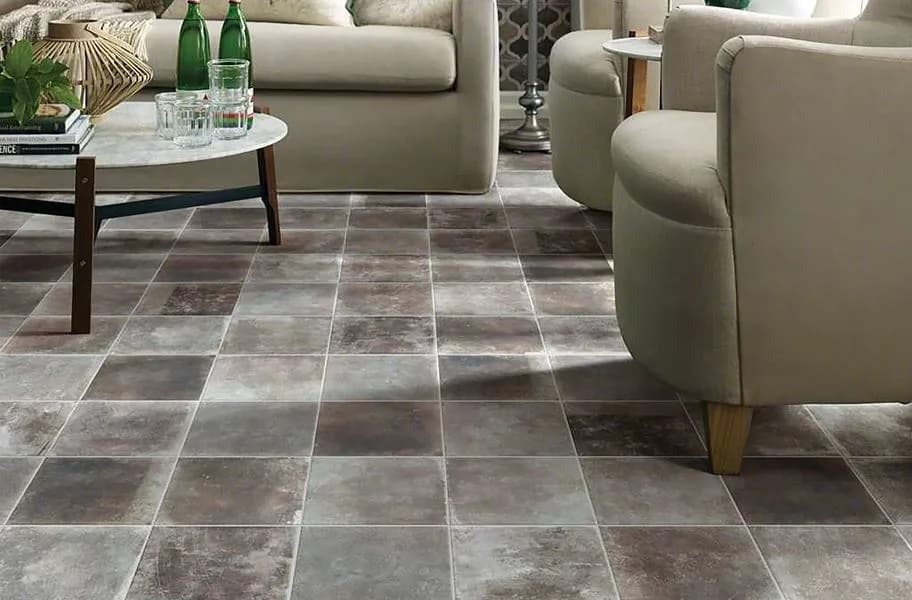
How to Tile a Floor: Step by Step Installation Guide
A DIY tile project may be challenging, but not impossible! With the right tools and enough preparation, you can learn how to tile a floor the right way.

How to Set Achievable New Years Resolution: 5 Tips
Use these 5 tips to set achievable goals for the new year. Set achievable goals you can keep working and achieving all year long!
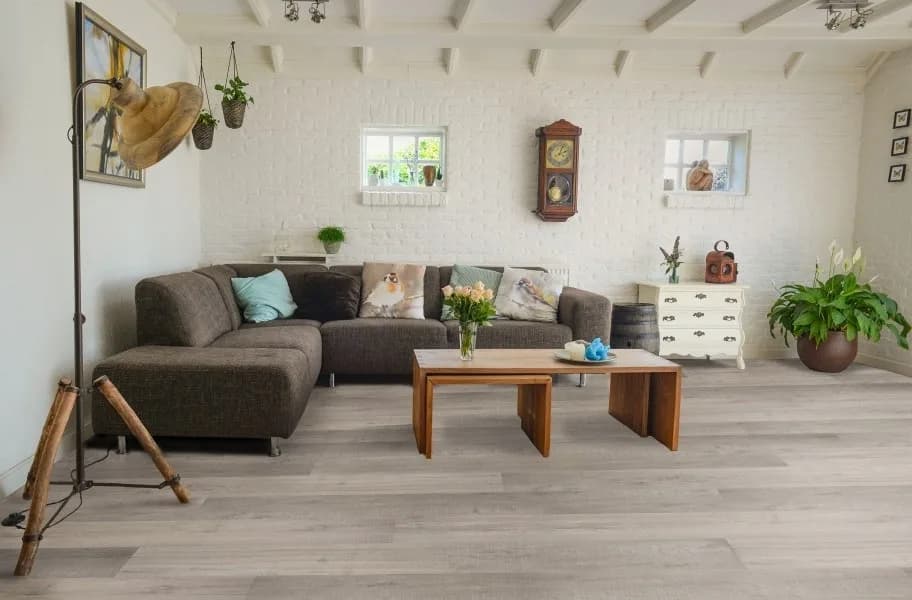
How to Install Vinyl Flooring: 3 Methods
Installing vinyl flooring can be a great DIY project, saving you money and giving you the satisfaction of having installed your own flooring.
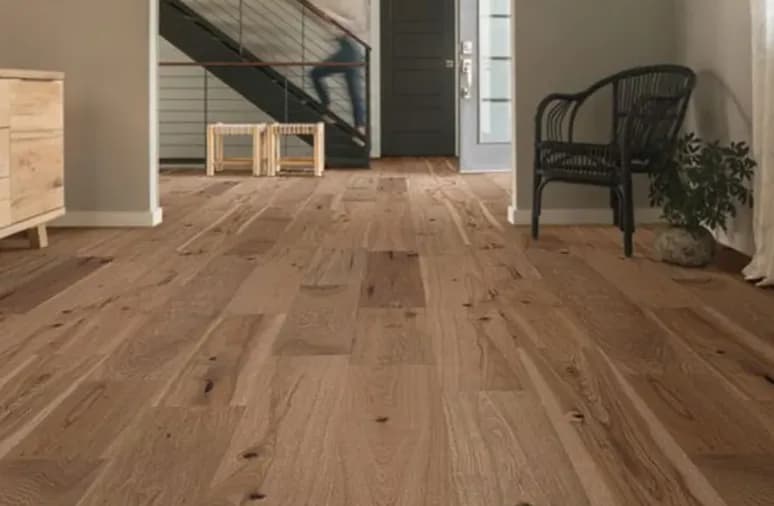
How to Install Engineered Hardwood Floors: 4 Easy Installation Options
Learn how to install engineered hardwood with four easy install methods, the right tools and instruction to become an installation pro!

How to Install Laminate Flooring on Walls: 7 Easy Steps
Follow this guide to learn how to install laminate flooring on walls! You can create a gorgeous wood-look accent wall on your own.

How to Install Laminate Flooring
Want to install laminate flooring in your home? Here's your DIY laminate flooring installation steps with a video tutorial!

How to Install Composite Decking in 6 Steps
Learn how to install composite decking in 6 easy steps with our comprehensive guide. Discover the process and start your DIY project today!
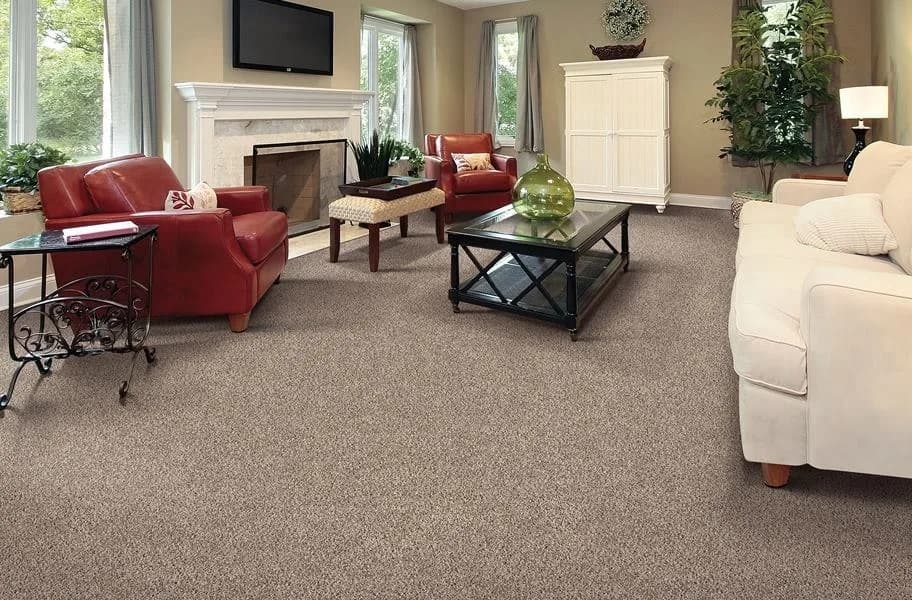
How to Install Carpet Yourself: 3 DIY-Friendly Options
With specially made carpet perfect for the weekend warrior, anybody can install carpet! These DIY carpet installations are easy to do in no time at all.
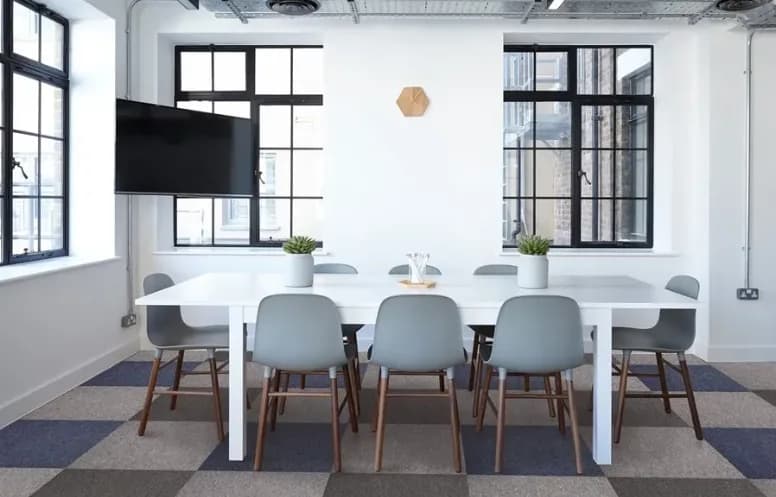
How to Install Carpet Tiles
Carpet tiles are your simple. easy and child-proof carpet solution! Learn how to install carpet tiles in just 4 easy step
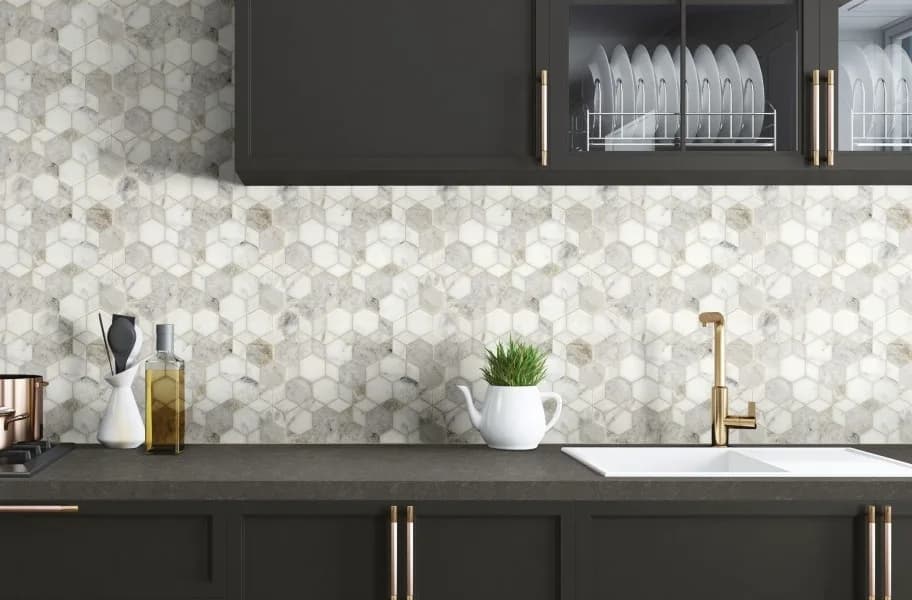
How to Install Backsplash Tile 3 Easy Ways
Learning how to install backsplash tiles to update your kitchen? There’s more than one way to do it! Discover three easy, DIY-friendly options.
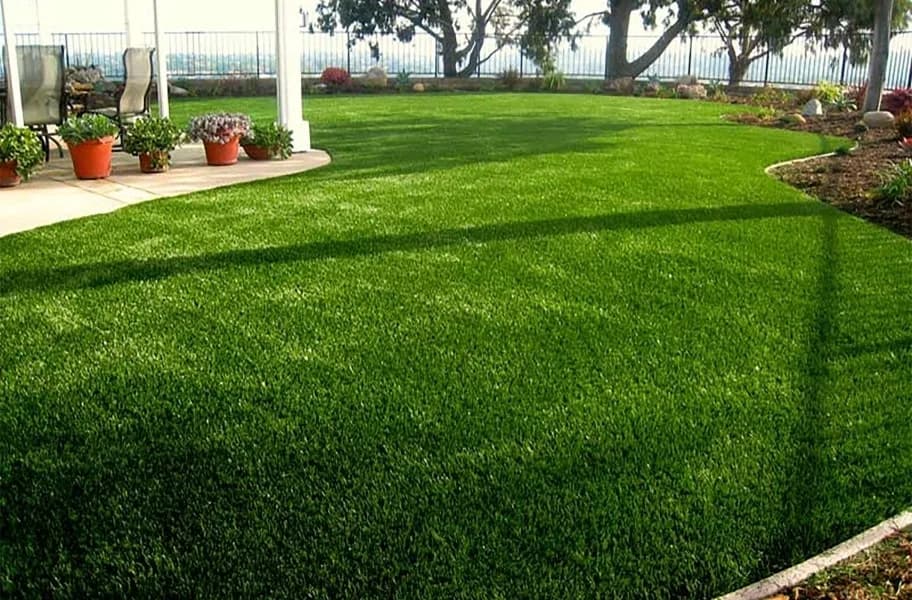
How to Install Artificial Grass: DIY Tips For Your Lawn
From replacing natural grass in your yard to installing over a concrete slab, this guide will help you learn how to install artificial grass.

How to Remove and Prevent Pet Urine Odor and Stains on Your Carpet
By understanding how pet urine affect your floor, you can learn how in this simple guide to preventing pet odor and remove pet urine from your carpet!

How to Choose the Best Ballet Dance Flooring
Find the perfect floor for your studio with our ballet dance flooring buyer’s guide. For studios, schools companies and more.
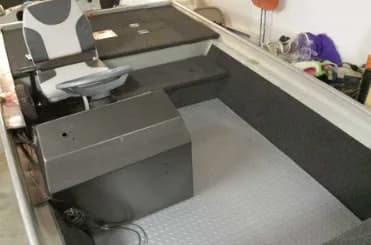
How to Choose Boat Flooring Like a Pro
Discover the best boat flooring options including rubber, vinyl, carpet tiles and more. You can easily make your boat pop with these affordable options.

How to Choose Commercial Vinyl Flooring: 7 Essential Facts
Commercial vinyl flooring is one of the best high-traffic flooring options. Learn about pros and cons, installation, and more.

How to Choose the Best Putting Green Turf: Ultimate Guide
Learn everything you need to know about putting green turf to get your short game up to par. It's time to set up your own putting paradise and get swinging.
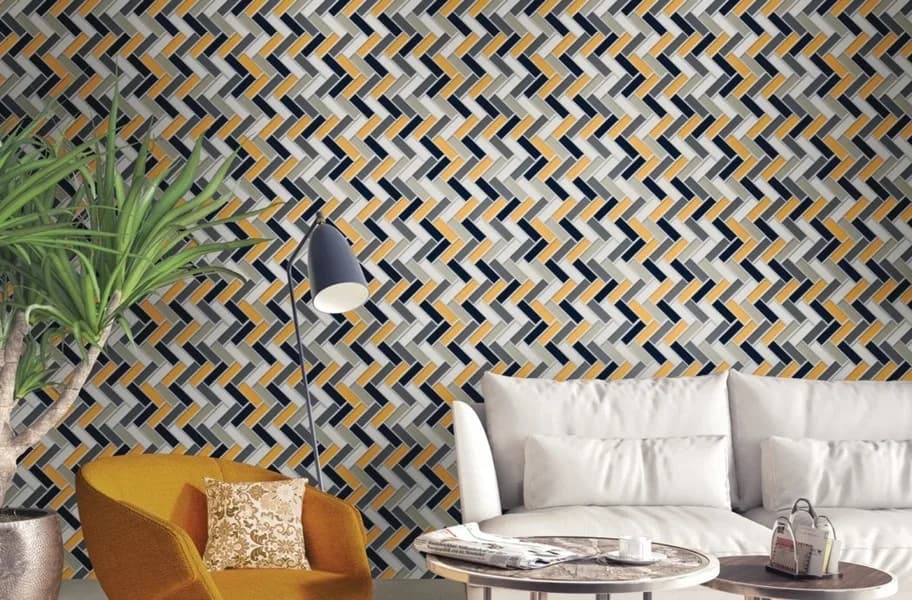
How to Choose Tile: Style Tips From an Interior Designer
When learning how to choose tile, it’s important to consider your space. These expert design tips will help you make the right choice for you.
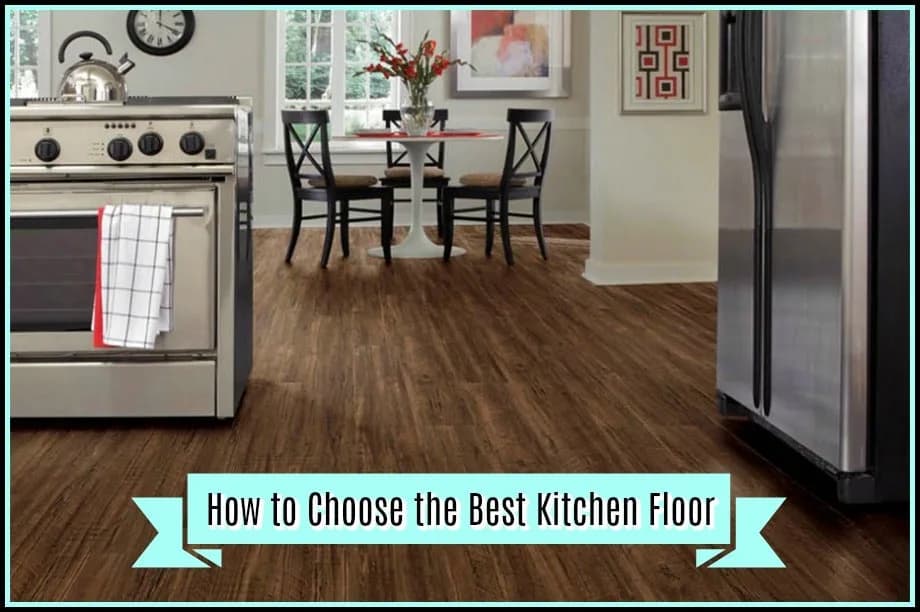
How to Choose the Best Kitchen Floor
Choosing the best kitchen floor can be difficult. Luckily, we have the perfect guide to help you choose a kitchen floor that can stand the heat.
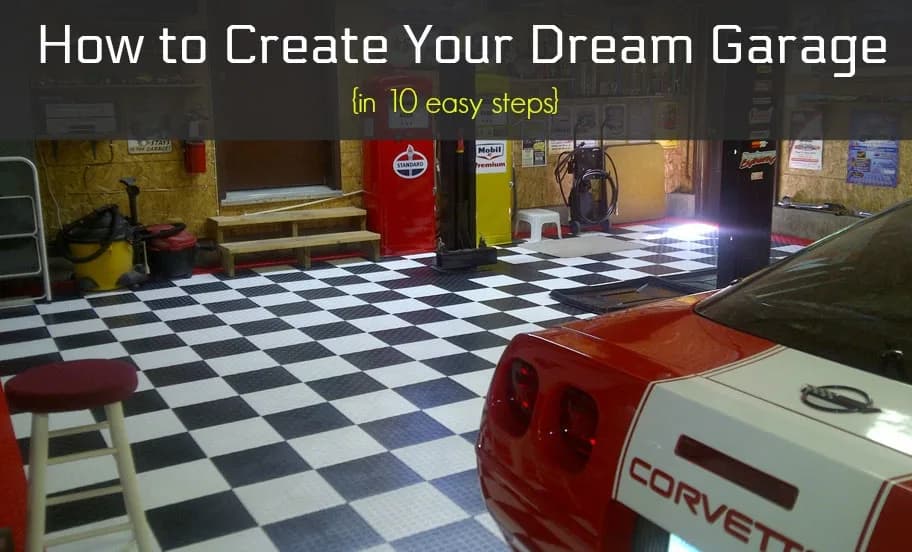
How to Create Your Dream Garage in 10 Easy Steps
Take your garage from basic to man cave. We'll teach you how to create your dream garage, from everything from garage flooring to decor.
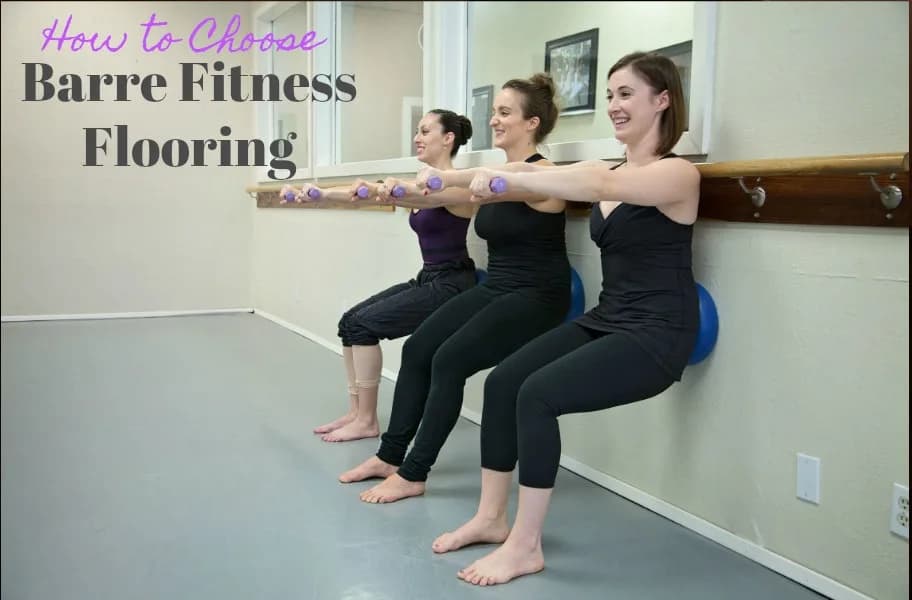
How to Choose Barre Fitness Flooring
Find the perfect floor with our barre fitness flooring buyer’s guide. Get the perfect floor for everything from barre fitness to traditional dance classes
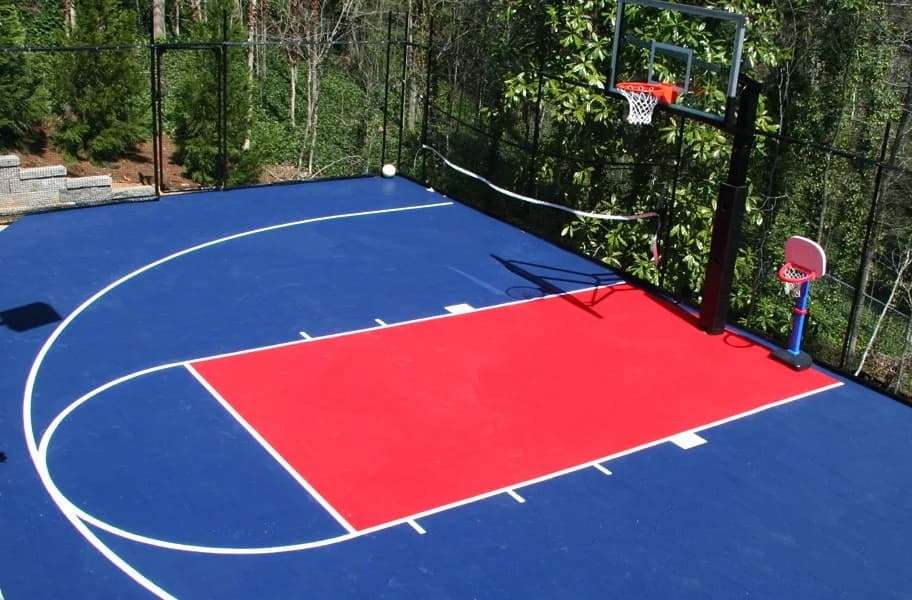
How to Choose Court Flooring: The Right Court for Your Sport
Searching for the best court flooring options for you? Discover the perfect flooring for the backyard, rec room, or gymnasium, and more.
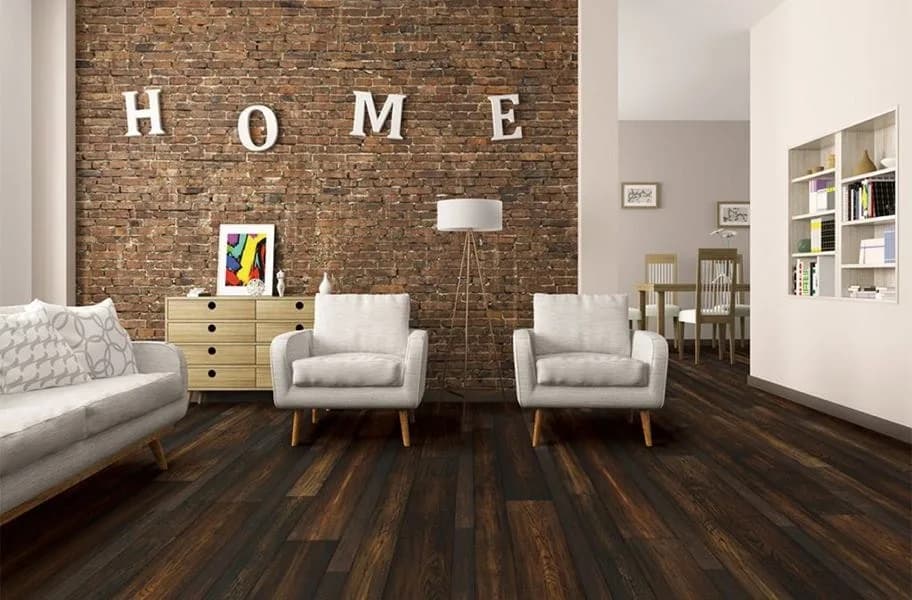
How to Choose Flooring to Fit Your Style
How to Choose Flooring to Fit Your Style: An easy guide to discover what your design style is and which flooring style will complement your unique look.
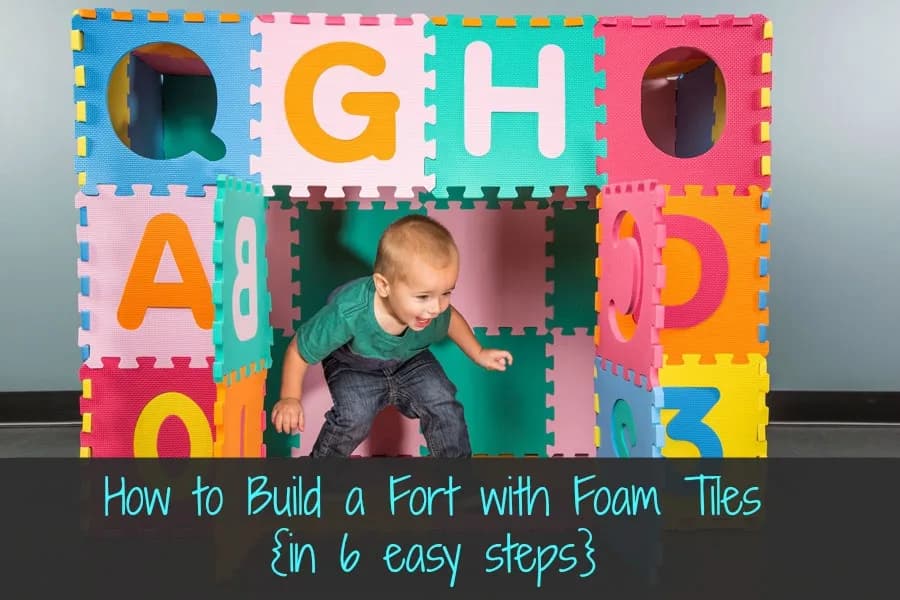
How to Build a Fort with Foam Tiles (in 6 easy steps)
Get creative with your kiddos without any extra toys. Learn how to build a fort with foam tiles in these 6 easy steps. A simple activity the kids will love.
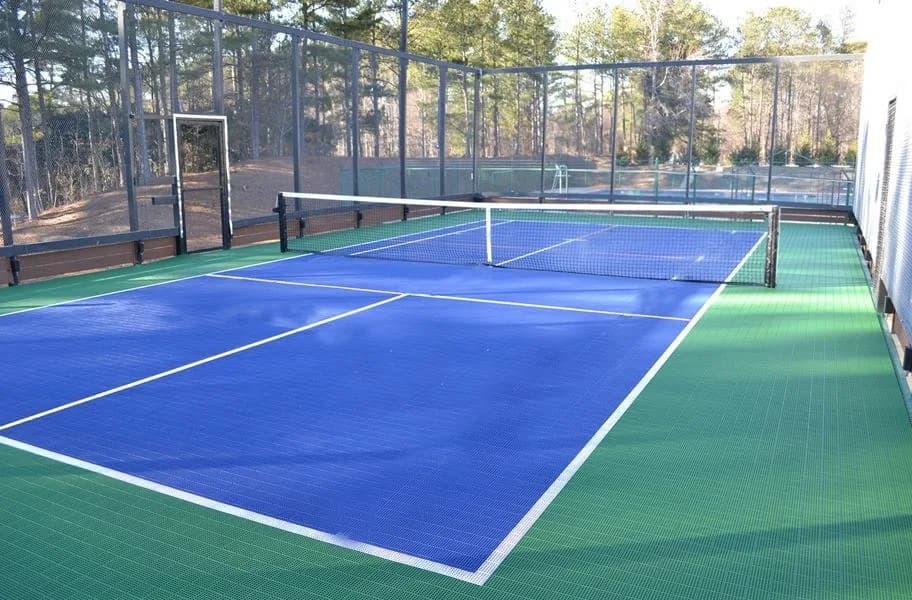
How to DIY Install Court Sports Flooring
Sports tiles are the ideal flooring for anyone looking to install an athletic court in their yard. These tiles are easy to install for a DIY backyard court.

How to Create the Ultimate Garage
A garage is much more than where you park your car! It can be a man cave, home gym, or workshop. Make it stand out! Learn how to create the ultimate garage.
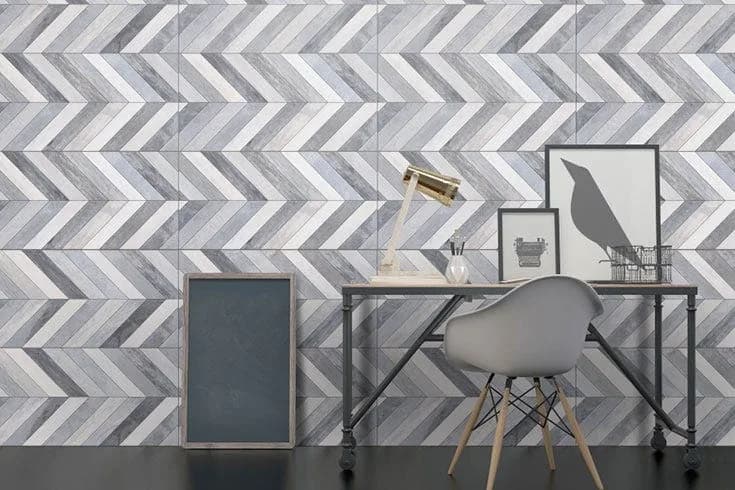
Tile Patterns: How to Create 20+ Trendy Styles
It’s easy to get stumped when it comes to choosing tile patterns. Lots of people don’t know where to start, but it's simple to follow trending tile styles.
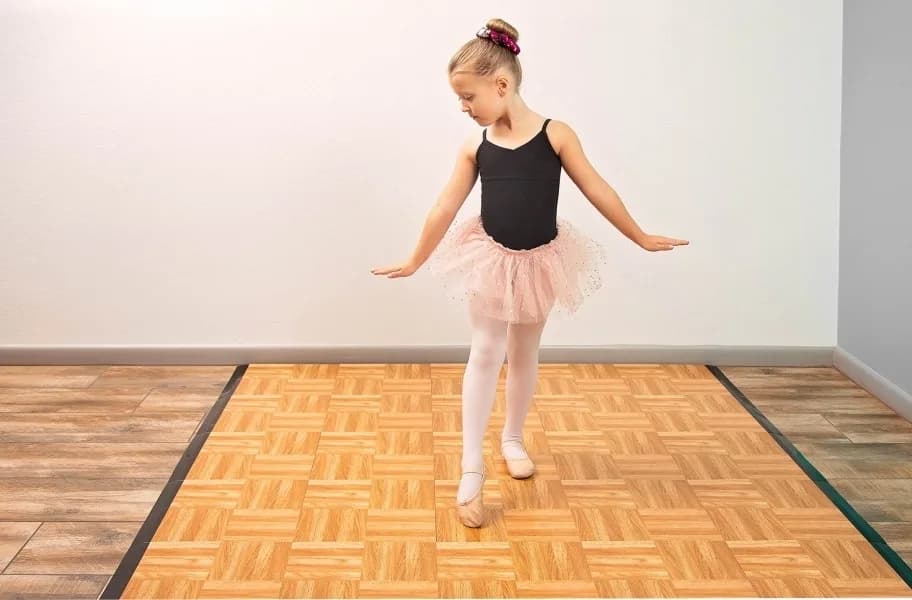
How to Install Home Dance Studio Flooring: DIY-Friendly Tips
Get more practice dancing with a home dance studio. Get started by learning how to install dance flooring in a few simple steps.
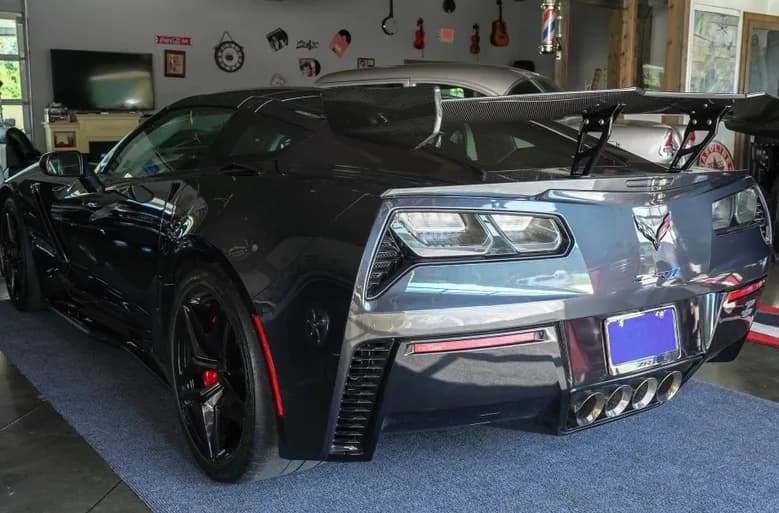
How to Protect Your Garage Floor from Spills, Damage, & More
Learn how to protect your garage floor with effective coatings, mats, and sealants. Discover the best solutions and start preserving your floor today!
How to Install Garage Tiles
Ready to start your own personal garage shop or man cave? Start from the ground up and learn how to install garage tiles in 5 easy steps!

How to Choose the Best Gym Membership
Choosing a gym membership is a big deal. Whether you're a newbie or a gym rat, we can help you learn how to choose the best gym membership.
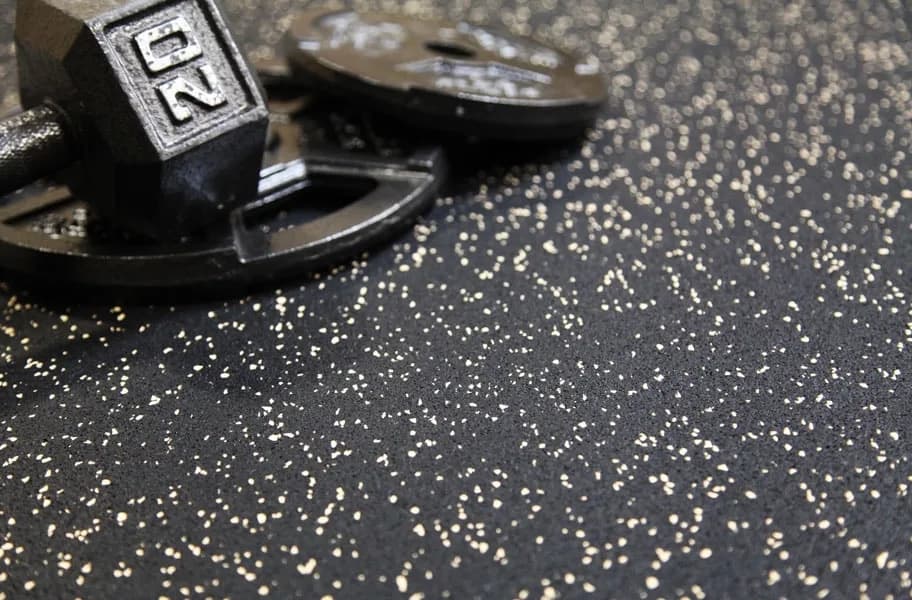
How to choose Garage Gym Flooring: What You Should Know
What kind of garage gym flooring is best for your dream garage? As the leader in rubber flooring, we have some answers.
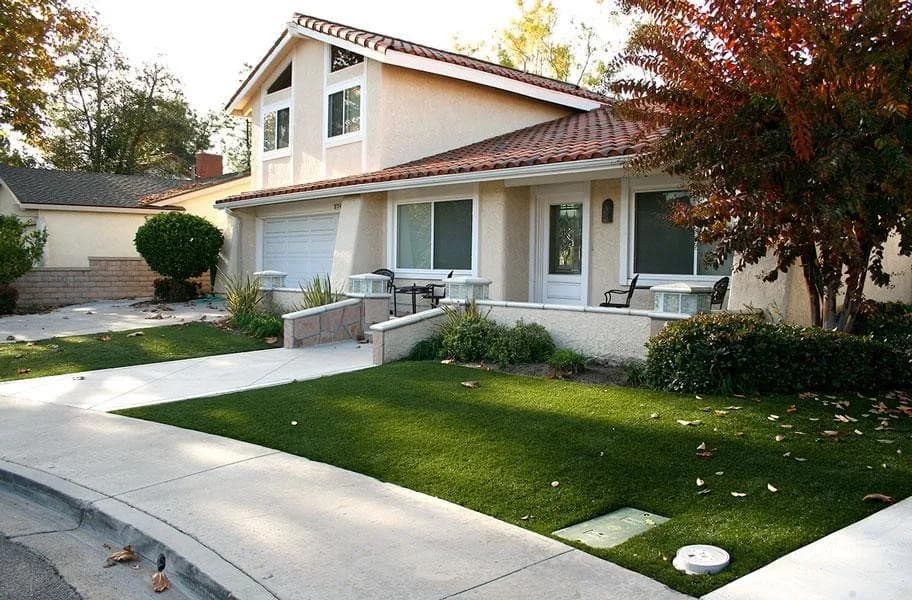
Artificial Turf Melting: Why It Happens and How to Fix It
Is your artificial turf mysteriously melting in random spots? Learn what causes this damage, and what you can do to prevent it.
How to Choose the Best Garage Door
How do you choose the best garage door to complete your garage? Follow our step by step guide and become a garage door expert.
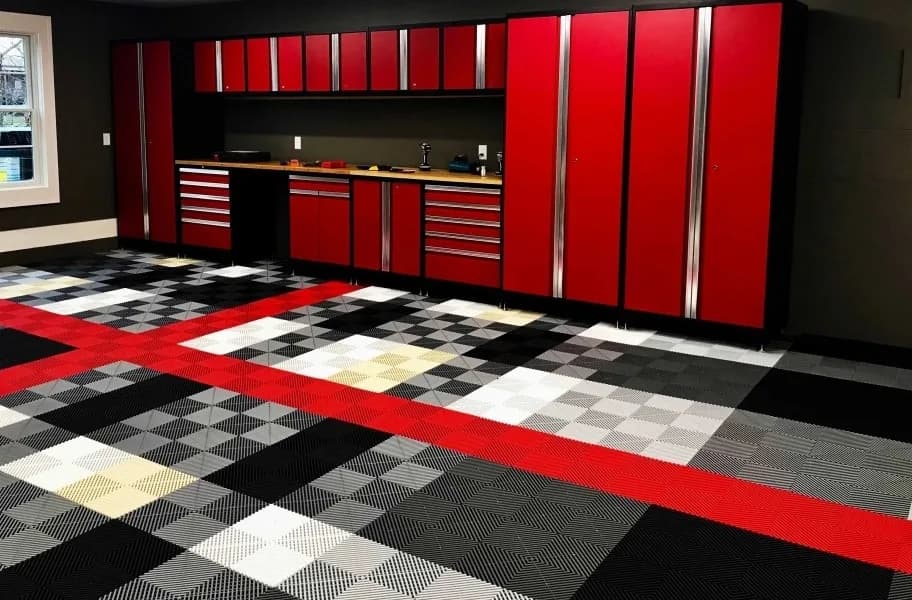
How to Design Your Dream Garage: Colors, Paint & More
Ready to get creative? Learn how to design your dream garage using colors, paint and more. Make your garage extraordinary.
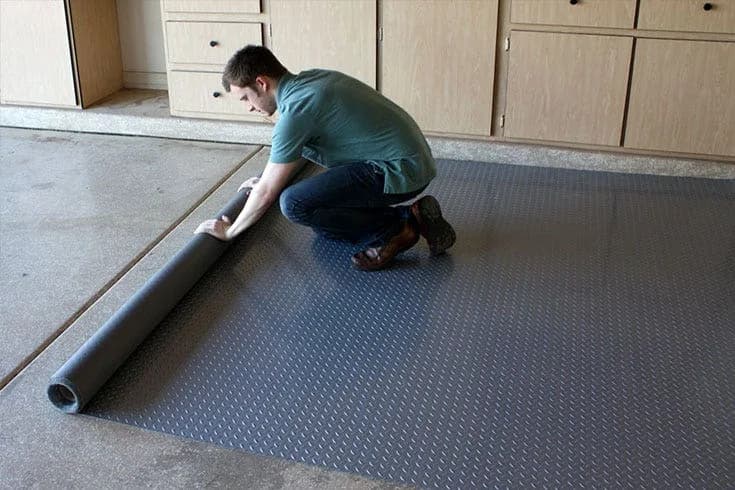
How to Choose Garage Flooring
Updating your garage flooring is a great, fun project. We'll help you with the ins & outs, pros & cons, and all the dirt on how to choose garage flooring.
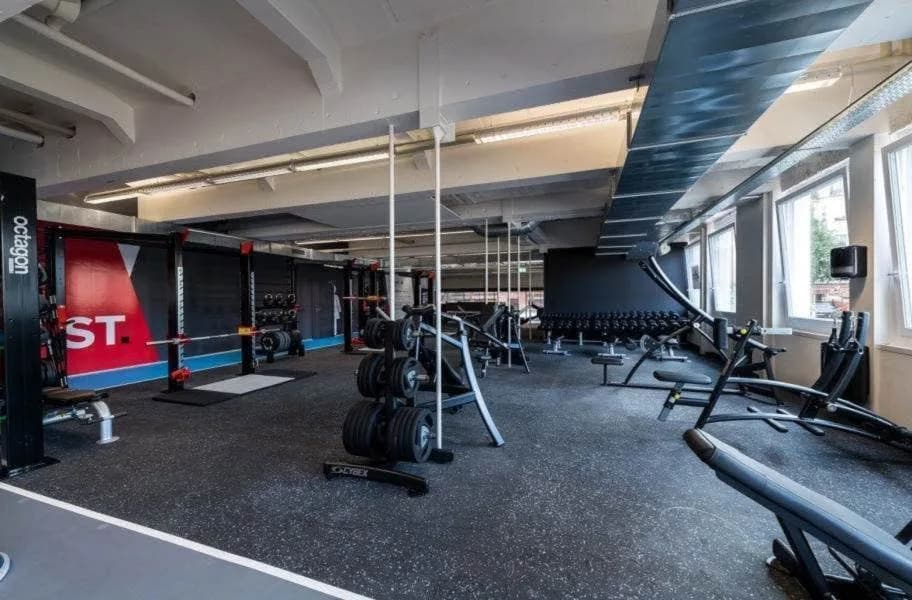
How to Install Rubber Flooring: 11 Tips to Know
Learn how to install rubber flooring with our step-by-step guide. Get started on transforming your space easily with Flooring Inc.
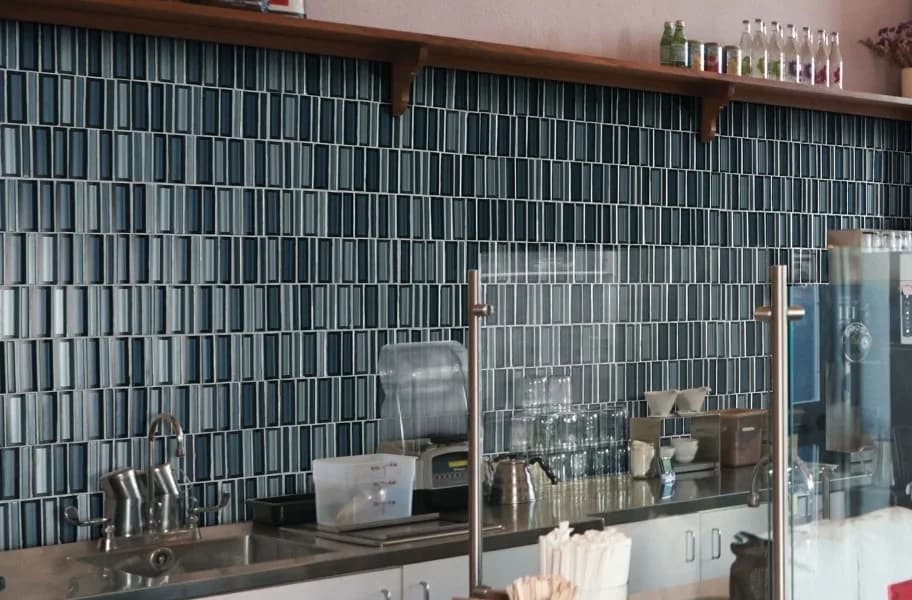
How to Choose Grout Color: Tips from a Design Expert
When determining how to choose grout color, grout should be considered as a partner to your tile. Learn helpful designer tips to make your choice.

How to Install Rubber Flooring Rolls in 8 Steps
Get step-by-step guidance on installing rubber flooring rolls for a seamless finish. Start your DIY project with confidence—learn more today!
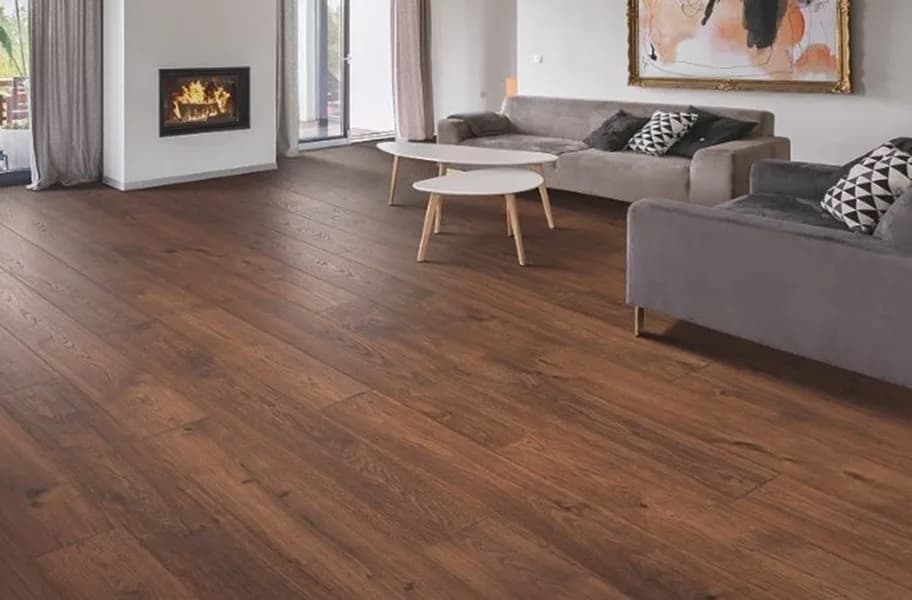
How to Install Temporary Flooring Over Carpet
Carpet can be a hassle to work around, but your place deserves gorgeous floors! Learn how to install temporary flooring over carpet with these easy steps!
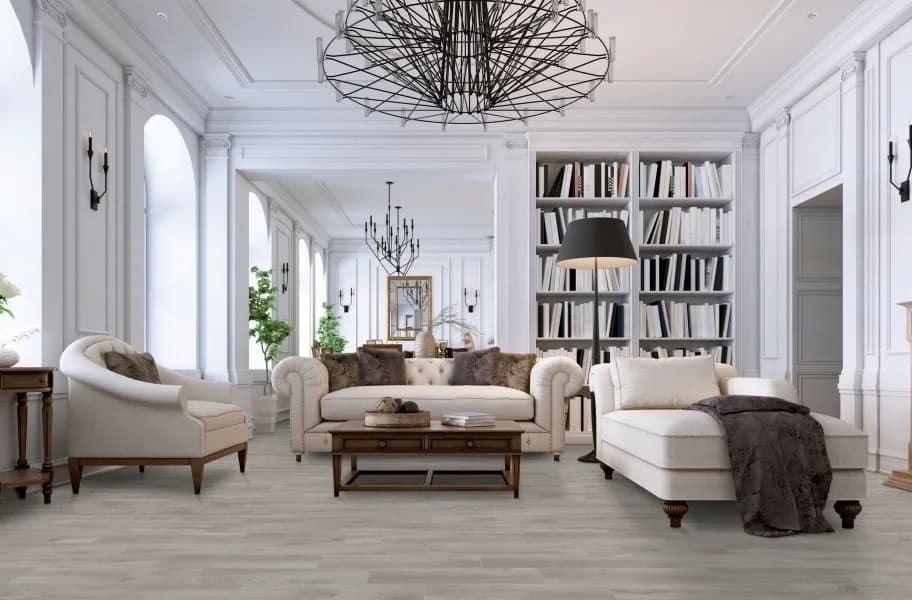
How to Install Daltile’s RevoTile Flooring in 6 Easy Steps
If you’ve been searching desperately for an easy way to install tile on your own, then today is your lucky day. Learn how to install RevoTile on your own.
Before you install anything, you have to know how much to buy and what's under the old floor. This is where we keep the planning side: measuring a room, estimating waste, testing a subfloor for moisture, and figuring out whether what's down now can stay. Ready to install or clean? Those live in Flooring Installation and How to Clean Floors.
Decide What Goes Down Before You Order
The choice that costs the most to reverse is the material, and it's usually made against the room rather than the catalog. How to Choose the Best Kitchen Floor starts from spills, standing water, and the cabinets you already have. Choose Flooring to Fit Your Style is the one to read when the room is settled but the look isn't. And for tile specifically, How to Choose Tile covers size, format, and where a 12x24 stops making sense — a sizing decision that changes your square-footage math, not just the look. Order samples once you have a shortlist; color is the easiest thing to get wrong from a screen and the most expensive to discover after a pallet arrives.
Buy more than the room measures. Waste from cuts, pattern matching, and the occasional bad board runs roughly 5–10% on a simple rectangular room and higher on diagonal layouts, angled walls, or long-plank patterns. Ordering that overage in the first purchase matters more than it sounds: dye lots shift between production runs, so a box bought three months later may not match the floor it's patching.
Find Out What's Under the Old Floor
The second planning question is whether the existing floor stays or goes. Can You Install Flooring Over Carpet? works through when an overlay is genuinely fine and when it's storing up a failure — the short version is that the layer underneath has to be flat, dry, and firmly attached, and low-pile carpet clears that bar far less often than people hope. Concrete slabs bring their own question: they release moisture vapor long after they look dry, which is what ruins glue-down installs months later, so a slab needs a moisture test and usually a moisture barrier before anything goes over it. Test first, then pick the install method — not the reverse.
Once the plan is settled and you're ready to actually put the floor in, our Flooring Installation topic covers tools, subfloor prep, and material-specific techniques in depth.
Buying the Right Supplies
Most install failures start at the supply counter — wrong adhesive, wrong underlayment, wrong transition strip for the product you bought. Check the install method your specific floor calls for before you buy supplies; our installation and care shop stocks what the manufacturers spec.
Planning for the Years After Install
Maintenance is worth thinking about while you're still choosing, because the cleaning routine a floor needs is part of what you're buying. For material-by-material cleaning routines, see our full How to Clean Every Floor Type guide. Two specifics worth reading before you commit: How to Remove and Prevent Pet Urine Odor and Stains on Your Carpet, if pets are part of the equation and carpet is still on your list, and How to Protect Your Garage Floor from Spills, Damage, & More, whose logic about mats, sealants, and fast cleanup applies to any spill-prone floor.