
Dance Flooring
Articles
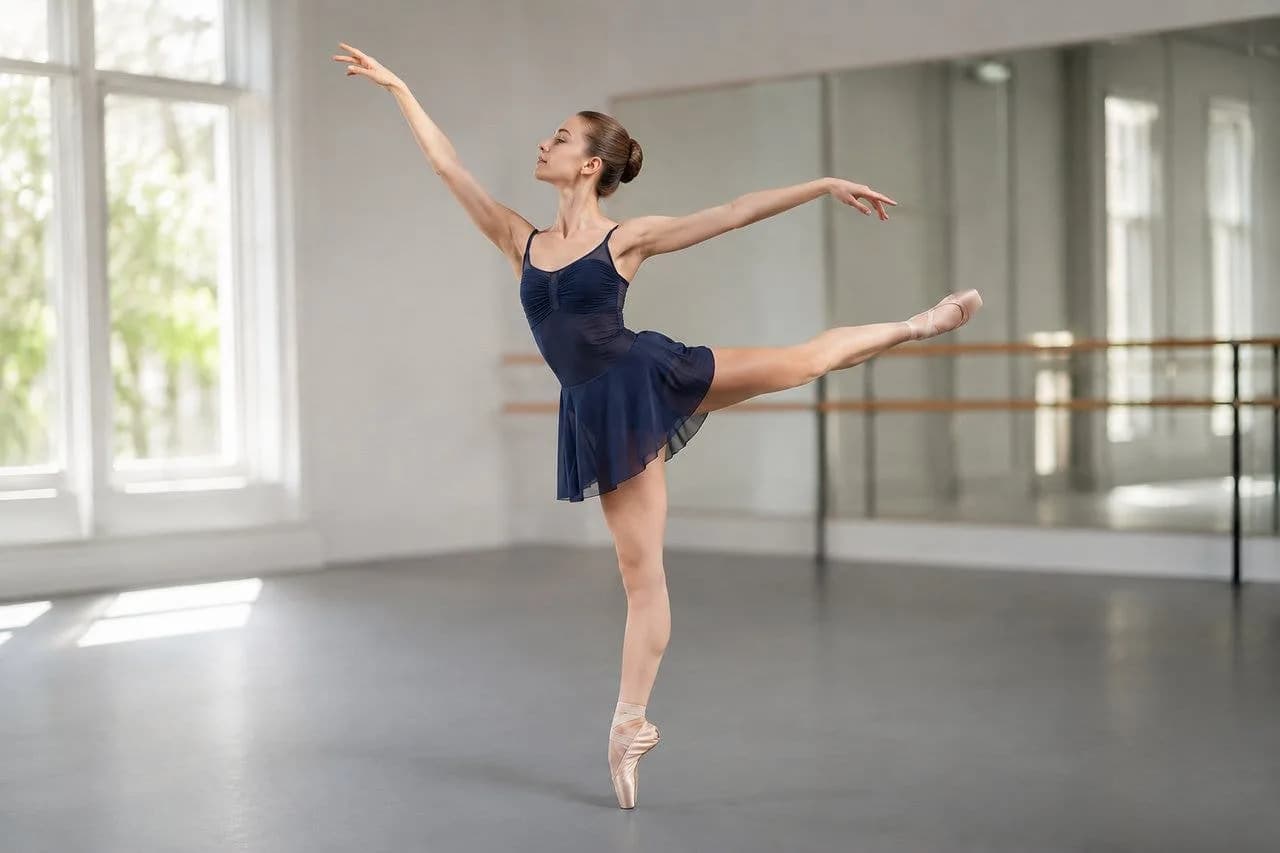
Marley Dance Flooring: Cost, Types & Buying Guide (2026)
Marley dance flooring buying guide: compare ProStep, VersaStep & Rosco rolls, see cost per sq ft, and find the right floor for ballet, tap, jazz & more.
2025 Holiday Gift Guide: Flooring for Active Kids
It's gift-giving season! Explore our guide and find the perfect flooring for your active kids this holiday season!
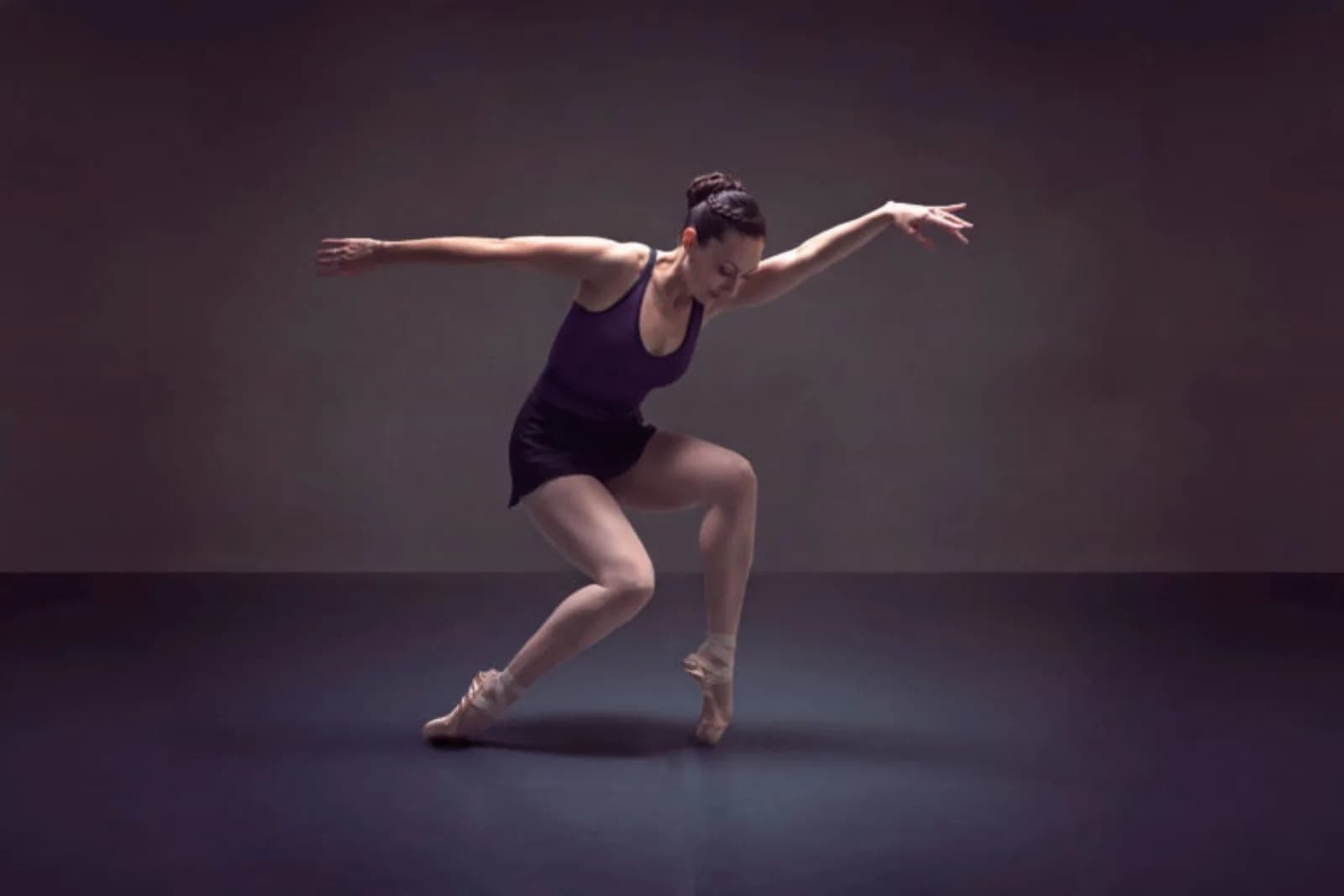
Dance Flooring for Every Space: From Studio to Stage
Explore dance flooring options for studios, stages, and home practice. Compare Marley rolls, modular tiles, and portable kits for every dance style & space.
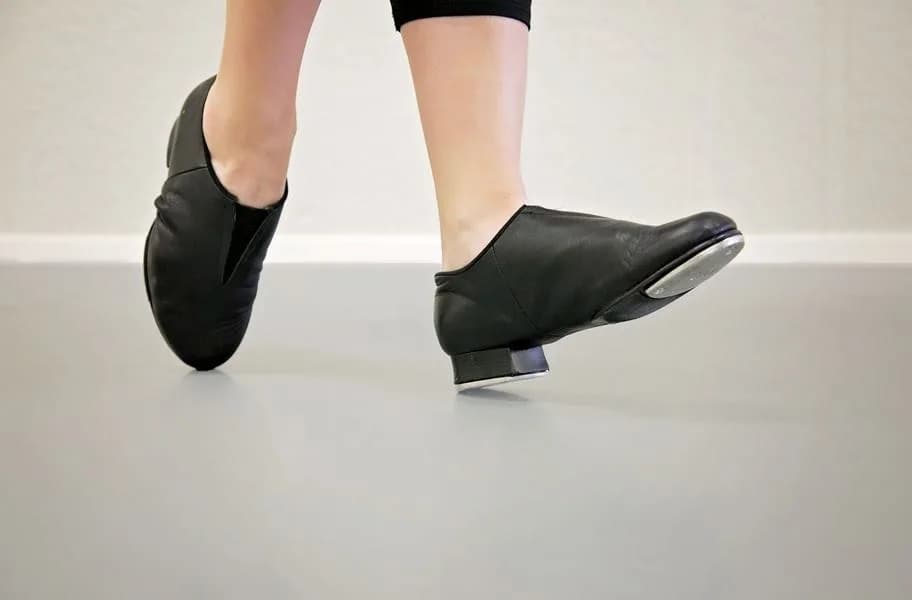
Tap Dance Flooring Buyers Guide
Find the perfect tap dance floors for your studio with our tap dancing floor buying guide. For studios, schools companies and more.
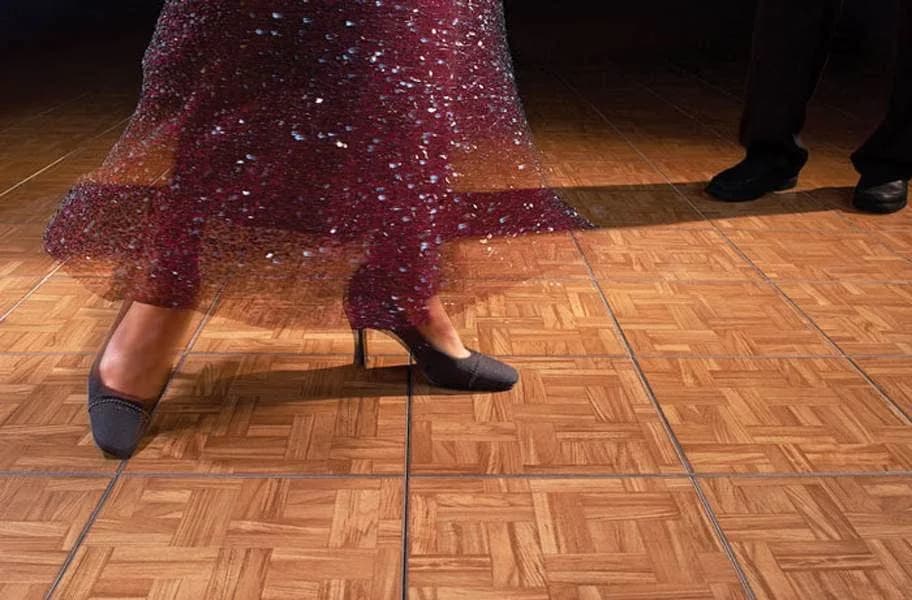
Dance Flooring Size Guide- How big should your dance floor be?
Discover the perfect dance floor size for your event with our comprehensive guide. Explore now to ensure your dance floor fits your space seamlessly!
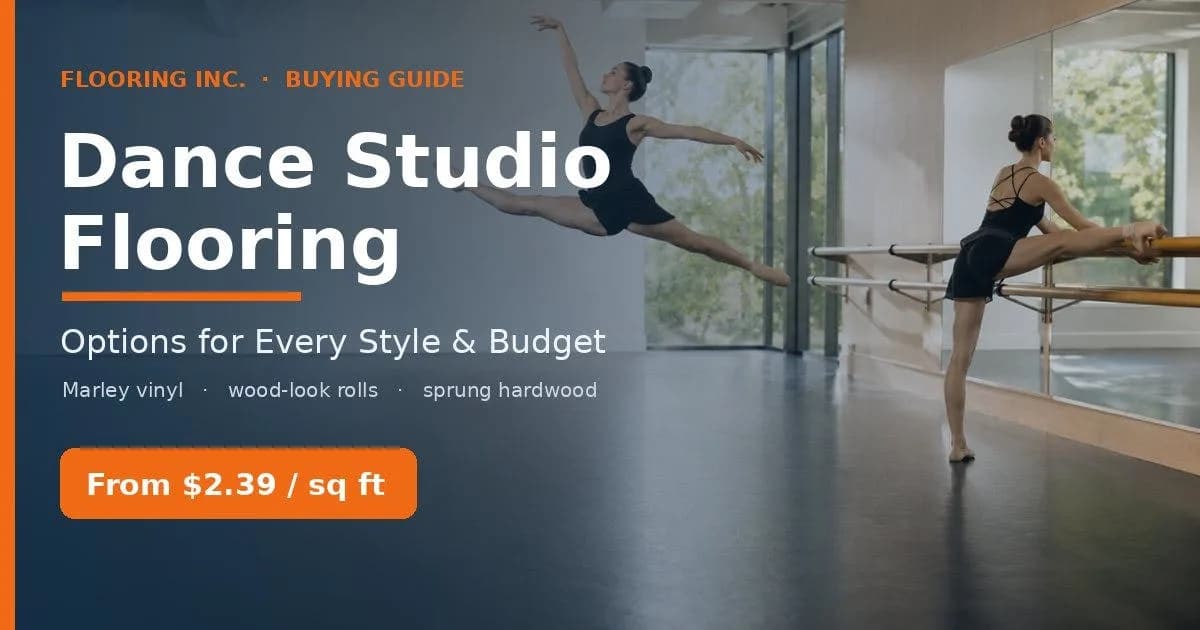
Dance Studio Flooring Guide: Options for Every Style & Budget
Find the right dance studio flooring that will keep your space looking sharp, your dancers safe and your business booming. Learn about different marley options, sprung floors and more.
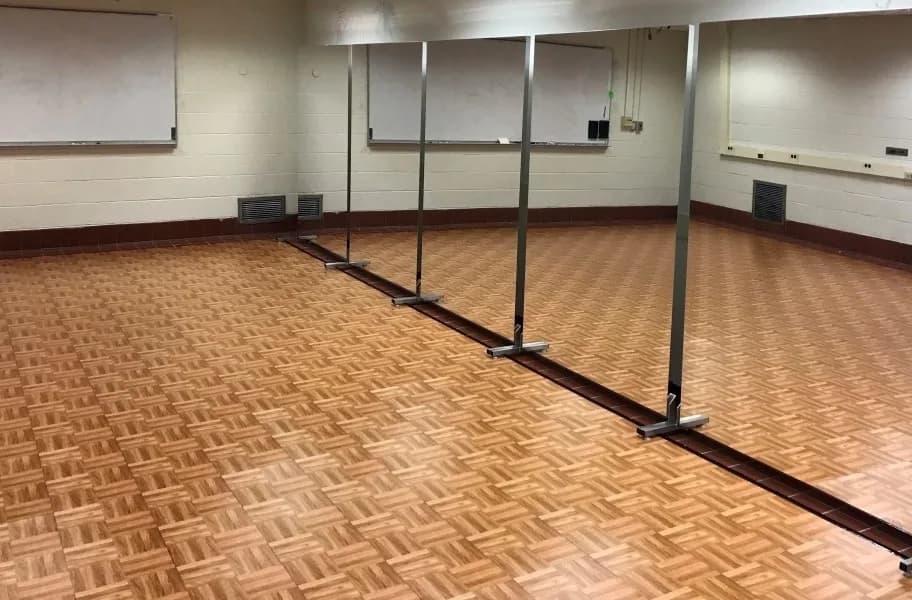
How to Clean Dance Flooring Guide
This guide will walk you through the best practices for maintaining your dance floors and keeping them clean and sanitized.
Dance Flooring Options: Everything You Need to Know
Professional Marley dance flooring for wedding and event flooring - check out our dance flooring options and discover what's best for you.

How to Choose the Best Ballet Dance Flooring
Find the perfect floor for your studio with our ballet dance flooring buyer’s guide. For studios, schools companies and more.
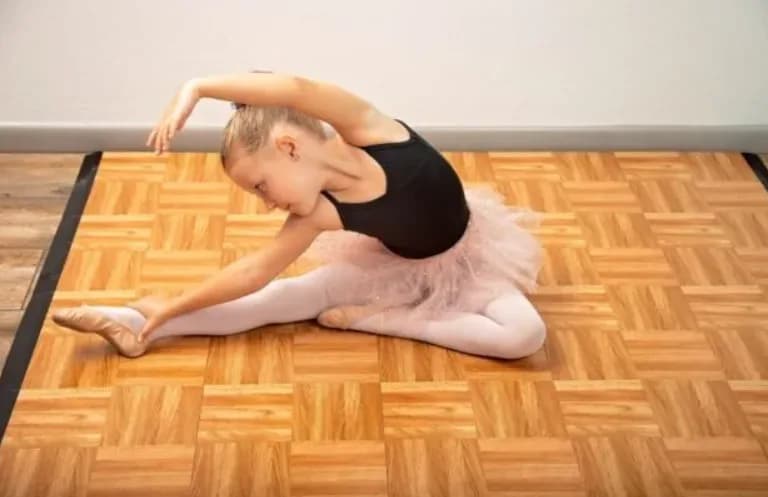
Dance Floor Tile Buying Guide: 10+ Things You Need to know
Find the best dance floor tiles for your studio, home practice space or special event, and learn the ins and outs of tiles by dance style!
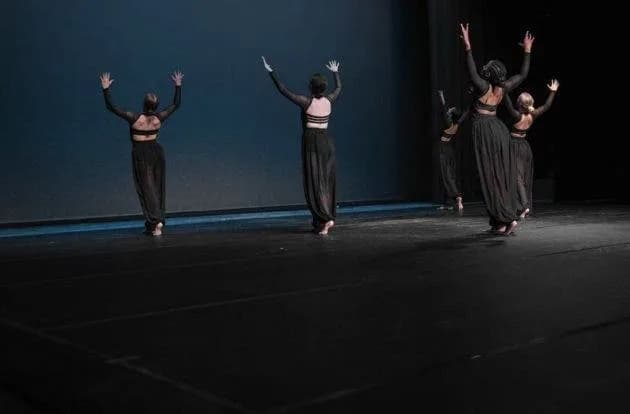
Dance Floor FAQ: 15+ Things You Need to Know
You asked, we answered! Get the details on performance floors, from Marley floors to sprung subfloors, in our dance floor FAQ guide!
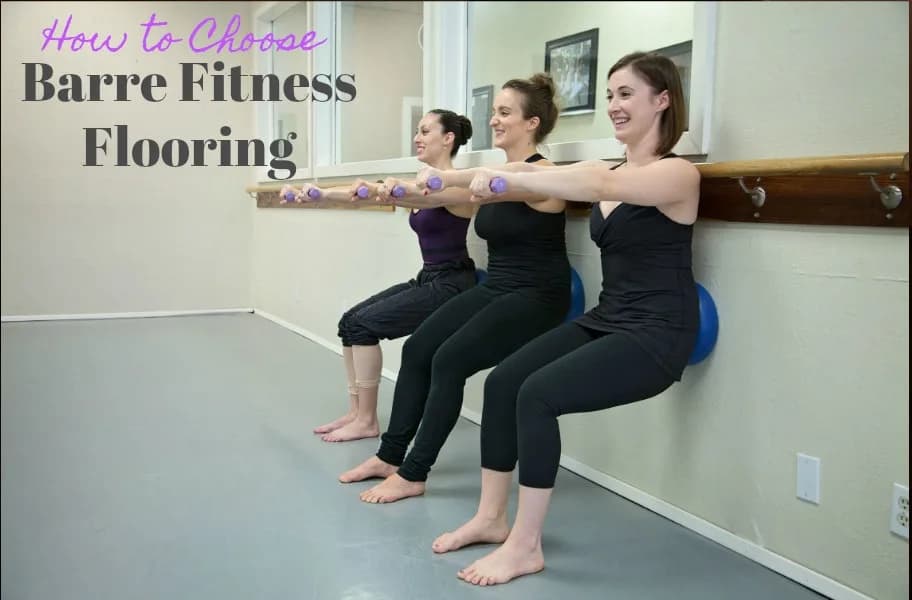
How to Choose Barre Fitness Flooring
Find the perfect floor with our barre fitness flooring buyer’s guide. Get the perfect floor for everything from barre fitness to traditional dance classes
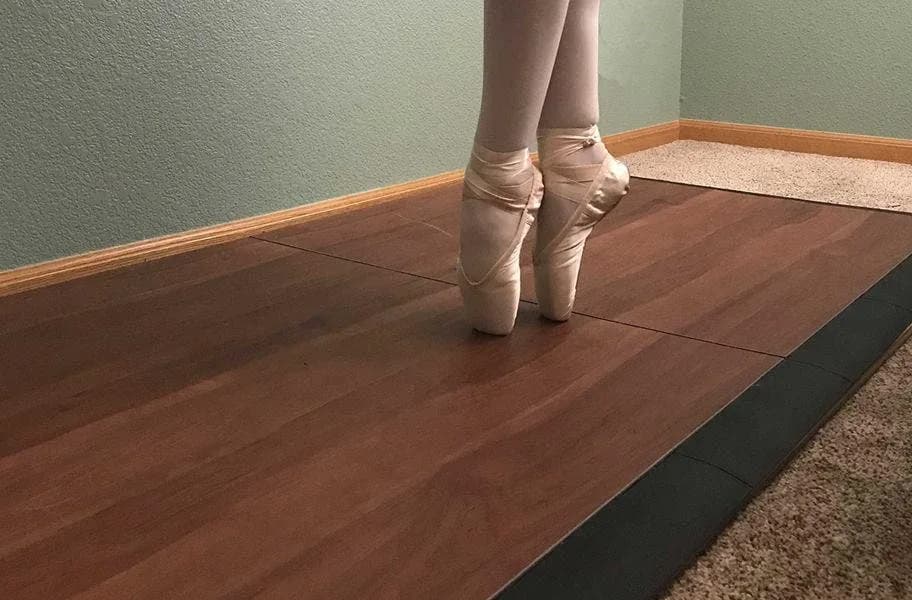
Home Dance Flooring for Home Studios and Practice
Are you wondering what the best affordable home dance flooring option is for you? Learn how to choose the best dance floor for your practice needs at home.
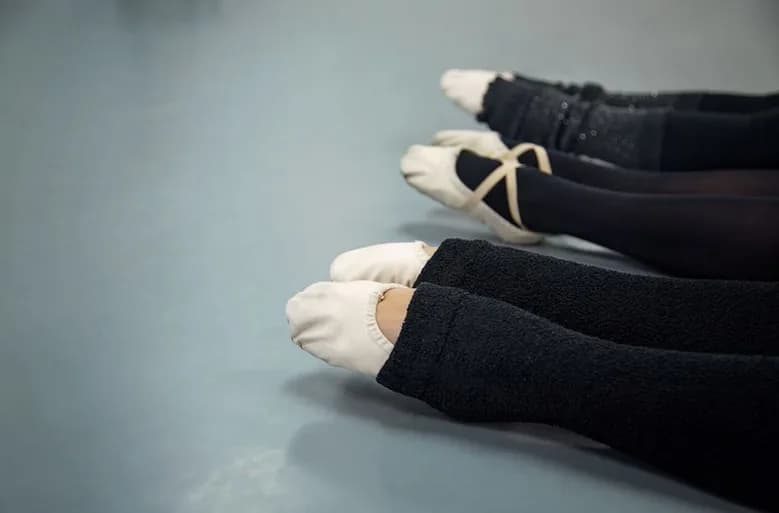
Top 6 Wedding Dance Floor Ideas
Elevate your wedding reception with our top dance floor ideas that blend style and functionality. Find inspiration and start planning the perfect dance floor today!
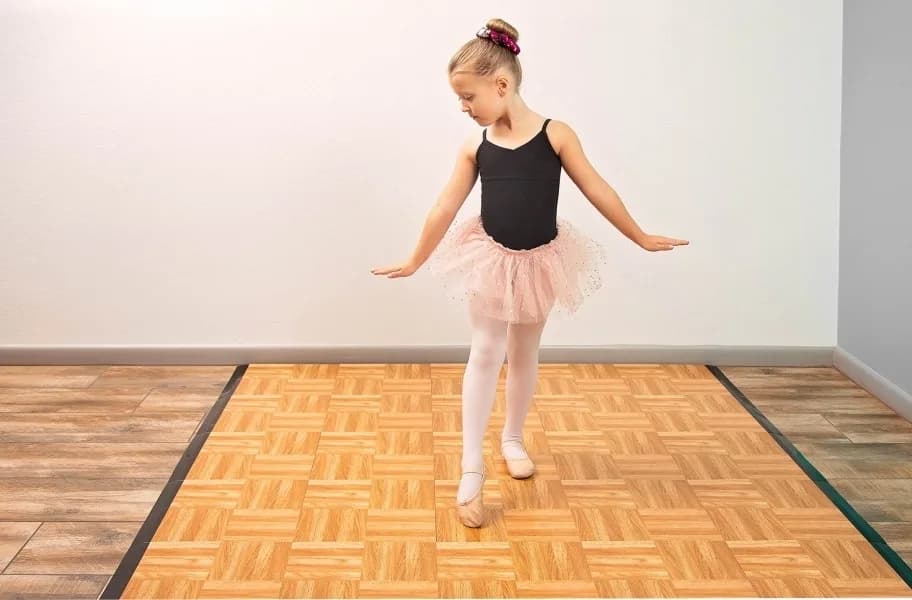
What Are Portable Dance Floors? Our Social Floor Guide
Find the perfect portable dance floor with our in-depth dance flooring guide. For on-the-go practice, weddings, special events, and more.
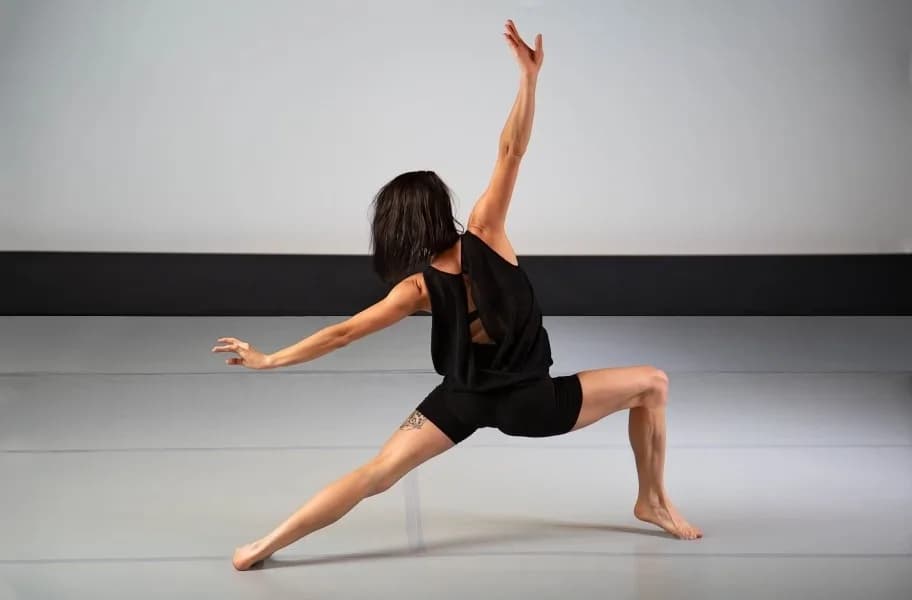
Jazz Dance Flooring: Marley, Wood & More
Find the perfect floor for your studio with our jazz dance flooring buyer’s guide. For a floor for beginners to pros, get started on the right foot.
How to Install Home Dance Studio Flooring: DIY-Friendly Tips
Get more practice dancing with a home dance studio. Get started by learning how to install dance flooring in a few simple steps.
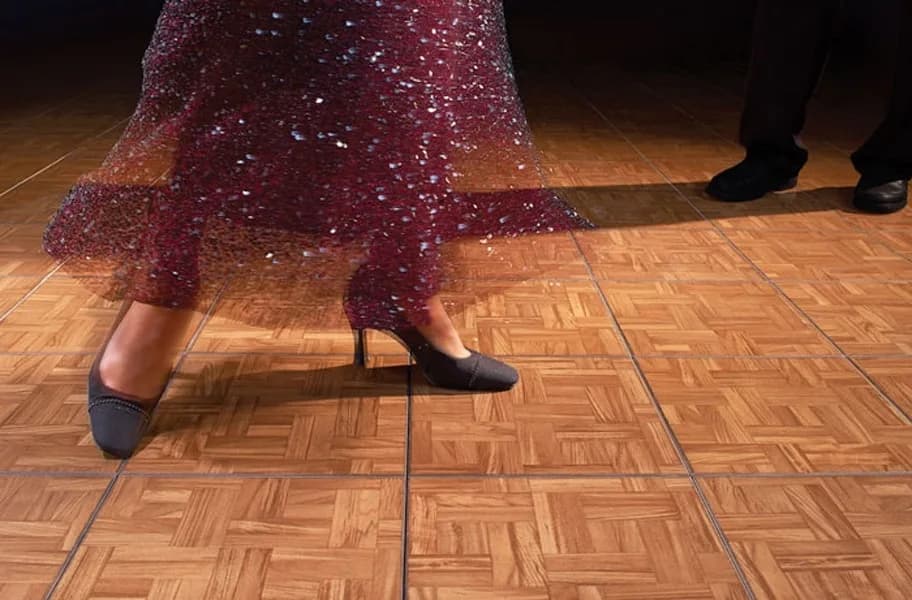
Ballroom Dance Flooring Buying Guide
Find the perfect floor for your studio with our ballroom dance flooring buyer’s guide. For studios, schools companies and more.
Dance floors live or die by one thing: how they interact with a dancer's feet, not how they look in a photo. This collection covers marley orientation, subfloor prep, and the real differences between a studio build, a home practice space, and a floor that has to survive touring or a one-night event.
Dance Flooring Basics: Marley, Orientation, and What Actually Matters
Most vinyl dance surfaces are some version of marley, and the detail that trips people up is orientation: marley has a grain, and running the wrong side up (or rolling seams the wrong direction) changes slip resistance and how the floor reads under stage lights. Our Marley Dance Flooring: Cost, Types & Buying Guide is the one that gets you to real numbers: roll weights, finishes, and the price ranges you will see when quoting a floor.
Different disciplines put different demands on the same base material. Tap needs a harder, more reflective surface for sound; ballet and contemporary want more give to protect joints; a general-purpose studio floor has to split the difference. See Tap Dance Flooring Buyers Guide, How to Choose the Best Ballet Dance Flooring, and Jazz Dance Flooring: Marley, Wood & More for how each style changes the spec.
Space matters too: a floor sized for a home studio doesn't need the seam count or subfloor system a full commercial studio does. The Dance Flooring for Every Space guide and the size guide are the fastest way to size the floor before you start pricing rolls.
Studio, Home, and Touring: Three Different Jobs for the Same Material
A permanent studio installation, a home practice corner, and a floor that gets rolled up and trucked to the next venue are three different problems even when the surface itself is similar marley vinyl. Studios can commit to a taped or glued-down system built for years of daily class traffic — our Dance Studio Flooring Guide is where the sprung-subfloor and layout decisions get made.
Home setups usually need something that goes down over an existing floor without a permanent installation and can be picked up if the room changes use. Home Dance Flooring for Home Studios and Practice and How to Install Home Dance Studio Flooring are written for that constraint.
Touring and event use is its own category: floors that need to be portable, quick to lay and strike, and durable across repeated setups. What Are Portable Dance Floors? and Top 6 Wedding Dance Floor Ideas cover that end of the spectrum. If you already know your discipline and space, browse rolls and tiles built for dance directly in our dance and marley flooring shop. Most of the marley we carry is Rosco, which is worth knowing when you're comparing spec sheets: Adagio, Duette, and the touring rolls all come from the same maker, so the differences between them are deliberate rather than incidental.