
Garage Flooring
Articles
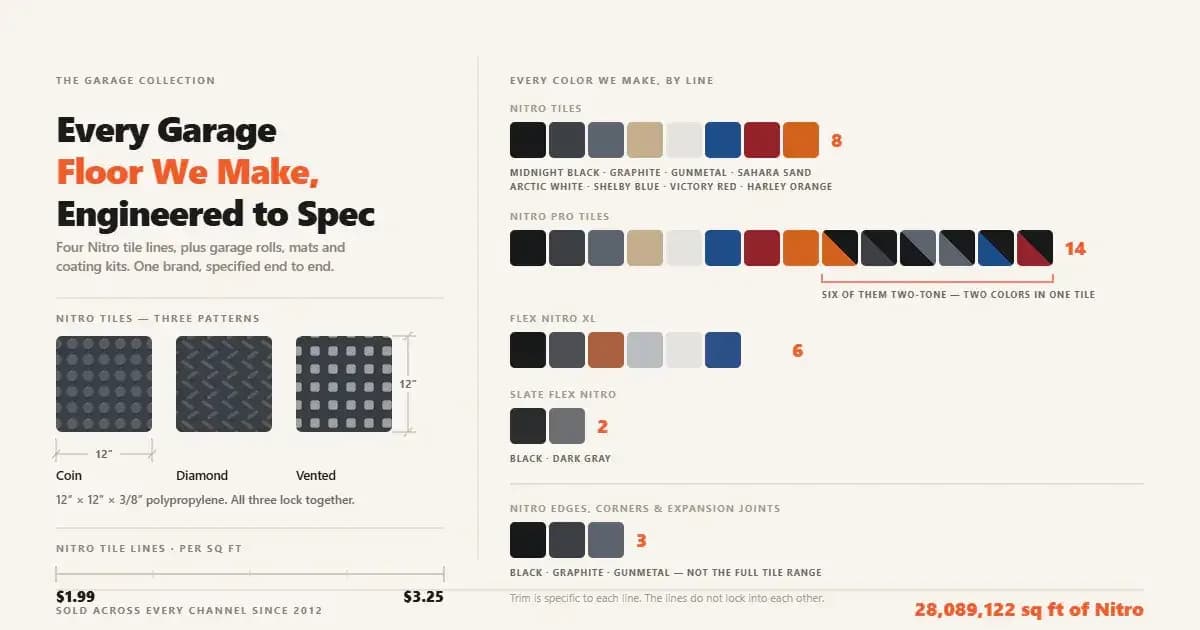
Nitro Garage Flooring: From a Bedroom Office to 28 Million Square Feet
See how FlooringInc built Nitro garage flooring from its 2012 launch to more than 28 million sq ft sold, including garage tiles, rolls, engineering details and real product history.
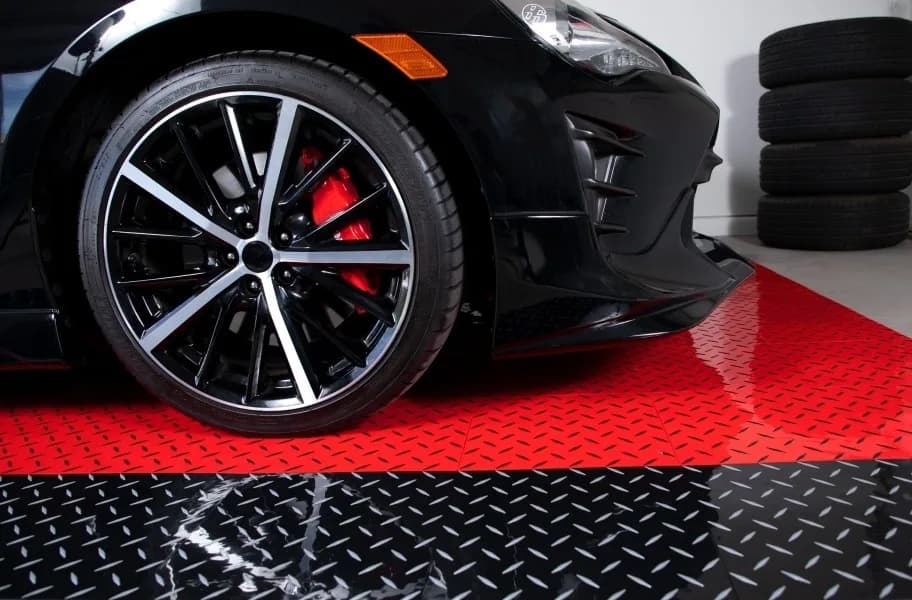
Garage Flooring Compared: 5 Upgrade Ideas for Every Budget
In 2026, take your garage from a dull, outdated storage room into your dream man cave. Discover the best garage flooring ideas now!

Expert's Guide to Rubber Flooring Rolls for Gyms
Explore the possibilities of rubber flooring rolls and advice on roll thicknesses, installation options, color variations, and more.

Garage Floor Ideas for Gift Giving: 2025 Holiday Gift Guide
Explore our garage floor ideas to gift your garage lovers this holiday season! From garage tiles, rolls, and mats, we've got you covered.

Best Garage Storage Ideas: 11 Garage Organization Options
Wondering what to do with all the junk in your garage? We'll help you with organized garage storage and transform your garage into a space you can use.
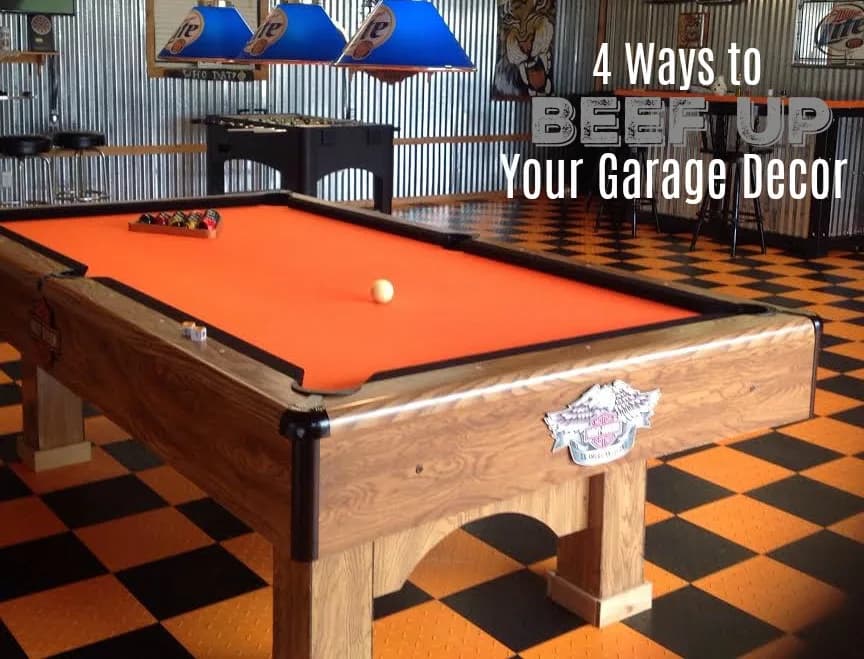
4 Ways to Beef Up Your Garage Decor
To create your dream garage, you need to go all the way. Use these 4 ways to beef up your garage decor and create a garage that is simply remarkable.
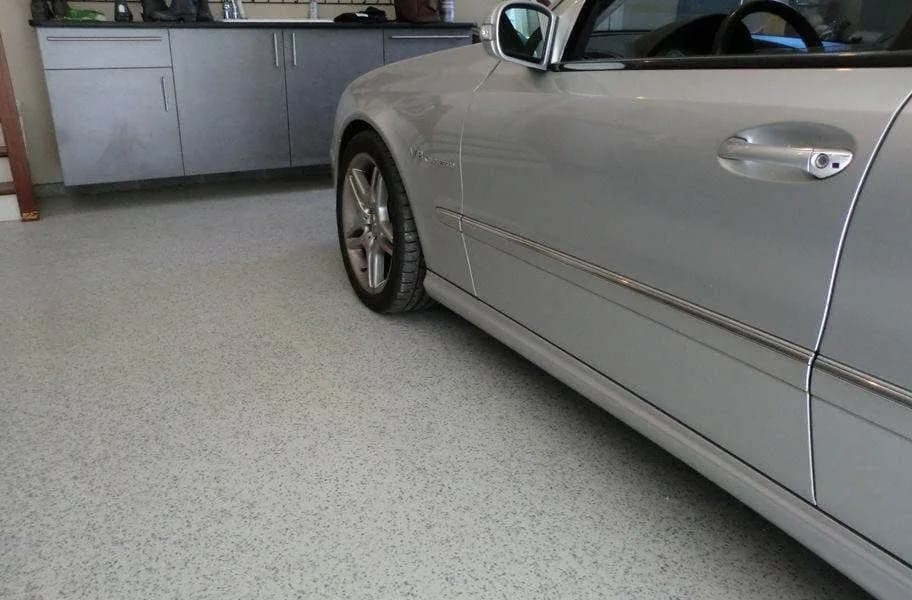
Benefits of Epoxy Garage Floor: 5 Game-Changing Advantages
Unlock 5 incredible benefits of epoxy garage floors. Upgrade your space with top-rated epoxy solutions today from Flooring Inc!

DIY Spotlight: From Garage to Adventure Space
Learn how this customer from Colorado incorporated rubber flooring to turn her garage into a year-round recreational activity space for her family.

Commercial Kitchen Flooring: 5+ Ideas for Your Restaurant
Explore resilient commercial kitchen flooring that can keep your kitchen staff safe and on their feet more comfortably throughout the day!
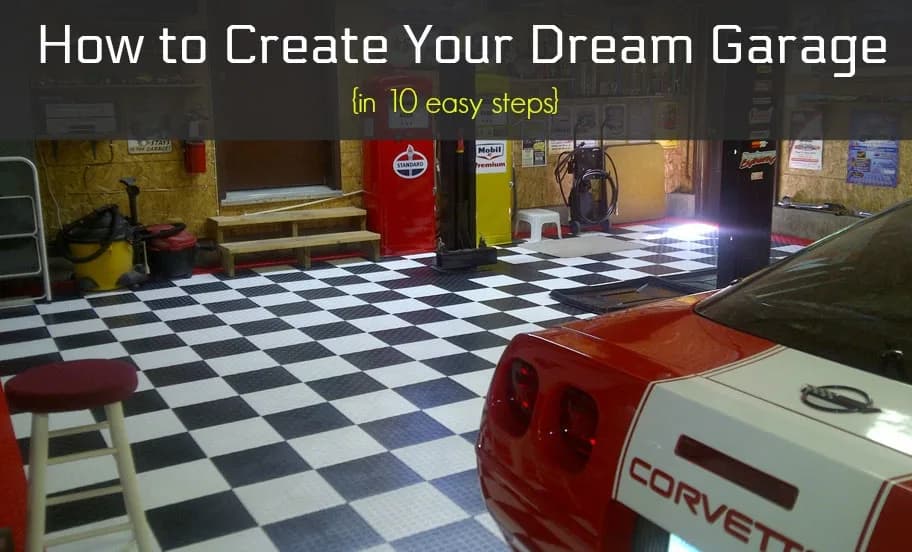
How to Create Your Dream Garage in 10 Easy Steps
Take your garage from basic to man cave. We'll teach you how to create your dream garage, from everything from garage flooring to decor.

How to Create the Ultimate Garage
A garage is much more than where you park your car! It can be a man cave, home gym, or workshop. Make it stand out! Learn how to create the ultimate garage.

15 Home Gyms Worth Sweating In
Get some home gym workout inspiration with these 15 home gyms worth sweating in. Working out is more fun in a home fitness room you love.

7 Garage Makeover Ideas You'll Love
Revamp your garage with these exciting makeover ideas that combine style and functionality. Turn your garage into a space you'll adore!
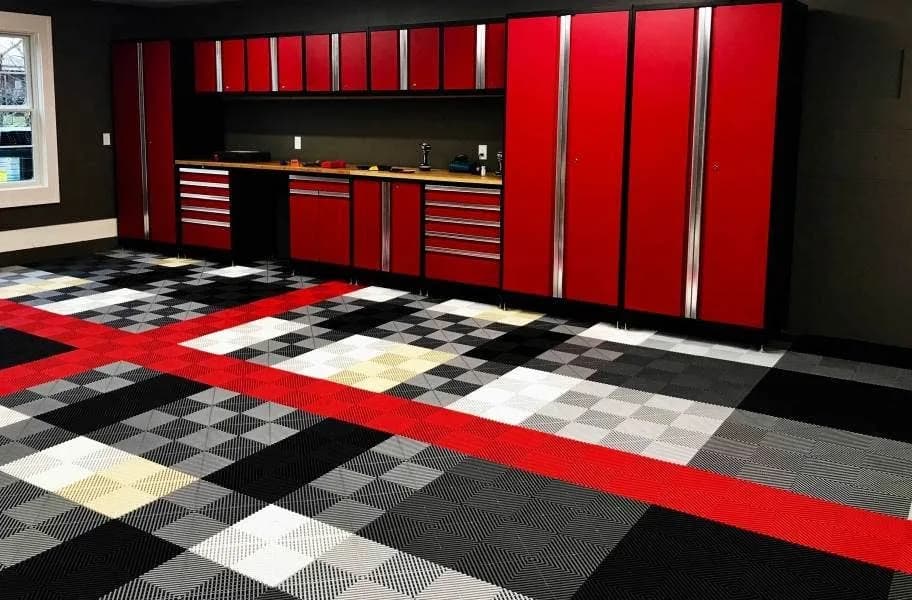
8 Creative Garage Conversion Ideas
Discover ingenious garage conversion ideas to make it into your dream space. Start planning your ideal use of garage space now!
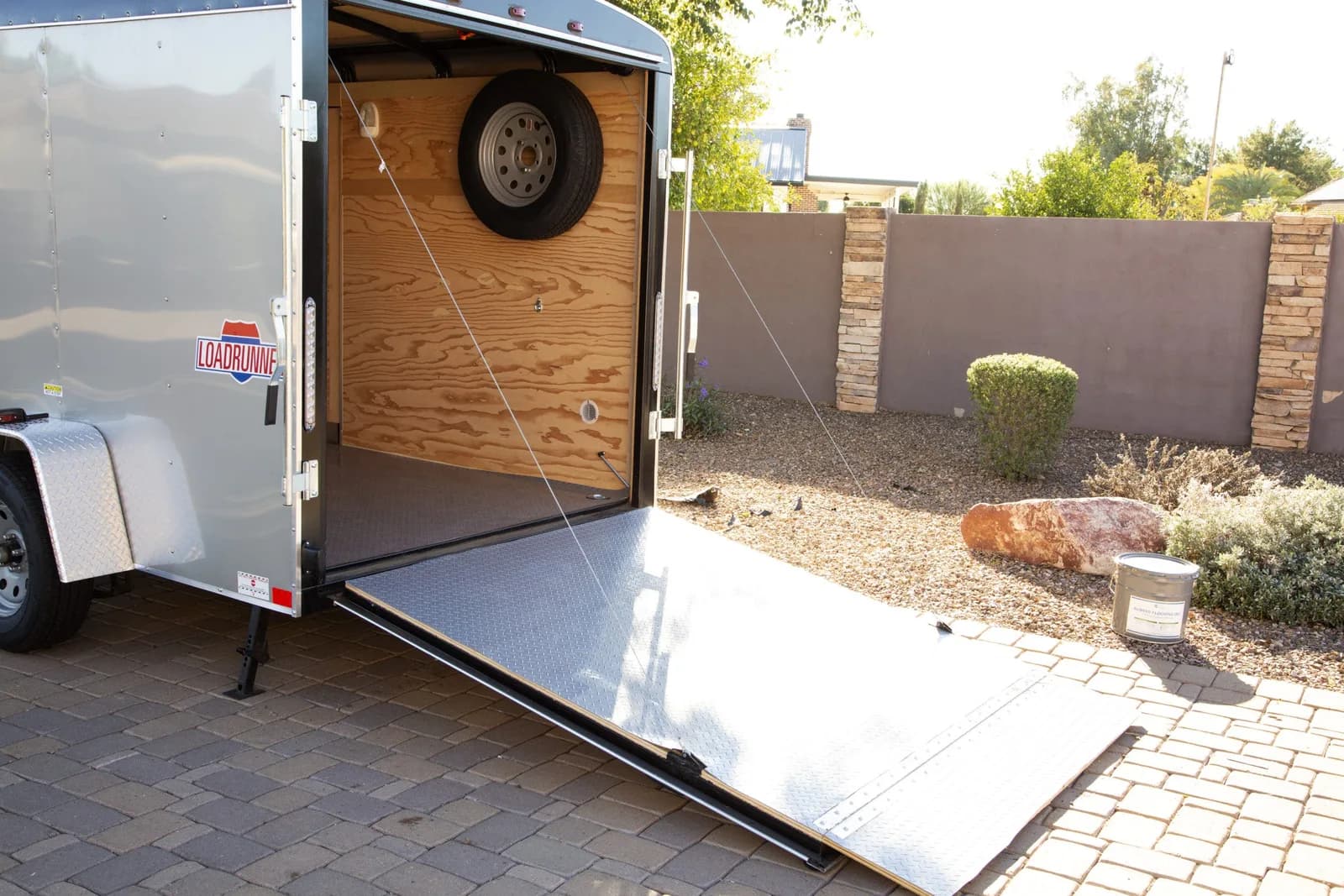
Trailer Flooring Buying Guide
It’s important to protect your trailer with the right floor. Find the most durable, weather-resistant flooring here in our trailer flooring buying guide.
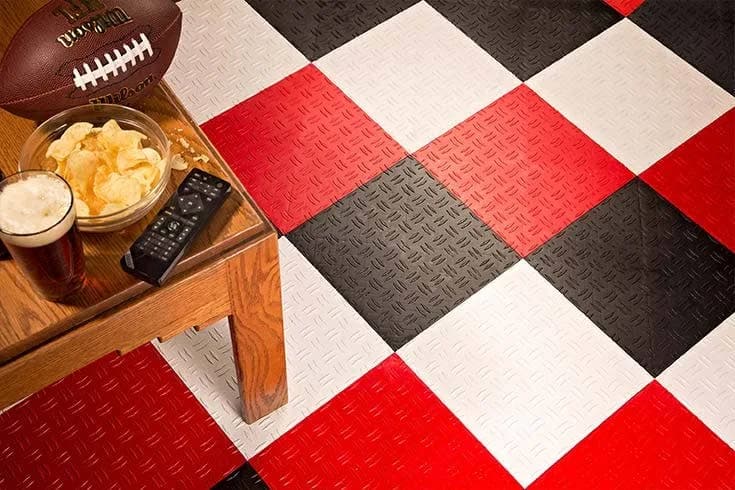
10 Ideas for Throwing an Awesome Home-Gating Football Party
Want to throw the ultimate home-gating football party? Here are 10 ideas for football-spirited drinks, food and DIY decorations.
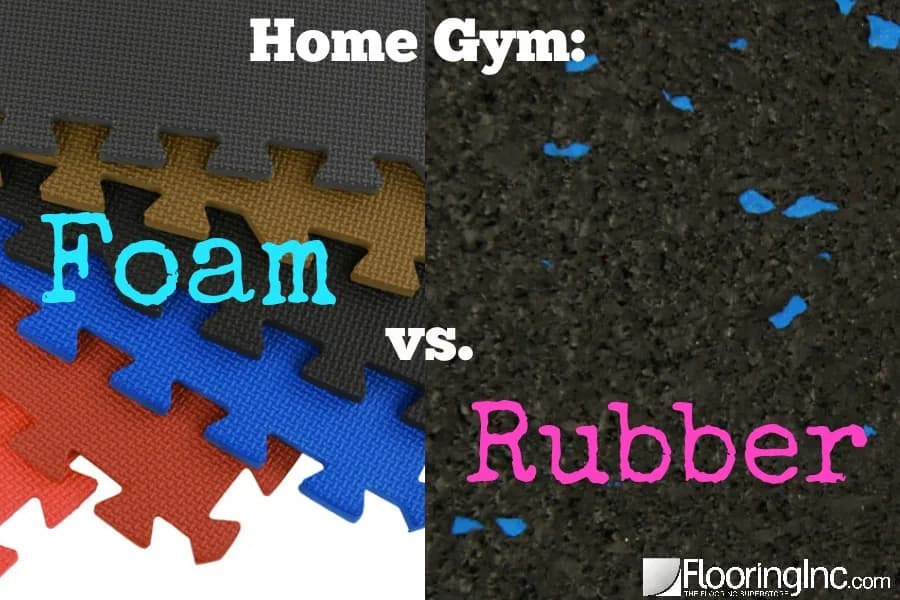
Home Gym: Foam vs Rubber
Home Gym: Foam vs Rubber--which is the way to go? The pros and cons of each material explained to help you make the best choice for your home gym!

How to Protect Your Garage Floor from Spills, Damage, & More
Learn how to protect your garage floor with effective coatings, mats, and sealants. Discover the best solutions and start preserving your floor today!

Maintaining Garage Floor Tiles: Creative Ideas to Remove and Prevent Stains
Explore the different ways garage flooring can get stained, options for cleaning them up, and taking the necessary precautions to ward off unwanted stains.
How to Install Garage Tiles
Ready to start your own personal garage shop or man cave? Start from the ground up and learn how to install garage tiles in 5 easy steps!
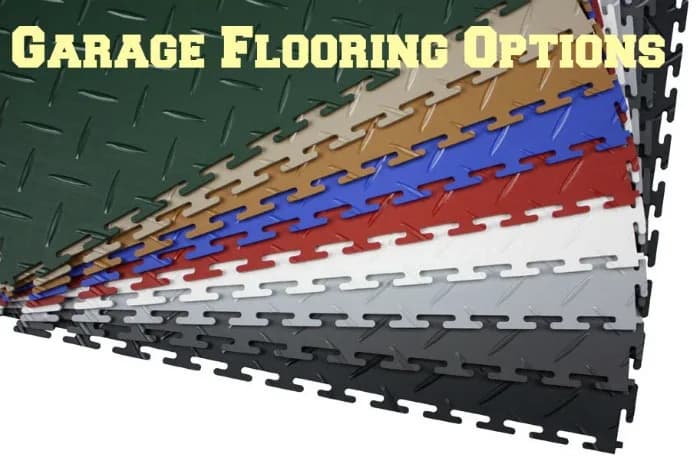
Garage Flooring Options
Choosing the right floor is a big decision. To help you deck out your garage, we've compiled all of the best garage flooring options to suite your needs.
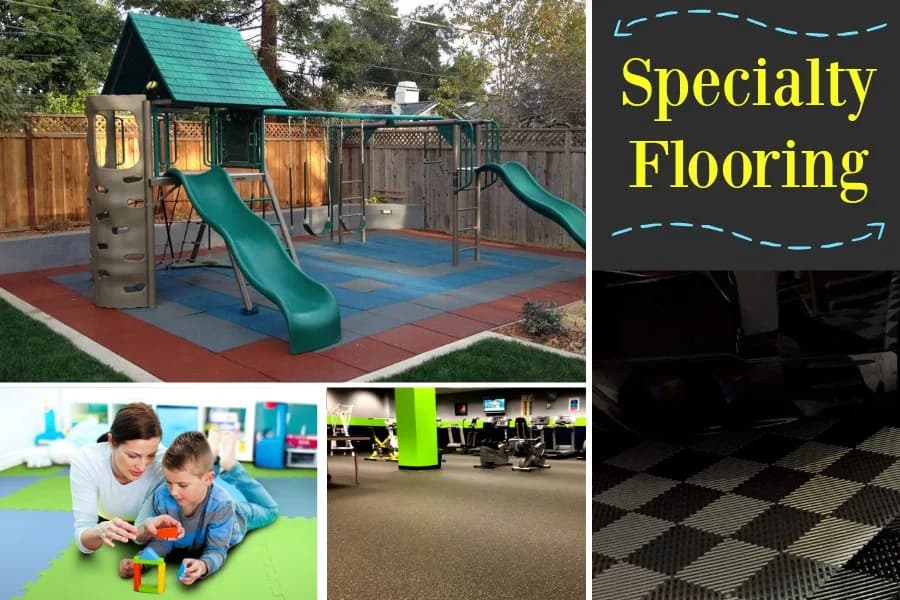
Specialty Flooring: A Floor For Every Need
Ever wonder what a gym floor is made of? Or dreamed of checkered garage? Specialty flooring covers all your bases & offers a floor for every need.
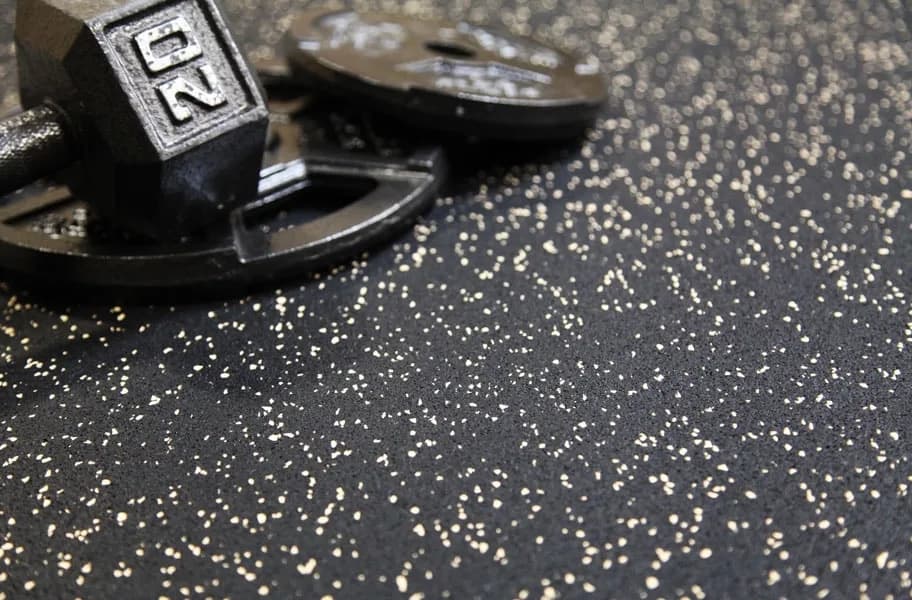
How to choose Garage Gym Flooring: What You Should Know
What kind of garage gym flooring is best for your dream garage? As the leader in rubber flooring, we have some answers.
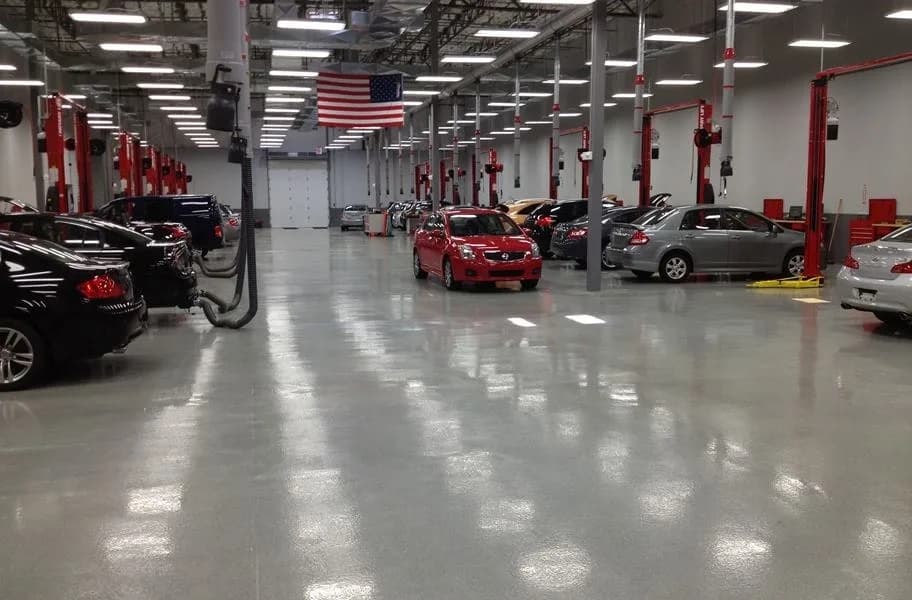
Polyaspartic vs. Epoxy Garage Floor Coating
While searching for garage floor coatings, you’ve seen epoxy and polyaspartic. Compare polyaspartic vs. epoxy to find out which is best for you.
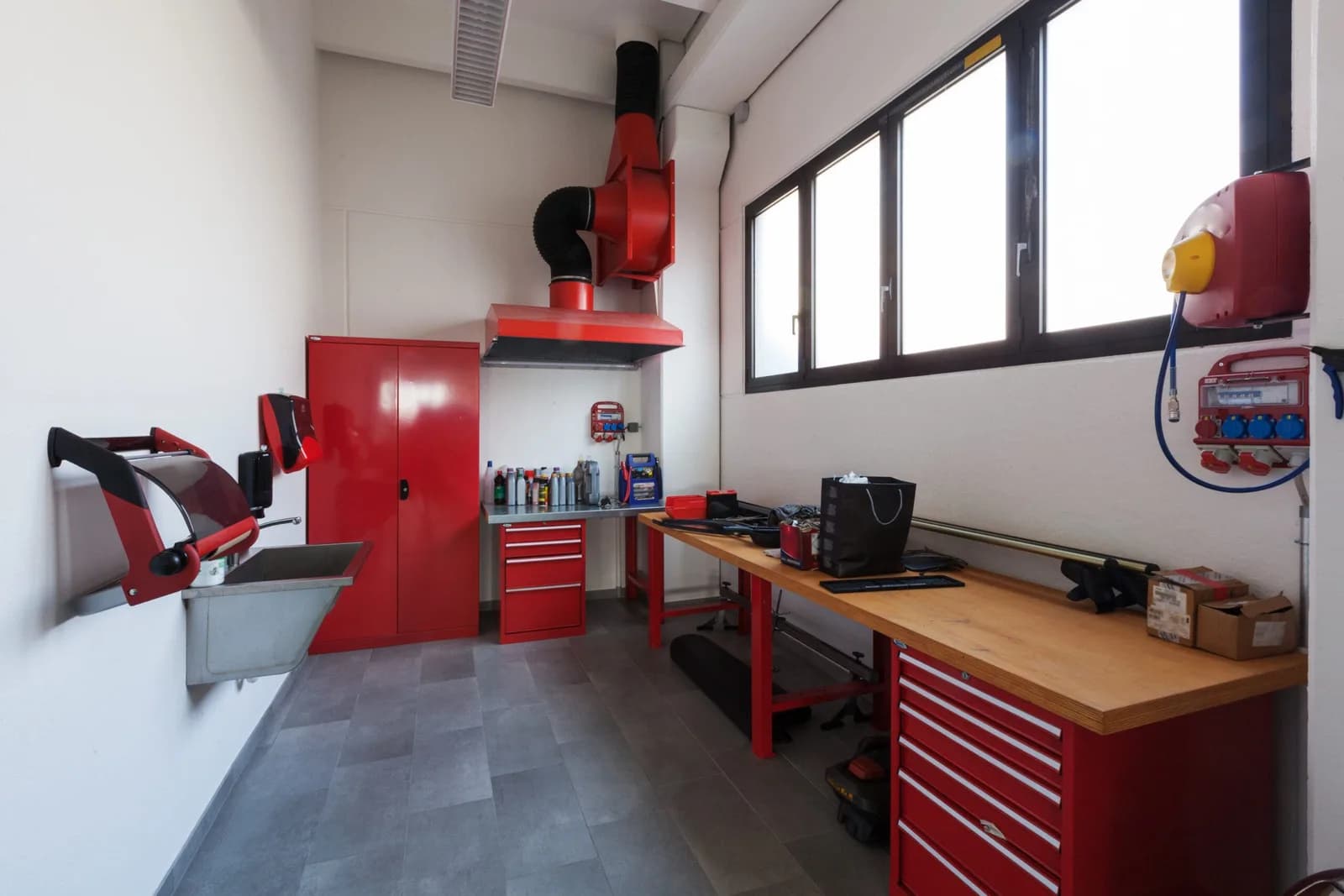
5 Innovative Garage Workshop Ideas
Explore innovative workshop ideas and tips to maximize your garage space for DIY projects. Get inspired and create your ultimate workspace!
Garage Flooring FAQ: Your Questions, Answered
Garage flooring can be a tricky subject to master. That's why we've compiled some of our best questions and answers to help your buying process.

How to Choose the Best Garage Door
How do you choose the best garage door to complete your garage? Follow our step by step guide and become a garage door expert.

RV Flooring Guide: Durable, Lightweight Options for Life on the Road
In search of the best RV flooring ideas to replace your old, worn-down flooring? Explore these durable, stylish, and functional options.
Garage Flooring Ideas: Tiles, Rolls, Epoxy & More
Get inspired with the latest in garage flooring ideas and work with Flooring Inc. for your next home renovation project!

The Complete Guide to Garage Floor Tiles
With garage floor tiles, you can easily create your dream showcase for your vehicles, workshop, or showroom. Explore our guide to learn more!

2025 Auto Show Guide: Car Show Display Flooring
Welcome car show enthusiasts! Our guide will explain what features to look for with auto show flooring and provide our top-ranked options.
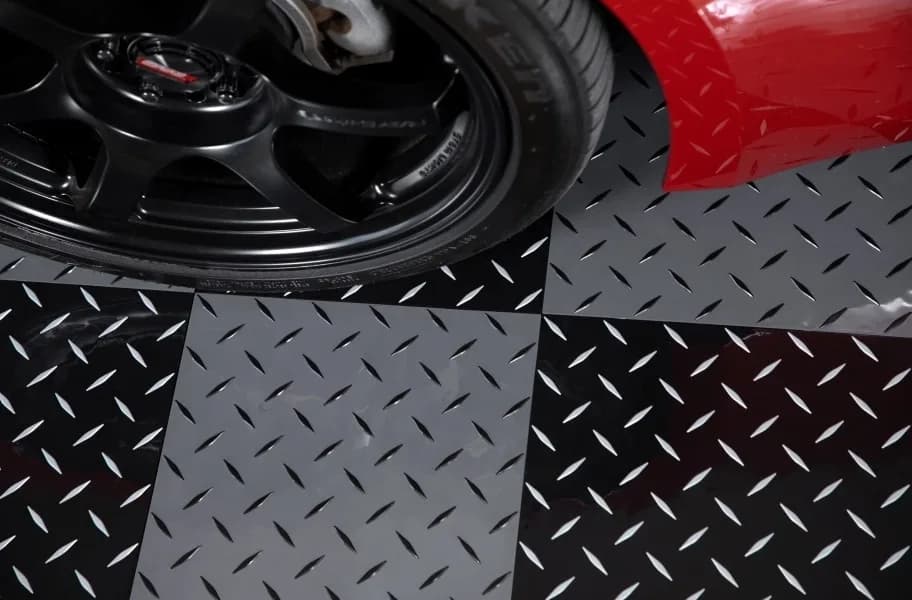
Garage Floor Installation Guide: Tiles, Rolls, and Epoxy
Thinking about purchasing garage flooring and installing it yourself? Garage floor installation is incredibly DIY-friendly! Learn more here.
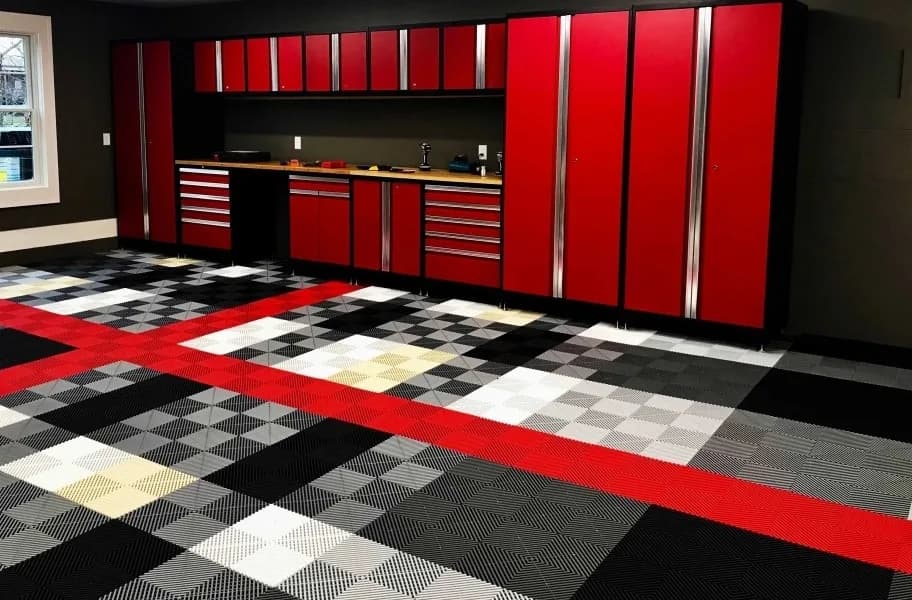
How to Design Your Dream Garage: Colors, Paint & More
Ready to get creative? Learn how to design your dream garage using colors, paint and more. Make your garage extraordinary.
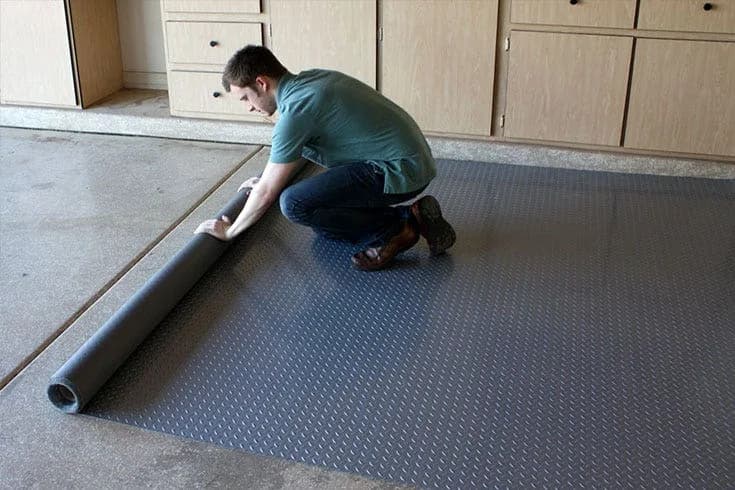
How to Choose Garage Flooring
Updating your garage flooring is a great, fun project. We'll help you with the ins & outs, pros & cons, and all the dirt on how to choose garage flooring.

4 Ways to Use Your Garage This Halloween
Are you looking for fun things to do this Halloween? Keep the thrills close to home with these Halloween garage ideas for spooky entertaining!

13 Garage Theme Ideas for Your Perfect Space
Get ready to make your garage pop! Create the perfect garage for you using these 13 garage theme ideas including everything from Harley to Super Mario Bros.
12 Ways to Use Your Garage in 2025 – From Functional to Fun
Not sure what to do with your garage other than park in it? Learn 13 ways to use your garage and determine the use that's best for you.

Garage Flooring Buying Guide: Tiles, Rolls, Epoxy & More
Set the tone for your dream garage with the perfect floor. Learn how to choose garage flooring with our garage flooring buying guide.
Garage floors take on oil, hot tires, road salt, and dropped tools, which is why the surface matters more here than in almost any other room. This hub rounds up what we've written on picking between tiles, rolls, and coatings, plus how to install and live with each.
Three ways to cover a slab, and what each one asks of you
The three real contenders are interlocking tiles, roll-out flooring, and epoxy or polyaspartic coatings, and they solve different problems. Tiles snap together over an imperfect slab and can be pulled up and replaced tile by tile; rolls give you one continuous surface fast with almost no seams to trap grit; coatings bond to the concrete itself for a poured, permanent look. How to Choose Garage Flooring walks through that decision, and Garage Flooring Compared lines all three up side by side.
If coatings are on your list, read Polyaspartic vs. Epoxy before you buy — cure time and working temperature differ enough between the two to change which one fits your schedule. Full rundowns on each material live in Garage Flooring Options and the Garage Flooring Buyer's Guide. Brand-wise, Nitro is our own garage line and spans all three formats except coatings — rolls, tiles, and precut mats — if you want to compare formats without also comparing manufacturers.
Installing tiles and rolls yourself
Tiles and roll-out flooring are the two options most homeowners install without hiring anyone. How to Install Garage Tiles covers laying out a starting row, cutting around obstacles, and working from the center of the bay out to the walls. Garage Floor Installation is the broader version that also covers rolls, including how much extra length to order for trimming.
Rubber rolls specifically have their own quirks around seaming and where the roll needs to acclimate before you unroll it — see the rubber roll buying guide and Rubber Garage Flooring: What You Need to Know if you're leaning that direction.
Keeping a garage floor looking new
Whichever surface you land on, garages take a beating that living rooms never see: hot tires, dripping oil, and de-icing salt tracked in all winter. How to Protect Your Garage Floor covers the day-to-day habits that keep any surface from staining, and Maintaining Garage Floor Tiles is the tile-specific version for lifting grease and tire marks out of textured surfaces.