
Outdoor
Articles
2025 Holiday Gift Guide: Flooring for Active Kids
It's gift-giving season! Explore our guide and find the perfect flooring for your active kids this holiday season!
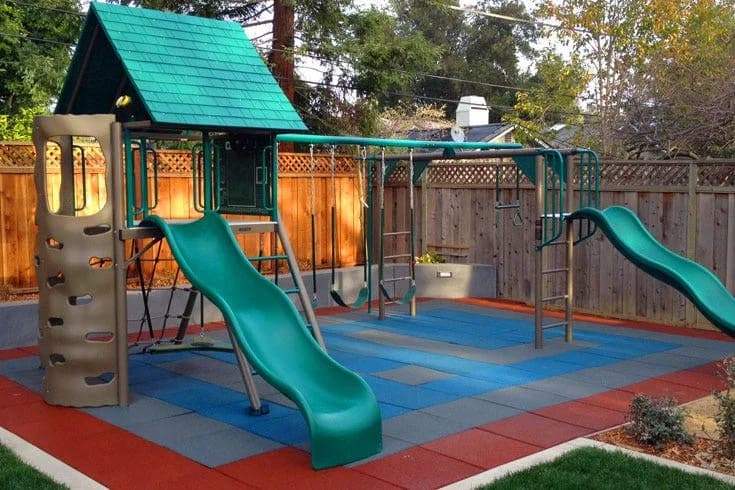
Playground Flooring Safety: The Ultimate Guide
Keep playtime both safe and fun with our ultimate guide to playground flooring safety. Fall height safety ratings, other safety surface tips & more!
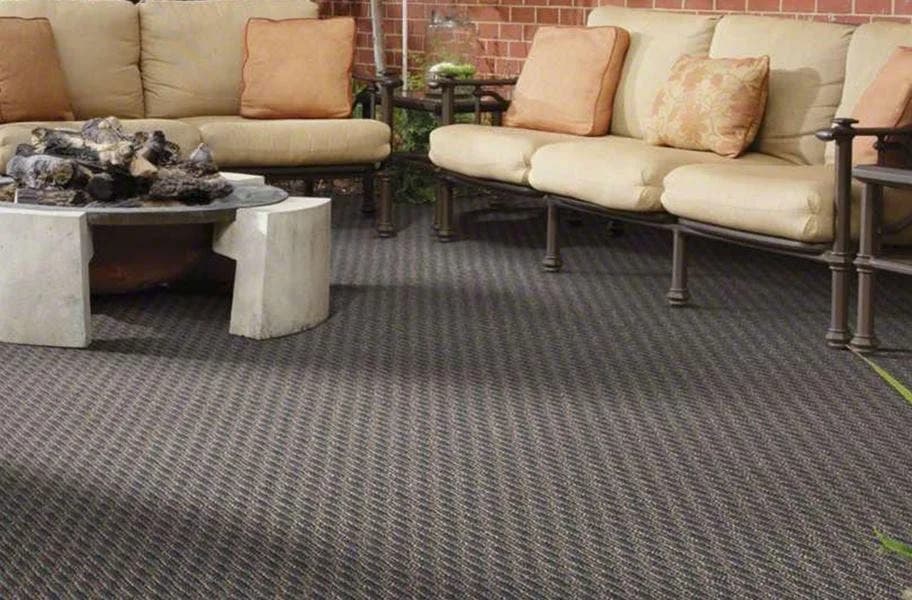
Outdoor Carpet: Everything You Need to Know
Outdoor carpet is the latest evolution of carpet technology. It’s weather resistant, mildew and mold resistant, and water resistant. There’s now no reason to NOT have carpet in your outdoor oasis.

How to Install Composite Decking in 6 Steps
Learn how to install composite decking in 6 easy steps with our comprehensive guide. Discover the process and start your DIY project today!
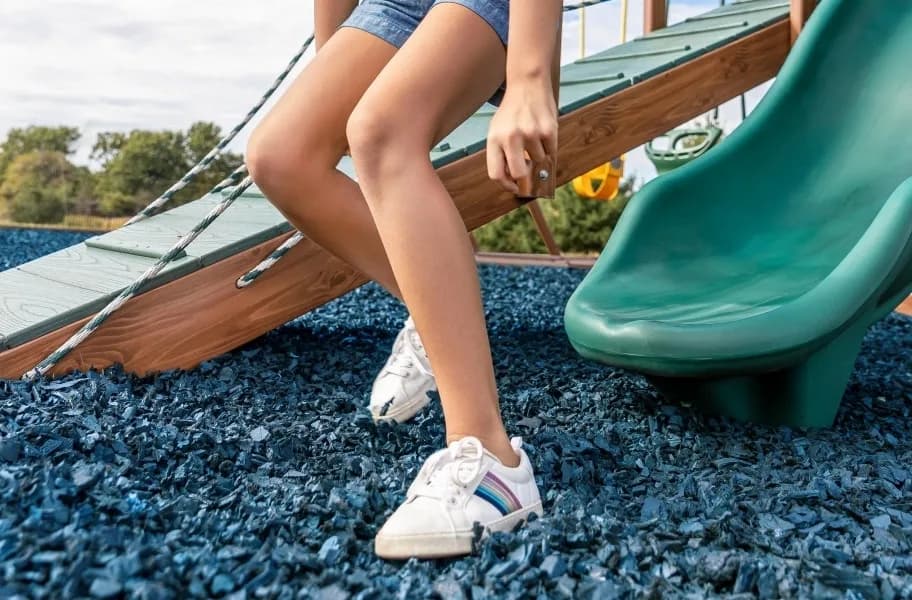
Playground Floor Guide: 4 Best Playground Floor Options
Keep kids safe and active! Discover the possibilities of playground flooring, from rubber tiles and mulch to rubber mats and synthetic turf.
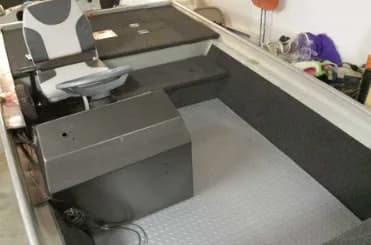
How to Choose Boat Flooring Like a Pro
Discover the best boat flooring options including rubber, vinyl, carpet tiles and more. You can easily make your boat pop with these affordable options.
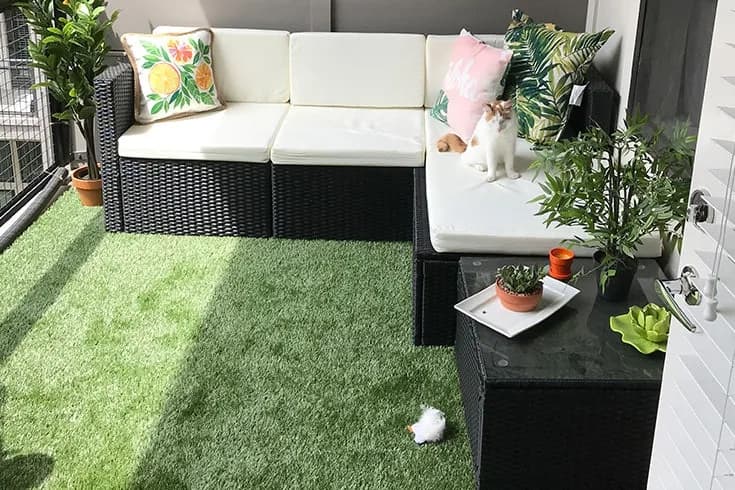
DIY Spotlight: From Apartment Balcony to Backyard Porch
Want to make your apartment feel more like home? Learn how this customer used turf to turn her apartment balcony into an ultimate summer relaxation space.
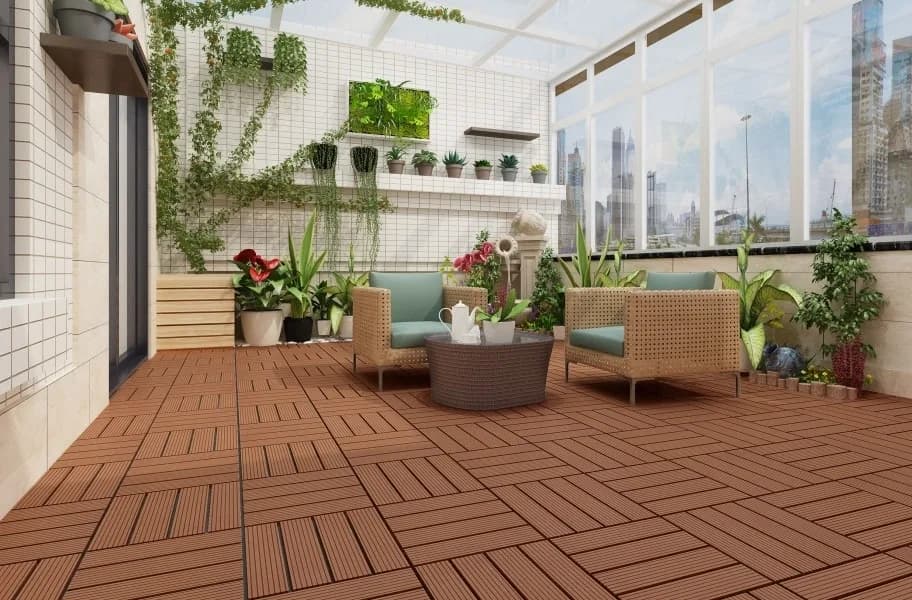
Composite Decking Buying Guide
Composite decking gives you the beauty of a natural wood deck without all the hassle. Here's everything you need to know to create your dream deck!
How to Clean Composite Decking: 6 Easy Steps
Learn how to clean composite decking in six simple steps to keep it looking brand new. Discover our expert tips and get started today!
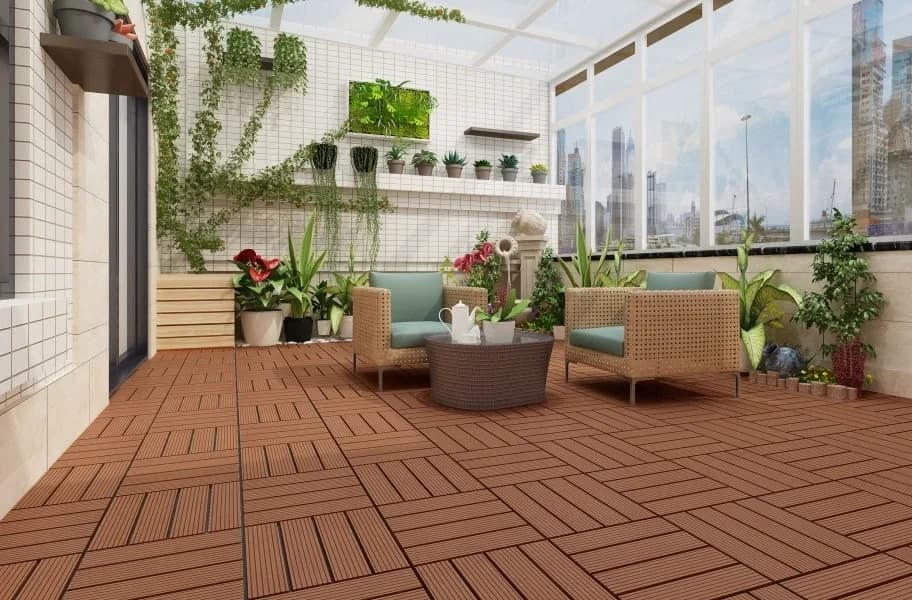
9 Patio Ideas: Create the Ultimate Outdoor Space
Want your patio to be something spectacular? Get inspired by these nine awesome patio ideas to get started and create the patio you love.
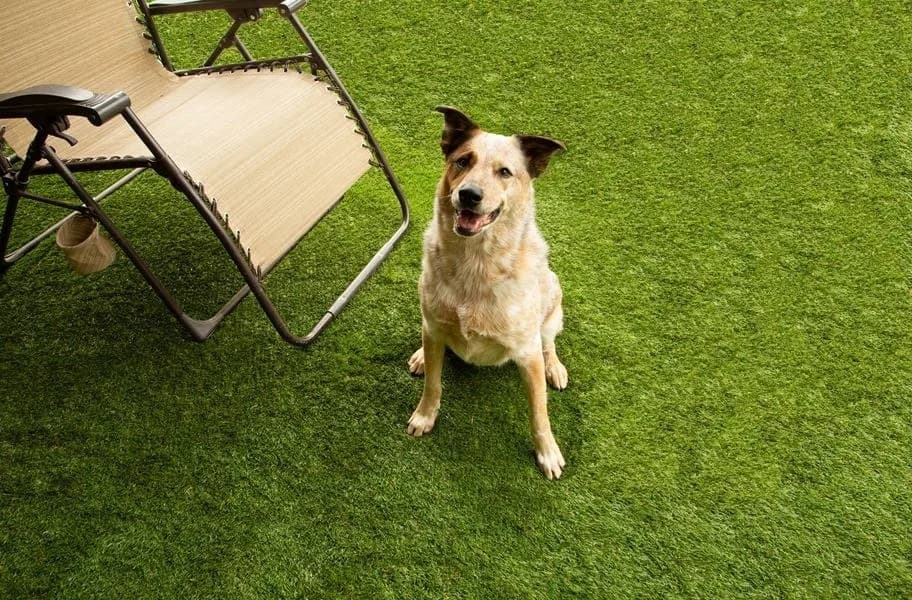
Is Artificial Turf Safe for Your Space?
Delve into the safety of artificial turf with Flooring Inc. Get expert insights on its benefits and considerations for your home or sports field.

Is Artificial Grass Good for Dogs?
Learn about the safety of artificial grass for dogs. Get insights into potential risks and how to choose a pet-friendly artificial lawn.
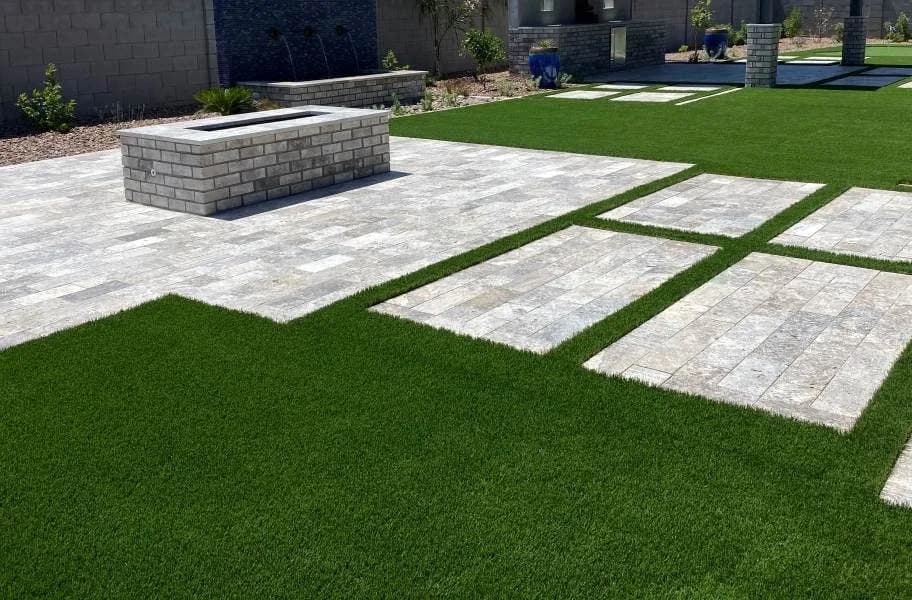
How Much Does Artificial Turf Cost?
Find out how expensive artificial turfs are by their size and type. Get budget-friendly insights and make your landscaping dreams a reality.
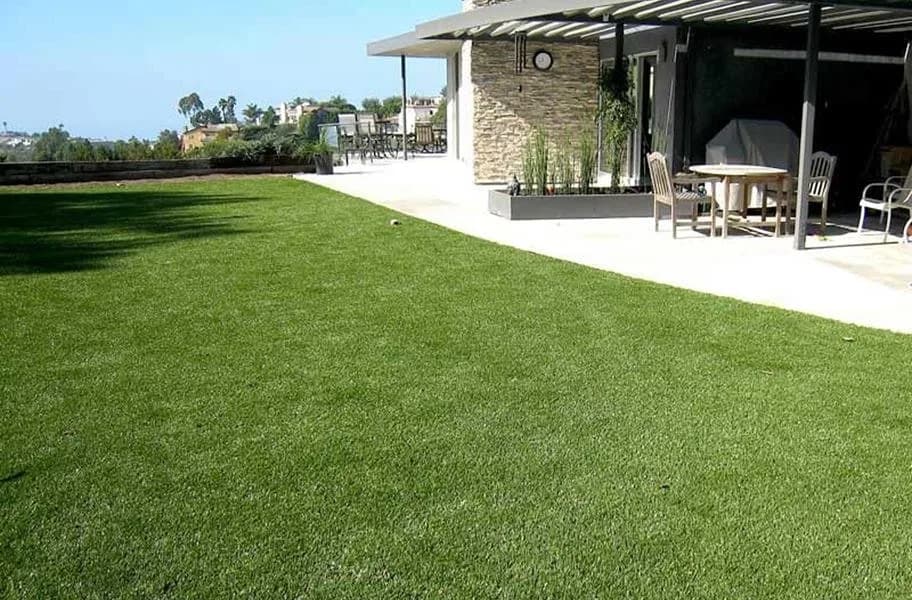
How Long Does Artificial Grass Last?
In this flooring guide, you'll find out how long artificial grass lasts, what affects its lifespan, and how to maximize it.
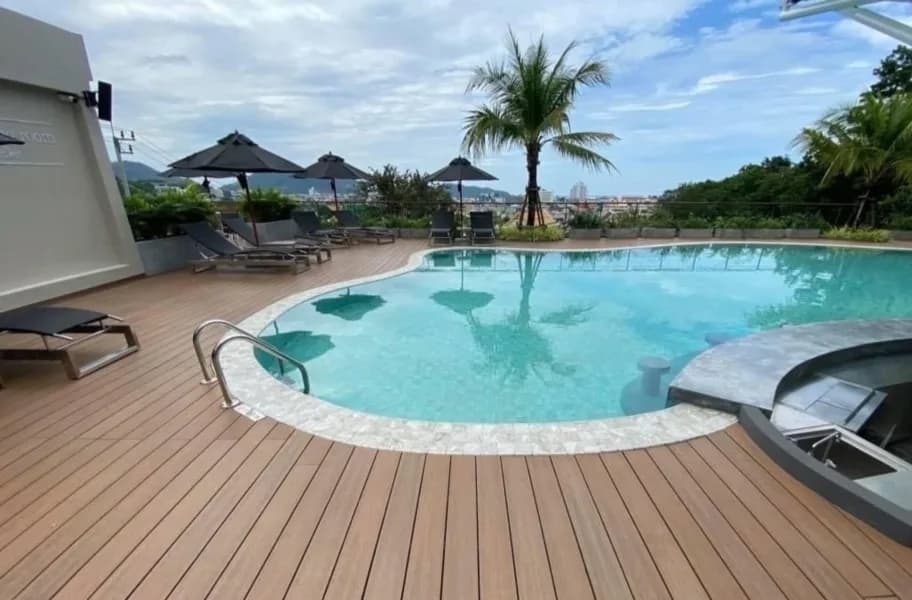
9 Deck Ideas: Find the Best Decking Material for Your Space
Start your new decking project by finding the best deck ideas for your outdoor space. Choose from composite, rubber, and more.
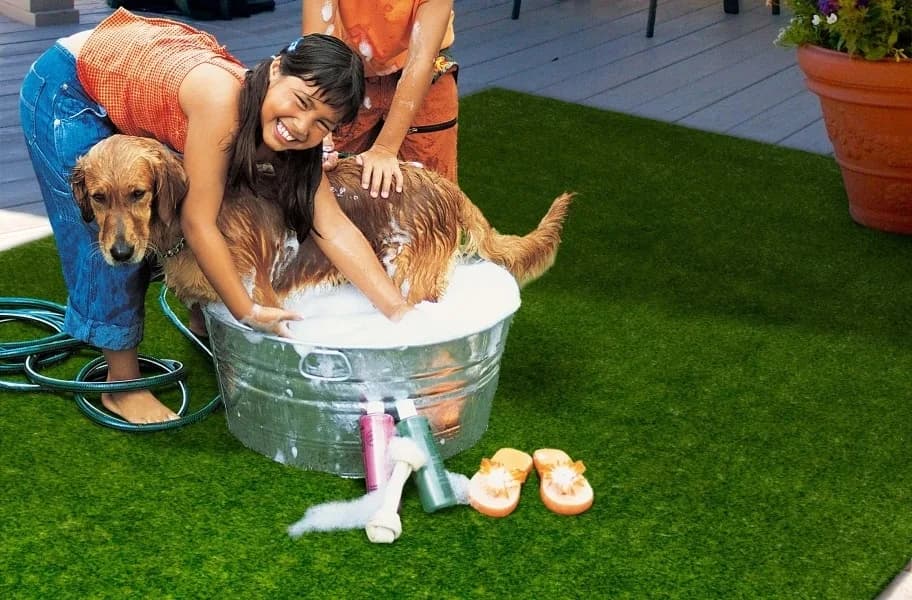
How to Clean Artificial Grass: Easy DIY Maintenance Tips
Learn how to clean your artificial grass with weekly and monthly cleaning, pet grass care, and what cleaning methods to avoid.
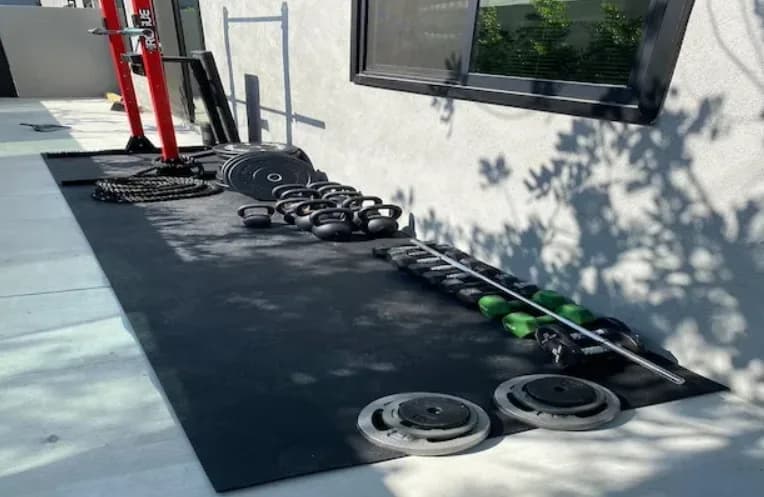
8 Backyard Gym & Outdoor Home Gym Ideas
Explore innovative backyard gym ideas to create your perfect workout space. Start transforming your fitness routine with these inspiring tips!
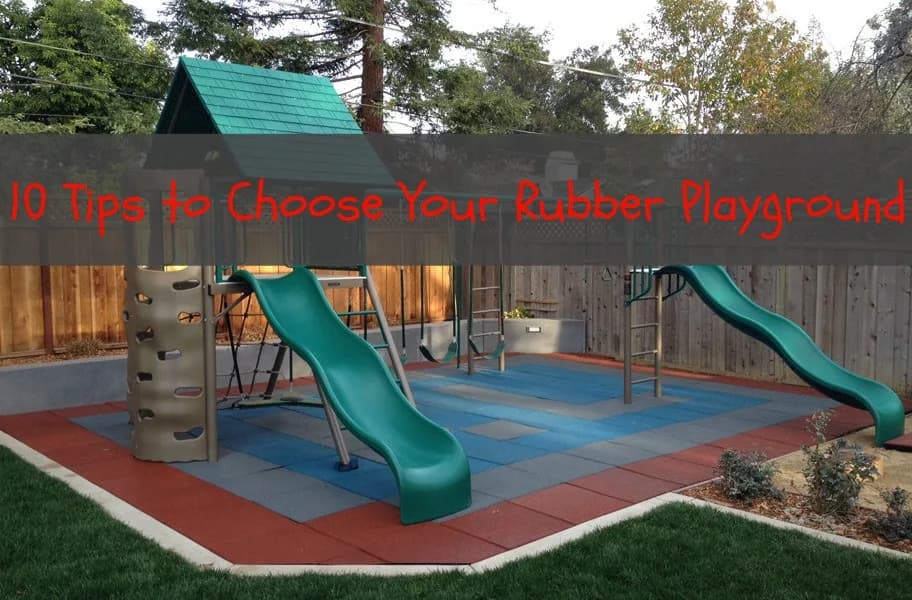
10 Tips to Choose Your Rubber Playground
Wondering whether to choose rubber mulch or rubber tiles? Check out these 10 tips to choose your rubber playground to find the best option for you.
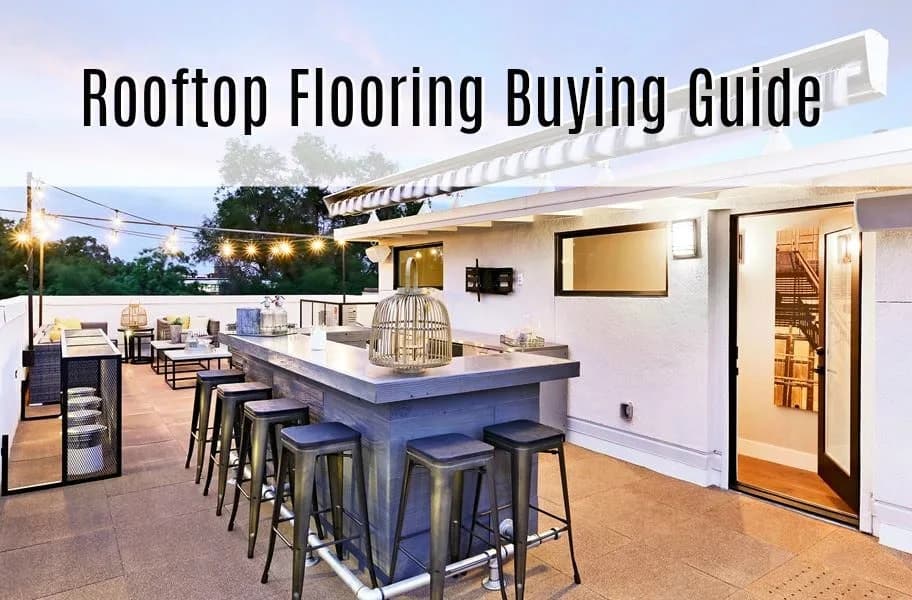
Rooftop Deck Flooring Buying Guide
Rooftop deck flooring can transform your average rubber rooftop into a place great for hangouts and entertainment. If you’re hoping to create an awesome hangout space on your roof, start with your flo
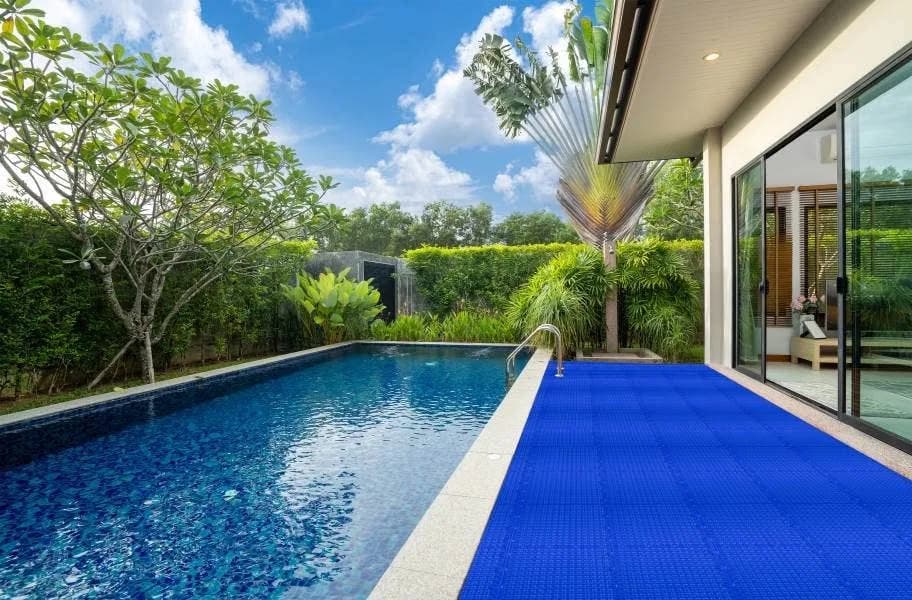
Top 7 Pool Decking Options for Your Home
Unveil the best pool decking options at Flooring Inc. to enhance your swimming pool area. Compare materials for style, safety, and longevity.
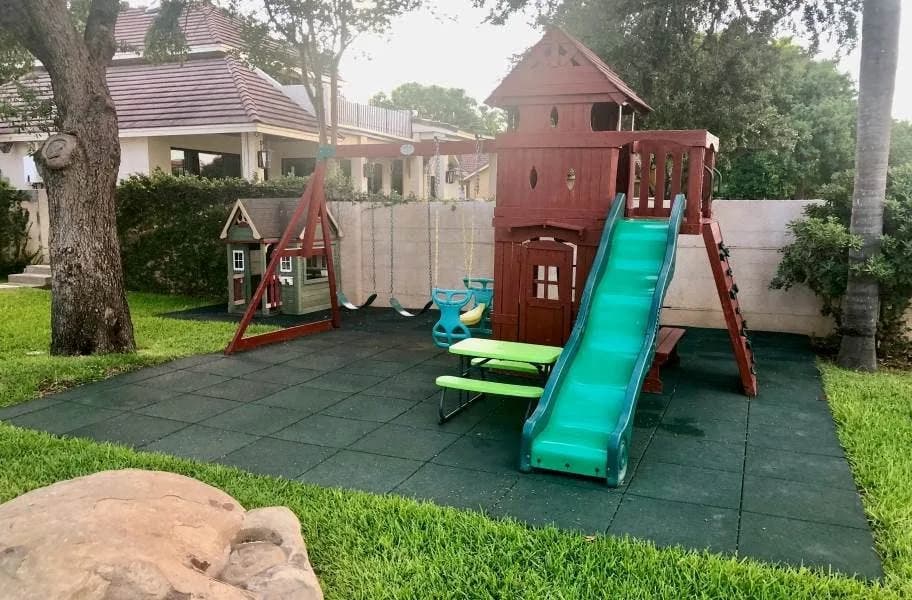
5 Safe Playground Flooring Ideas for Summer
Discover fun playground flooring ideas to make playtime safer and more enjoyable. Explore our ideas and transform your play area today!
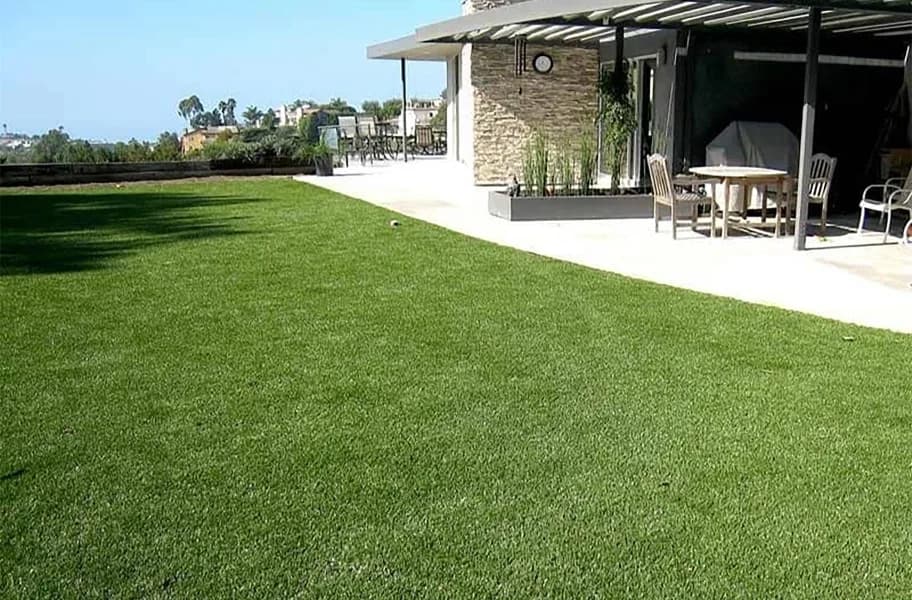
Outdoor Flooring Options for Style and Comfort: 10+ Ideas for 2025
Explore our guide to the best outdoor flooring options to keep your home looking stylish from the outside in!
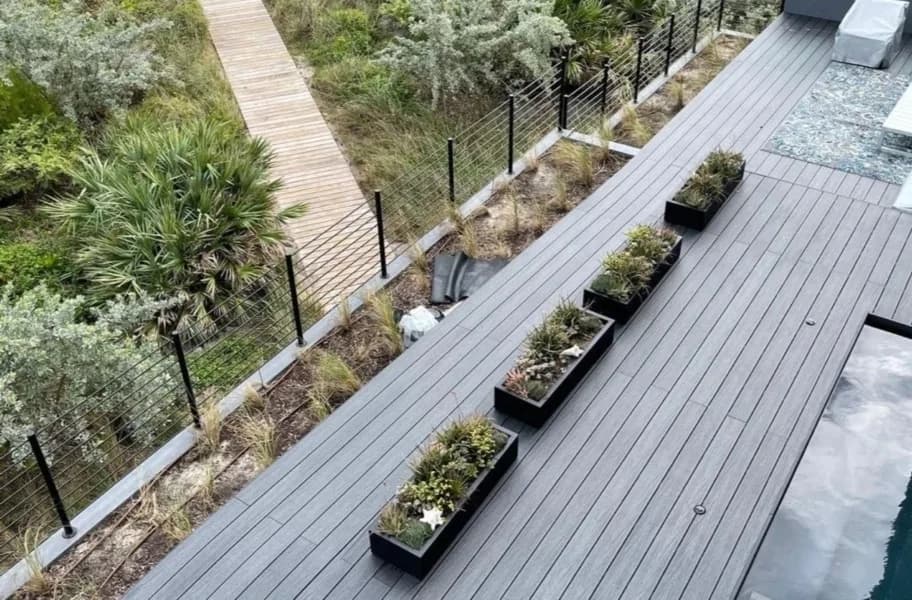
5 Best Decking Materials for Your Dream Deck
Explore the top decking materials for your outdoor oasis with Flooring Inc. Find durable and aesthetic options to create your dream deck.
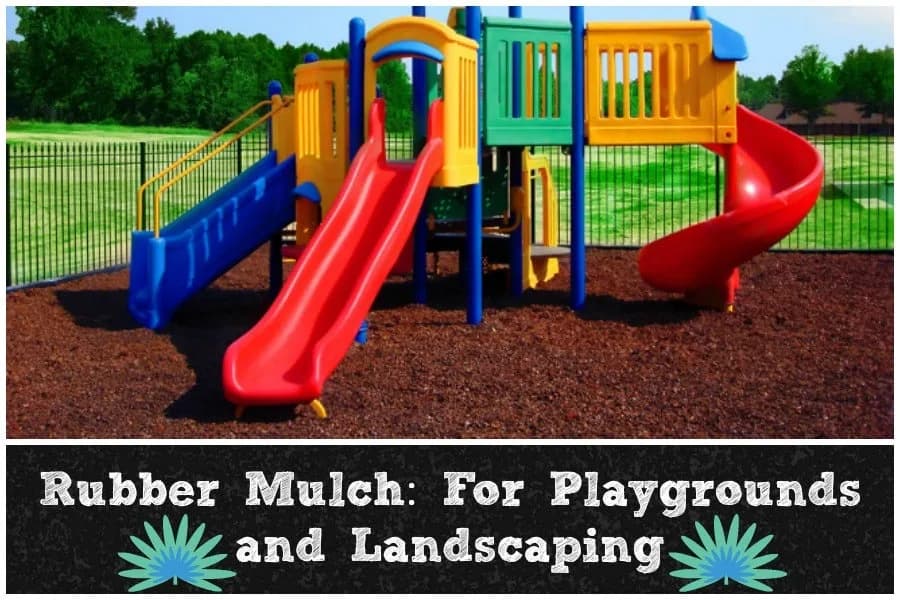
Rubber Mulch: For Playgrounds and Landscaping
Curious about rubber mulch and playground safety? I’ll cover all things rubber mulch and you’ll be on your way to making your best decision.
The 4 Best Artificial Grass Options
Find the best artificial grass for you, whether you need pet turf, putting green turf, or something else. Choose from the top performing turf.
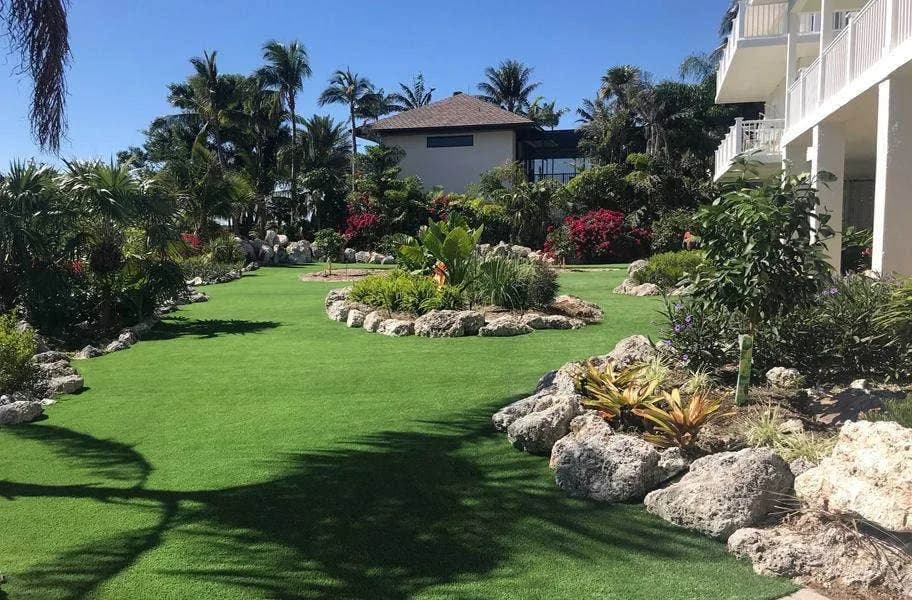
Artificial Turf vs. Grass: Which is Better?
Let's settle the debate between artificial turf vs. grass. Discover which option suits your lifestyle and outdoor space needs with our guide.

Artificial Grass Pros and Cons: The Most Important Considerations
Curious about grass alternatives? Explore the benefits of artificial grass pros and cons to decide if it's right for you!

Ask a Trainer Part 3: Love Life Surf
Ask A Trainer series: Tips, tricks & ideas to keep you on your goal of getting/staying healthy in 2025 and beyond. Behind the scenes w/ trainers, nutritionists & more!

Outdoor Flooring Trends: Decking, Turf & Patio Ideas
Use this guide to the hottest outdoor flooring and find durable, stylish outdoor flooring ideas that will stay trendy for years to come.
Outdoor flooring covers a lot of ground: turf that survives dogs and sprinklers, composite decking that never needs sanding, and interlocking tiles for patios, rooftops, and pool decks. These posts help you match the material to the weather, the foot traffic, and the surface underneath.
The Surface Underneath Decides More Than the Style Does
The right outdoor surface depends less on style and more on what's underneath it and what's going to happen on top of it. A rooftop needs something lightweight and drainable; a dog run needs turf that won't hold odor; a pool deck needs a surface that stays cool and doesn't turn into a slip hazard when wet.
If you're weighing artificial grass against the real thing, Artificial Turf vs. Grass: Which is Better? comes down on water use and long-run cost rather than looks. Considering composite boards instead of wood, Wood Deck vs. Composite Deck makes the case that the real difference is what you do every spring, not what you pay in year one. If pavers or interlocking tiles are more your speed, Rooftop Patio Rubber Pavers covers a surface built for exposed, high-heat spots. And for the pool deck specifically — the hardest of these, since it has to be cool underfoot, slip-resistant wet, and chlorine-tolerant all at once — Pool Decking Options compares the materials that clear all three.
Shop Outdoor Flooring by Material
Once you know the material, the shop categories narrow things down fast, and each one has a spec that decides the purchase. In Artificial Grass — turf for lawns, dog runs, and putting greens — that spec is pile height and backing perforation, and it changes by use case, so filter before you browse. In Composite Decking, it's whether the board is capped: the protective outer shell is what does the work against fading, splintering, and rot in direct sun and rain, and uncapped boards behave differently over the same five summers. And in Playground Flooring, it's the fall-height rating, which is a system spec earned by the surfacing and its base together — never a number you can read off the top layer alone.
Not sure which category your project fits into? The full Outdoor Flooring shop page groups every outdoor material in one place so you can compare options side by side before committing.
Weatherproofing: What Actually Holds Up Outside
Sun, standing water, and temperature swings are what wreck outdoor surfaces early, not foot traffic. UV exposure fades color and can make some plastics brittle over a few summers; the fix is materials rated for UV stability rather than repainting or sealing every year. Standing water is the other big one: drainage matters more than the material itself, since even a rot-proof board will trap grime and mildew if water has nowhere to go.
Before buying, check what a product is actually rated for. Is Artificial Turf Safe for Your Space? walks through heat buildup and infill choices, and How Much Does Artificial Turf Cost? covers where drainage and base prep show up in the total price, since skipping that step is the most common reason turf fails early.