
Flooring Installation
Articles
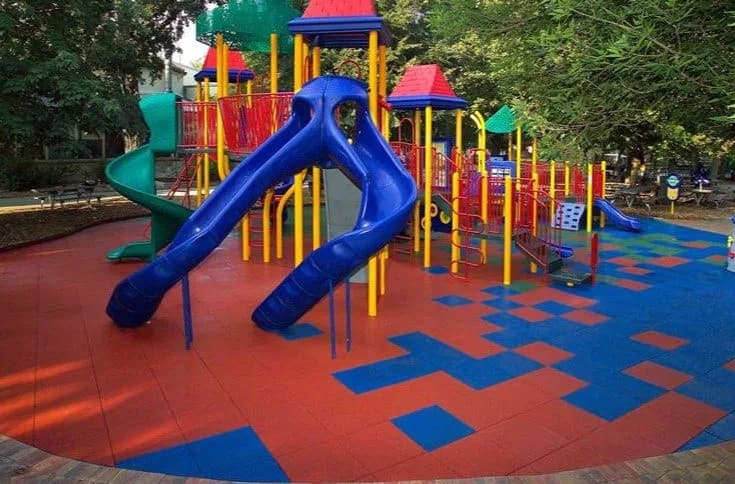
Playground Flooring Installation Cost Guide
The cost of playground flooring is probably the most important factor that goes into choosing which type of outdoor flooring you want to buy. If you’ve been stuck on deciding which playground flooring
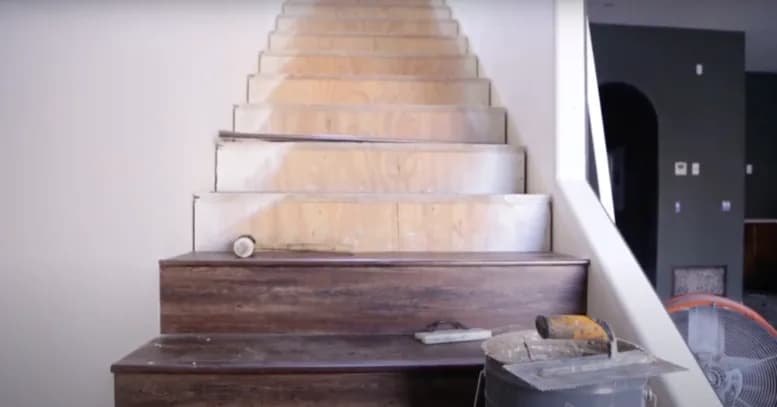
How to Install Vinyl Plank Flooring On Stairs in 6 Steps
This guide will show you how to install vinyl plank flooring on stairs. Follow easy step-by-step instructions to start your DIY project.
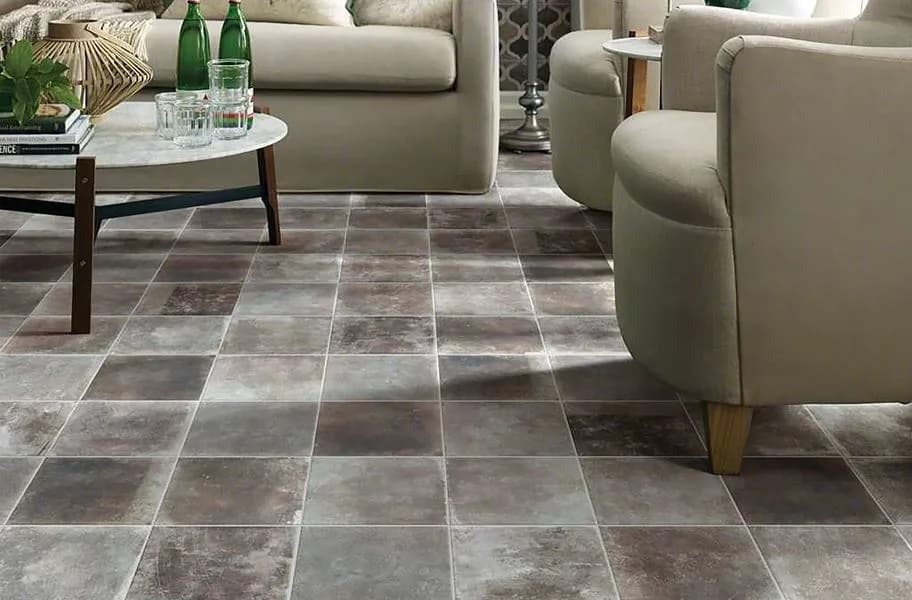
How to Tile a Floor: Step by Step Installation Guide
A DIY tile project may be challenging, but not impossible! With the right tools and enough preparation, you can learn how to tile a floor the right way.
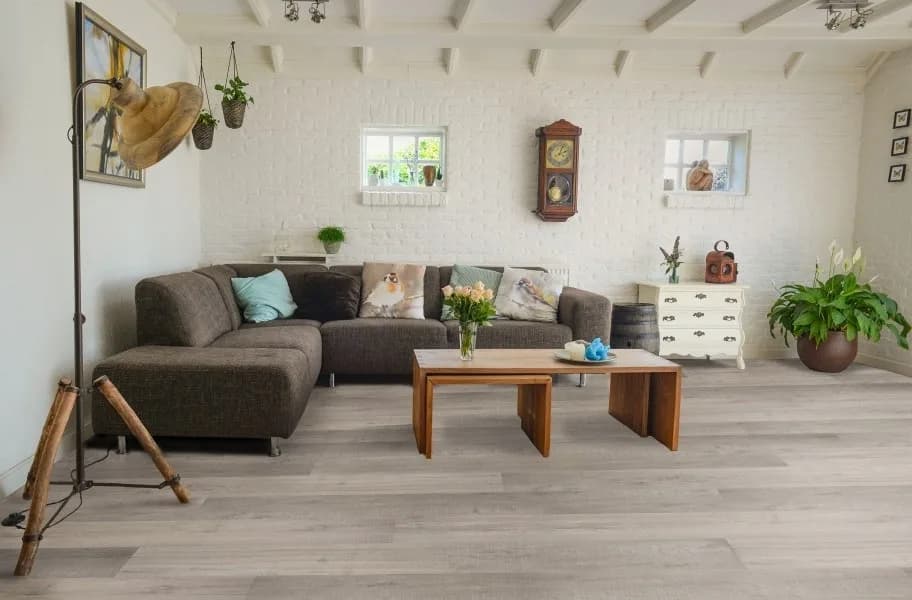
How to Install Vinyl Flooring: 3 Methods
Installing vinyl flooring can be a great DIY project, saving you money and giving you the satisfaction of having installed your own flooring.
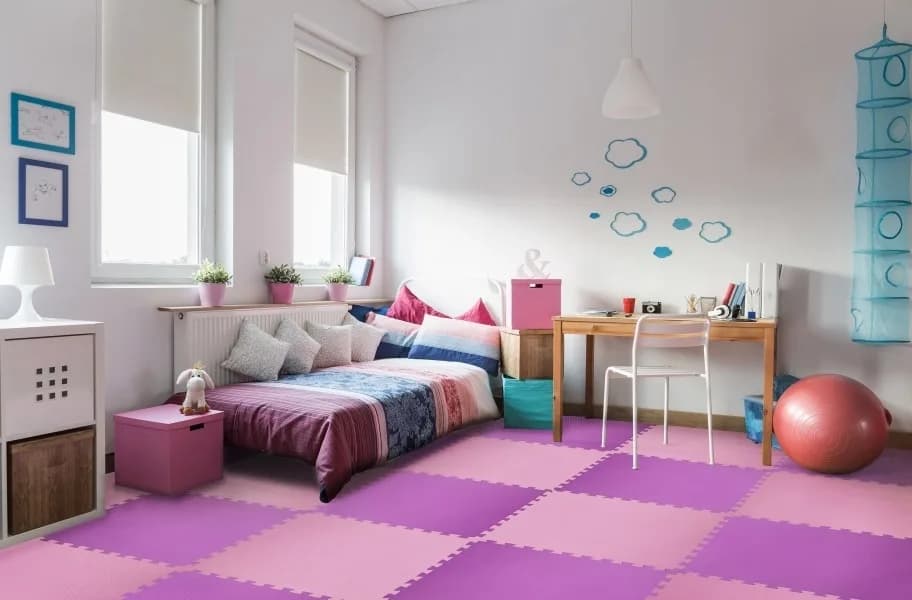
How to Install Foam Tiles
Foam tiles are soft, cushion-y & perfect for play or workouts. Learn how to install foam tiles in 4 easy steps, & start enjoying your new foam floor today!
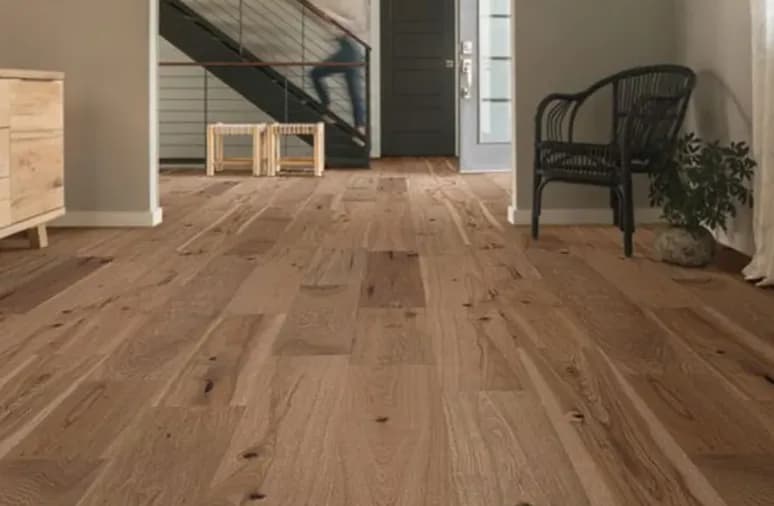
How to Install Engineered Hardwood Floors: 4 Easy Installation Options
Learn how to install engineered hardwood with four easy install methods, the right tools and instruction to become an installation pro!

How to Install Laminate Flooring on Walls: 7 Easy Steps
Follow this guide to learn how to install laminate flooring on walls! You can create a gorgeous wood-look accent wall on your own.

How to Install Laminate Flooring
Want to install laminate flooring in your home? Here's your DIY laminate flooring installation steps with a video tutorial!
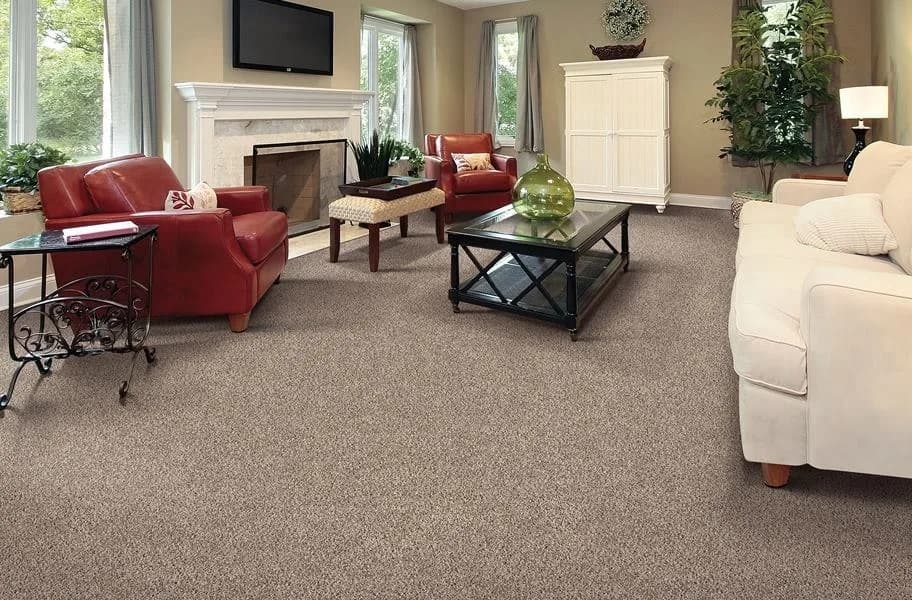
How to Install Carpet Yourself: 3 DIY-Friendly Options
With specially made carpet perfect for the weekend warrior, anybody can install carpet! These DIY carpet installations are easy to do in no time at all.
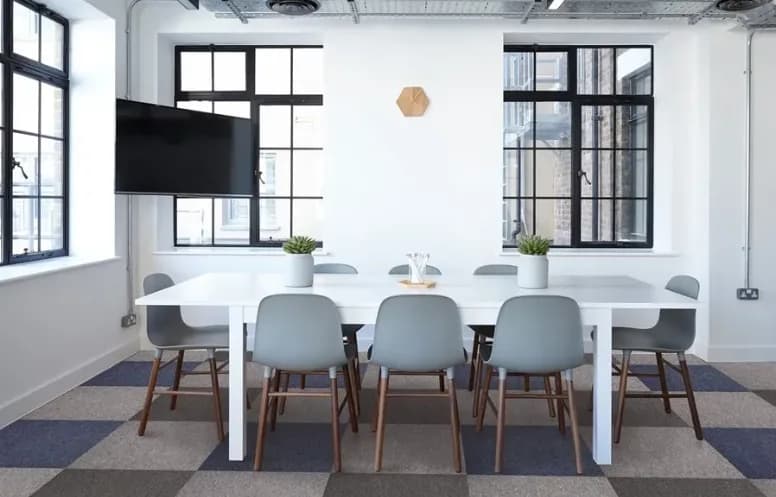
How to Install Carpet Tiles
Carpet tiles are your simple. easy and child-proof carpet solution! Learn how to install carpet tiles in just 4 easy step
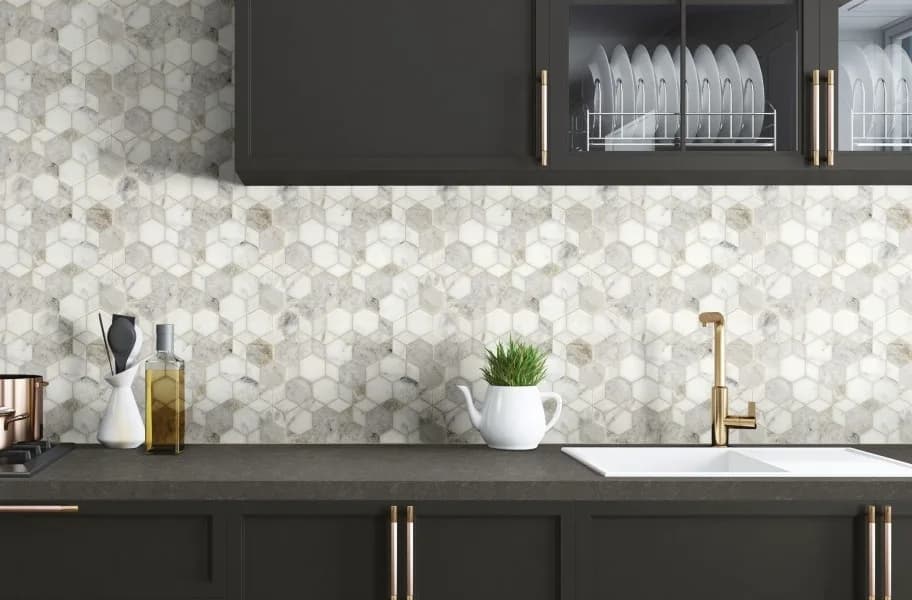
How to Install Backsplash Tile 3 Easy Ways
Learning how to install backsplash tiles to update your kitchen? There’s more than one way to do it! Discover three easy, DIY-friendly options.
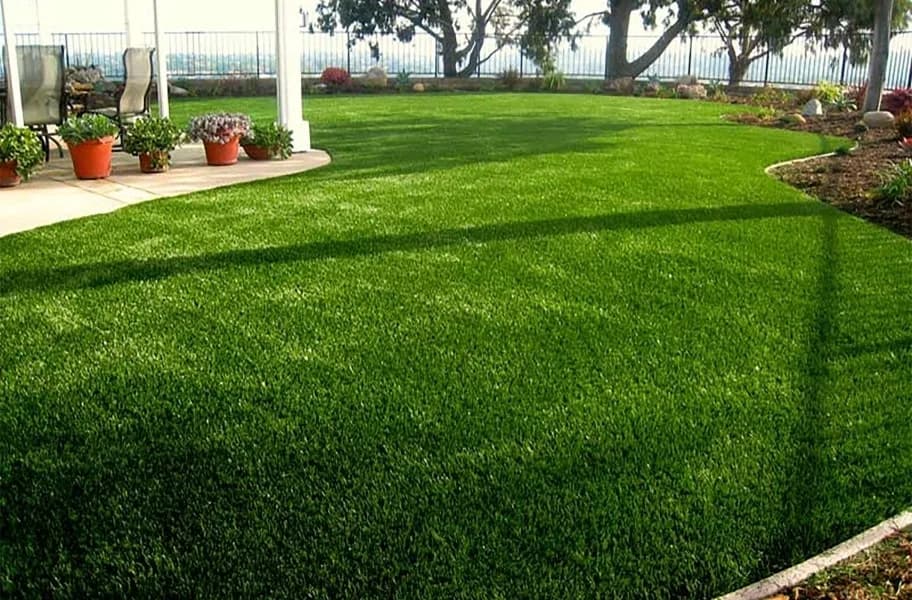
How to Install Artificial Grass: DIY Tips For Your Lawn
From replacing natural grass in your yard to installing over a concrete slab, this guide will help you learn how to install artificial grass.
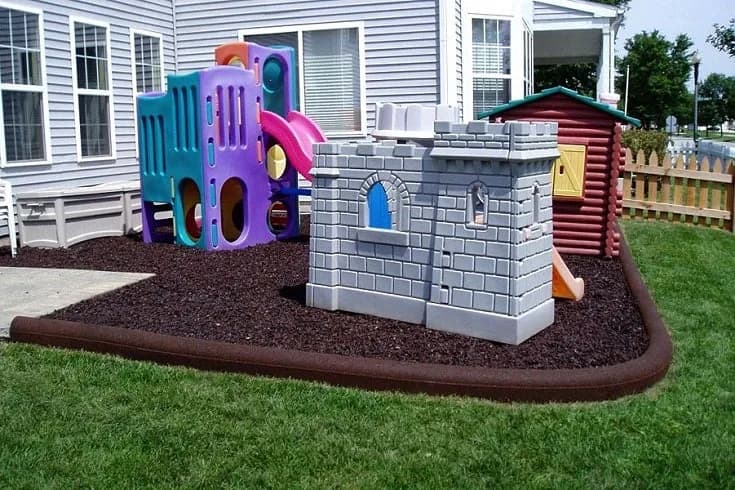
DIY Playground Flooring Installation Guide
In this guide we’ll outline two DIY installations for playground flooring, giving you all the details you need to plan your process. Learn to install rubber playground tiles and rubber mulch.

How to Choose Commercial Vinyl Flooring: 7 Essential Facts
Commercial vinyl flooring is one of the best high-traffic flooring options. Learn about pros and cons, installation, and more.
2025 Carpet Installation Cost Guide
Carpet cost is going to be one of the most important factors when buying carpet. Whether you’re a first-time buyer, or replacing old carpet, we crunched the numbers to find you the best deal. Check ou
Can You Install Rubber Gym Flooring Over Carpet?
Can you install rubber gym flooring over carpet? Find out whether gym flooring will work over your carpet and how to go about the installation process.
How Much Does It Cost to Install Hardwood Flooring?
Discover the factors that will determine what your hardwood flooring cost will be, and find ways to cut costs, without settling for less.
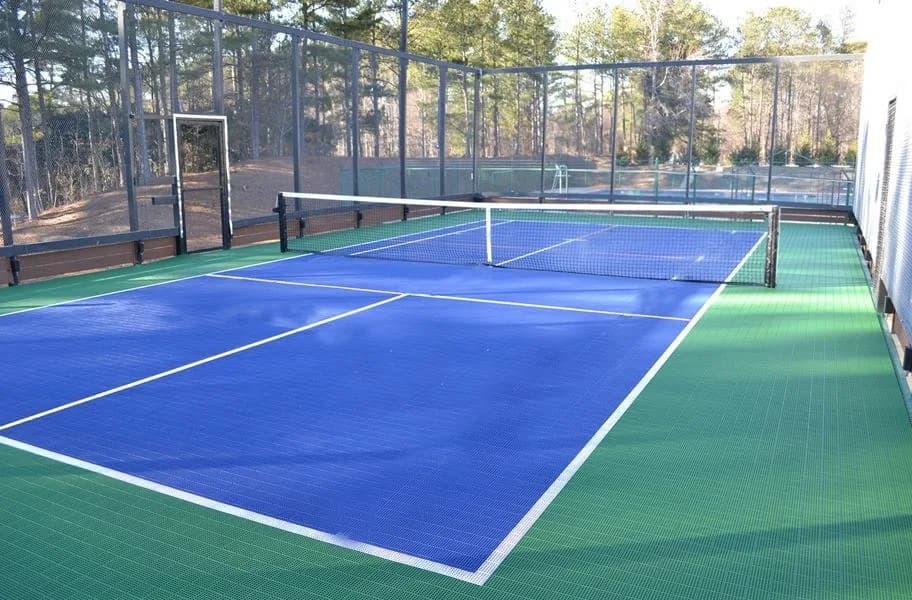
How to DIY Install Court Sports Flooring
Sports tiles are the ideal flooring for anyone looking to install an athletic court in their yard. These tiles are easy to install for a DIY backyard court.
How to Install Home Dance Studio Flooring: DIY-Friendly Tips
Get more practice dancing with a home dance studio. Get started by learning how to install dance flooring in a few simple steps.
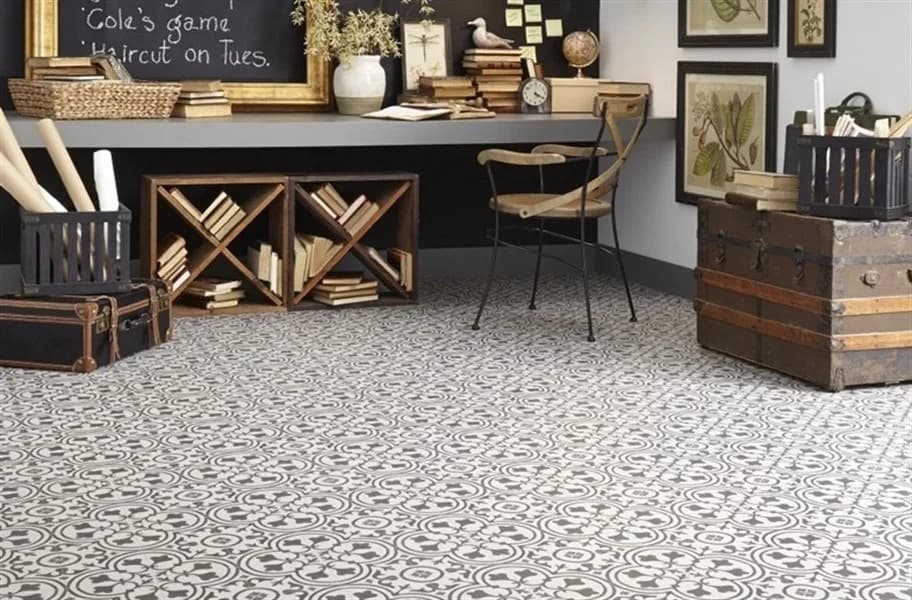
What is a Floating Floor Installation? The Ultimate Guide
What is a floating floor? By comparing pros and cons and discovering new flooring options, you can learn more about floating floors.
How to Install Garage Tiles
Ready to start your own personal garage shop or man cave? Start from the ground up and learn how to install garage tiles in 5 easy steps!

How to Install Cork Flooring
Cork flooring is one of the hottest new trends on the market. Learn how to install cork flooring with just a few, easy steps!
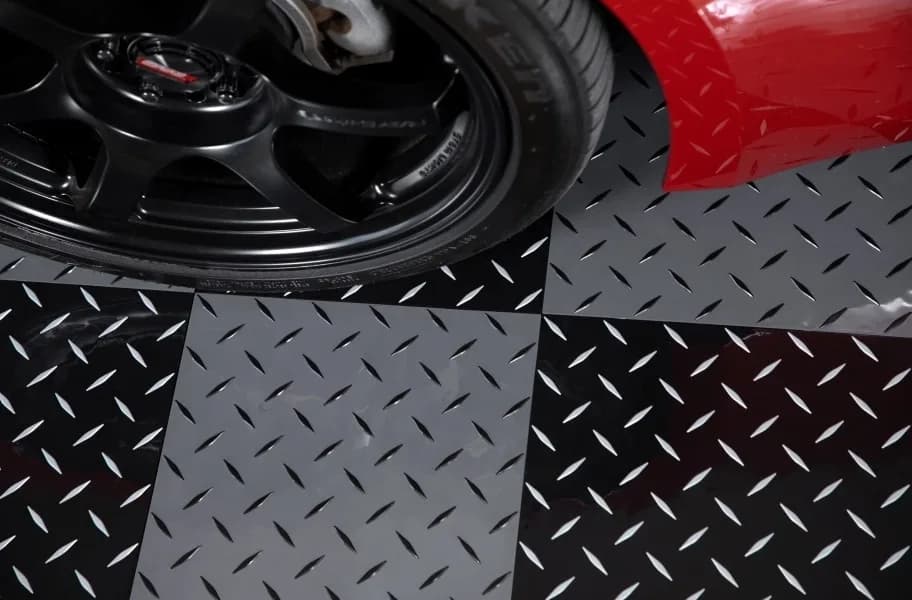
Garage Floor Installation Guide: Tiles, Rolls, and Epoxy
Thinking about purchasing garage flooring and installing it yourself? Garage floor installation is incredibly DIY-friendly! Learn more here.
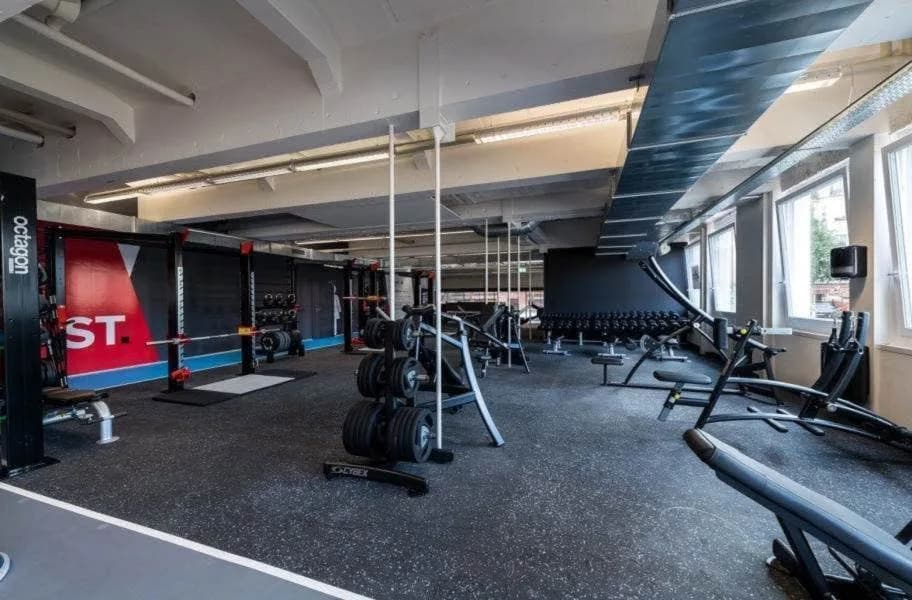
How to Install Rubber Flooring: 11 Tips to Know
Learn how to install rubber flooring with our step-by-step guide. Get started on transforming your space easily with Flooring Inc.

How to Install Rubber Flooring Rolls in 8 Steps
Get step-by-step guidance on installing rubber flooring rolls for a seamless finish. Start your DIY project with confidence—learn more today!
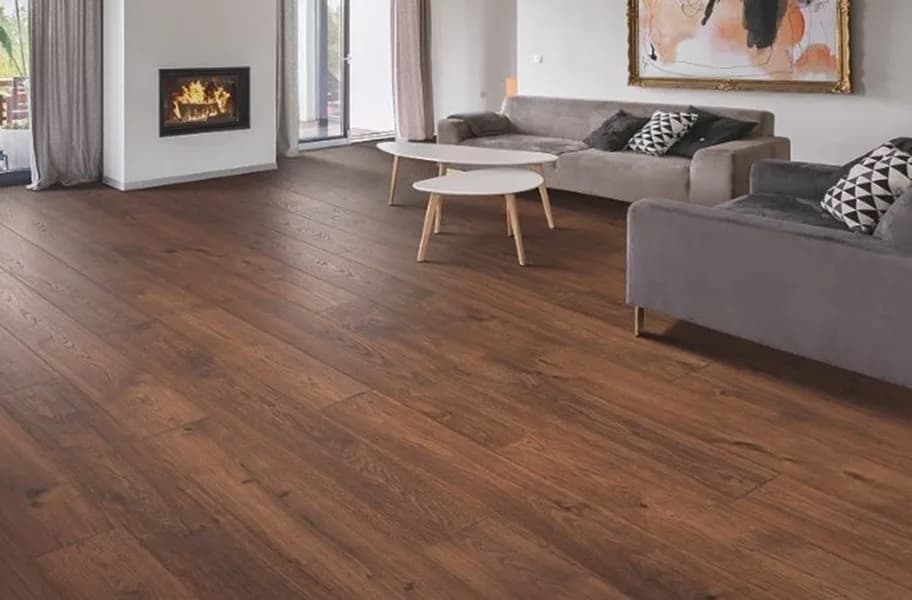
How to Install Temporary Flooring Over Carpet
Carpet can be a hassle to work around, but your place deserves gorgeous floors! Learn how to install temporary flooring over carpet with these easy steps!

How to Install Daltile’s RevoTile Flooring in 6 Easy Steps
If you’ve been searching desperately for an easy way to install tile on your own, then today is your lucky day. Learn how to install RevoTile on your own.
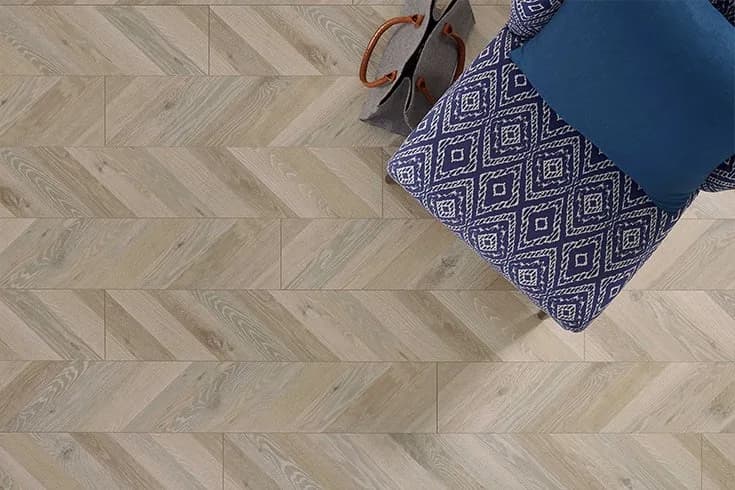
Laminate Flooring Installation Cost Guide
Before buying laminate flooring, you’re probably wondering how much laminate flooring costs. The cost of laminate flooring has several factors - brand, type, features and installation.
There are really only three ways a floor attaches to a room — it floats, it's glued, or it just sits there — and knowing which one your material wants changes what you buy before you ever pick up a tool. Here's the method, then the step-by-step for whatever you're putting in.
Pick Your Install Method First
Before you shop for a floor, it helps to know how it goes down. Floating floors click or lock together over a pad without any adhesive touching the subfloor, which is why laminate, vinyl plank, and engineered hardwood all lean on this method for DIY installs — What is a Floating Floor Installation? The Ultimate Guide covers when it works and when it doesn't. Glue-down installs bond the material directly to the subfloor for a more permanent, less-hollow-sounding result, and it's the more common route for sheet vinyl and some tile products. Loose-lay sits in between: tiles or planks rest in place using their own weight and friction, with little or no adhesive, so a section can be lifted and replaced without tearing up the whole floor.
Your material narrows the choice fast. Vinyl plank can go down floating, glued, or loose-lay depending on the product line — How to Install Vinyl Flooring: 3 Methods breaks down all three side by side. Laminate is almost always floating (How to Install Laminate Flooring), while engineered hardwood can be floated, glued, or nailed depending on the subfloor (How to Install Engineered Hardwood Floors: 4 Easy Installation Options).
Installation Guides by Material
Rubber flooring rolls typically go down loose-lay or with a perimeter/seam adhesive rather than a full glue-down — How to Install Rubber Flooring Rolls in 8 Steps walks through seaming and taping. Interlocking tiles are their own category of easy: garage tiles snap together over bare concrete with no adhesive at all (How to Install Garage Tiles), and carpet tiles work the same way for softer flooring (How to Install Carpet Tiles). Cork planks and tiles can go floating or glued depending on the product, which How to Install Cork Flooring spells out.
If your project is more involved than a single room, our installation and care supplies cover the underlayment, adhesives, transition strips, and trowels that most of these methods call for — check the specific guide for your material before buying, since a floating vinyl install and a glue-down install need different supplies.
Subfloor Prep Matters More Than the Installation Method
Most installation failures trace back to the subfloor, not the flooring itself. A floating floor needs a flat, clean surface and the right underlayment so the planks don't rock or gap at the seams. A glue-down install needs a subfloor that's dry and free of old adhesive residue, or the new bond won't hold. Loose-lay products are more forgiving of minor imperfections since they aren't locked to each other or the floor, but they still need enough weight and friction contact to stay put, which means the subfloor has to be clean and free of dust. Whatever guide you're following, read the acclimation and moisture-testing steps before you start — they're usually the part people skip, and the part that causes problems later.