
Dog Kennel Flooring


25 products
Products
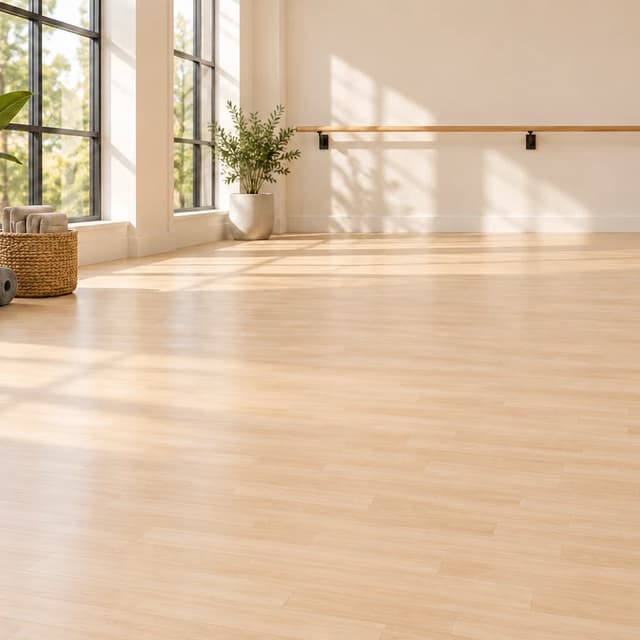
Impact Rubber Flooring Rolls - Wood Grain Vinyl Top Layer
4.9
Starting From:
$9.25/sqft
$14.23Save 35%14% Buy This
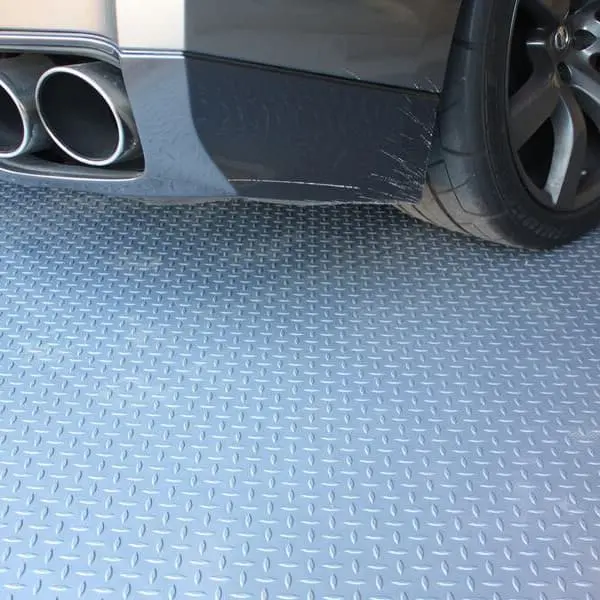

Diamond Nitro Garage Flooring Rolls - Commercial Grade
4.8
Starting From:
$2.99/sqft
$3.99Save 25%9% Buy This
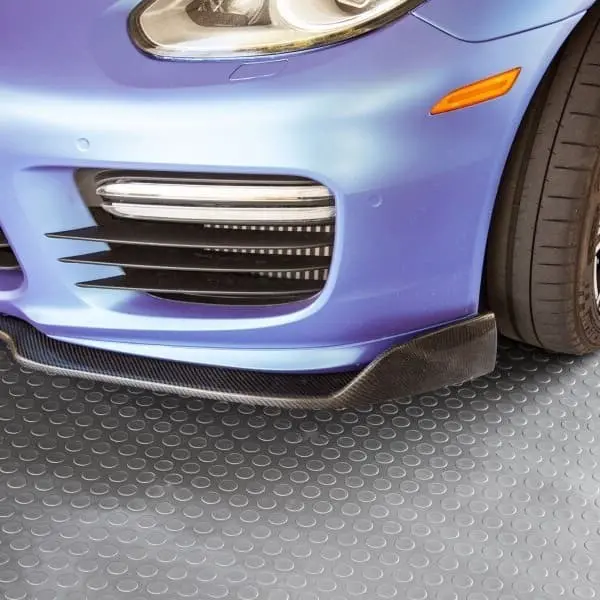
Coin Nitro Garage Flooring Rolls - Commercial Grade
4.8
Starting From:
$2.99/sqft
$3.99Save 25%26% Buy This
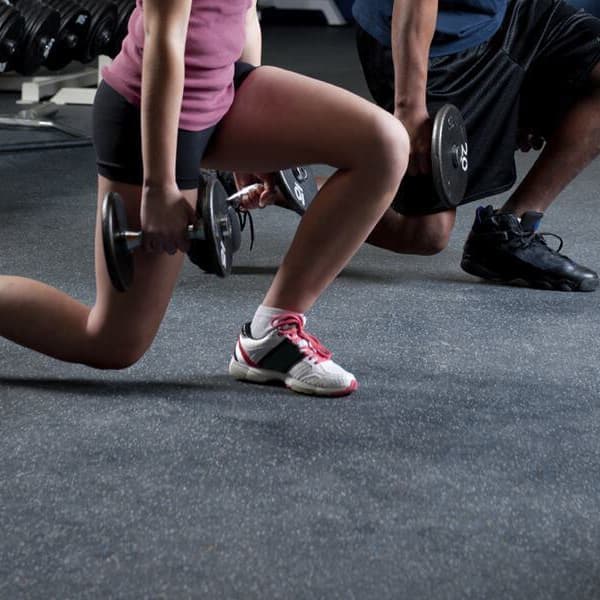

8mm Pre-Cut Strong Rubber Rolls | 4' x 25' or 50'
4.7
Starting From:
$1.72/sqft
$2.73Save 37%
8mm Strong Rubber Gym Flooring Rolls
4.8
Starting From:
$1.41/sqft
$2.17Save 35%34% Buy This
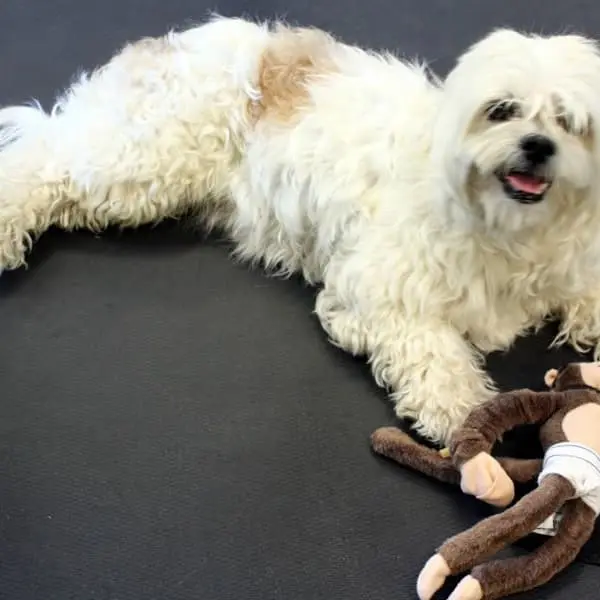
1/2" Diamond Top Dog Kennel Mats - Vulcanized Rubber Mats
5.0
Starting From:
$41.88/each
$55.84Save 25%
Rubber Floor Ramps
4.7
Starting From:
$42.99/each
$57.32Save 25%6% Buy This
 Pre-Order — Ships between Oct 23 – Nov 6
Rubber Floor Finish and Sealer
4.9
Starting From:
$49.99/each
$71.42Save 30%
Impact Wood Roll Welding Thread
Starting From:
$137.99/each
$197.13Save 30%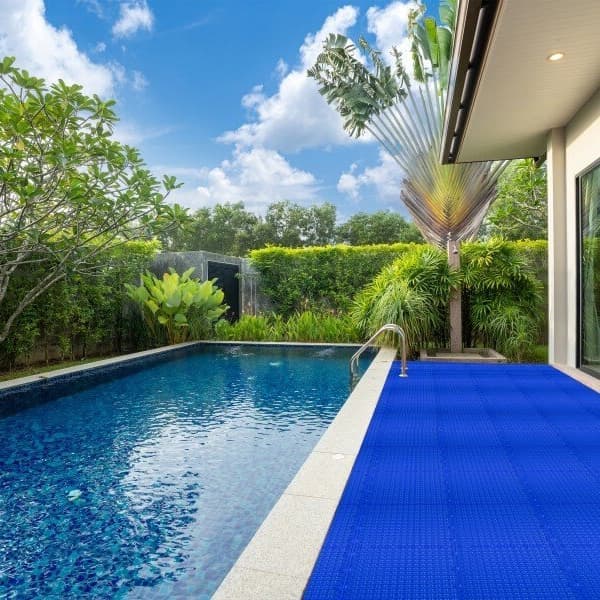
Rugged Grip-Loc Drainage Tile - Indoor/ Outdoor Interlocking Tiles
4.9
Starting From:
$2.29/sqft
$3.27Save 30%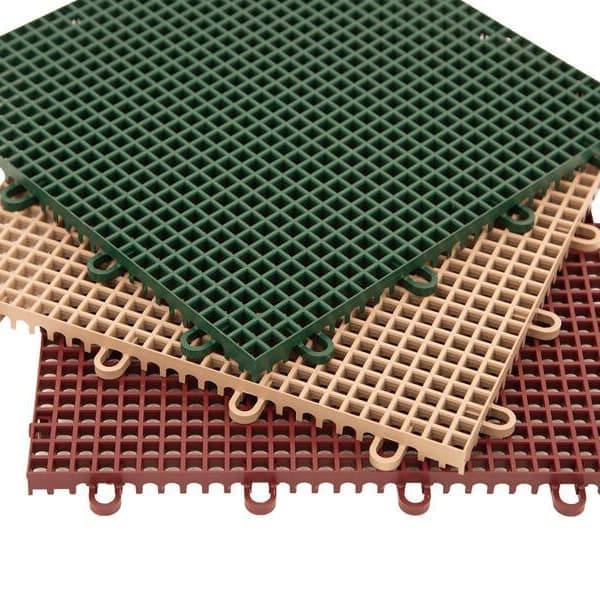
ProFlow Drainage Tiles
4.9
Starting From:
$3.51/sqft
$4.68Save 25%
Airdrain Turf Drainage Tile (Case of 114 tiles)
Starting From:
$2.14/sqft
$3.06Save 30%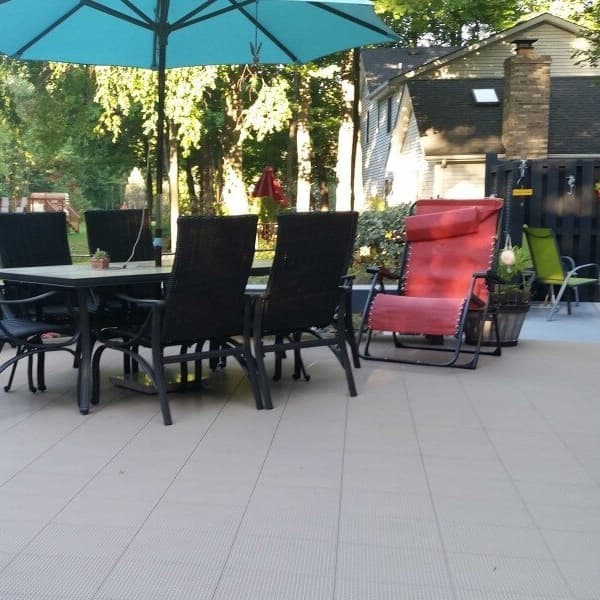
ProDesign Drainage Tiles
5.0
Starting From:
$2.89/sqft
$3.99Save 28%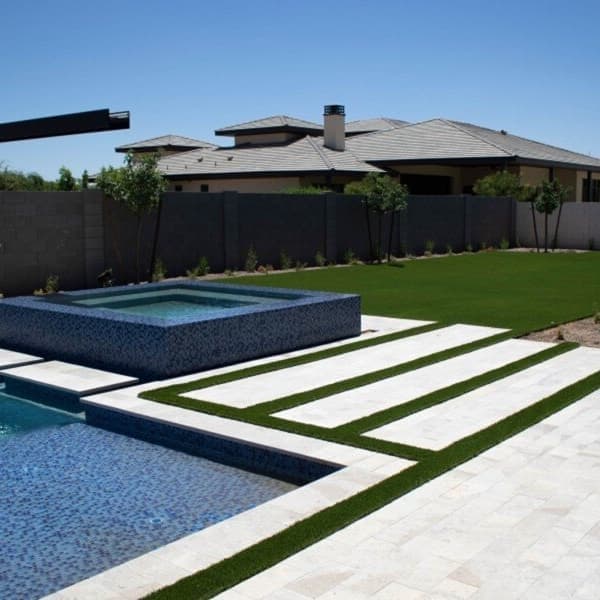
Budget Short Artificial Turf Rolls
Starting From:
$1.59/sqft
$2.27Save 30%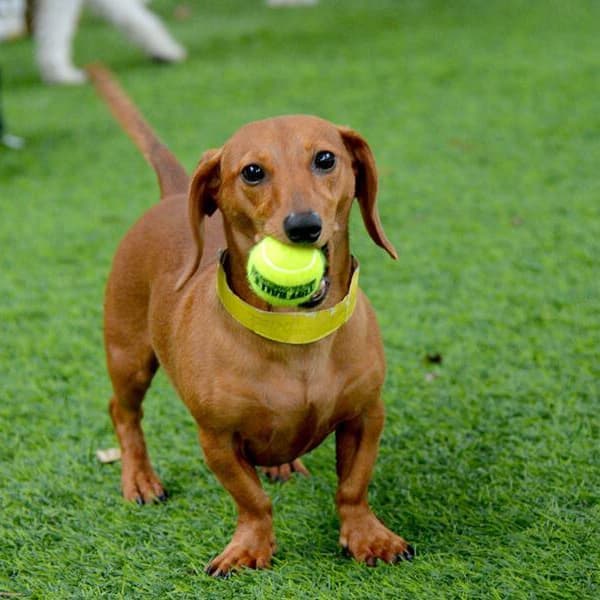
K9 Pet Turf - Artificial Grass Rolls
5.0
Starting From:
$3.49/sqft
$4.65Save 25% Out of Stock
Bow Wow Pet Turf Rolls
4.9
Starting From:
$1.69/sqft
$2.46Save 31%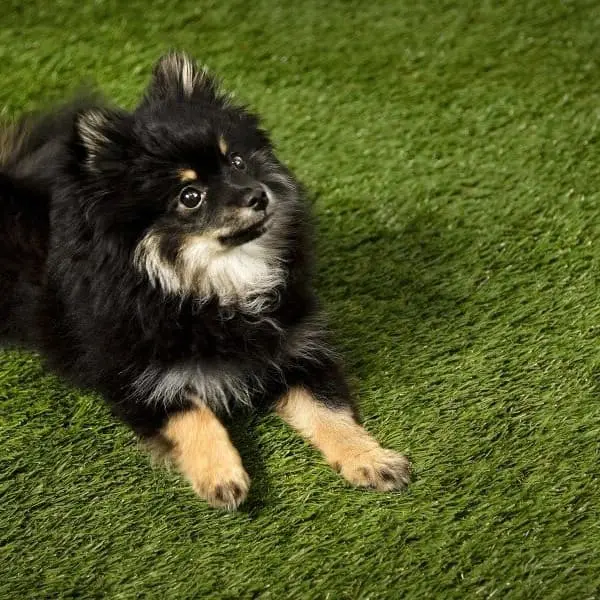
Pet Safe Turf - Artificial Grass Rolls
Starting From:
$2.60/sqft
$3.72Save 30%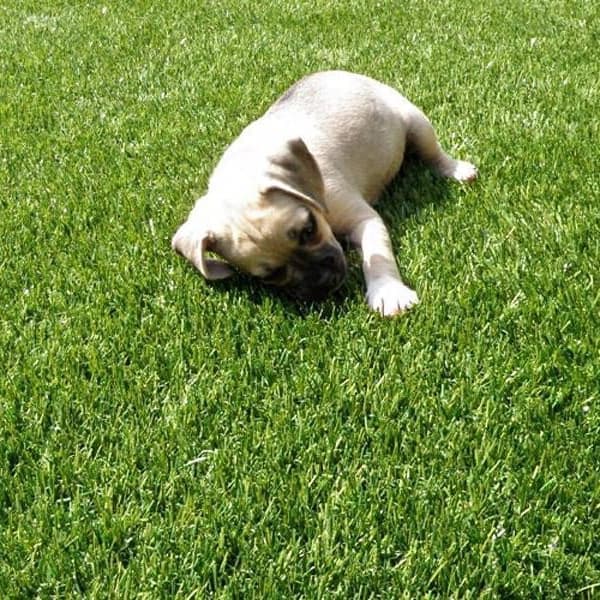
Pet Turf Artificial Grass Rolls
4.9
Starting From:
$3.26/sqft
$5.02Save 35%
Pet Play Premium Artificial Grass For Dogs - Pet Turf
5.0
Starting From:
$2.99/sqft
$4.60Save 35%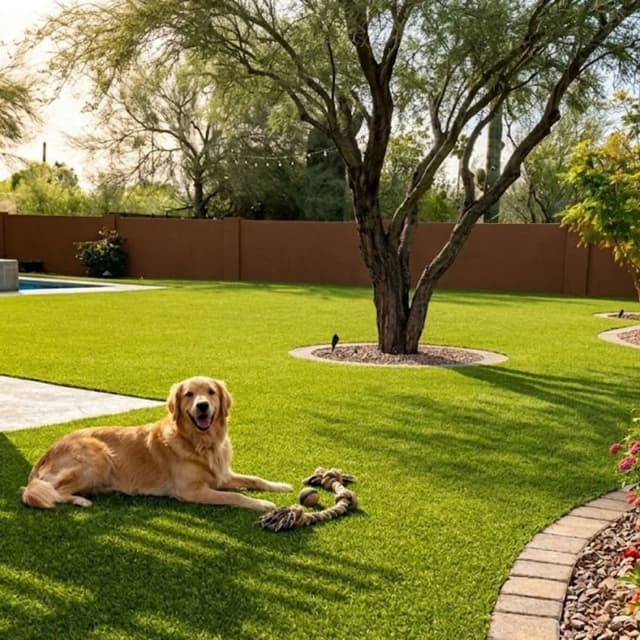
Pet Pro Artificial Turf Rolls
5.0
Starting From:
$3.19/sqft
$4.56Save 30%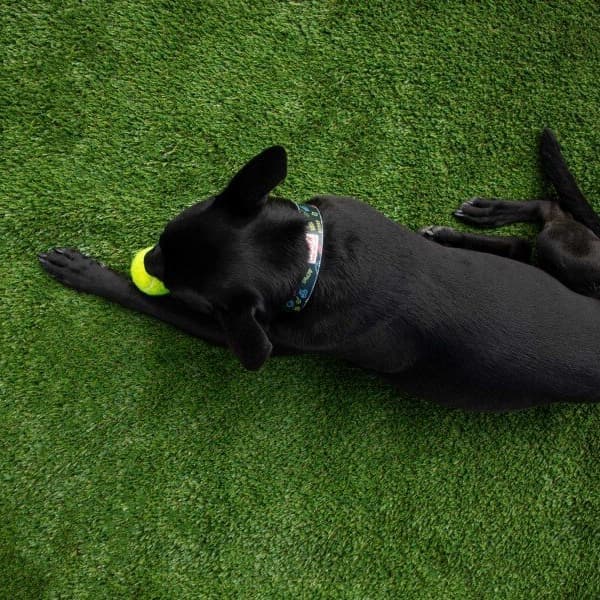
All Play Pet Turf - Artificial Grass Rolls
Starting From:
$2.70/sqft
$3.86Save 30%
3/4" Portable Horse Stall Mats | High-density EVA Foam Tiles | Easy Transport
5.0
Starting From:
$3.59/sqft
$5.13Save 30%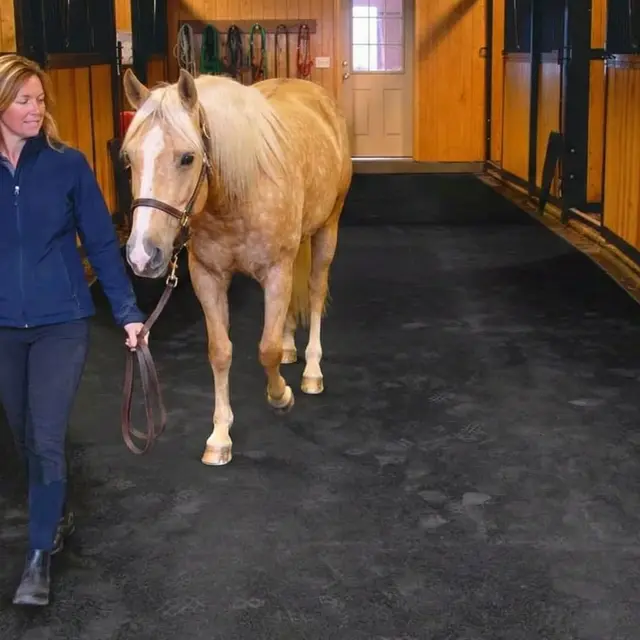
Diamond Top Horse Stall Mats Kit - 3/4" Thick (10x10, 10x12, 12x12) Vulcanized Rubber Mats
5.0
Starting From:
$466.53/each
$717.74Save 35%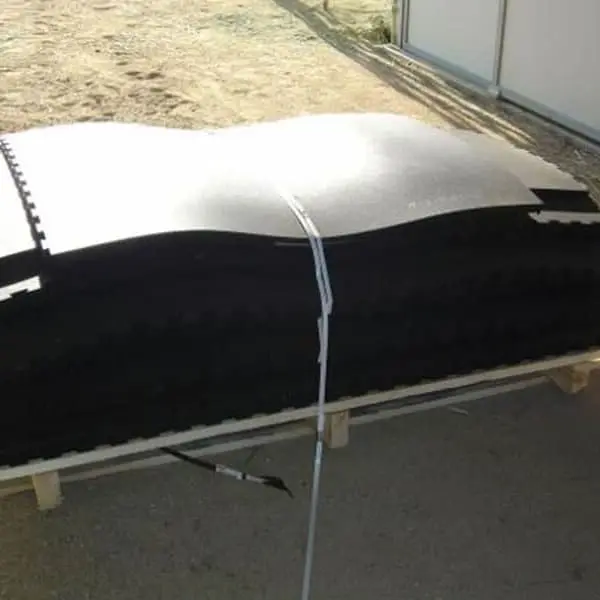
Eco Pebble Top Horse Stall Mats Kit - 3/4" Thick Vulcanized Rubber | Interlocking
Starting From:
$374.69/each
$576.45Save 35%
About Dog Kennel Flooring
Dog kennel flooring is commercial-grade flooring specified to survive six wear conditions stacked on top of each other: daily urine exposure, frequent washdowns, drainage, claw and impact damage, 8 to 12 hours of daily animal occupancy, and barking noise. Very few commercial spaces ask all six of a floor at once, which is why a dog kennel floor cannot be specified like a retail or office floor and expected to last.
The short version: in wet zones, specify a sealed, non-porous wear surface. In dry rest zones, specify rubber. Standard recycled rubber rolls are semi-porous, so liquids can seep into the pores over time and reach the subfloor. In a sleep box that is a manageable maintenance fact. In a run that gets washed down twice a day it is a failure mode.
Kennel flooring is specified by zone rather than by material: sealed, non-porous surfaces in wet zones and rubber in dry rest zones. Everything below is organized that way.
FlooringInc has sold commercial flooring for over 18 years and works directly with the major manufacturers. Kennels, boarding facilities, breeders and shelters are a real part of our commercial business, and it remains one of the most under-served verticals in flooring.
Types of Dog Kennel Flooring
Vinyl-Surfaced Rubber Rolls
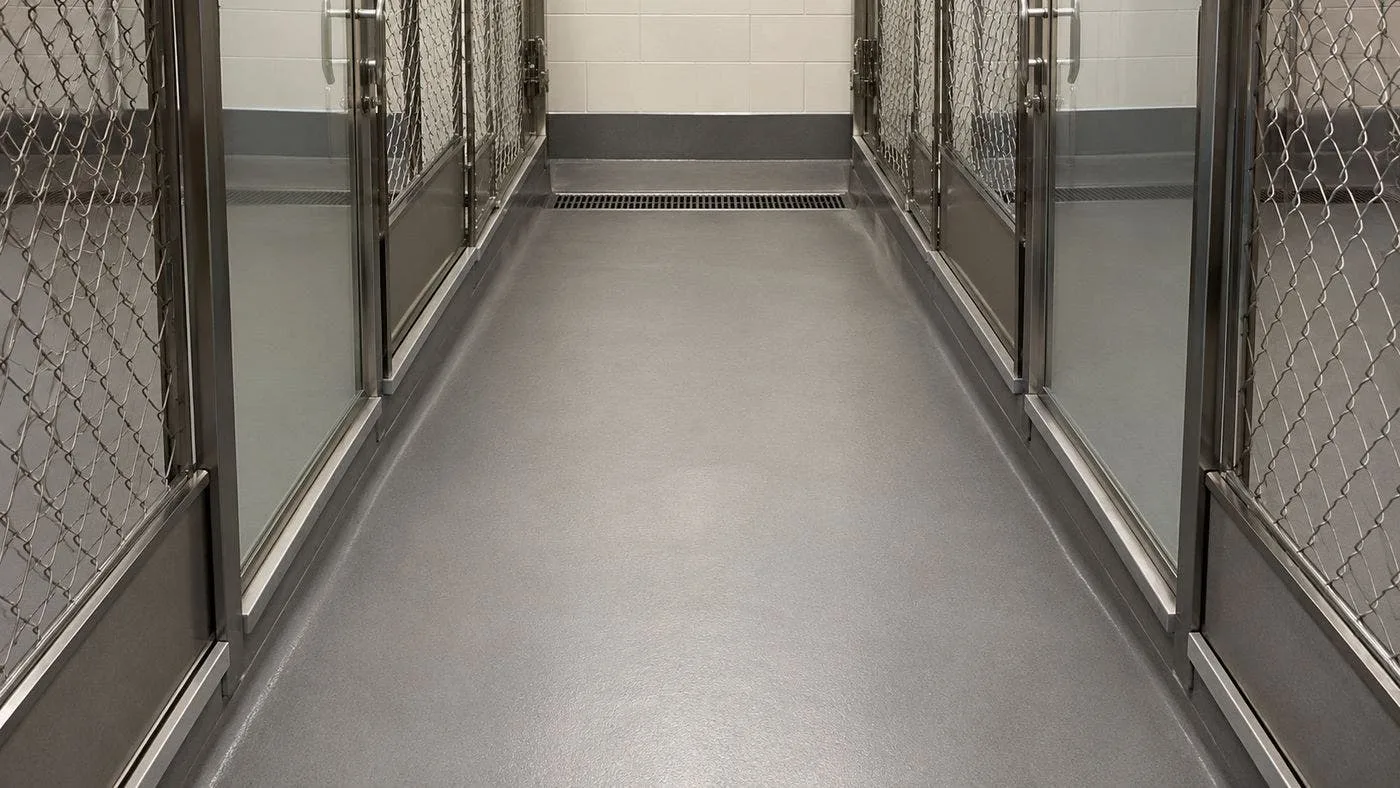
A vinyl wear layer bonded over a rubber base. You get a sealed, non-porous top and rubber cushioning underneath in a single product, which is the closest thing to a one-product answer for a kennel. This is the format to specify when the same floor has to handle a wet run and a rest area.
The reason it wins wet zones is the seam. Rolled goods can be heat welded, which closes the pathway that fails first in most kennel installs. Nothing else in our roll catalog is specified that way.
Our Top Recommendations: Impact Rolls Wood Series, a 2 mm virgin vinyl layer over a 5 mm recycled rubber underlayment for roughly 7 mm total, 6 feet wide, custom-cuttable, made in the USA and backed by a 10-year warranty. The manufacturer specifies heat welding on every seam, with the welding thread sold separately, so plan for an installer who can weld.
Solid Vinyl Rolls
100% vinyl all the way through, with a raised traction pattern. Fully non-porous, easy to squeegee, and the most straightforward surface to keep clean in a run that sees standing water. These give up rubber's cushioning and they are the thinnest option on this page, so in runs with large, hard-clawed dogs a vinyl-over-rubber hybrid is more forgiving.
We merchandise these in our garage line, but it is the same commercial grade.
Our Top Recommendations: Diamond Nitro Rolls and Coin Nitro Rolls, both 100% premium grade virgin polyvinyl and rated non-porous by the manufacturer. Coin Nitro comes in a 7.5 foot commercial width, which cuts the seam count on wide runs.
Standard Rubber Rolls
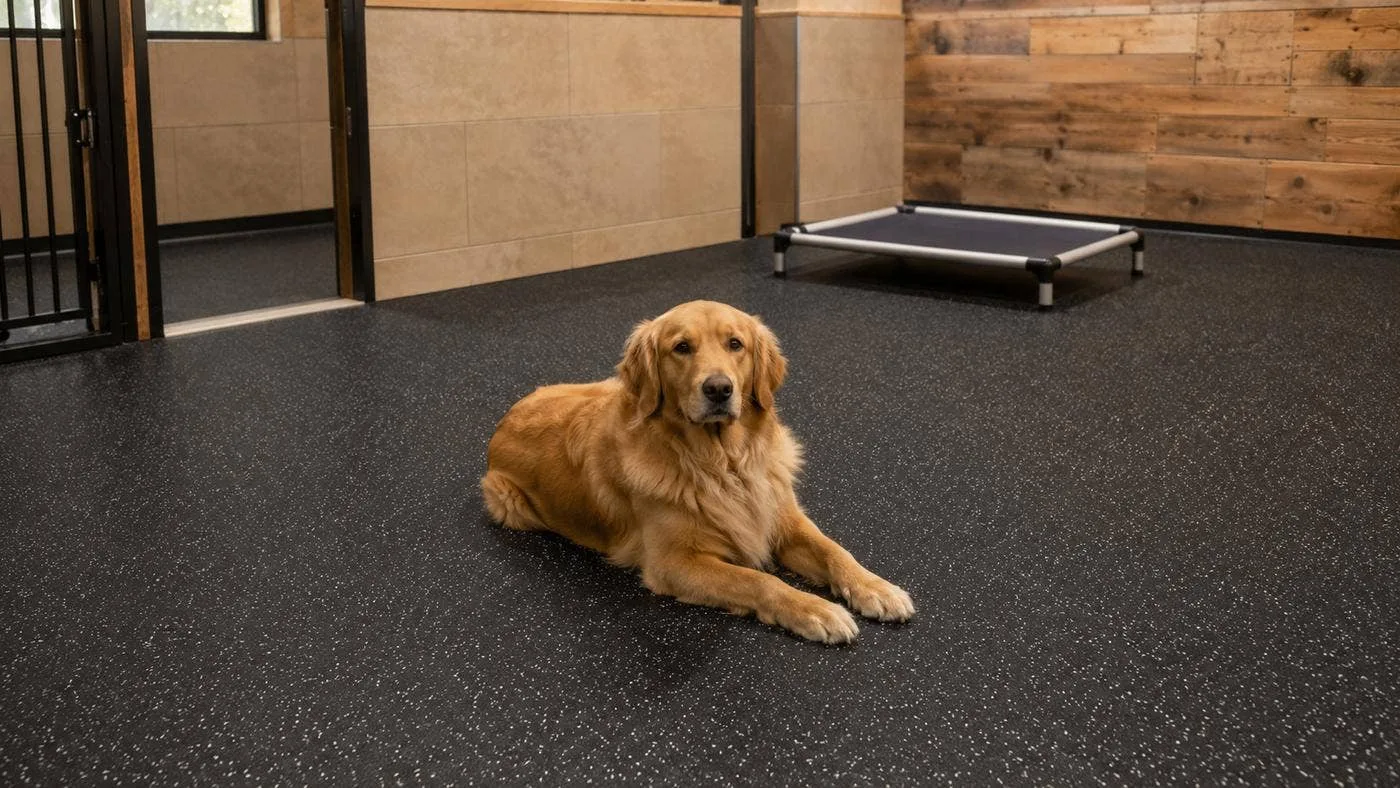
Recycled rubber, and the best dry-zone floor in the building. Sleep boxes, rest areas, staff aisles and daycare play floors that get squeegee-and-mop cleanup rather than washdowns are where rubber's comfort, claw resistance and sound absorption do their best work at the lowest cost per square foot.
The honest caveat, straight from our own buying guide: standard rubber rolls are semi-porous. Keep them out of the runs unless you are committing to a full surface finish-and-sealer program, and even then a sealed-surface product is the more durable answer.
Our Top Recommendations: 8mm Pre-Cut Strong Rubber Rolls for fixed lengths, or 8mm Strong Rubber Rolls cut to your run length. Pair either with Rubber Floor Finish and Sealer if the zone will ever see liquid.
Rubber Dog Kennel Mats
The lowest-commitment option, and the right one for a single run, a quarantine pen, a grooming station, or a rest area inside a room whose floor you cannot change. Rubber mats for dog kennels drop in, come back up, and move with you, which matters on a leased building.
Our Top Recommendations: 1/2" Diamond Top Dog Kennel Mats, vulcanized rubber, purpose-named for kennel use.
A note on the horse stall mats in the grid above: they are not a mistake. Stall mats are the same recycled rubber in a thicker, heavier mat, built to take the weight and hooves of a horse, which makes a dog a light-duty user. Operators pick them for large-breed rest areas and high-abuse pens. There, mass and durability matter more than easy handling. The trade-offs are weight and the same semi-porous surface as any standard rubber, so keep them in dry zones like every other unsealed rubber product on this page.
Pet Turf
For outdoor runs, yards and play areas. Turf is a drainage-first product: liquid passes through instead of sitting on top. Indoors that would be a problem. Outdoors it is the whole point. Pick a pet-specific turf rather than a landscape turf, and plan the base underneath it, because the base is what actually drains.
Our Top Recommendations: pet-specific turfs such as K9, Pet Play Premium, Pet Safe and Pet Pro, all built for dog traffic and urine drainage. You will find each of them in the grid above.
Drainage Tile
Interlocking vented tile that lifts the walking surface off the slab so water can move underneath to a drain. Use it in outdoor runs, wash bays and any yard where standing water is the problem you are actually solving.
Our Top Recommendations: the ProFlow, ProDesign, Rugged Grip-Loc and Airdrain drainage tiles in the grid above.
What We Leave Off This Page
Two materials get recommended for kennels that we will not sell you for a run. LVT and SPC are the wrong call in a back-of-house kennel run: the seams are the failure point and washdown water finds them. We name them only so nobody has to ask. Carpet needs no explanation.
Epoxy and sealed concrete are a different case. They are genuinely the right answer in a narrow window, namely back-of-house runs with integrated floor drains, large facilities at scale, shelter intake and quarantine, and breeder washdown rooms. They are cold, hard and acoustically reflective, so they are the wrong answer anywhere animals rest for hours. Epoxy is not our lead kennel category, but we do sell it: our commercial epoxy kits ship with primer and topcoat. When a poured system is the better fit, we will say so.
Dog Kennel Flooring by Zone
Specify by zone and the material falls out of the zone. The fastest way to turn dog kennel flooring ideas into a spec is zone by zone.
Kennel Runs and Relief Areas
The wettest, hardest-used zone in the building, and the one that decides whether your floor lasts. Urine, twice-daily washdown, claws, and water that has to go somewhere. Specify a sealed, non-porous surface: vinyl-surfaced rubber with heat-welded seams, or a 100% vinyl roll. Keep standard recycled rubber out of here. If the room has integrated drainage, sealed concrete and epoxy also work.
Sleep Boxes and Rest Areas
Animals lie on this floor 8 to 12 hours a day. The spec here is comfort and quiet. Washdown tolerance barely matters in a room that gets a squeegee and a mop. This is where 8 mm standard rubber rolls belong, or rubber mats if the room's floor is not yours to change. Concrete and coatings are cold and hard, and operators consistently report better rest on a resilient floor. Puppy kennel flooring follows the same rule; young dogs spend even more hours lying down.
Staff Aisles and Work Areas
Your team stands here for hours. Rubber for the same reason it works in rest zones: it is easier on legs and knees and it deadens noise. Aisles usually get mop cleanup rather than washdown, so standard rubber is fine.
Washdown Rooms and Grooming
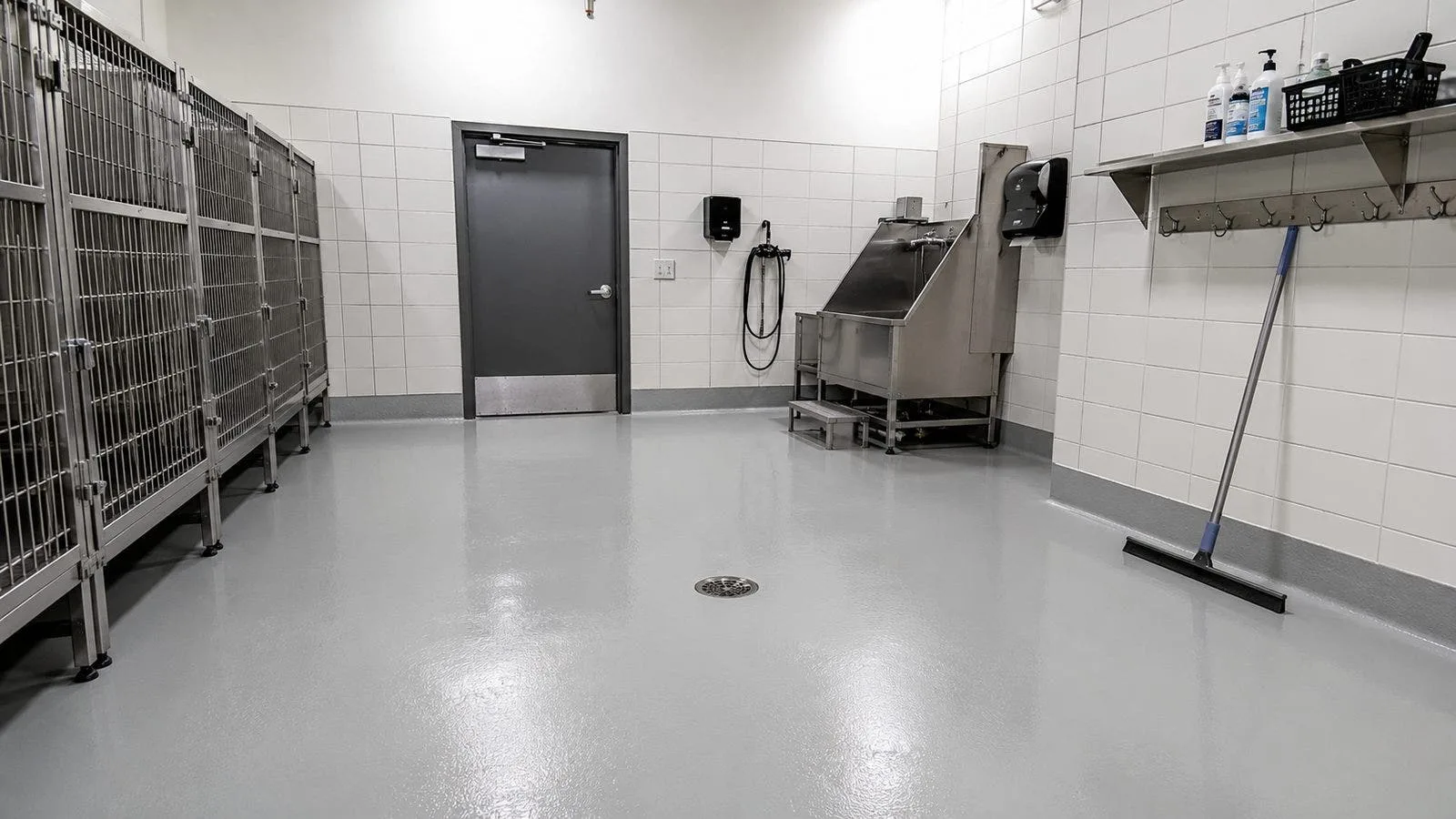
High water volume, usually with a floor drain. Sealed surfaces only. This is the zone where epoxy or sealed concrete genuinely earns its place, and where a vinyl roll is the easiest product to squeegee.
Outdoor Dog Kennel Flooring: Runs and Yards
Outdoors the goal flips: you want water to leave, fast. Pet turf and perforated drainage tile over a base designed to move water. Do not carry an indoor sealed-surface spec outdoors; you will be trapping water on top of it.
Quarantine and Intake
Disinfected harder and more often than anywhere else in the building. Sealed surfaces, minimal seams, and nothing porous. Mats are useful here because they can be pulled and sanitized separately, or replaced outright.
Thickness Options for Dog Kennel Flooring
8 mm is the kennel sweet spot for rubber. Enough mass to take claw and impact abuse and to deaden barking, without the cost or the transition height of a gym-grade floor. Drop under 6 mm and you start giving up claw resistance and acoustic dampening. Going thicker means paying for impact protection a kennel does not need.
Vinyl-surfaced rubber runs about 7 mm total in the Impact Rolls Wood Series build, 2 mm of vinyl over 5 mm of rubber. You are getting the sealed surface and most of the cushioning in one product.
Solid vinyl rolls are the thinnest option here, which is the trade for total non-porosity. Fine underfoot on a slab, less forgiving under a big dog's claws than a rubber-backed product.
Whatever height you land on, confirm the matching edge before you order. Our Rubber Floor Ramps come in a .25" profile for 4 to 6 mm rubber and a .375" profile for 7 to 9 mm rubber.
Installation Options for Dog Kennel Flooring
Custom-Cut Lengths
Standard precut rubber rolls come in 10, 15, 25 and 50 foot lengths in 1/4", 3/8" and 1/2" thicknesses, and 8 mm comes in 25 and 50 foot. Kennel runs rarely land on a stock length. Cutting to length eliminates the mid-run seam, which is the single biggest long-term failure point in a commercial kennel install. Custom cutting has a minimum of 10 or 15 feet depending on the product and adds lead time. The seam math still favors custom.
Heat-Welded Seams
Where the manufacturer specifies welding, do it. Welding fuses the seam closed instead of relying on adhesive or tape to keep water out, and in a washdown zone that is what keeps the floor down for its full service life instead of lifting at the seam in year two. It requires an installer with the tool and the matching welding thread, sold separately in four colors from $137.99 per 328 linear feet. Plan the labor.
Glue-Down, Loose Lay and Perimeter Tape
Rolls can be fully adhered, taped at the perimeter, or laid loose depending on the product and the room. Full adhesion is the most secure and the least reversible. Loose lay and perimeter tape come back up, which matters on a lease. In a washdown zone, adhere it: anything that can lift will.
Transitions and Edges
Rolled flooring expands and contracts with temperature. Without a transition at walls and room boundaries, edges creep and curl. Spec the edge treatment up front. In a kennel a curled edge catches squeegees and traps water.
Accessories You'll Need
Plan for these in the original order rather than discovering them on install day: transition ramps sized to your floor thickness, welding thread where seams are welded, and rubber floor finish and sealer if standard rubber will ever see liquid.
Cleaning and Chemical Compatibility for Kennel Floors
Your cleaning protocol drives the floor spec, not the other way around. Most kennel floor failures we get called about trace back to a cleaner or a pressure washer the floor was never rated for.
Washdown compatibility. Twice-daily washdowns rule out standard rubber rolls, LVT, SPC and carpet. In a washdown zone you want welded-seam vinyl-surfaced rubber, a 100% vinyl roll, epoxy or sealed concrete.
Day-to-day cleaning. For rubber-based products the manufacturer-endorsed protocol is mild soap and warm water. Harsh chemicals can discolor rubber and degrade coatings over time, and that includes bleach, solvent-based cleaners, and any disinfectant outside the manufacturer's guidance.
Get your rotation in writing. Many operators rotate disinfectants to prevent biofilm, and a parvo response protocol is often non-negotiable. Before you sign a floor spec, send the manufacturer the full list of products in your rotation, not just the primary one, and get compatibility confirmed in writing. Do not assume it. Using a chemistry the manufacturer has not approved can void the warranty, and we would rather tell you that now than after the floor is down.
One reality check. "We wash down every run twice a day" rules out half the commercial flooring market by itself. Confirm what your team actually does before you spec.
How Our Dog Kennel Flooring Stacks Up
Search for kennel flooring, boarding facility flooring or animal shelter flooring and you get the same two kinds of results: coatings contractors who want to book a site visit, and manufacturers with good spec guidance and no way to buy anything. Neither one helps an operator fix two failed runs before the weekend, which is the buyer this page is built for.
You can buy it today, at a published price. Add it to a cart at 9pm without starting a quote request.
We segment by zone, not by material. A kennel floor plan has five or six different jobs in it, and this page hands you a product for each job instead of making you translate a material category into a room.
Modular and rolled formats mean no slab qualification. No moisture testing, no shot-blasting, no cure time before the runs go back into service.
Loose-lay and mat formats come back up. If you are on a lease, you should not have to leave a floor behind.
Free samples, shipped free, so you can test a material against your own disinfectant before you commit a whole building to it.
Dog Kennel Flooring FAQs
What is the best flooring for a dog kennel?
A two-zone system. Sealed-surface rolls, meaning vinyl-surfaced rubber with welded seams or a 100% vinyl roll, in the wet runs and washdown areas; 8 mm standard rubber rolls in the dry rest and sleep zones. At scale, facilities with trench drains and twice-daily washdowns often pour sealed concrete or epoxy in the back of house and still run rubber in the rest zones.
How much dog kennel flooring do I need?
Measure each zone separately, because they get different products. Add roughly 5% for cuts and waste, more if the room has obstructions or an irregular shape. For rolls, measure the run direction too: laying the roll along the length of a run rather than across it is what lets you eliminate the mid-run seam.
Can I get a sample before I commit?
Yes, and you should. Free samples are available on most products and ship quickly. Test the actual material against the actual disinfectant in your rotation before you commit a facility to it. That one step prevents the most expensive mistake in a kennel build.
How fast can it ship?
It depends on the product, and every product page lists its shipping speed. Some items ship from our Tennessee warehouse; much of the catalog, including rubber flooring rolls, drop ships direct from the manufacturer. Many made-to-order products offer a quick-ship option that leaves in 1 to 3 business days for a premium, while others run longer, up to about two weeks. Check the page before you build a schedule around it.
Do I need custom-cut rolls, or will precut work?
Precut works when your run length happens to match a stock length. Precut rubber rolls come in 10, 15, 25 and 50 foot lengths, and 8 mm comes in 25 and 50 foot. If your runs are a different length, custom cutting removes the mid-run seam and is worth the added lead time. Custom cuts carry a 10 or 15 foot minimum depending on the product.
What flooring is most urine-resistant?
Non-porous surfaces: 100% vinyl rolls, vinyl-surfaced rubber, epoxy and sealed concrete. Standard recycled rubber rolls are semi-porous, so liquids can seep into the pores over time. They can serve in a urine-exposed zone with a full finish-and-sealer program, but even sealed they trail the vinyl-surface options. Cleanup speed matters as much as the material choice.
Can I use rubber flooring in a commercial kennel?
Yes, in the right zones. Standard rubber rolls are the best dry-zone floor in the building, covering sleep boxes, rest areas and staff aisles, for comfort, claw resistance and noise. For wet runs and washdown zones, step up to a sealed-surface product.
Do I need to seal rubber flooring in a kennel?
In a dry rest zone, no. In any zone that will see liquid, either apply a rubber floor finish and sealer as an ongoing program or choose a sealed-surface product instead. Sealing the seams alone does not change the porosity of the surface itself, which is the part people get wrong.
What thickness should kennel flooring be?
8 mm for rubber. It is the balance point for impact tolerance, comfort and noise reduction. Below 6 mm you start losing claw resistance and acoustic dampening. Vinyl-surfaced rubber runs about 7 mm and gets you a sealed top in the same product.
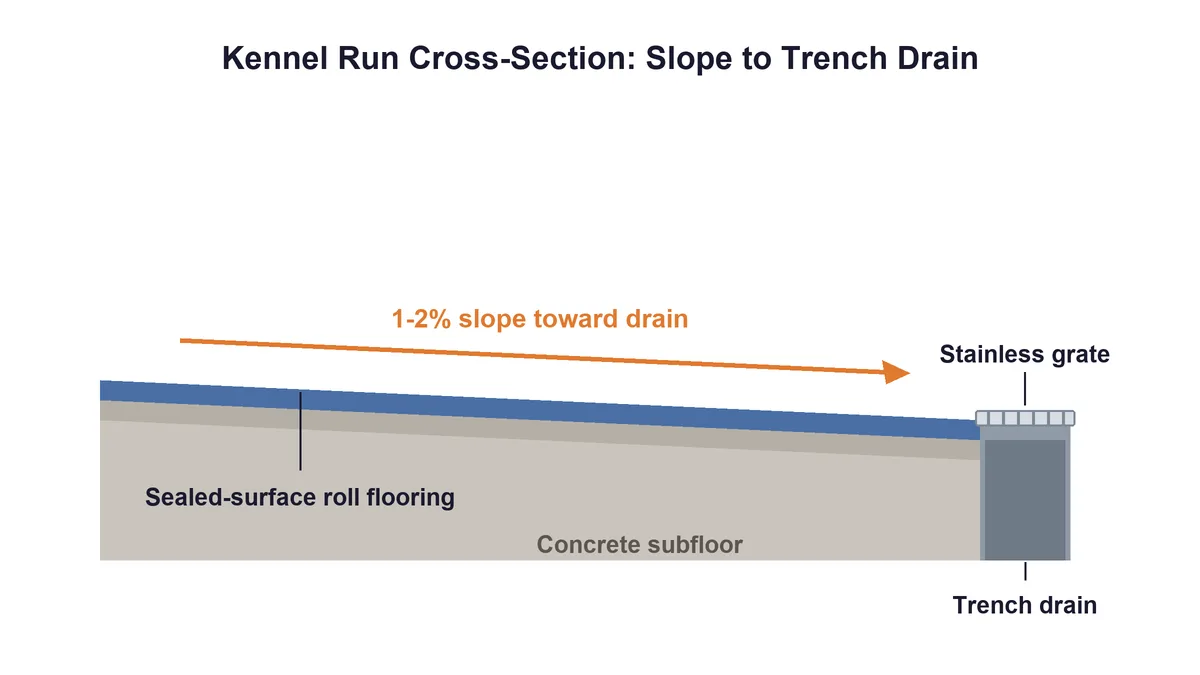
What flooring works for a kennel with floor drains?
Sealed concrete or epoxy, because both sit directly on a sloped substrate and tolerate constant washdown. Sealed rolls can work over a properly sloped subfloor with the substrate finished first. If comfort and noise reduction matter, rolls over the drained substrate keep both.
How do I clean dog kennel flooring without damaging it?
Use the chemistry the manufacturer endorses, which for rubber-based floors means mild soap and warm water. Follow dilution ratios, rinse rather than letting concentrated chemistry sit, and pressure wash only flooring rated for it. Get written compatibility for every disinfectant in your rotation before installation.
How does kennel flooring differ from veterinary clinic flooring?
The two specs differ meaningfully. A clinic floor spec accounts for surgical infection control, exam room flexibility and cart traffic. A kennel floor spec leans into washdown tolerance, drainage, urine resistance, comfort under long occupancy and noise. Materials that work in an exam room often do not belong in a run. If you are speccing the clinic itself, start with our veterinary clinic flooring page.
What about outdoor runs and yards?
Different spec entirely. Outdoor runs are a drainage problem, not a sealing problem, so the answer is pet turf or perforated drainage tile over a base built to move water. Do not carry an indoor sealed-surface spec outside.
Will rubber flooring smell?
New rubber has a noticeable smell for the first couple of weeks. Ventilation and routine soap-and-water cleaning normally take care of it. If the space will be occupied immediately, ask us about airing the material before install.
Do you work with bulk and multi-run projects?
Yes. Bulk projects should route through our Pro Command program, where pricing, consolidated freight and staging get optimized for the order size. FlooringInc has shipped flooring to federal, military and educational institutions.
Other Helpful Dog Kennel Flooring Content
- Dog Kennel Flooring: A Commercial Buyer's Guide, the full spec walkthrough for boarding, breeding and shelter operators.
- Best Dog Kennel Flooring: 3 Doggy Daycare Ideas, the consumer and small-facility starting point.
- Veterinary Clinic Flooring, for the clinic side of an animal care facility.
- Expert's Guide to Rubber Flooring Rolls, for deeper roll-spec engineering.
- Are Rubber Mats Safe for Dogs?, on the pet-safety side of rubber.
Ready to Get Started on Your Kennel Floor?
Order free samples and test them against your own cleaning protocol, or talk to our commercial team about a multi-run build.