
How to Clean
Articles
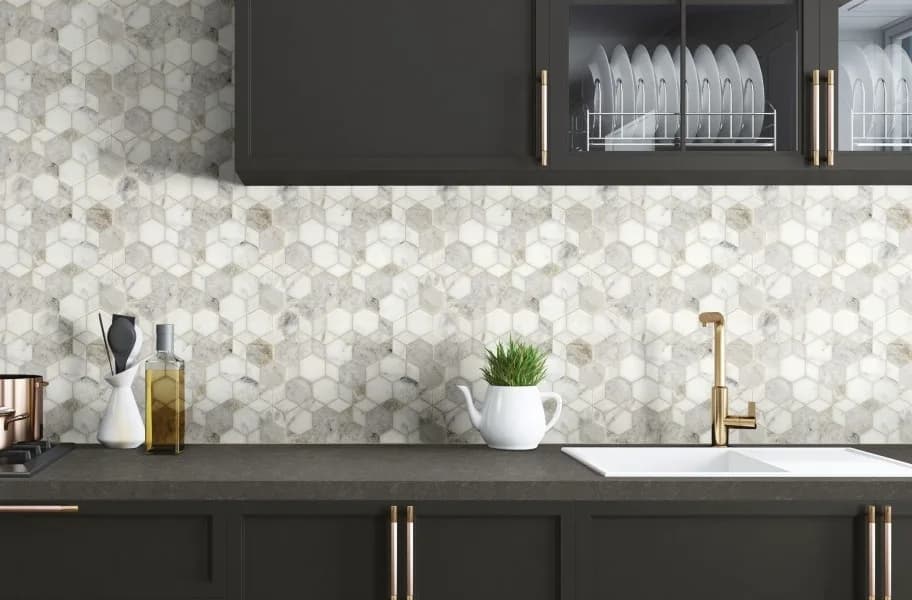
How to Install Backsplash Tile 3 Easy Ways
Learning how to install backsplash tiles to update your kitchen? There’s more than one way to do it! Discover three easy, DIY-friendly options.
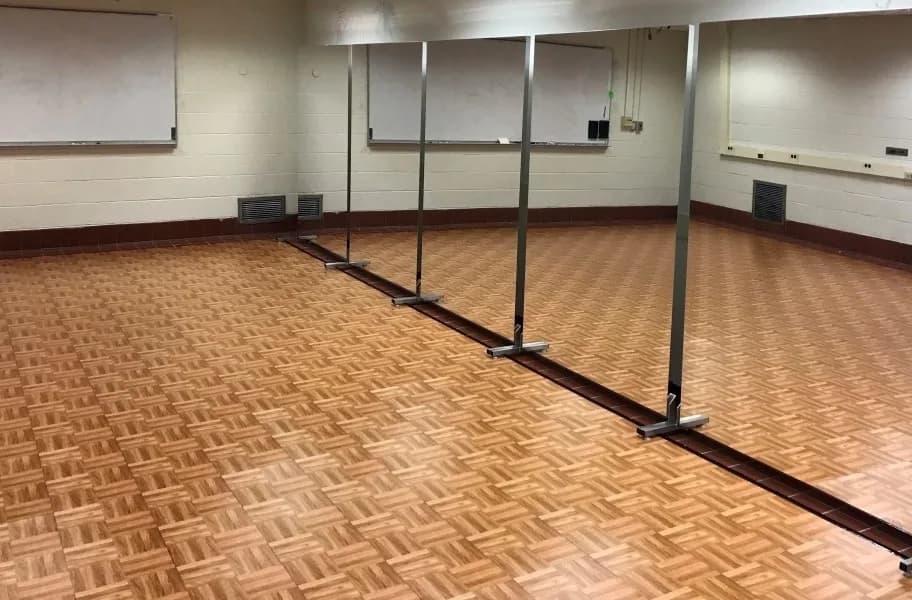
How to Clean Dance Flooring Guide
This guide will walk you through the best practices for maintaining your dance floors and keeping them clean and sanitized.
6 Tips to Protect Your Floors During the Move
Planning a relocation and want to spare your home of damage? Here are 6 tips to protect your floors during the move.
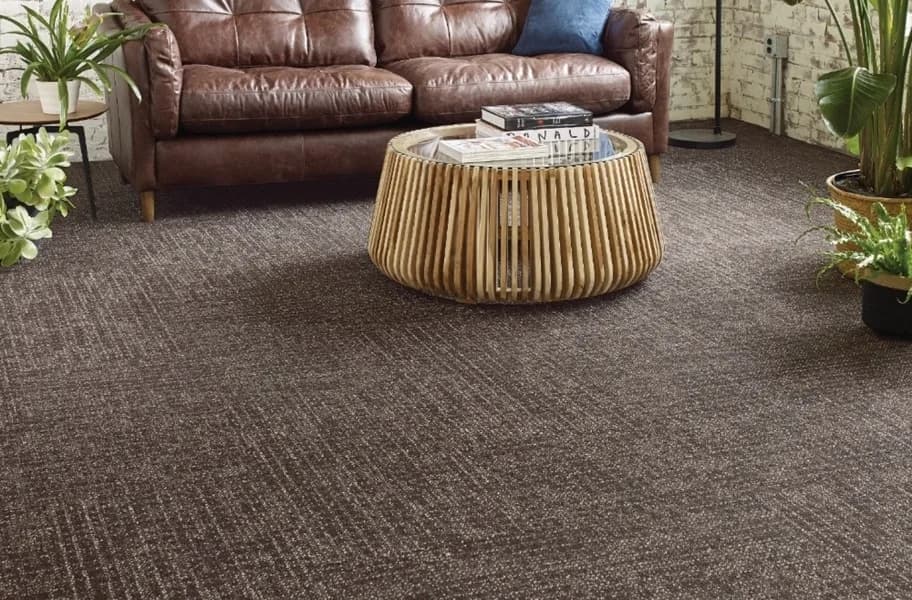
8 Benefits of Carpet Tiles
Curious about the new trend of carpet tiles? We'll give you all the benefits of carpet tiles and teach you how you can use them in your home or business!
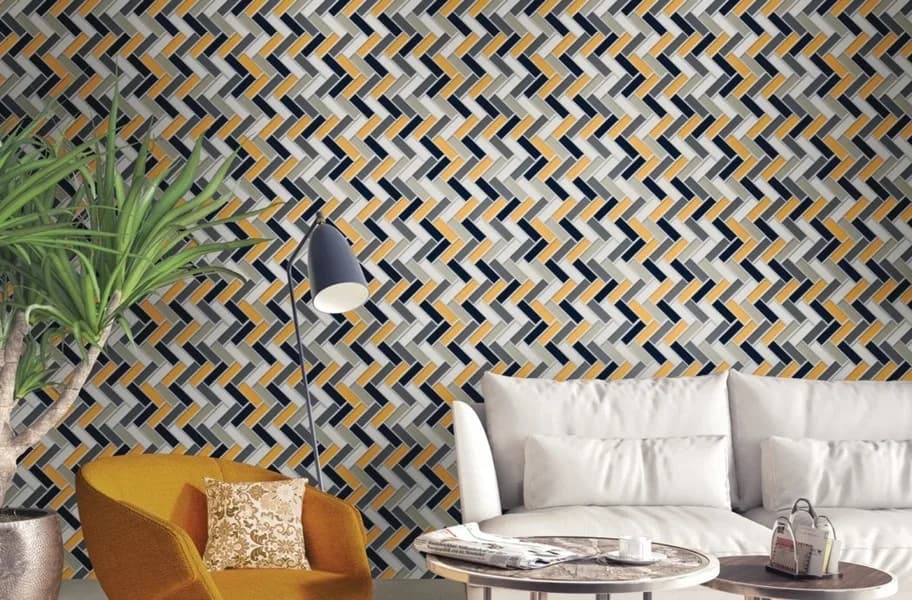
2025 Wall Tile Trends: 11 Ideas for Stylish Accent Walls
Let’s take a look at where people are using wall tiles, what’s trending in wall tile types and, finally, the rise of textures and colors.
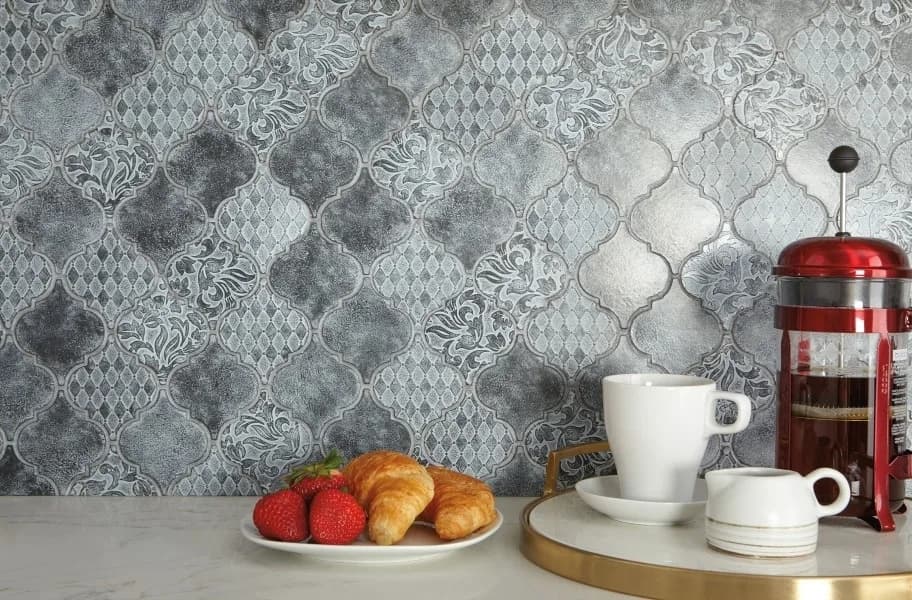
Backsplash and Mosiac Tile Buying Guide
Learn how to choose backsplash tile that will boost home value and upgrade your style. Discover the latest materials, shapes, patterns, and looks.
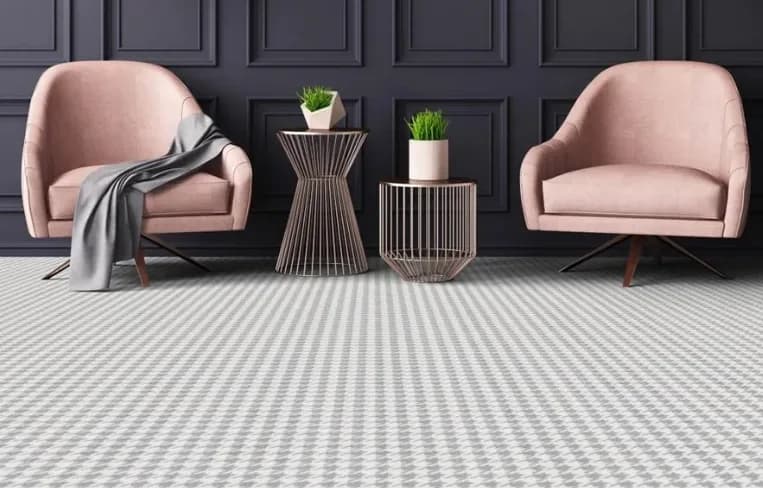
Carpet vs. Tile Flooring: Which is Better?
So you're ready to redo the floor in your home, but you're not sure what to go with? We've got your questions answered about carpet vs. tile and more!
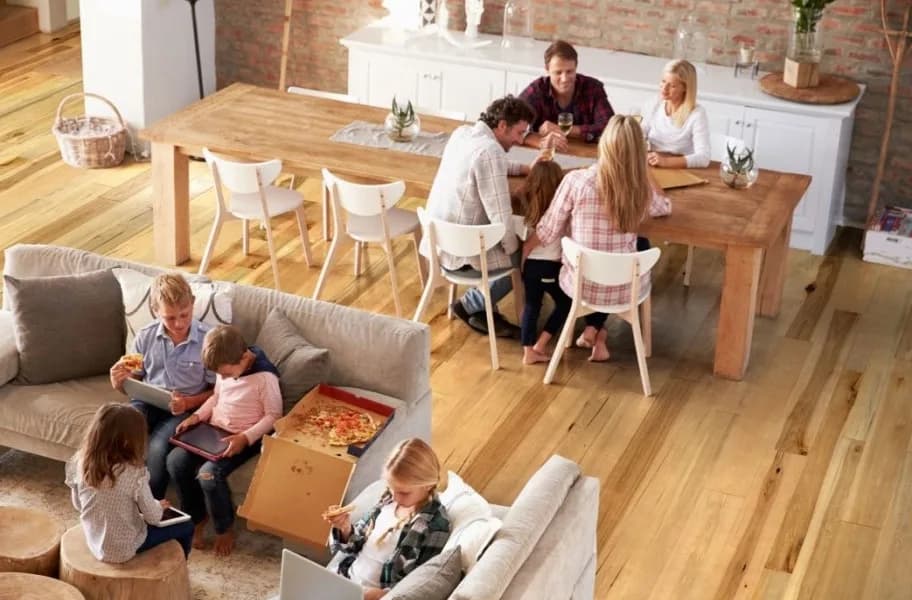
How to Clean Engineered Hardwood Floors
Learn how to clean your engineered hardwood floors with the right cleaning solution, techniques, tips and tricks.
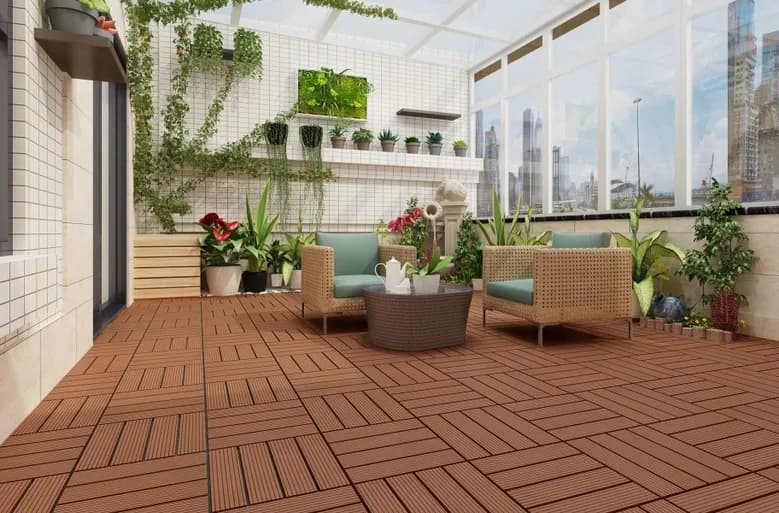
How to Clean Composite Decking: 6 Easy Steps
Learn how to clean composite decking in six simple steps to keep it looking brand new. Discover our expert tips and get started today!
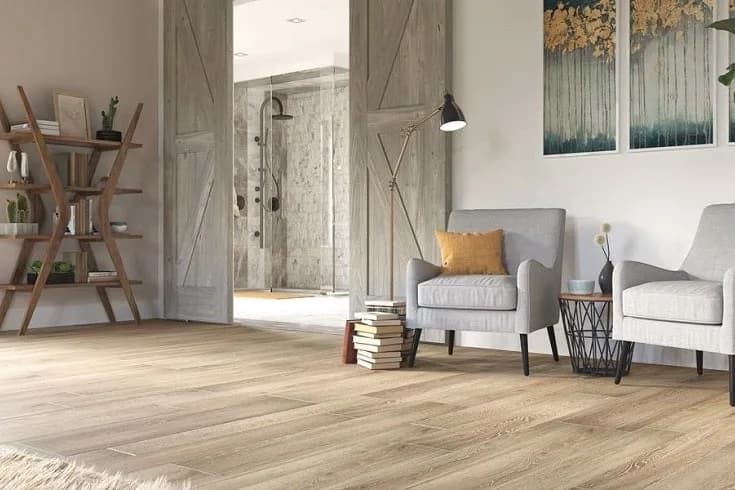
Porcelain vs. Ceramic Tile: Learn the Difference
Learn the difference between porcelain and ceramic tile flooring, the pros and cons, and comparisons between features in our porcelain vs ceramic guide.
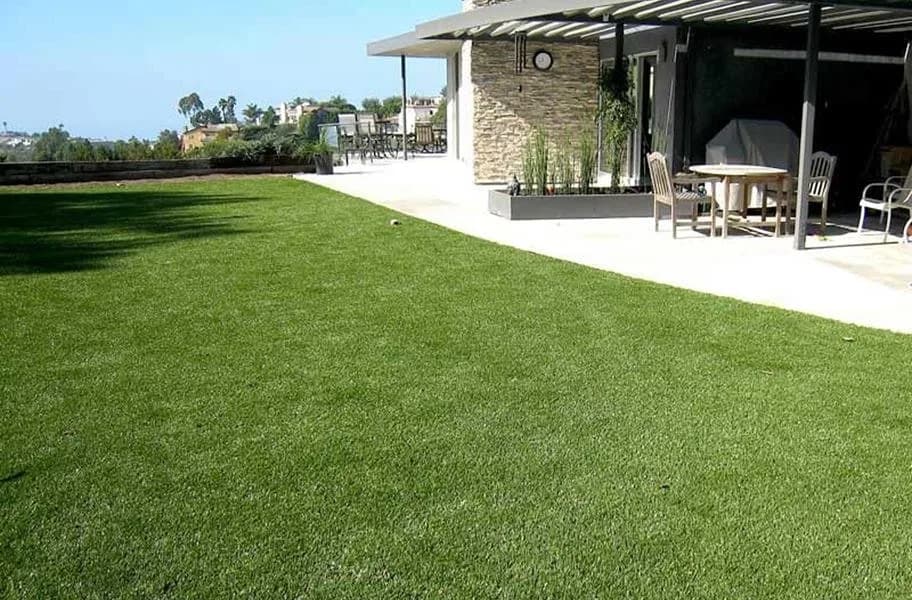
How Long Does Artificial Grass Last?
In this flooring guide, you'll find out how long artificial grass lasts, what affects its lifespan, and how to maximize it.
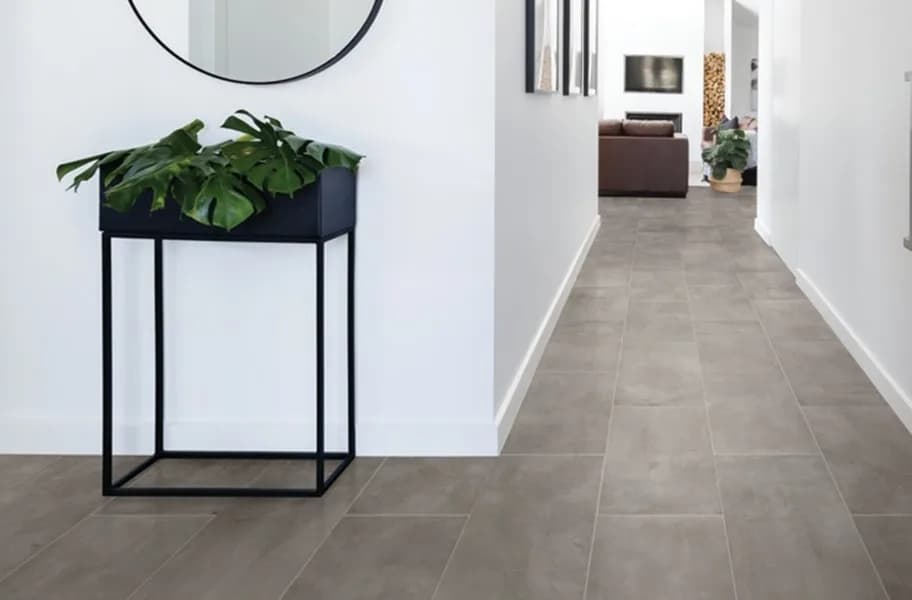
The 8 Best Tile Flooring Options in 2025: Upgrade Your Space
What's the best tile flooring out there? Check out our list of the top 10 best tile flooring options to see what fits you and your home.
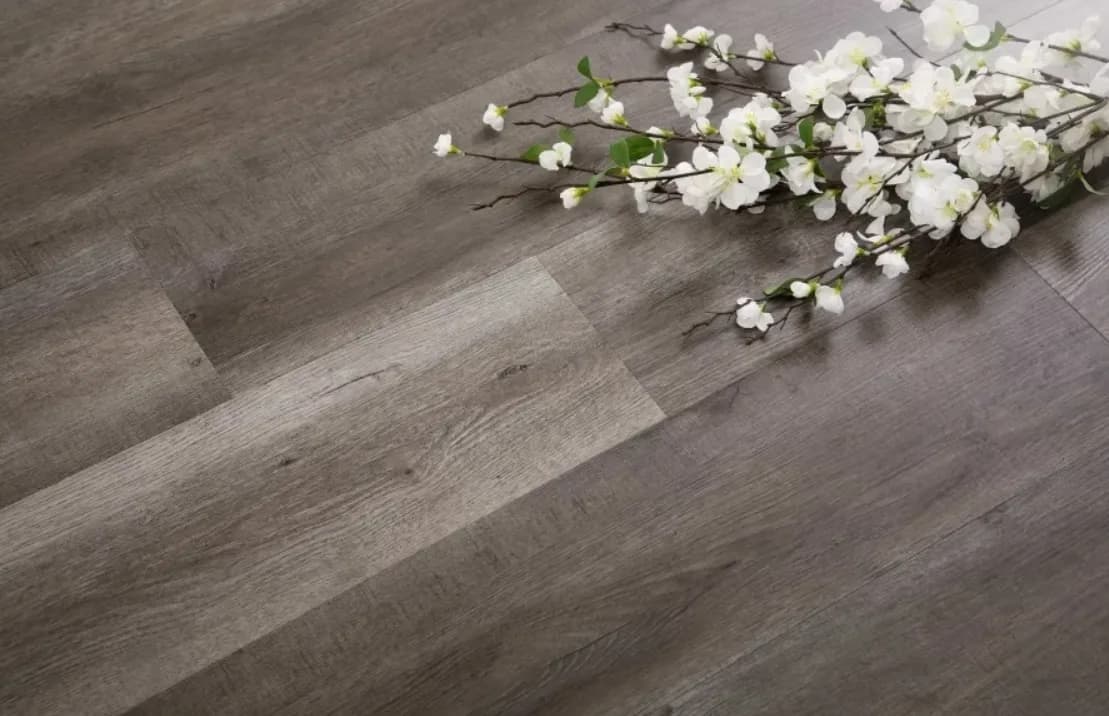
How to Clean Vinyl Floors: Hot Tips You Need to Know
You probably have some questions about how to clean vinyl floors. We have all the tips you need to keep your vinyl flooring beautiful for years to come.

How to Clean Tile Floors
If you have tile flooring in your home, you know how durable and beautiful it is. To maintain that beauty, learn how to clean tile floors the right way.
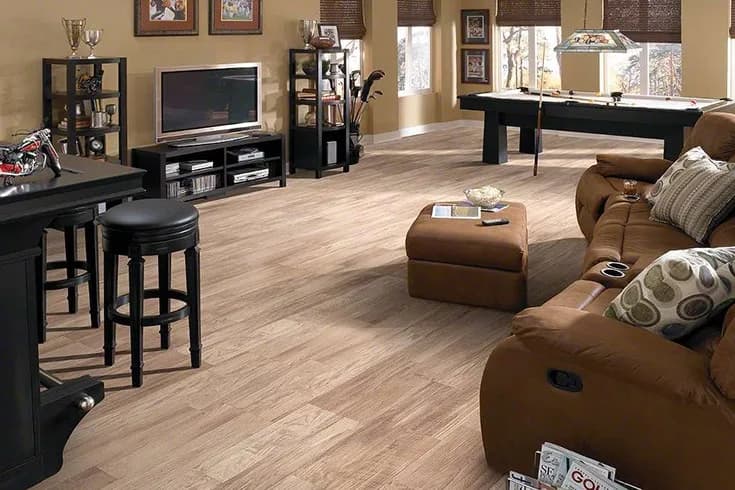
How to Clean Laminate Floors
Learn how to clean laminate floors properly, without streaks, to keep your floor looking as good as new.
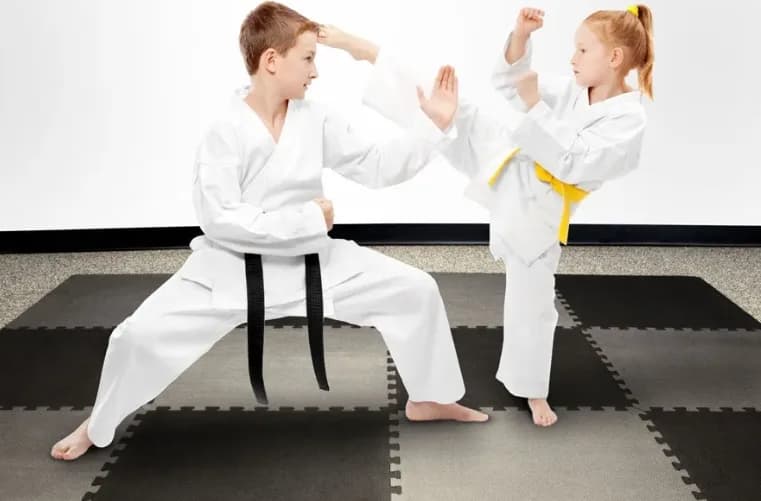
How to Clean Gym Mats
You can’t get in shape on a dirty gym mat. To make sure you and your mat are gym-ready, let’s go over how to clean gym mats.
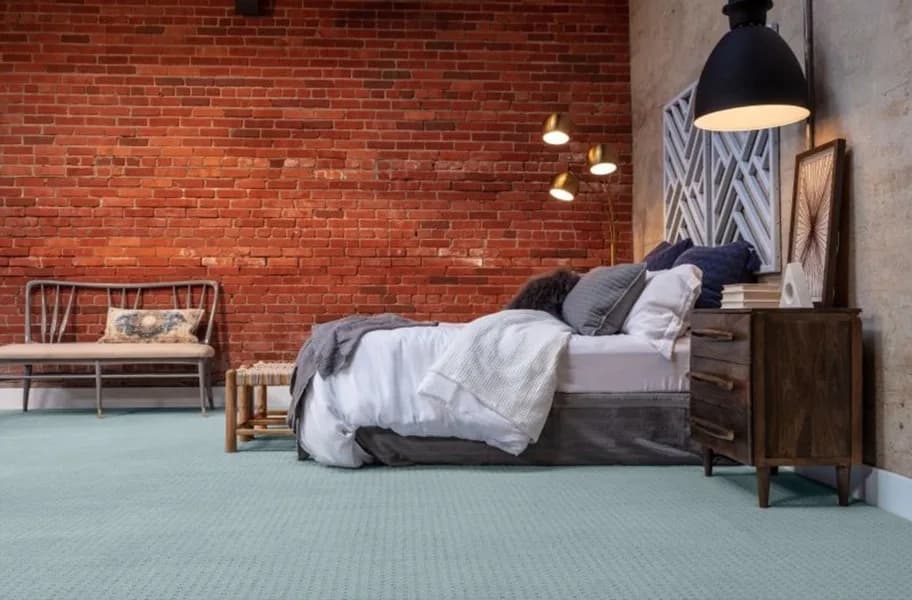
How to Clean: 10 Tips to Remove and Prevent Stains
We love carpet, but how do you keep them clean and prevent stains? Learn some tips and tricks on how to clean carpets right here!
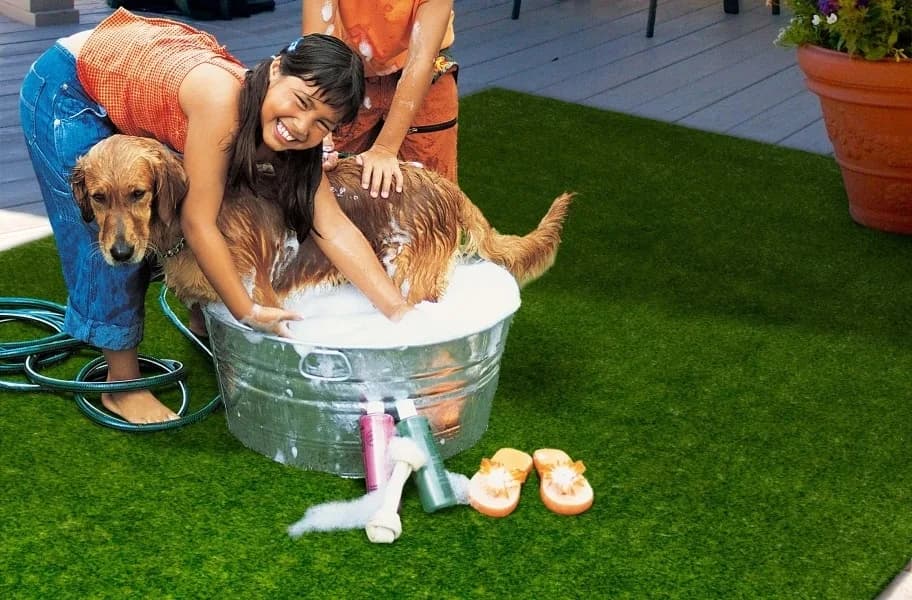
How to Clean Artificial Grass: Easy DIY Maintenance Tips
Learn how to clean your artificial grass with weekly and monthly cleaning, pet grass care, and what cleaning methods to avoid.
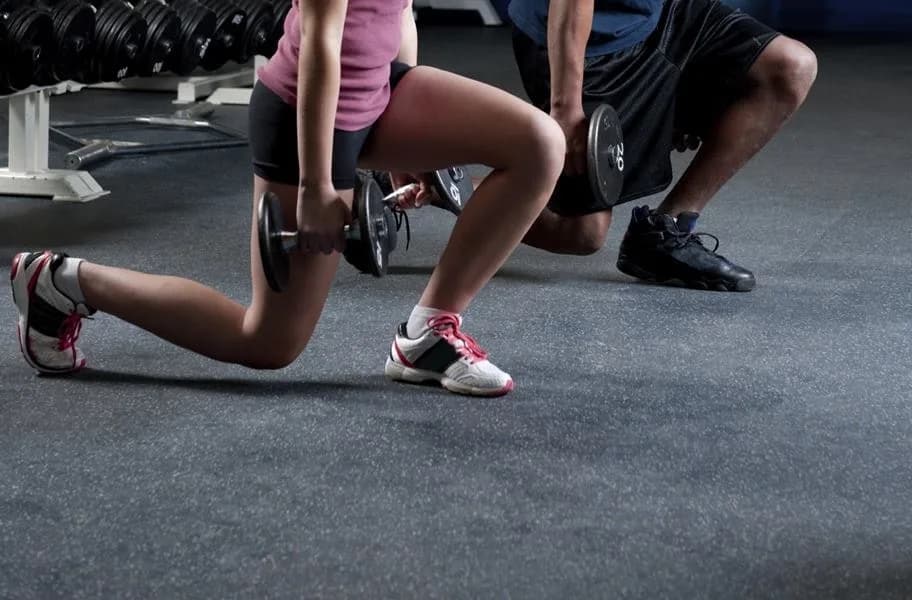
How to Clean Rubber Gym Flooring: 4 Easy Steps
Rubber flooring is perfect for exercise, but you nee to keep it clean. Learn how to clean rubber gym flooring so you keep your gym sanitary.
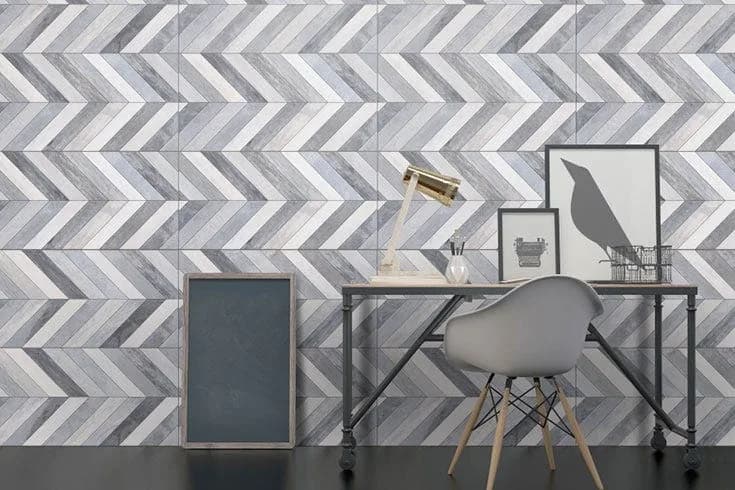
Tile Patterns: How to Create 20+ Trendy Styles
It’s easy to get stumped when it comes to choosing tile patterns. Lots of people don’t know where to start, but it's simple to follow trending tile styles.
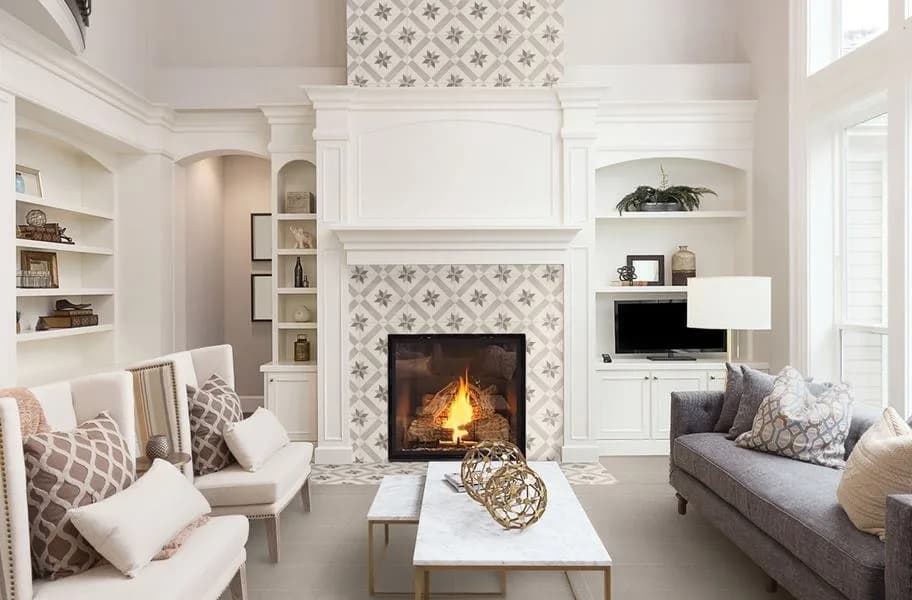
Wall Tile Buying Guide: 15 Things You Should Know
Wall tile offers a durable, water-resistant surface with style. Perfect for bathrooms and kitchens, wall tiles are an affordable alternative to stone.
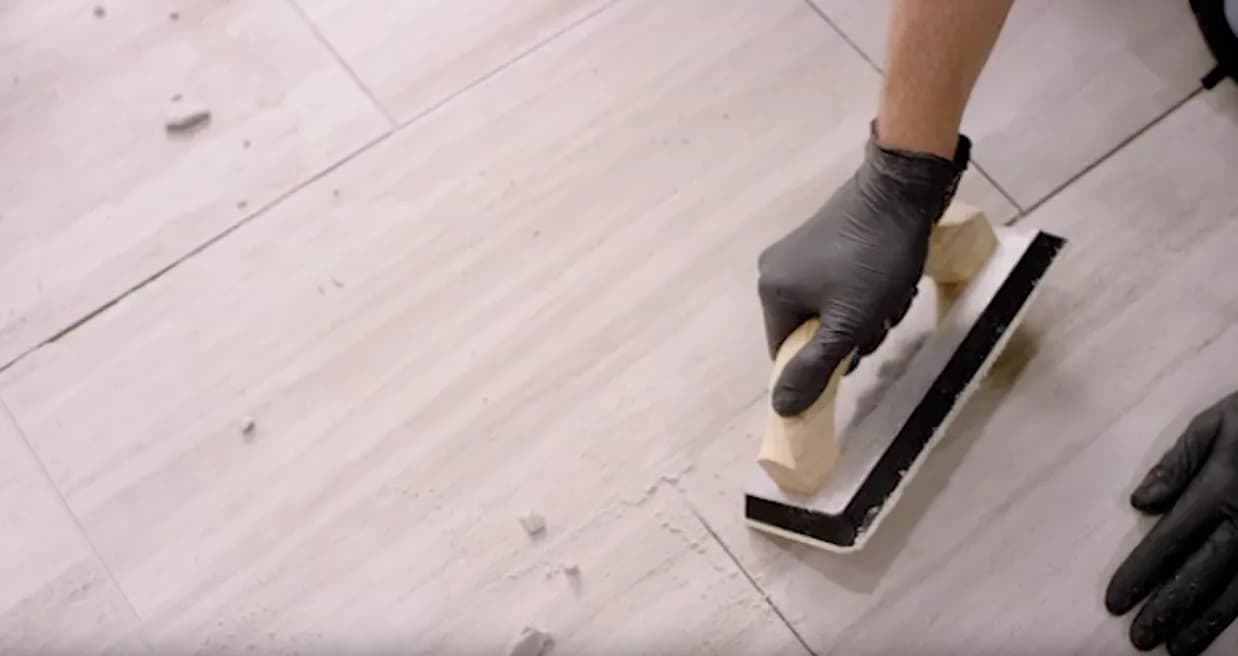
Tile Grout FAQ: Your Questions Answered
There are tons of options for tile grout, from color to consistency. If you’re looking for answers to help you in your shopping, you’re in the right place.
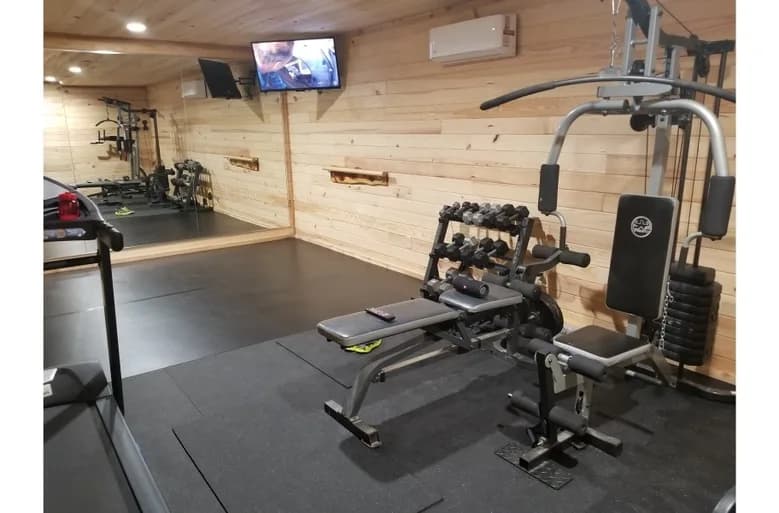
How to Get Rid of Rubber Mat Smell in 7 Steps
Learn how to eliminate that pesky rubber mat smell in 7 easy steps. Follow our guide and enjoy a fresher, odor-free space today—click to discover more!

Maintaining Garage Floor Tiles: Creative Ideas to Remove and Prevent Stains
Explore the different ways garage flooring can get stained, options for cleaning them up, and taking the necessary precautions to ward off unwanted stains.
What is WPC Vinyl Flooring? Discover the Future of Vinyl Flooring
Experts are calling WPC vinyl flooring "the future of flooring". Check out this top 10 list and become an expert on all things WPC vinyl flooring.
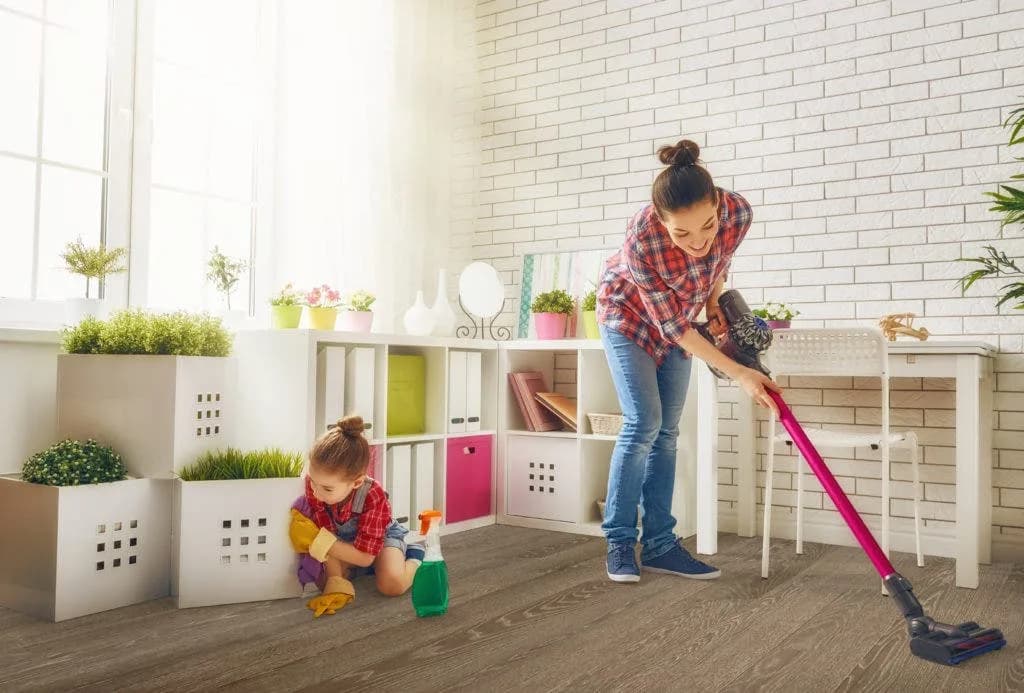
What is the Best Homemade Floor Cleaner? 10+ DIY Ideas
Follow this in-depth guide to create safe, simple, and effective homemade floor cleaners using common household items in the pantry and under the sink.
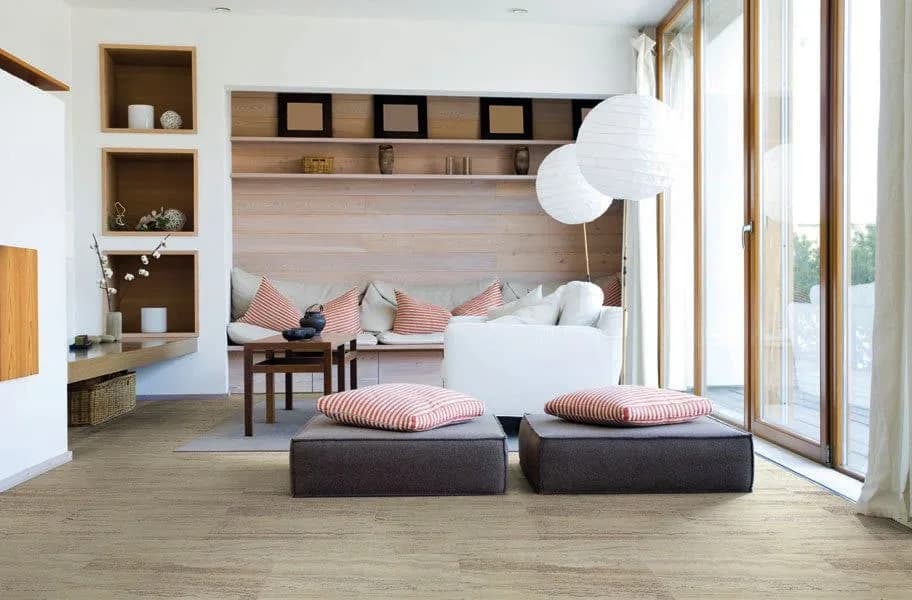
Get Creative With Cork Flooring
Cork flooring is one of the hottest trends in home flooring. Wondering how to style around it? We'll show you 5 ways to get creative with cork flooring.
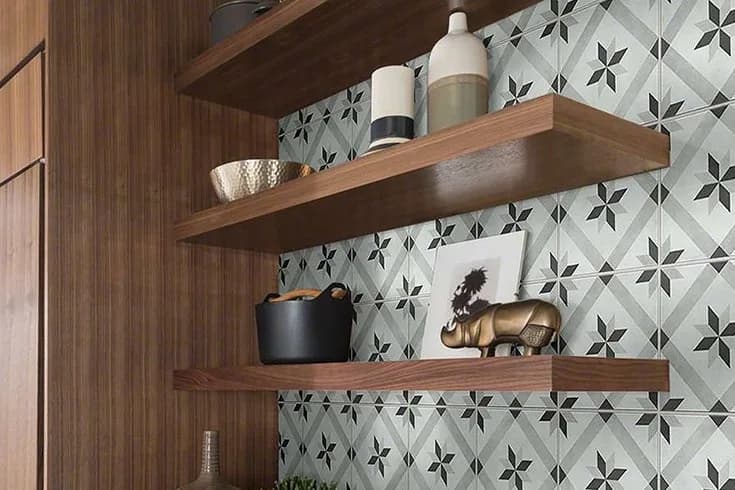
What is Grout? Tile Grout and Thinset Buying Guide
Choosing the right products for your tile installation project can be tricky. This guide will make sure you don't choose the wrong tile grout or thinset.
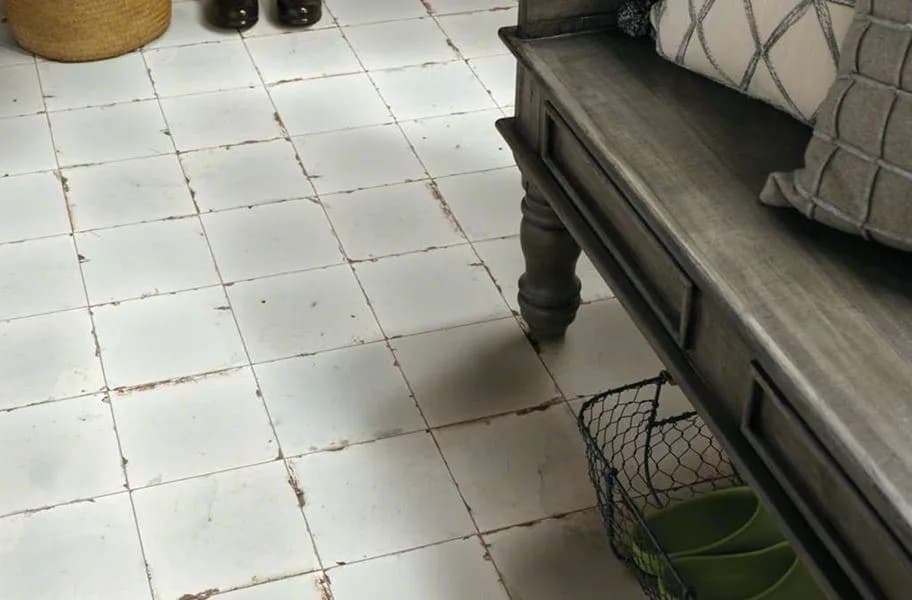
How to Clean and Seal Grout: Simple DIY Ideas
While it’s pretty easy to clean tile, not everyone is sure how to clean grout. Fortunately, you can battle the grime without needing any special tools.
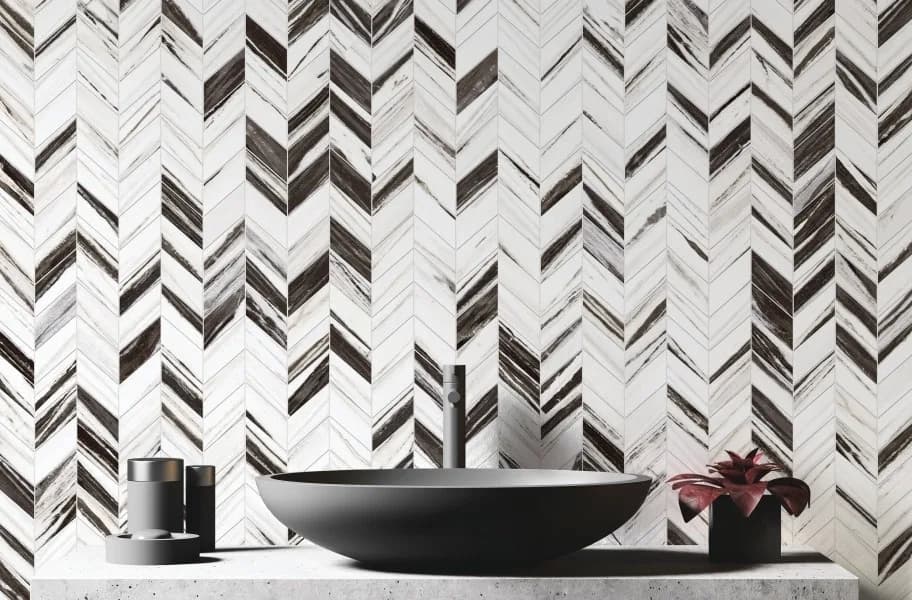
2022 Tile Backsplash Ideas: 30+ Mosaic Tile Trends
Ready to renovate that kitchen or bathroom? Get inspired with these tile backsplash ideas, covering the most popular shapes, patterns, and colors.
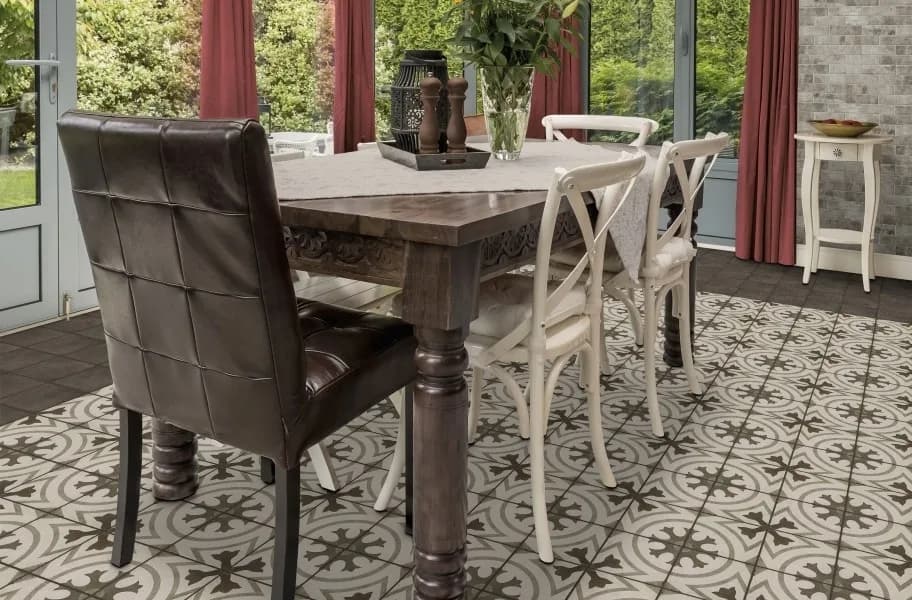
2022 Tile Flooring Trends: 25+ Contemporary Tile Ideas
Keep your home up-to-date starting with your floor. Use this guide to the hottest 2021 tile flooring trends and find stylish tile flooring ideas.
2017 Tile Flooring Trends: 18 Ideas for Contemporary Flooring
Use these 2017 tile flooring trends to choose a floor that is durable and stylish that will stay in style the lifetime of your floor.
Every flooring material has its own do's and don'ts when it comes to cleaning — the wrong mop, cleaner, or amount of water can dull a finish or void a warranty. These guides break down exactly how to keep each floor type looking new.
How to Clean Every Floor Type
Start with what's underfoot. How to Clean Vinyl Floors: Hot Tips You Need to Know makes the point that grit, not grime, is what scratches LVP, so sweeping matters more than mopping, while How to Clean Laminate Floors explains why standing water is laminate's biggest enemy and how to mop around it. Solid and engineered wood need gentler treatment still — How to Clean Engineered Hardwood Floors says to use a pH-neutral cleaner and keep the steam mop away from any wood veneer entirely.
Softer surfaces come with their own rules. How to Clean Carpet gets into spot-treating spills before they set versus scheduling a deeper extraction, and How to Clean Tile Floors separates grout maintenance from cleaning the tile face itself, since they usually need different products.
Cleaning Rubber, Grout, and Specialty Floors
Rubber flooring holds up to more abuse but still has a right way to clean it. How to Clean Rubber Gym Flooring: 4 Easy Steps covers the routine for home gyms and garages, and it pairs well with How to Get Rid of Rubber Mat Smell in 7 Steps if a new rubber floor still has that factory odor. If your grout lines have gone from white to gray, How to Clean and Seal Grout: Simple DIY Ideas covers both the scrub-out and the sealing step that keeps stains from coming back.
Dance floors get a category of their own because sweat, rosin, and marley flooring all react differently to standard cleaners — How to Clean Dance Flooring Guide separates the quick between-class pass from the monthly deep clean, which use different products. If you'd rather mix your own solution than buy another spray bottle, What is the Best Homemade Floor Cleaner? 10+ DIY Ideas lists options broken down by floor type, since a mix that's safe on tile can strip a laminate finish.